Affeton Castle: The Restored Gatehouse of a Medieval Fortified Manor
Site at a Glance
- Popularity
- Medium
- Country
- United Kingdom
- Primary era
- Medieval
- Eras represented
- Medieval, Modern
- Civilizations
- British, English
- Site type
- Military
- Remains
- Gate
On this page9 sections
History
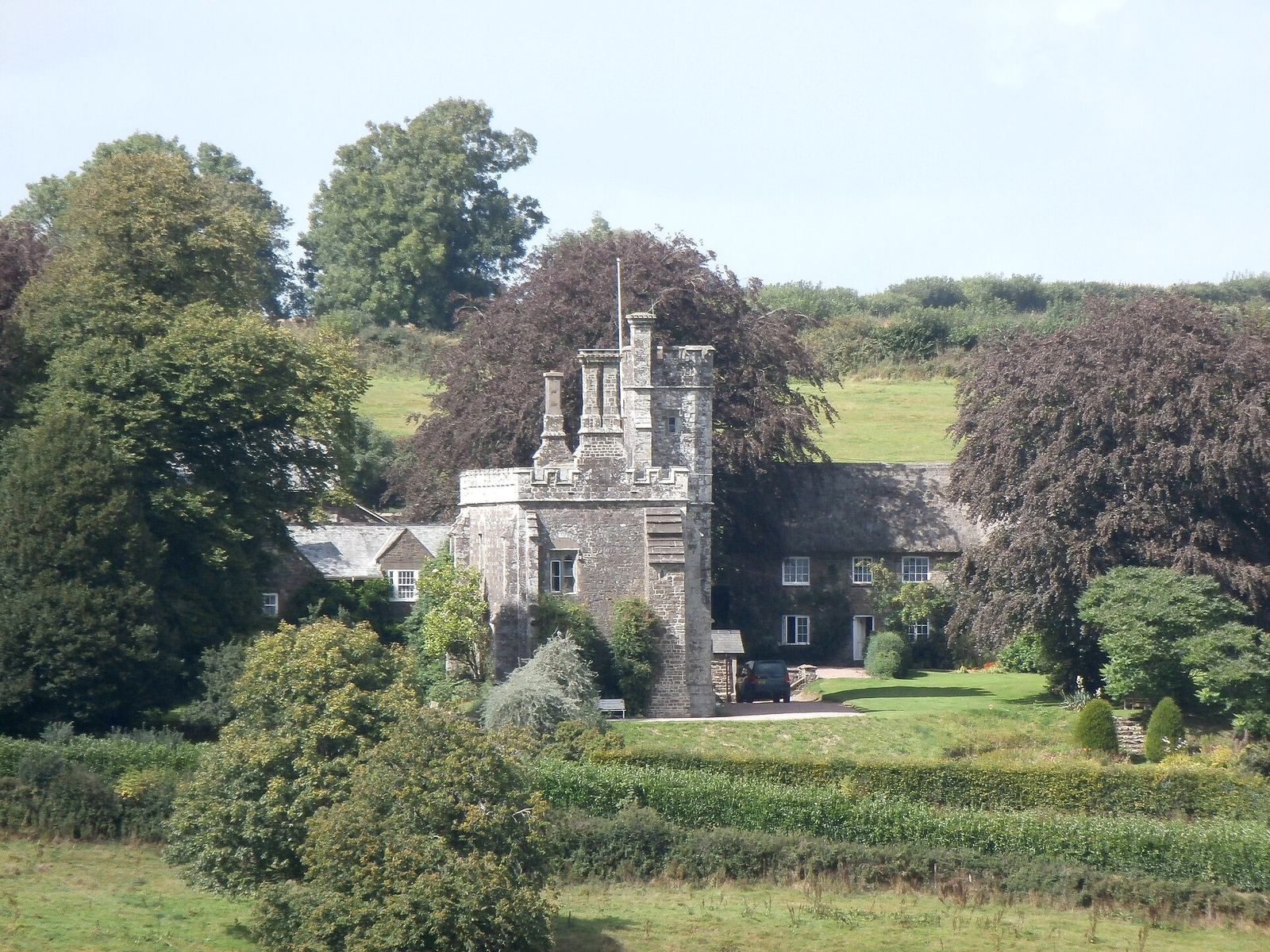
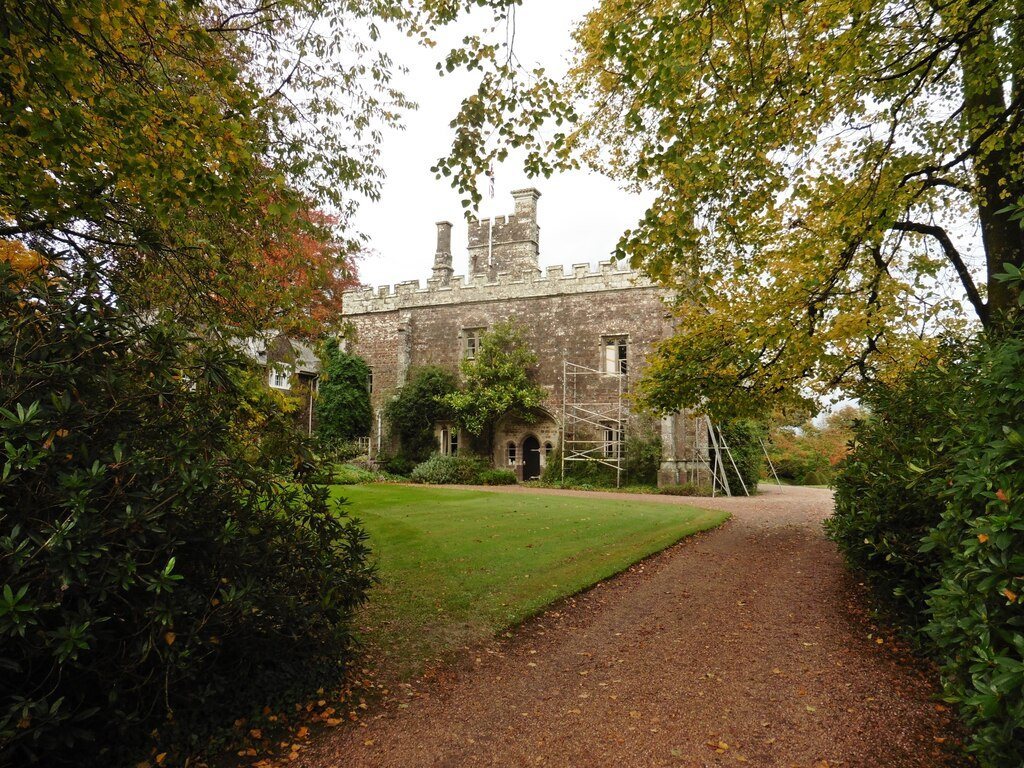
Affeton Castle is a converted late-medieval gatehouse near East Worlington in Devon, United Kingdom. The Stucley family built it around 1434 as part of a fortified manor house, and it later became the family’s private residence.
Medieval manor and parish
In 1448, Hugh Stucley, then Sheriff of Devon, married Catherine de Affeton, an heiress through whom the family acquired the estate. Affeton was once a separate parish, a local ecclesiastical and administrative district, with its own parish church. It was later incorporated into West Worlington parish.
Among the manor’s best-known residents was Sir Lewis Stucley (d. 1620), described as a traitor associated with the Elizabethan period, the reign of Elizabeth I from 1558 to 1603.
Civil War and estate decline
During the English Civil War (1642–1651), fought between supporters of Charles I and Parliament, the manor was plundered repeatedly and almost entirely demolished. The Stucleys’ support for the Royalist cause brought the family close to ruin, and they sold several thousand hectares of land.
Restoration and residence
In the late eighteenth century, the estate’s owners usually lived at Hartland Abbey or Moreton House, visiting Affeton to hunt or check their tenant farms. They stayed at Affeton Barton, while members of the family also lived for a time at Cobley Farm. By the early nineteenth century, the gatehouse had fallen into ruin. Sir George Stucley, 1st Baronet, a hereditary title below the rank of peer, restored it in 1868–1869 as a shooting lodge, a country retreat for hunting expeditions on nearby Affeton Moor. The name Affeton Castle came into use around this time.
The property passed through the Stucley family to Sir Hugh Stucley, 4th Baronet, who lived at Moreton House. In 1947, he transferred the castle to his son, Sir Dennis Stucley, 5th Baronet (1907–1983). After Moreton House was sold in 1956, Affeton Castle became the family’s principal private residence. Sir Dennis made it a home, and his successor, Sir Hugh George Copplestone Bampfylde Stucley, 6th Baronet (born 1945), also lived there. The castle is protected as a Grade II* listed building, a statutory designation for buildings of more than special interest, below Grade I.
Remains
Surviving structures
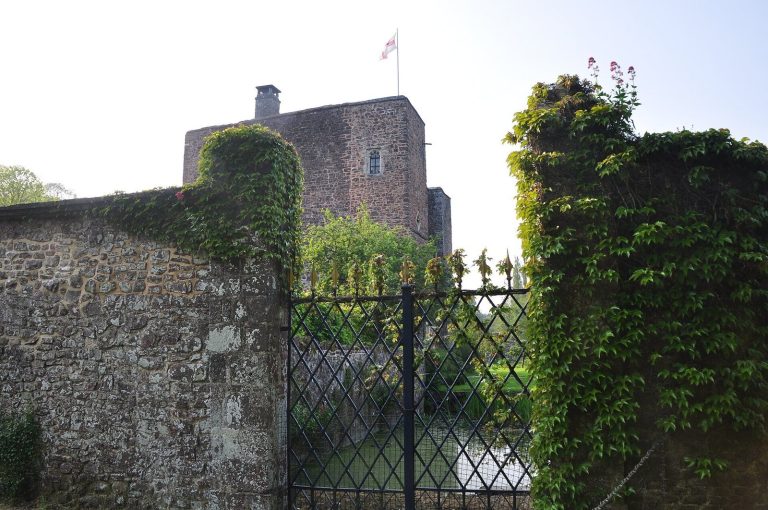
The surviving site brings together the medieval gatehouse and later domestic buildings on the former manor grounds. The gatehouse is built of grey rubble stone and formed a major part of the manor’s defences.
Gatehouse
The gatehouse measures about 18 by 6.7 metres. Its tall arch has been partly filled to create a smaller front doorway; originally, the opening allowed people and vehicles to enter the manor’s inner courtyard. It is the only original manor building left standing.
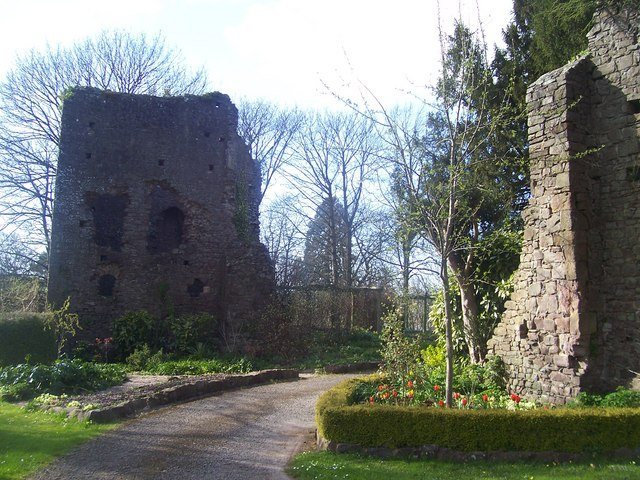
During its ruined phase, the gatehouse had no roof and its hollow interior contained charred timber. A tree grew atop the tower. Part of the wall around the old spiral staircase was removed when a donkey became trapped in the stairwell, and the animal was lowered out.
Affeton Barton
A large farmhouse, Affeton Barton, was later built over the manor’s foundations and cellars.
Residential extension
The later extension to the castle includes a nursery wing and additional bedrooms.