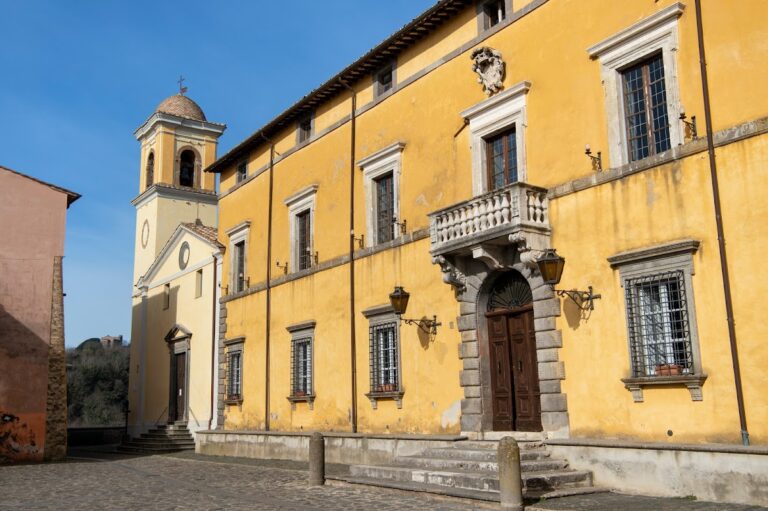
Castello della Sala: A Fourteenth-Century Fortification in Italy


Site at a Glance
- Rating
- 4.5
- Popularity
- Very Low
- Country
- Italy
- Primary era
- Medieval
- External website
- Open
- Eras represented
- Medieval
- Civilizations
- Papal States
- Site type
- Military
- Remains
- Castle
On this page8 sections
History
Foundation and the Monaldeschi Family
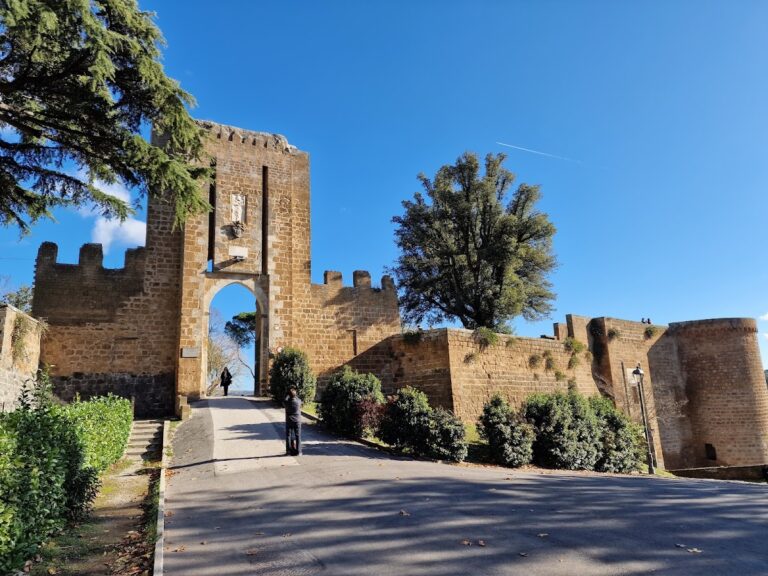
Castello della Sala is a fourteenth-century stone fortification in Italy, built in 1350 by Angelo Monaldeschi della Vipera near Ficulle in Umbria. It served both defensive and residential purposes. The Monaldeschi family had arrived in Italy with Charlemagne, the Frankish ruler who became emperor in 800 and governed much of western and central Europe.
From 1300, members of the family fought for control of Orvieto. In 1337, Angelo and his three brothers adopted separate names and established distinct feudal branches. Angelo took the name della Vipera, linking the castle to the branch he founded.
Reconciliation and Ecclesiastical Ownership
In 1480, a truce within the family was sealed when Pietro Antonio Monaldeschi della Vipera della Sala, the son of Gentile, married his cousin Giovanna Monaldeschi della Cervara. The couple restored the castle, giving it a role in the reconciliation of the family.
Pietro Antonio and Giovanna lived at Castello della Sala until 1518. After Pietro Antonio died, Giovanna assigned the property to the Opera del Duomo of Orvieto, an institution that administered and supported the cathedral and related charitable or religious interests under the direction of the cathedral chapter. The institution retained the castle until Italian unification in 1861, when the state appropriated ecclesiastical properties.
Later Ownership
After 1861, the castle passed through several owners and received little maintenance or repair. The Antinori family acquired it in 1940 and remains its owner. The property is now restored, and its associated estate includes wine cellars and agricultural land.
Remains
Fortification and Religious Features
Stone Fortification
Castello della Sala is built of stone and combines defensive construction with residential use. The restored castle forms the central architectural feature of an estate that also contains wine cellars and agricultural land.
Renaissance Chapel
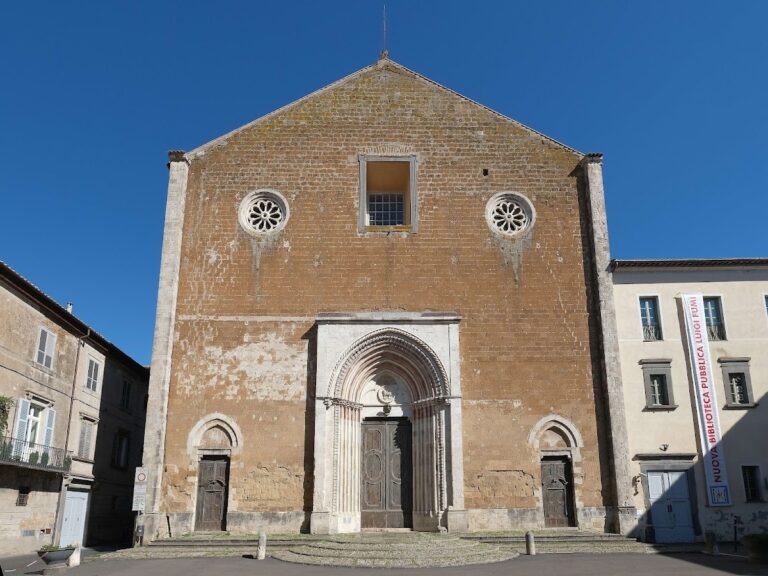
A small Renaissance chapel stands beneath the castle gates. It may be associated with Pietro Antonio Monaldeschi della Vipera della Sala and Giovanna Monaldeschi della Cervara, perhaps expressing gratitude connected with their reconciliation. Inside, a large fifteenth-century fresco by the Umbrian school depicts the visit of the Magi to Bethlehem, where these visitors traditionally came to honor the infant Jesus.