Fort 52a “Łapianka”: A Kraków Fortress Fort in Poland


Site at a Glance
- Rating
- 4.5
- Popularity
- Low
- Country
- Poland
- Primary era
- Modern
- External website
- Open
- Eras represented
- Modern
- Civilizations
- Habsburg
- Site type
- Military
- Remains
- Fort
On this page6 sections
History
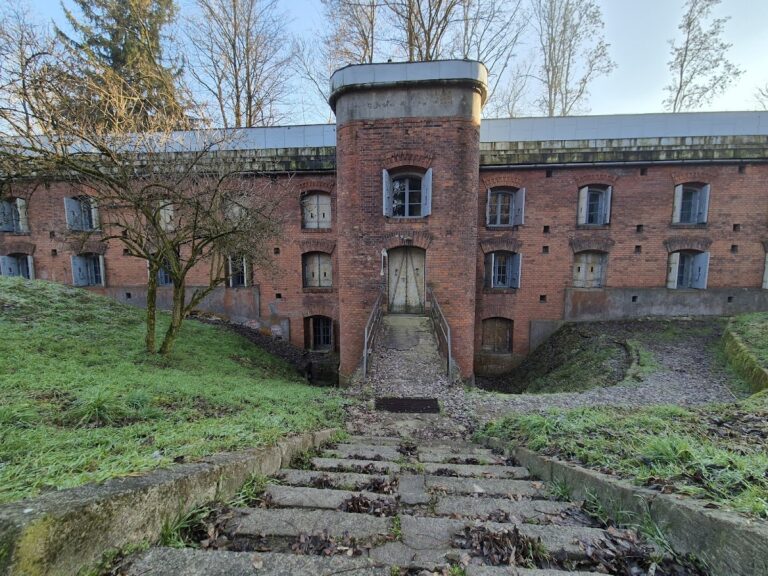
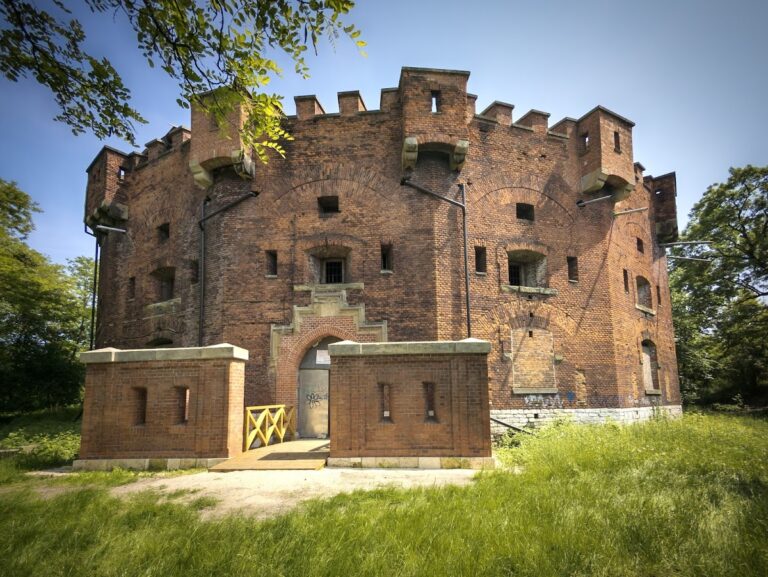
Fort 52a “Łapianka” is a former defensive fort in Kraków, Poland, built between 1896 and 1902 as part of the Kraków Fortress. An alternative dating places its construction in 1897–1898. The fort strengthened the fortress’s southern flank and helped control the Vienna route, represented today by Zakopiańska Street.
Construction and Defensive Role
The Kraków Fortress was a coordinated system of defensive forts and artillery positions established around the city. Its outer defensive ring was designed to protect Kraków from attacks approaching beyond the central defences. Fort 52a was one of 14 similar forts built during this period to reinforce that ring.
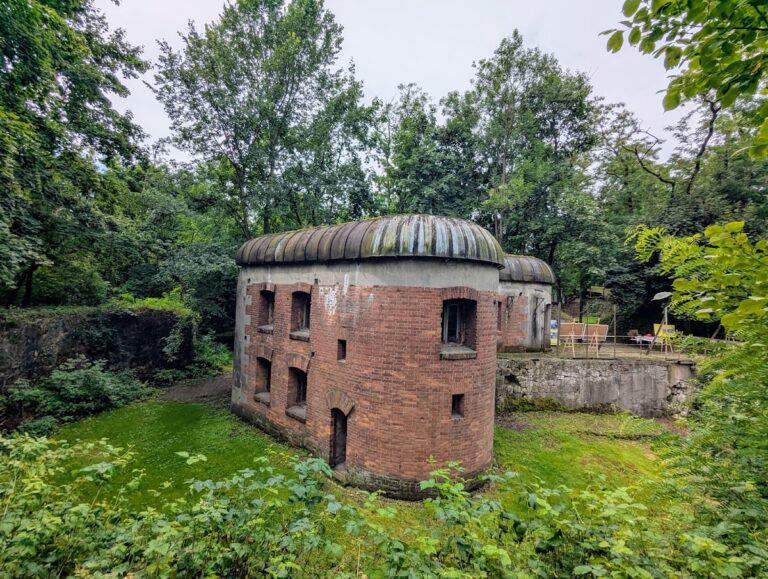
Four armoured turrets formed the fort’s principal armament. These heavily protected rotating structures housed 8 cm M94 artillery guns, allowing the weapons to operate under defensive cover. A nearby artillery battery supported long-range defence, although it is no longer in use.
Military, Industrial, and Museum Uses
The fort did not take part in fighting during the First World War. After Kraków was liberated in 1918, the Polish Army took control of the site. In 1958, the fort passed into civilian hands and was used by a fruit-wine production plant. This industrial use severely damaged the fort building and its surroundings.
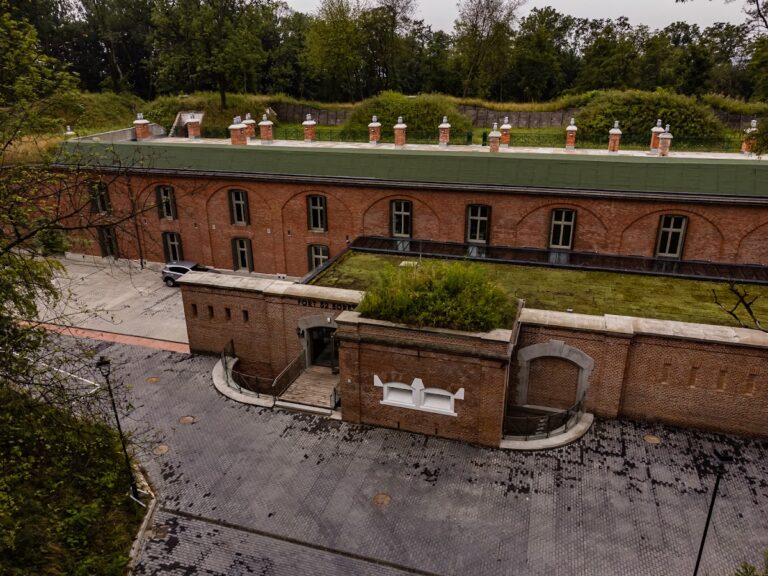
A comprehensive renovation took place between 2015 and 2019, followed by the construction of a new building between 2019 and 2022. Since 2022, Fort 52a “Łapianka” has housed the Museum and Centre of the Scout Movement in Kraków, a branch of the Museum of Kraków. The Scout Movement is an international youth educational and civic movement centred on outdoor activities, practical skills, cooperation, and service.
Remains
Fort and Armament
The surviving fort lies approximately 100–150 metres south of Forteczna Street in Kraków. Its principal defensive arrangement included four armoured turrets fitted with 8 cm M94 artillery guns. The turrets were rotating, heavily protected structures designed to shelter their artillery crews and weapons. The fort building and its surroundings were severely damaged during the period of fruit-wine production, but the complex underwent comprehensive renovation between 2015 and 2019.
Associated Artillery Position
A nearby artillery battery formed part of the fort’s defensive setting and provided long-range support. An artillery battery is a group of guns positioned to deliver concentrated fire. This battery is no longer in use, while the renovated fort complex now accommodates the Museum and Centre of the Scout Movement in Kraków, together with a new building constructed between 2019 and 2022.