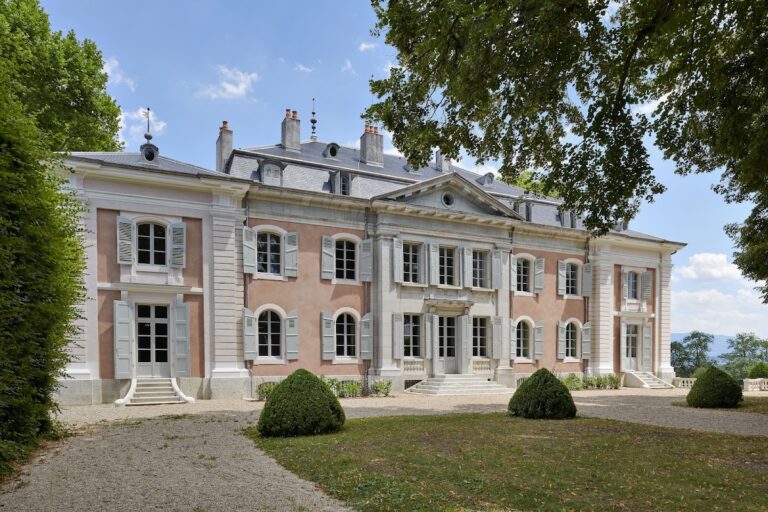
Bellerive Castle: A Fortified Granary in Switzerland

Site at a Glance
- Rating
- 5
- Popularity
- Very Low
- Country
- Switzerland
- Primary era
- Early Modern
- Eras represented
- Early Modern
- Civilizations
- Duchy of Savoy
- Site type
- Economic
- Remains
- Warehouse
On this page5 sections
History
A Savoyard salt depot
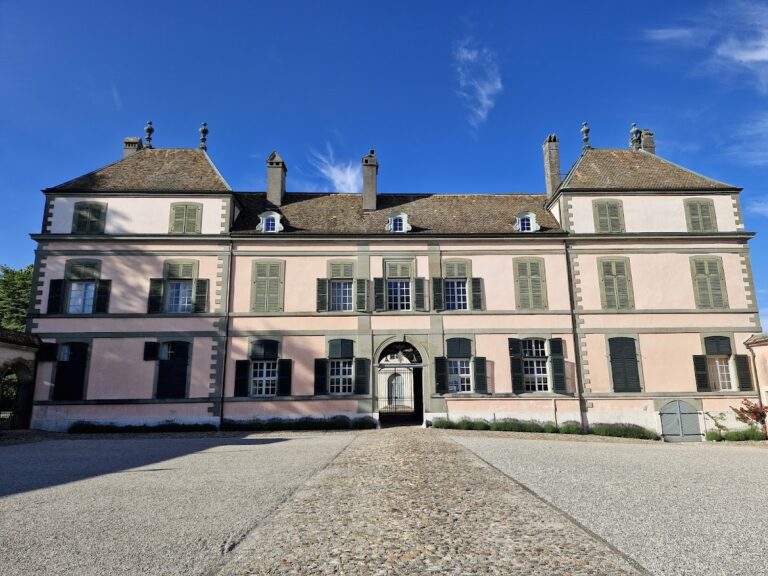
Bellerive Castle is a seventeenth-century fortified château in Switzerland, in the municipality of Collonge-Bellerive, Canton of Geneva. Construction began in 1666 under Charles-Emmanuel II, Duke of Savoy, on land that had belonged to the Journal family of Collonge during the fifteenth and sixteenth centuries. The building was initially planned as a salt depot on Savoyard territory.
The depot was intended to help salt transported across Lake Geneva between Burgundy and Savoy bypass Geneva after the city increased its salt tax. Its increasingly defensive appearance, however, created a serious dispute between Savoy and Geneva. Geneva and Bern considered the project contrary to the Treaty of Saint-Julien, an agreement between Geneva and Savoy that included restrictions on building fortifications near Geneva.
Revised construction and later ownership
Tensions declined after Charles-Emmanuel II died. His successor, Victor-Amadeus II, ordered changes to the plans, and the castle was built between 1668 and 1672. The revised design aligned the building more closely with its practical role as a fortified granary, a storage building protected by defensive features rather than a fortress intended primarily for warfare.
Bellerive Castle became national property during the French Revolution in 1789 and was later sold to private owners. From 2003 to 2019, it belonged to the heirs of Prince Sadruddin Aga Khan, who had served as United Nations High Commissioner for Refugees. The property was later reportedly acquired by Dinara, identified as a daughter of Kazakhstan’s president Nursultan Nazarbayev, in the late 2010s or early 2020s. Bellerive Castle is listed as a Swiss heritage site of national significance.
Remains
Fortified château and harbor entrance
The surviving building has the appearance of a fortified château rather than an ordinary salt depot. Its defensive form includes two towers, artillery pieces, and a port or harbor entrance that could be closed with chains. These elements express the revised conception of the building as a fortified granary, combining storage with protection for supplies. The château stands within the territory of Collonge-Bellerive in the Canton of Geneva.
Nearby sites