Château de Fléville: A French Renaissance Residence in Lorraine


Site at a Glance
- Rating
- 4.5
- Popularity
- Low
- Country
- France
- Primary era
- Early Modern
- External website
- Open
- Eras represented
- Medieval, Early Modern
- Civilizations
- Duchy of Lorraine, Holy Roman Empire
- Site type
- Domestic
- Remains
- Castle
On this page11 sections
History
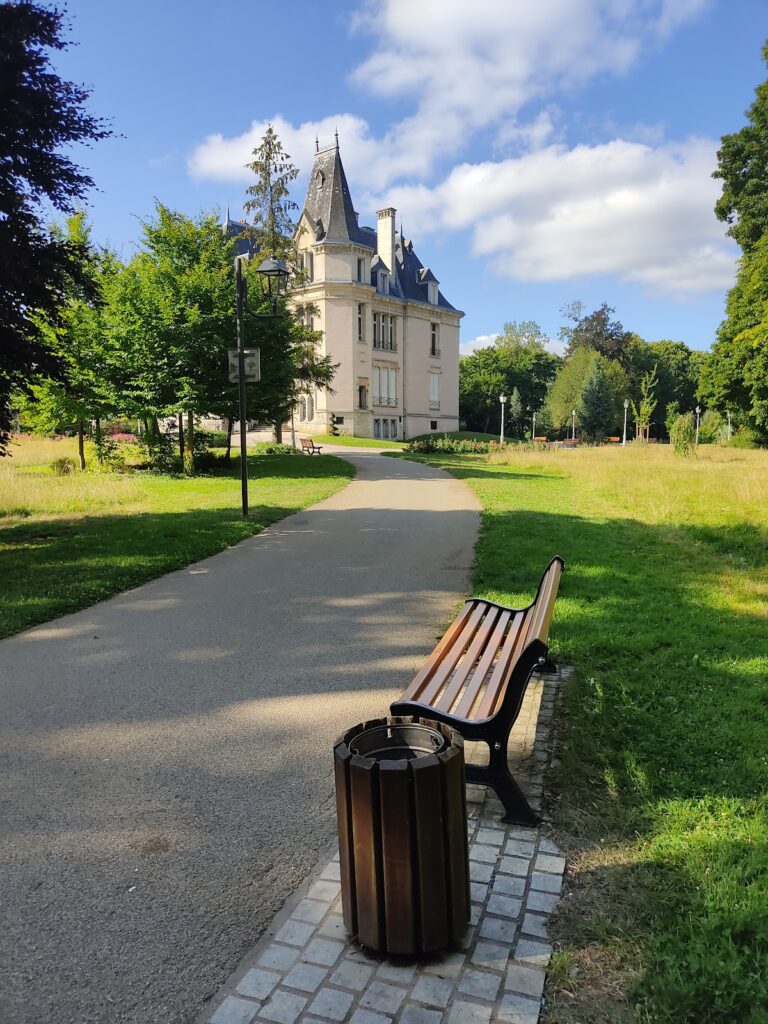
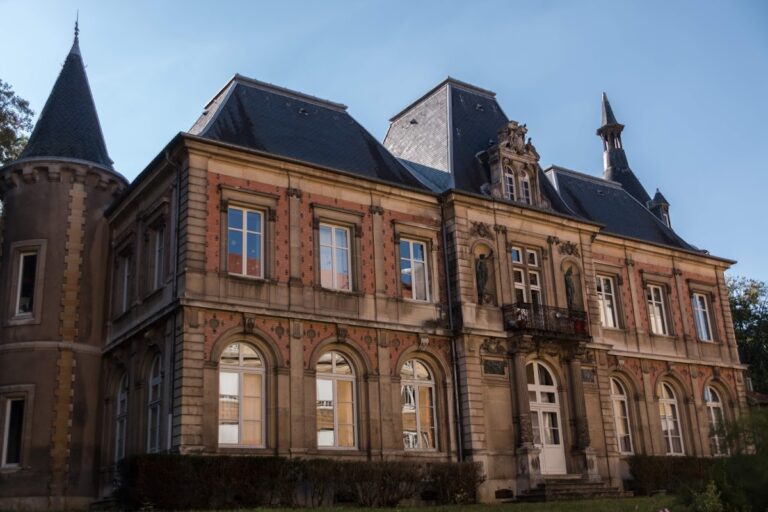
Château de Fléville is a French Renaissance residence in France, in Fléville-devant-Nancy, within the former Duchy of Lorraine. Its medieval donjon was built in 1320, while the present château was completed in 1533 as a residential building in the early French Renaissance style. The architect is unknown.
From feudal castle to Renaissance residence
The sixteenth-century château was constructed against and around the earlier feudal castle. This arrangement preserved elements of the medieval complex, including its dry moat, while creating a new residence suited to Renaissance architectural ideals in Lorraine.
Survival through war and later residence
After the Thirty Years’ War, the major European conflict fought from 1618 to 1648 amid political and religious rivalries, Louis XIII ordered Cardinal Richelieu to spare Château de Fléville. Richelieu, the king’s chief minister and a leading figure in French state policy, consequently left the château among the few châteaux in Lorraine to survive the destruction of that period.
The Lambel family has lived at Château de Fléville since 1812, and the building remains a residence. Its château received historic-monument protection in 1982, followed by separate protection for the garden in 1991. The surrounding site was classified in 1997, with a further historic-monument classification issued in 2007. The park also holds the French designation “Remarkable Garden,” used for gardens recognized for historical, botanical, or design significance.
Remains
Château de Fléville is organized around a French Renaissance château attached to a 30-metre-high medieval donjon. The later building incorporates parts of the feudal complex, while the long-drained moat continues to define the earlier fortified setting. The estate also includes furnished interiors, an eighteenth-century courtyard, and a 20-hectare park combining formal and romantic garden designs.
Medieval defenses and Renaissance château
The medieval donjon
The donjon, the principal fortified tower of a medieval castle, rises 30 metres beside the Renaissance residence. Built in 1320, it survives as the dominant medieval element of the complex and is physically attached to the château completed in 1533.
The moat and courtyard
The feudal complex retains its long-drained dry moat, whose surviving form records the defensive arrangement that preceded the Renaissance residence. The courtyard was opened in the eighteenth century and is decorated with rocaille vases. Rocaille is a shell- and rock-inspired ornamental style especially associated with that period.
The Renaissance façade
The principal château has a continuous balcony crossing its façade. This unusual feature reflects the influence of Italian architecture on the Renaissance in Lorraine. The building’s clear architectural lines have led to comparisons with Château d’Azay-le-Rideau, the Renaissance château in the Loire Valley known for its architectural composition and setting on an island in the Indre River.
Interiors and landscaped grounds
The furnished interior
The interior remains fully furnished and includes Renaissance wood panelling and a chapel. The Hall of the Estates of Lorraine, a representative institution of the duchy, contains displays of Lorraine coats of arms. Another chamber is associated with Stanislas Leszczyński, the Polish king who later became Duke of Lorraine.
The park and garden features
The 20-hectare park contains a kitchen garden, an orchard, and a rose garden. It was originally laid out as a French formal garden, before part of the grounds was transformed into a romantic landscape garden. Behind the orangery, a trompe-l’oeil decoration created around 1680 survives with a belvedere. The trompe-l’oeil is an illusionistic painting intended to make a flat surface appear three-dimensional, while a belvedere is an elevated viewpoint or structure designed to provide a broad view. The decoration was restored in 2004.