Karaftu Caves: A Natural-Historical Cave Complex in Iran
Site at a Glance
- Rating
- 4.6
- Popularity
- Very Low
- Country
- Iran
- Primary era
- Medieval
- Eras represented
- Medieval
- Civilizations
- Ilkhanate
- Site type
- Religious
- Remains
- Sanctuary
On this page10 sections
History
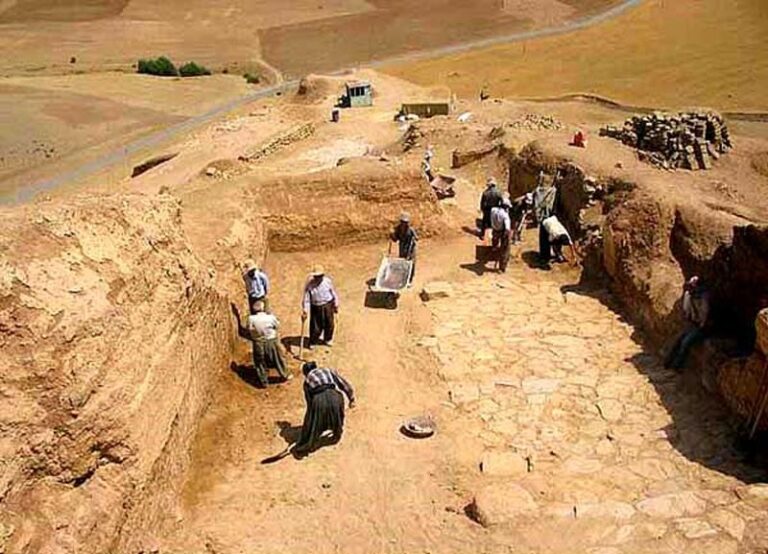
Karaftu Caves are a natural-historical complex in Iran, in the Havatu area of Kurdistan Province between Saqqez and Divandarreh. Human habitation at the caves extends back approximately 3,000 years and continued through the Islamic era, with the site also associated with the Median, Achaemenid, Seleucid, and late Islamic periods. Its human-made spaces were carved into a natural limestone formation and were used in different periods as shelters, settlements, a sanctuary, crypts, a place for keeping herds, and a castle or residence for local people.
Early and Hellenistic periods
The complex is linked with the Medes, an ancient Iranian people and ruling power based in western Iran before the Achaemenid Persian Empire, as well as with the Achaemenids, the Persian imperial dynasty associated with rulers such as Darius. Later use is connected with the Seleucids, the Hellenistic dynasty that ruled parts of the former empire of Alexander the Great, including territories in Iran. These successive associations reflect the long use of the caves as both an inhabited and possibly religious environment.
The religious function of Karaftu remains a matter of interpretation. Some researchers regard the cave as a sanctuary of Heracles, the Greek mythological hero known in Roman tradition as Hercules, because of a Greek inscription above a room on the third floor. Other research connects the complex with the worship of Mehr, or Mithra, an ancient Indo-Iranian deity whose worship later developed into the Roman Mithraic tradition. The inscription and the cave’s form have therefore contributed to continuing discussion of its religious role rather than establishing a single agreed interpretation.
Islamic-period use and later study
The caves continued to serve local communities during the Islamic era, including the Ilkhanid period, when the Mongol Ilkhanate ruled Iran and neighboring regions in the thirteenth and fourteenth centuries. A mihrab, a niche indicating the direction of prayer in Islamic religious architecture, is associated with this Mongol-period use. The complex thus remained active after its earlier settlement and religious phases.
Iranian and foreign researchers studied Karaftu from at least the nineteenth century, producing descriptions, plans, and discussions of its form and possible functions. A graffiti inscription carved by the Russian Orientalist Khanikaev records his visit in 1917. Karaftu Cave was added to Iran’s national cultural-property list in 1940 under registration number 330 and is protected by legal and preservation guidelines. The Natural-Historical Complex / Cave of Karaftoo was submitted to UNESCO’s Tentative World Heritage List in 2017 under cultural and natural criteria.
The complex forms part of the Abdurrazagh preserved area, a protected environmental region described as one of western Iran’s richest ecological areas. Its natural and cultural values are considered together as evidence of long-term interaction between human settlement and the surrounding environment. The wider historical landscape has also been associated with a cultural-historical triangle that includes Zivieh Castle and the Takht-e Soleyman historical complex.
Remains
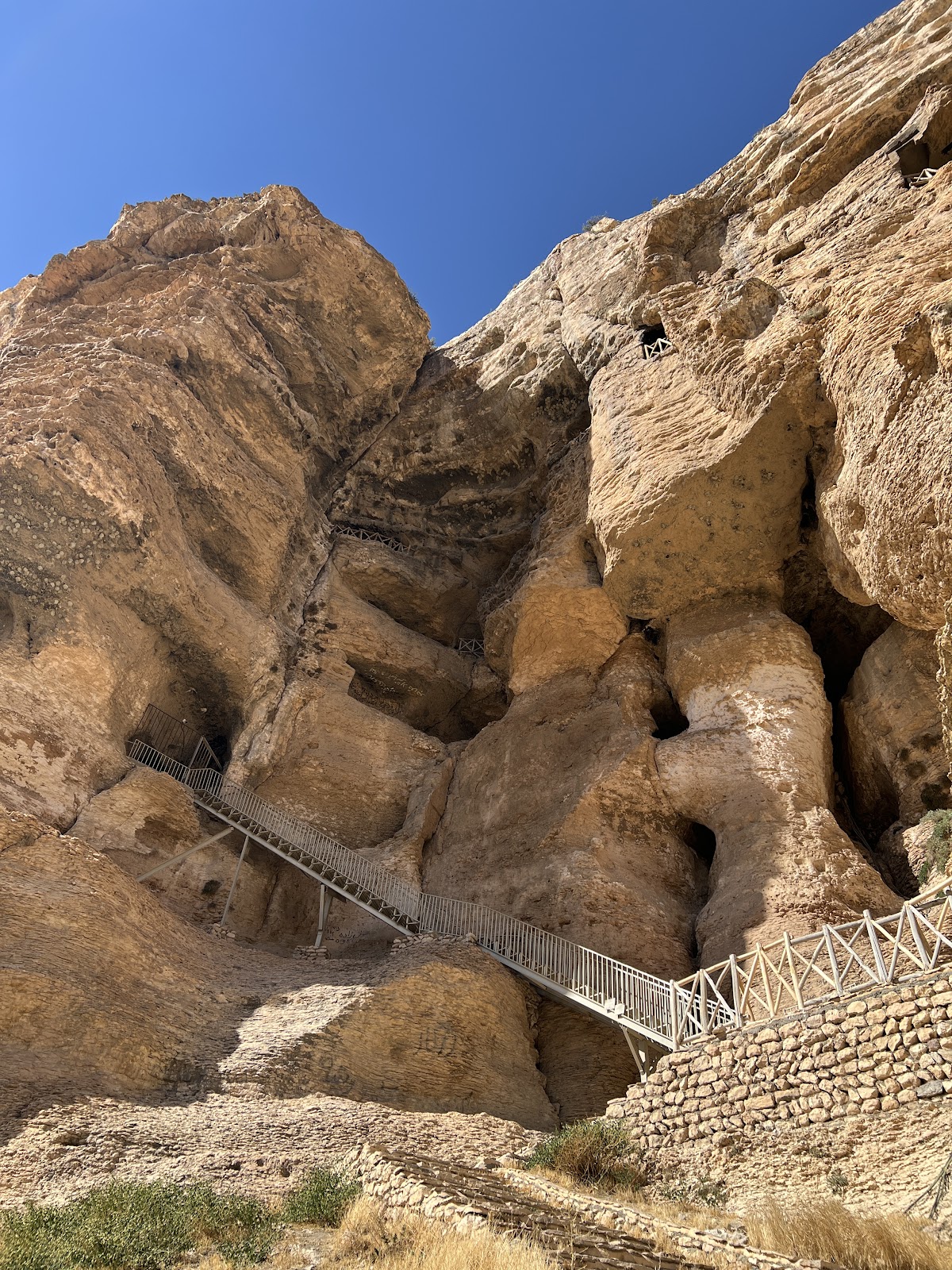
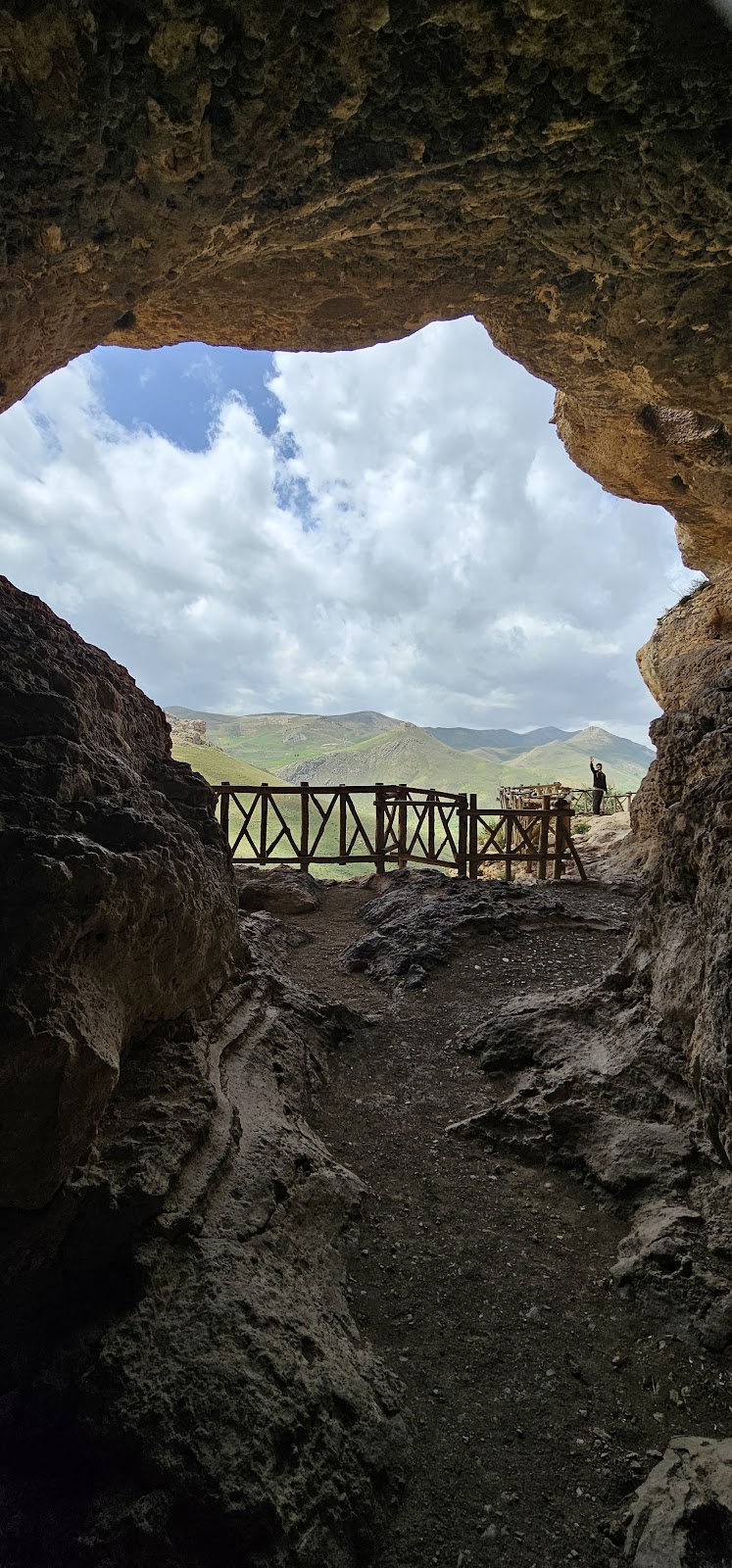
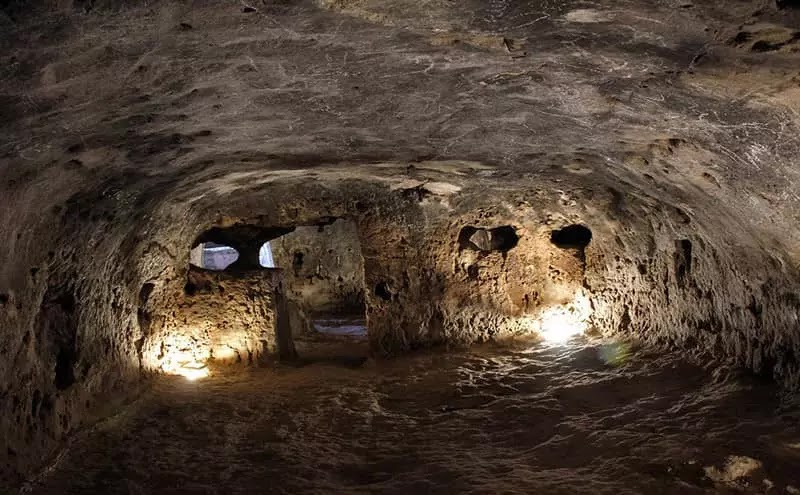
Karaftu combines natural limestone caverns with spaces excavated and organized within the rock. The caves developed through geological processes, including erosion after the limestone emerged from water, and are generally placed in the Mesozoic Era. Mineral cave formations, known as speleothems, also occur within the complex. The site occupies a massive limestone rock on a slope of approximately 45 degrees. The rock is described as about 1,500 metres long and 700 metres wide, while the cave system extends for approximately 750 metres. The entrance now lies about 20 to 25 metres above the surrounding hills, and water and springs occur both inside and outside the complex.
Rock-cut architecture
Rooms and circulation
The human-modified section occupies four floors connected by rooms, corridors, passageways, and stairs cut directly into the limestone. More than nine rooms form a geometrically and structurally organized complex that resembles a building made with conventional materials. The arrangement shows how natural cavities were enlarged and connected to create an extensive interior settlement rather than a single isolated shelter.
Third-floor rooms
The third floor contains the most elaborate rock-cut architecture. Its rooms, ceilings, windows, entrances, and stairs were carved with particular precision, and some ceilings use semicircular Roman-arch forms associated with Roman architectural tradition. Circular reliefs appear above windows, while the decoration has been compared with Median-period work at Nooshijan Tepe in Hamadan Province.
Inscription and wall imagery
A Greek inscription above the entrance to a third-floor room refers to Heracles and translates as, “This is the home of Heracles; whoever enters is safe.” Human, animal, plant, and geometric motifs occur on the walls of rooms and corridors across all four floors. These painted or carved forms, together with the rooms and passageways, contribute to research on ancient settlement architecture and possible Mehr- or Mithra-related cave sanctuaries.
Landscape and natural features
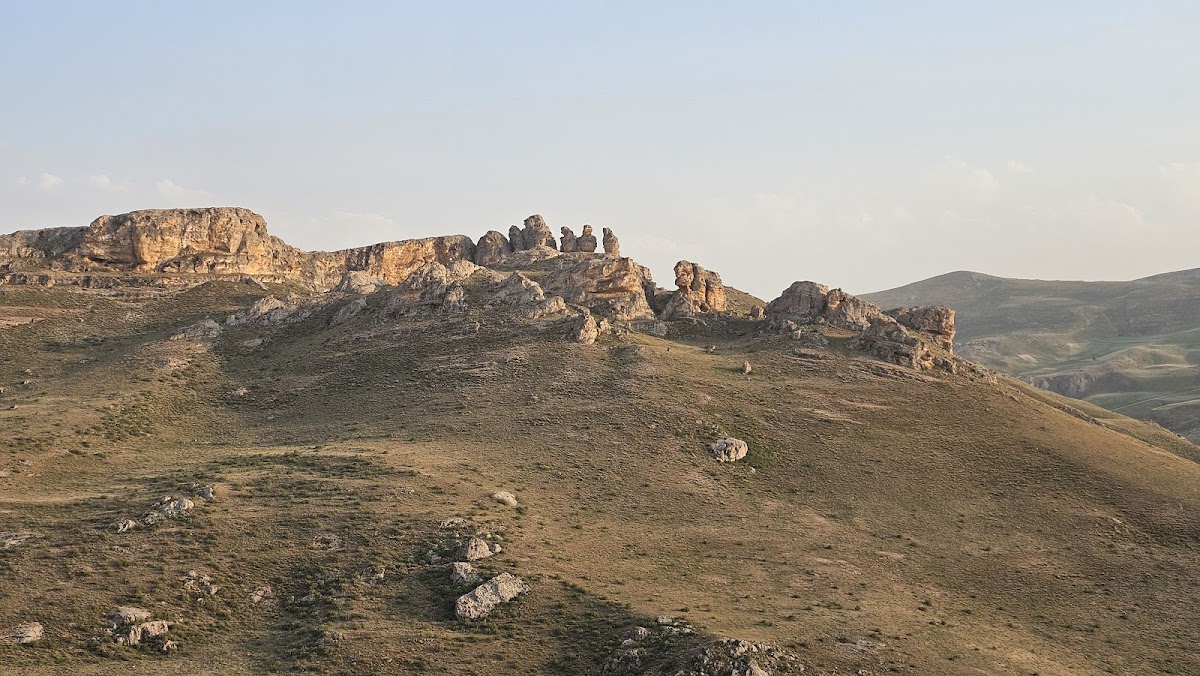
The caves are set into a large cliff opposite another natural rock formation to the south. Together, the formations create a syncline, a geological fold in which rock layers dip toward a central trough and can produce a valley. Mechanical erosion formed irregular rock columns to the southwest and east, including the prominent Panje heights. Three columns south of Panje resemble human figures from a distance and are locally called the “Three Girls.”
The surrounding preserved landscape contains more than 120 animal species and a range of local plants. Wildlife associated with the area includes a golden-headed eagle described as threatened with extinction, the Egyptian vulture, bats, and a cave-dwelling white mouse. The limestone cliffs, springs, rock formations, vegetation, and wildlife form part of Karaftu’s natural-historical character alongside its carved interiors.
Later marks and religious feature
A corridor linking the first and second floors preserves graffiti carved by Khanikaev in connection with his 1917 visit. The cave’s Islamic-period use is also represented by the identified mihrab, which indicates a place oriented toward prayer. These later features remain within the older rock-cut environment and add evidence for the complex’s continued use across changing historical periods.