Saint-Thamar Castle: A Historic Residence in Terrou, France


Site at a Glance
- Rating
- 5
- Popularity
- Very Low
- Country
- France
- Primary era
- Early Modern
- Eras represented
- Medieval, Early Modern
- Civilizations
- French
- Site type
- Domestic
- Remains
- Castle
On this page7 sections
History
Medieval and Early Modern Origins
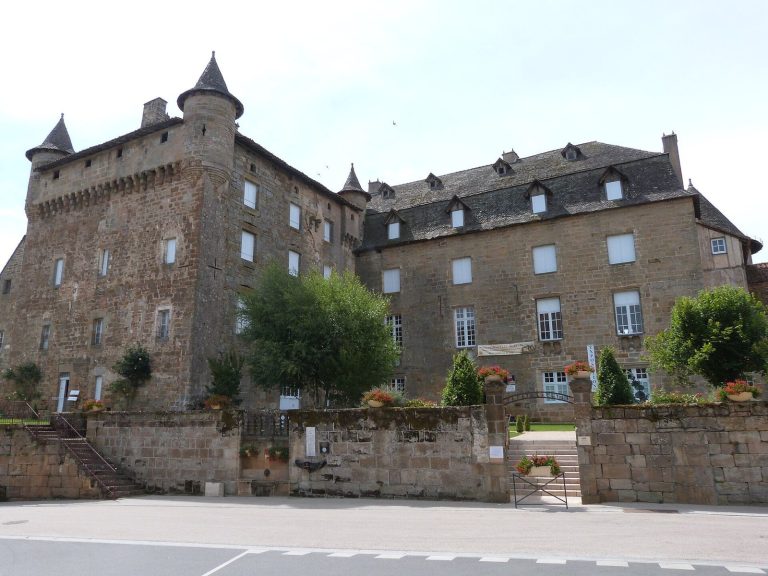
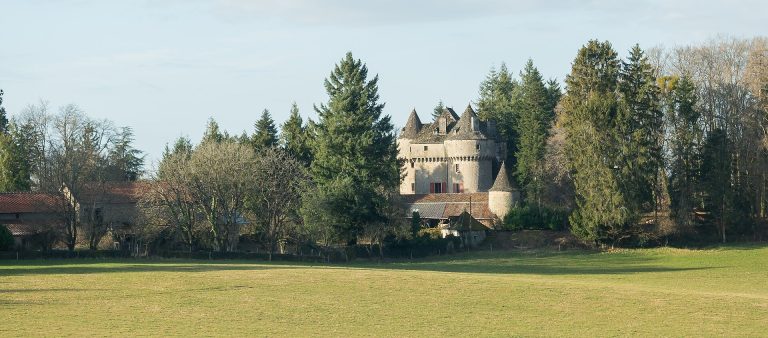
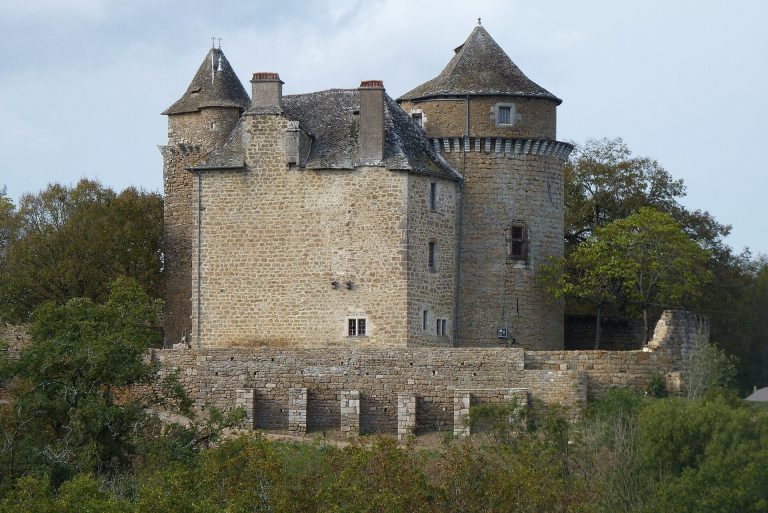
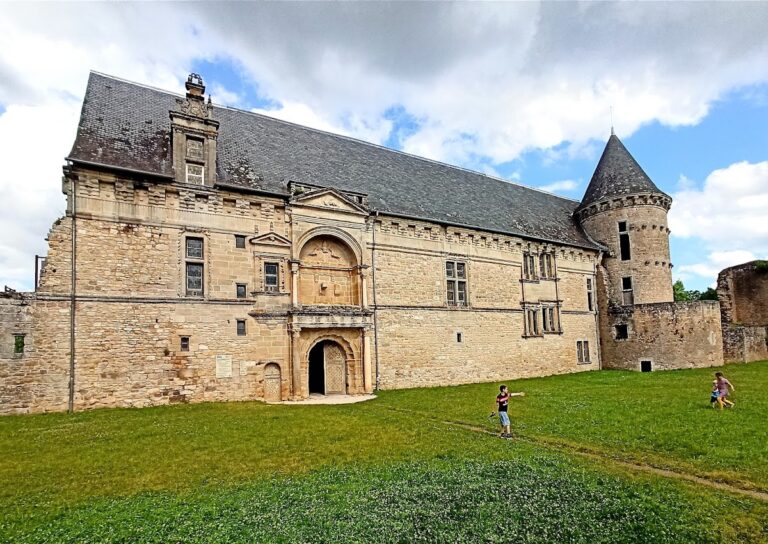
Saint-Thamar Castle is a historic castle in France, situated at Terrou above the Bave valley. A fortified residence occupied the site from the thirteenth century, while the present château dates from the fifteenth century. It became an old fief of the Colomb family, glassmakers who arrived in Quercy, a historic province of south-central France around the Lot and Aveyron valleys, in 1469 and settled at Terrou around 1510.
The Colomb family remained associated with the estate for centuries. Their work as glassmakers brought them into wider regional prominence, and in the seventeenth century they supplied glass for the Palace of Versailles. The Saint-Thamar branch later became Protestant. In 1687, Thamar de Colomb, lord of Saint-Thamar, married Françoise d’Escayrac de Malaval and converted to Catholicism.
Seventeenth- and Eighteenth-Century Transformation
The château was transformed in the late seventeenth century, and its main body was largely rebuilt during the eighteenth century. These alterations reshaped the medieval and fifteenth-century residence into the form associated with the later estate, while preserving the site’s long connection with the Colomb family.
Revolutionary and Nineteenth-Century Ownership
Saint-Thamar Castle passed through the French Revolution without damage. François de Colomb de Saint-Thamar was well regarded locally and served as mayor of Terrou from 1800 to 1806, from 1808 to 1831, and again from 1859 to 1870.
Jacques Félix de Colomb de Saint-Thamar died without an heir in 1873. His sister, Marguerite Louise Françoise Adeline, had married Balthazar Joachim de Lachièze de Briance in 1822, and the Lachièze de Briance family inherited the château that year. Jacques de Gaches de Venzac later inherited it through his mother, Jeanne de Lachièze de Briance, but was killed during the First World War in 1918. After remaining within the same family for five centuries, the château was sold to the Parisian Soulié family in 1934.
Wartime Damage and Later Protection
During the Second World War, the Soulié family sheltered and protected Jewish families. Terrou also served as a base for the region’s maquis, rural groups of the French Resistance that opposed German occupation and the Vichy regime. The 2nd SS Division Das Reich, a German Waffen-SS formation operating in France, damaged the château and burned one wing. Villagers prevented the fire from spreading to the rest of the building. Terrou was one of 17 French villages to receive the Resistance Medal.
The Soulié family sold the estate in 1956. Saint-Thamar Castle has since remained privately owned and used as a private residence. It was listed as a French historic monument on 17 June 1975, a legal heritage-protection status for buildings and cultural sites recognized for historical or architectural importance.
Remains
Castle and Surviving Fabric
Saint-Thamar Castle stands above the Bave valley in the commune of Terrou. Its physical history combines a thirteenth-century fortified residence, a fifteenth-century château, and later alterations made in the seventeenth and eighteenth centuries. The main body was largely reconstructed in the eighteenth century. One wing was burned during the Second World War, while the remainder survived the fire after villagers intervened, although the attack caused other damage to the building.