Castello Malaspina (Filattiera): A Medieval Residence and Fortification in Italy
Site at a Glance
- Rating
- 4.2
- Popularity
- Very Low
- Country
- Italy
- Primary era
- Medieval
- Eras represented
- Medieval, Modern
- Civilizations
- Holy Roman Empire
- Site type
- Domestic
- Remains
- Castle
On this page8 sections
History
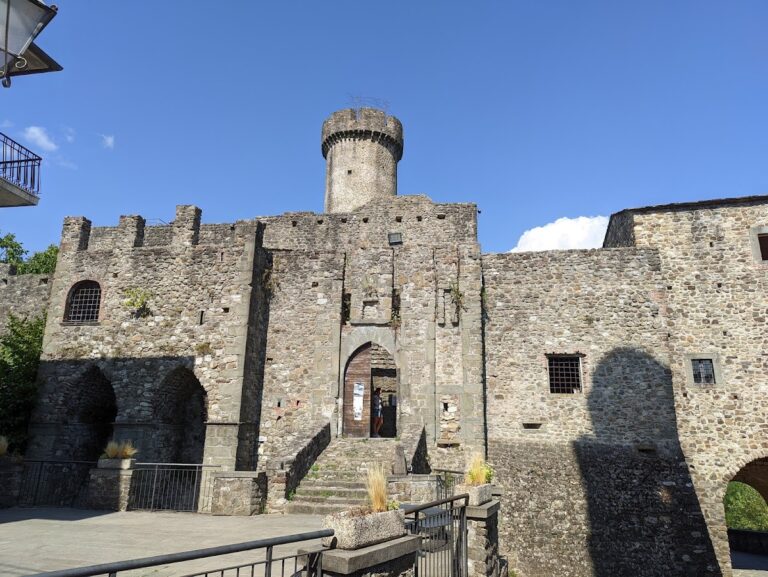
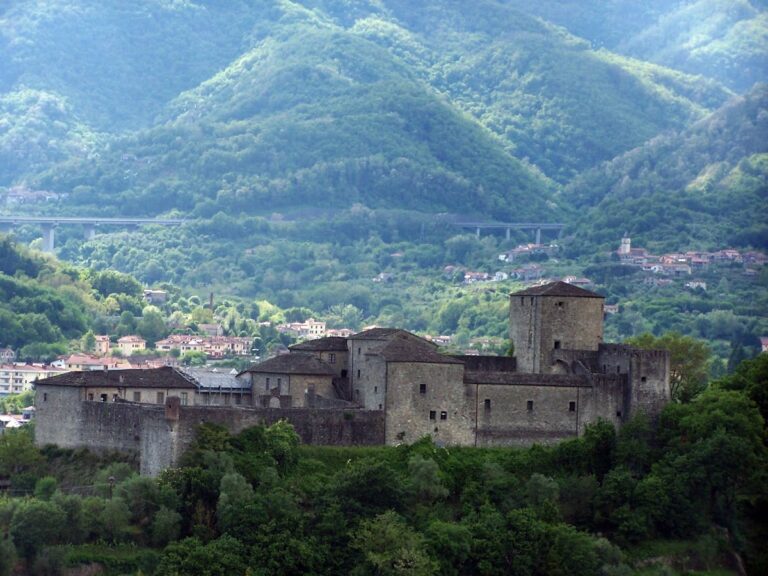
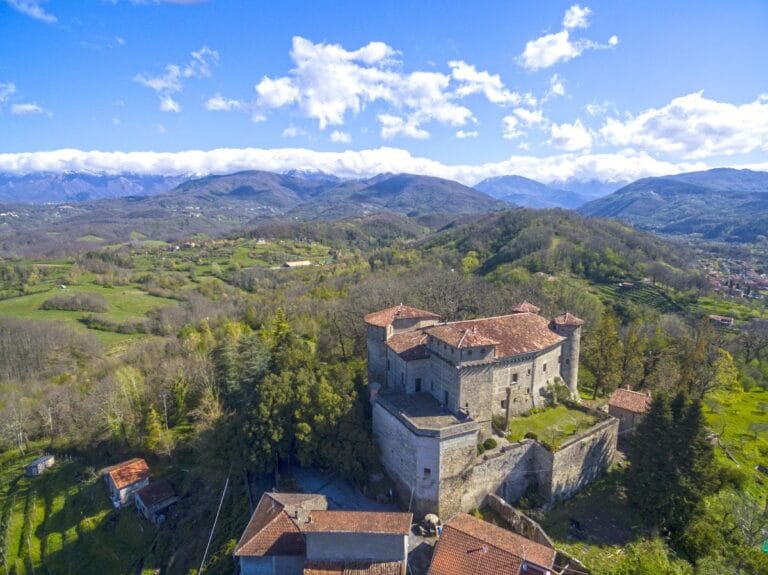
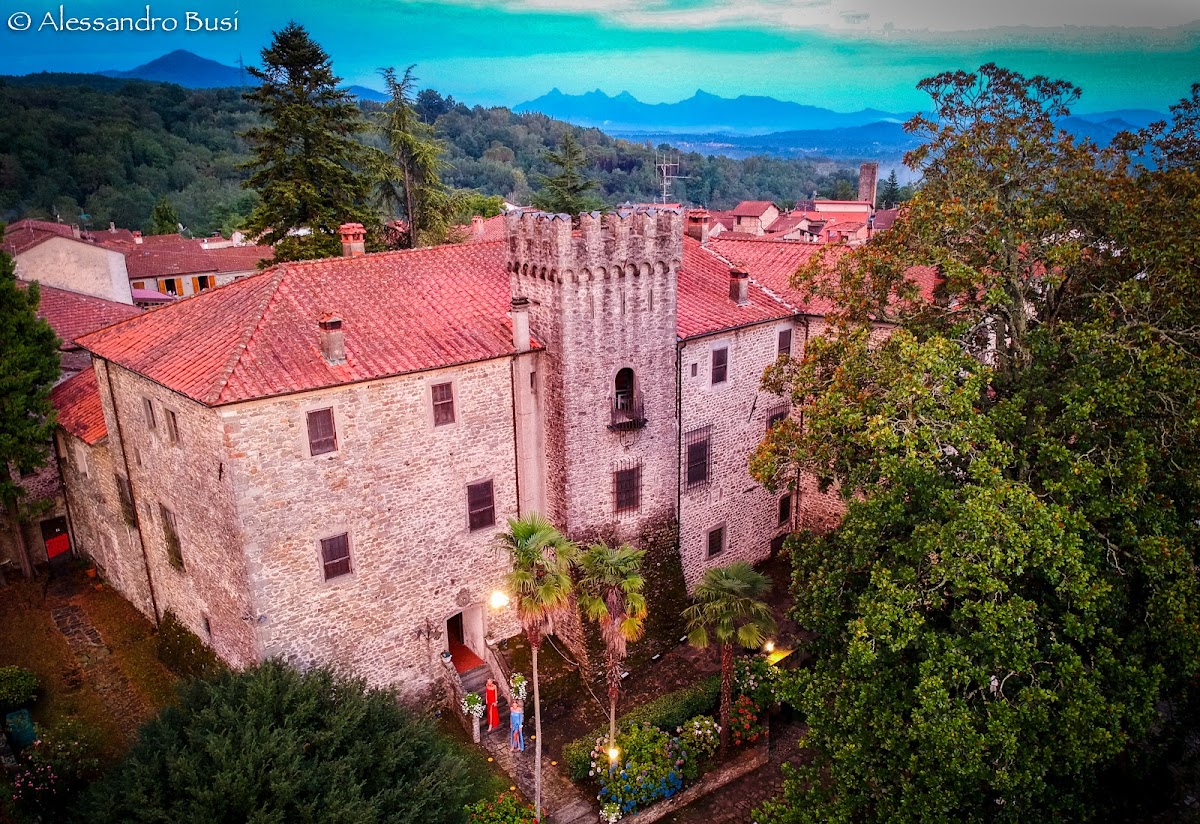
Castello Malaspina is a Renaissance-style stone fortification in Filattiera, Italy, built on the initiative of the Malaspina family during the second half of the fourteenth century. It served both as a residence within the village and as a defense for the Magra River plain and the Via Francigena, the major medieval pilgrimage route leading toward Rome.
The Malaspina foundation
The castle belonged to a branch of the Malaspina dello Spino Fiorito, part of a medieval and early-modern aristocratic family whose territories and branches were concentrated in Lunigiana and adjoining areas of northern Tuscany and Liguria. The new stronghold replaced the earlier thirteenth-century Castle of San Giorgio, which survives through its tower and church.
Transformation into a palace
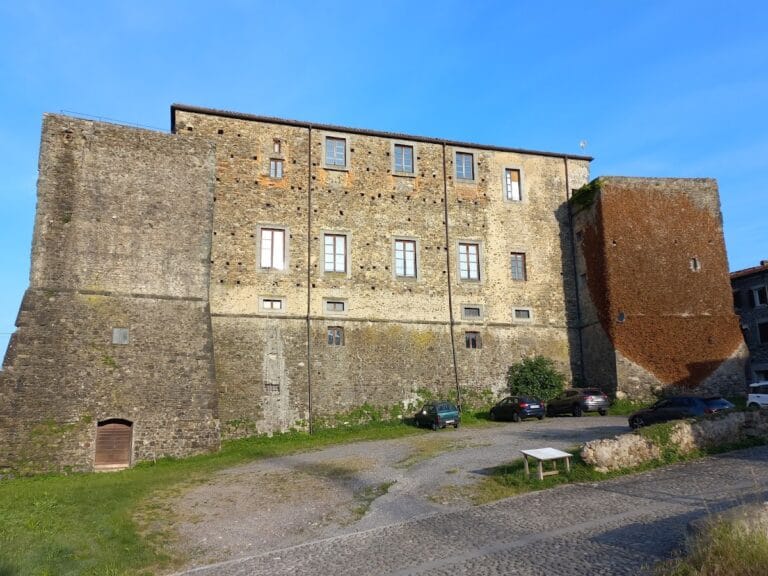
During the last two centuries, Castello Malaspina underwent substantial alterations and was transformed from a fortified residence into a residential palace. It remains a private residence and is designated Italian national heritage.
Remains
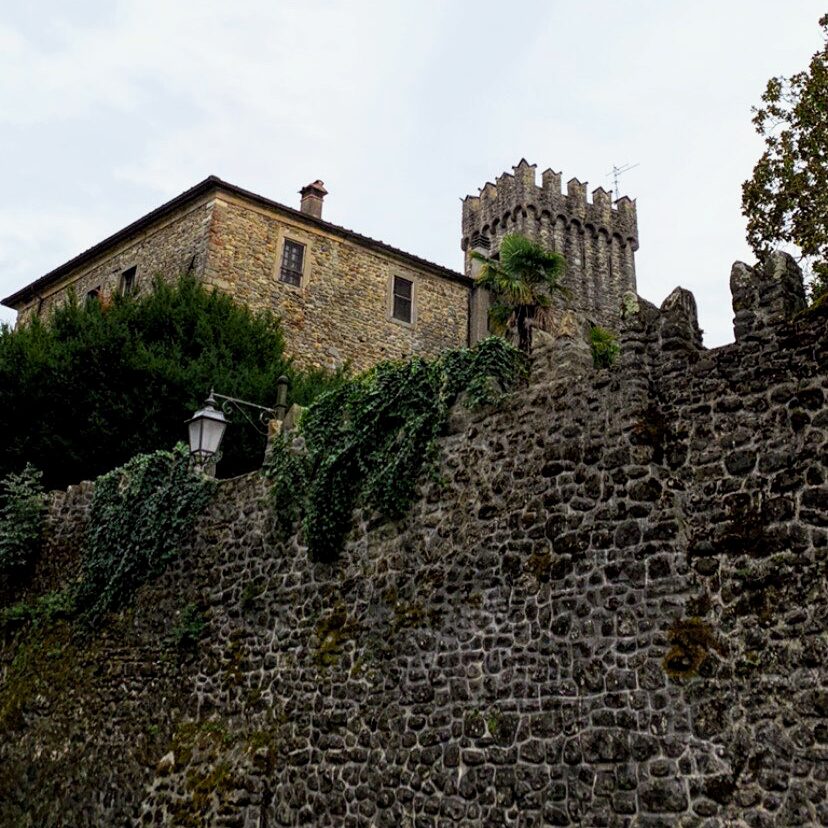
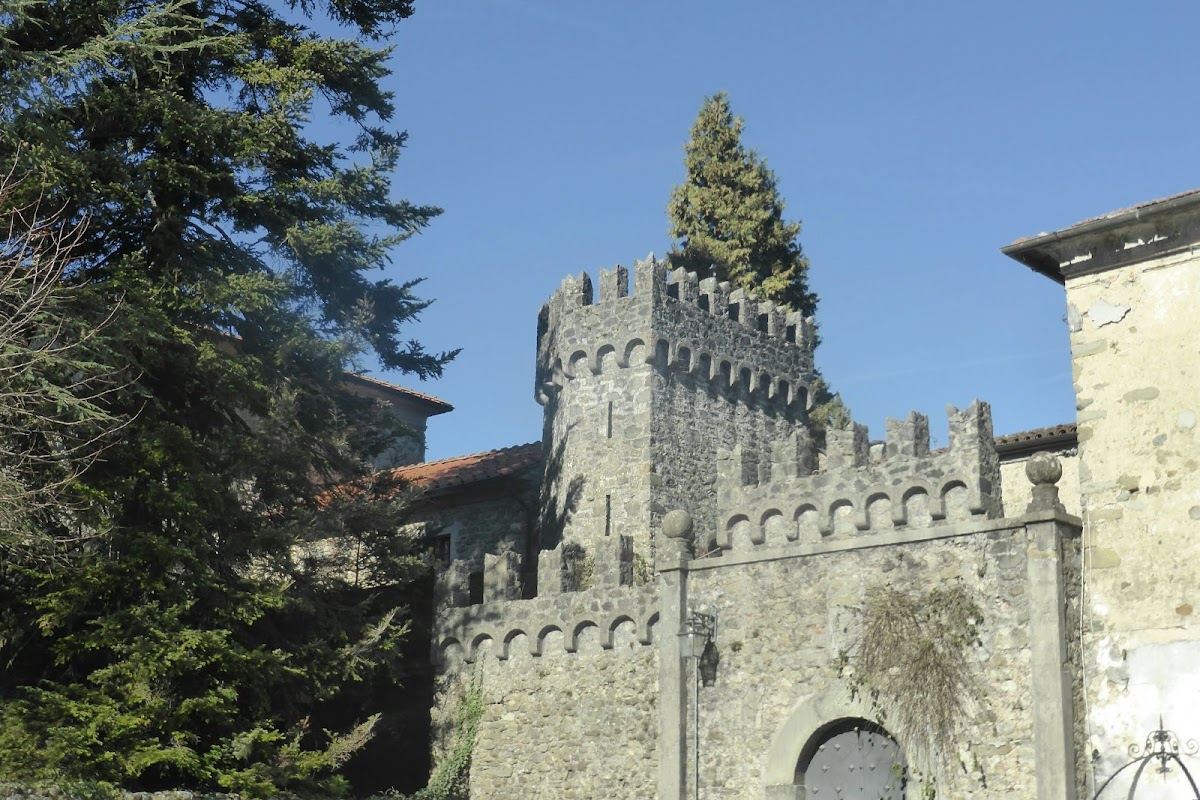
The castle stands at the entrance to Filattiera’s historic center as an imposing stone complex. Its surviving fabric combines the original medieval fortification with later changes to its residential form, while elements of the wider defensive setting remain visible around it.
Interior and surrounding defenses
Medieval rooms
Inside the building are three large rooms of original medieval construction. Each is covered by a barrel vault, a continuous tunnel-like curved vault used to roof an elongated interior space.
Moat and garden
The moat surrounding the castle was renovated in the fifteenth century. It was later filled in and converted into a garden, preserving the outline of a defensive feature while giving the area a different function.
Walls, towers, and the Castle of San Giorgio
Visible portions of Filattiera’s town walls incorporate traces of earlier construction, and parts of several medieval towers also survive. The preceding Castle of San Giorgio is represented by its tower and church, the remaining elements of the thirteenth-century complex replaced by Castello Malaspina.