Castello del Piagnaro: Medieval Fortress of Pontremoli


Site at a Glance
- Rating
- 4.5
- Popularity
- Medium
- Country
- Italy
- Primary era
- Early Modern
- External website
- Open
- Eras represented
- Medieval, Early Modern
- Civilizations
- Holy Roman Empire
- Site type
- Military
- Remains
- Castle
On this page10 sections
History
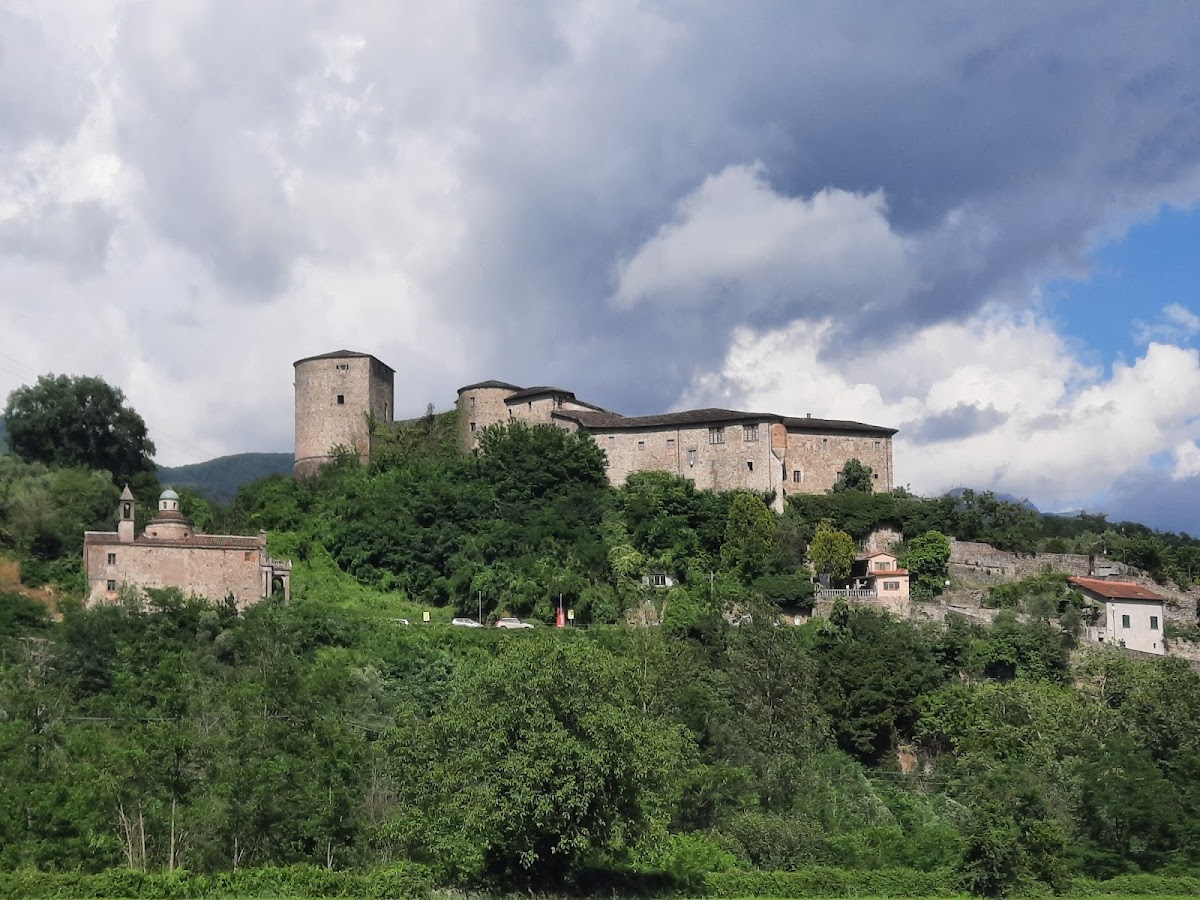
Castello del Piagnaro is a medieval fortification in Pontremoli, Italy, built at the beginning of the eleventh century by the Lombard-origin Adalberti family. Rising on a hill north of the town, it formed part of Pontremoli’s defensive system and controlled communications toward the Apennines, including the Via Francigena, a major medieval pilgrimage and travel route leading toward Rome, as well as the routes of the Bratello and Cisa.
Adalberti and Malaspina rule
The castle was established at the initiative of the Adalberti and later passed to a branch of the Malaspina, a medieval noble house of northern Italy, known as the Malaspina dello Spino Fiorito. Its position gave it a continuing military and communications role within the wider system of town walls and towers at Pontremoli.
Destruction and rebuilding
Castello del Piagnaro was repeatedly destroyed during conflicts involving imperial troops and the inhabitants of Pontremoli. Its first recorded destruction came in 1329, when Guelph and Ghibelline forces joined against the vicar of Louis of Bavaria. The Guelphs and Ghibellines were rival Italian political factions broadly associated with the papacy and the Holy Roman Emperor, while Louis of Bavaria was the fourteenth-century emperor whose representative faced their opposition.
Further attacks brought additional reconstructions, restorations, renovations, and changes to the defensive system. The most substantial rebuilding took place during the seventeenth and eighteenth centuries, reflecting the castle’s continuing strategic value and its importance for medieval commercial traffic.
Military and civic uses
The fortress retained a military function until 1790. In that year, Grand Duke Pietro Leopoldo of Tuscany transferred the municipality’s last cannon so that its bronze could be melted down for the civic bell. The castle then served as the seat of military governors and later returned to use as a barracks until the early years of the Kingdom of Italy, during the second half of the nineteenth century.
After its military role ended, the complex was converted into housing for poor families. During the early twentieth century it came to be regarded as a kind of ghetto and was avoided by much of the population. Since 1975, the lower part has housed the Museum of the Lunigiana Statue-Stelae. The museum’s opening was accompanied by complete restoration of the castle’s interior and exterior. The castle is designated Italian national heritage and belongs to the Associazione dei Castelli del Ducato di Parma, Piacenza e Pontremoli circuit.
Remains
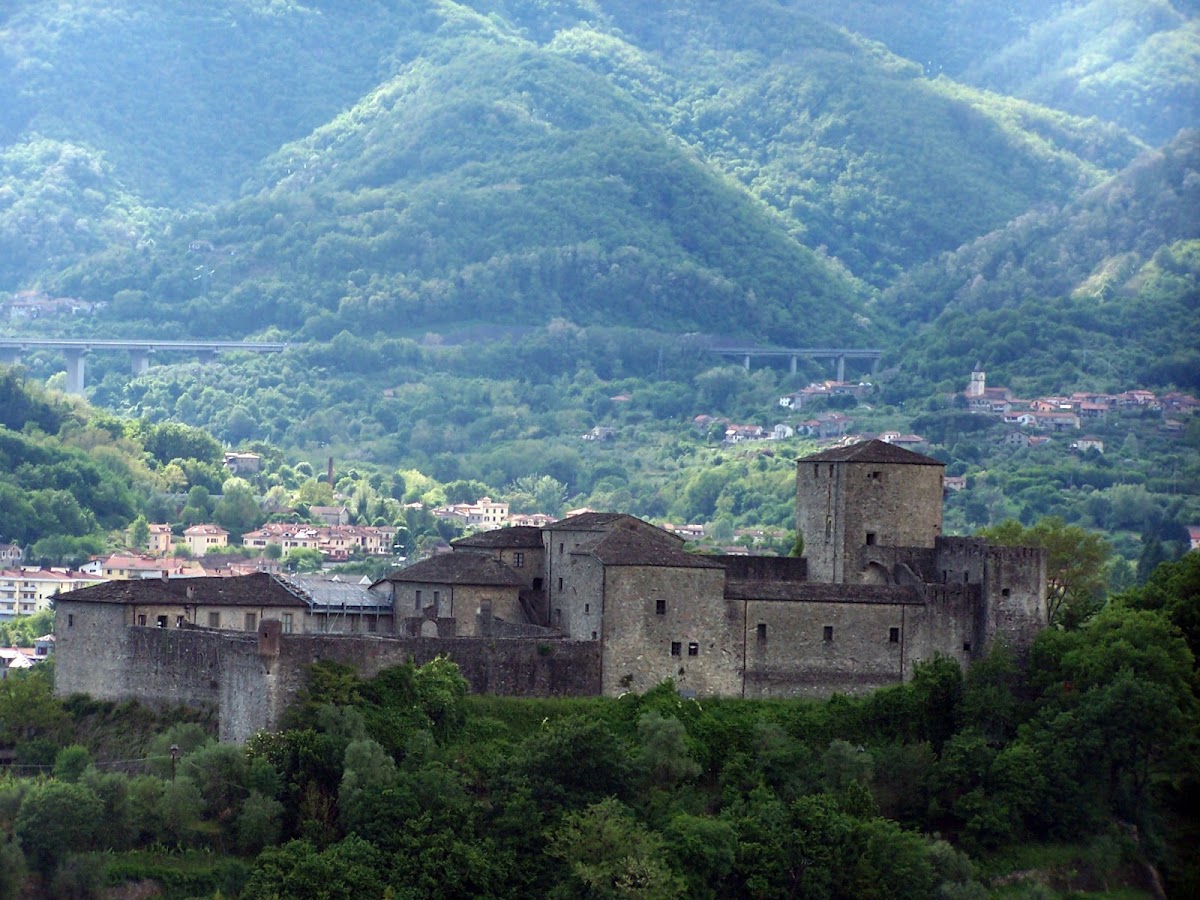
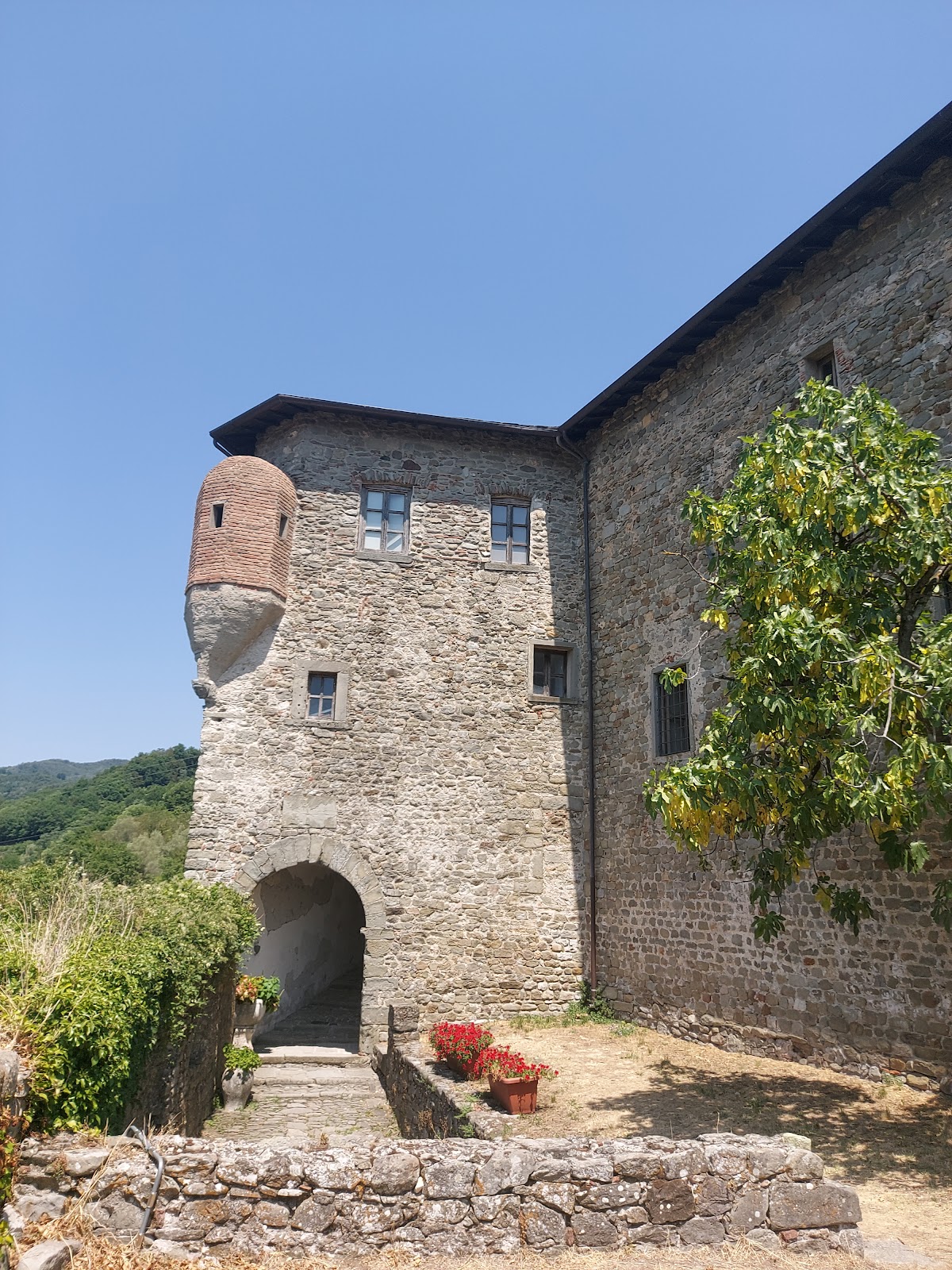
The castle occupies a hill overlooking Pontremoli and the surrounding valley. Its elevated position organized the complex around defensive and residential structures, with the central buildings set above later lower structures. The name Piagnaro derives from piagne, sandstone slabs traditionally used in Lunigiana to roof houses.
Hilltop fortress
North tower
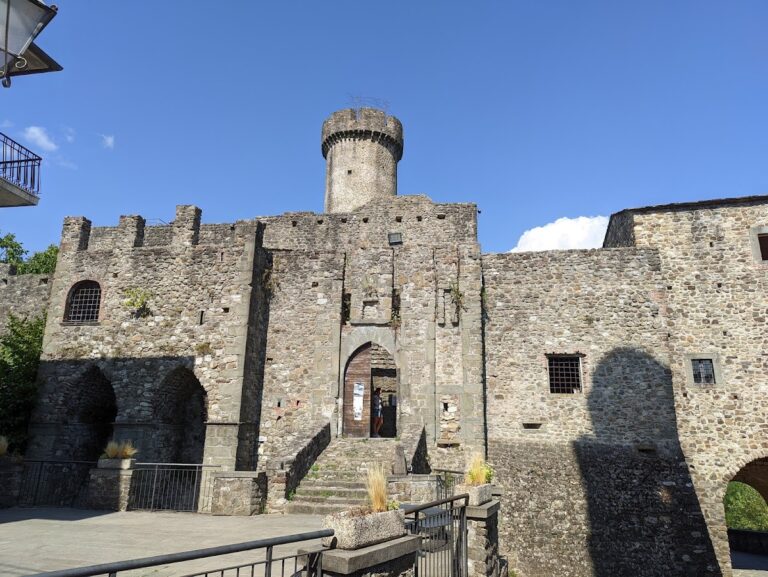
The oldest part visible today is a semicircular tower on the north side, dating from the fifteenth century. It forms the surviving defensive element of the complex’s earlier fabric and occupies the side directed toward the hill’s northern approach.
Central section and courtyard
The central section took its present form through rebuilding during the seventeenth and eighteenth centuries. It contains the current entrance, which leads into a large courtyard with an ancient well. From the courtyard, a staircase rises to a terrace overlooking the valley and Pontremoli’s built-up area.
Lower barracks complex
Farther down the hill, a later building complex contains structures with the characteristic appearance of barracks. These buildings accommodated troops during the castle’s military period and form a lower group distinct from the older hilltop fortress.
Museum rooms
The lower rooms contain the Museum of the Lunigiana Statue-Stelae. Its collections concern prehistoric carved stone monuments, commonly anthropomorphic, associated with the Lunigiana region. The museum occupies part of the restored castle complex and gives the lower section a cultural and archaeological function.
Nearby sites