Château de Hattonchâtel: A Fortified Bishops’ Stronghold in France


Site at a Glance
- Rating
- 4.4
- Popularity
- Low
- Country
- France
- Primary era
- Modern
- External website
- Open
- Eras represented
- Medieval, Modern
- Civilizations
- French, Holy Roman Empire
- Site type
- Domestic
- Remains
- Castle
On this page7 sections
History
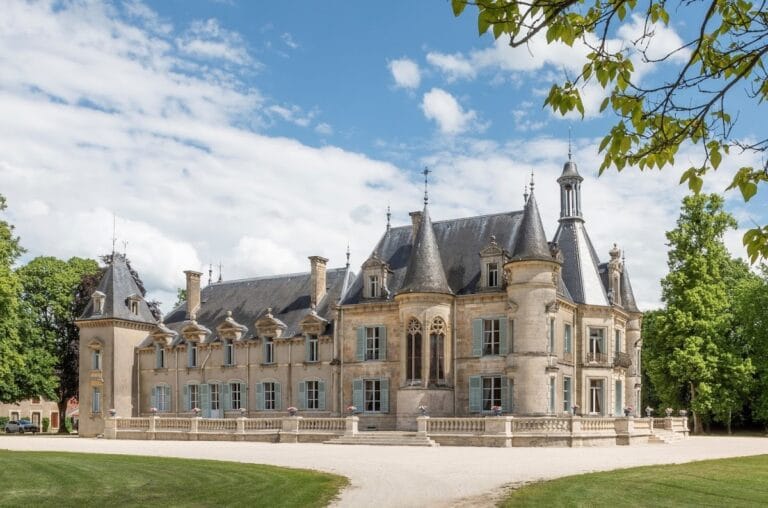
Château de Hattonchâtel is a fortified château in France, first established in 860 by Hatton, Bishop of Verdun, and now presented as a Neo-Renaissance reconstruction in the troubadour revival style, which created an idealized medieval appearance. The site occupies a rocky promontory above the Woëvre plateau, and its name derives from its medieval founder.
The bishops of Verdun
Hattonchâtel became the principal stronghold of the bishops of Verdun. Its importance was also administrative and economic, since the bishops housed their mint there until 1546. The fortified site therefore formed part of the institutional power of the bishopric as well as serving as a defensive residence.
War and reconstruction
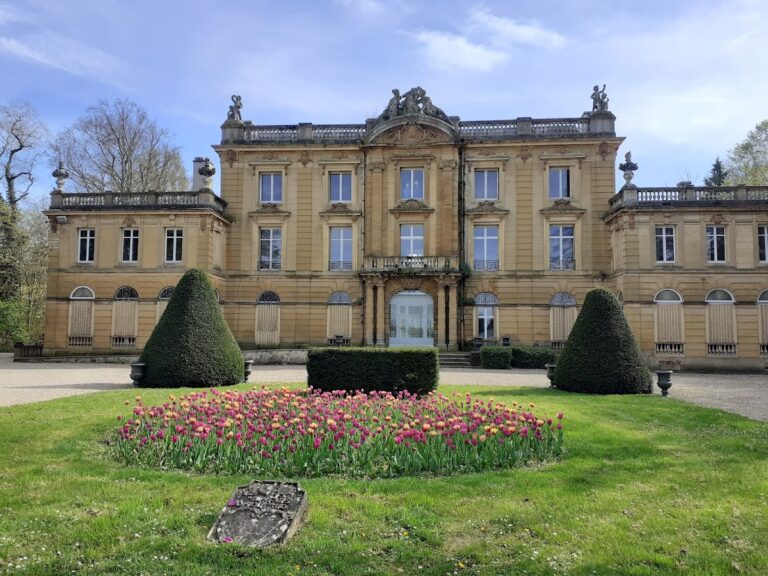
In 1636, Swedish forces retreating during the Thirty Years’ War besieged Hattonchâtel and burned most of the town. The medieval castle was later destroyed in 1918 during the First World War. Belle Skinner, an American benefactor from Holyoke, Massachusetts, financed the postwar rebuilding, and the architect Henri Jacquelin entirely reconstructed the château between 1923 and 1928. The result is described as the final troubadour-style château of Lorraine, a Neo-Renaissance pastiche that incorporates surviving remains of the eleventh-century building.
Later status
Hattonchâtel remained an autonomous commune until 1973, when it became part of the municipality of Vigneulles-lès-Hattonchâtel. An order dated 25 June 1986 protected the façades and roofs, the surviving fortification remains, and the room known as the Burgraves’ Hall as French historic monuments.
Remains
The château stands on a rocky promontory overlooking the relatively flat Woëvre plateau. Its present form combines reconstructed Neo-Renaissance buildings with surviving elements of the medieval castle, creating a complex whose physical character reflects both the destruction of 1918 and the rebuilding carried out in the 1920s.
Buildings and fortifications
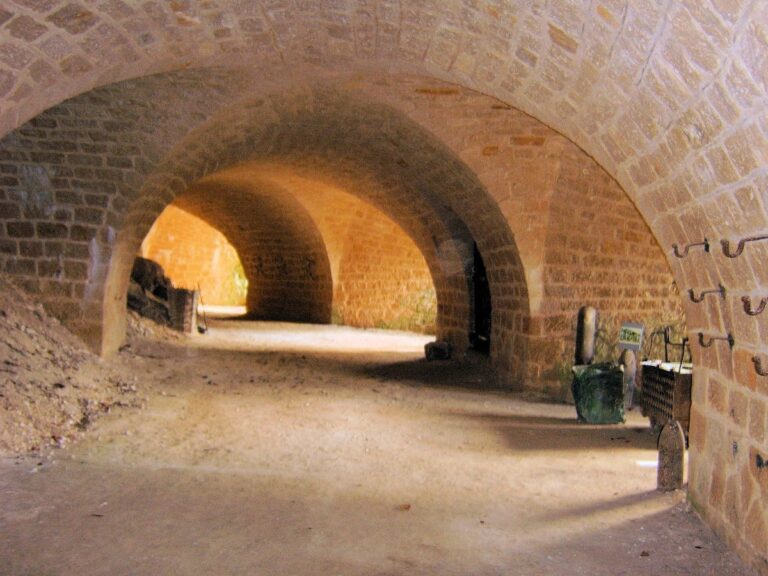
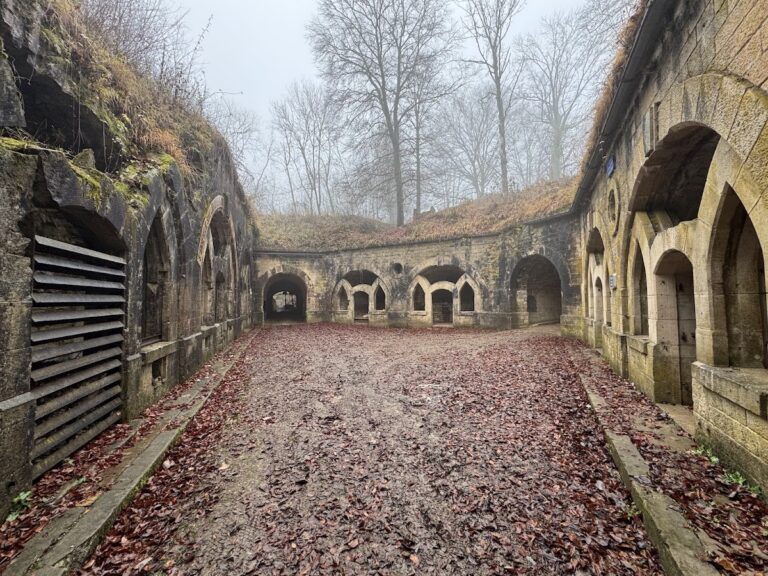
The principal surviving or reconstructed features are the building façades and roofs, remnants of the fortifications, and the Burgraves’ Hall. These elements belong to the château’s rebuilt appearance while retaining material connections with the eleventh-century castle.
Louise-Cottin Museum
The Louise-Cottin Museum, located at the château, preserves part of the work of the artist Louise Cottin, who lived there for a period. Her works add an artistic layer to the site’s architectural and historical remains.