Château de la Guerche: A Historic Castle in France
Site at a Glance
- Rating
- 4.4
- Popularity
- Low
- Country
- France
- Primary era
- Medieval
- External website
- Open
- Eras represented
- Medieval, Early Modern
- Civilizations
- French
- Site type
- Domestic
- Remains
- Castle
On this page11 sections
History
Château de la Guerche is a historic castle in France, whose present form developed from a fortified site recorded at La Guerche in 1095. Its history includes late medieval construction, close connections with the French monarchy, seventeenth-century alterations, and damage during the French Revolution.
From fortified lordship to royal vassalage
The lordship of La Guerche passed through the families of Châteaudun, Dreux, and Clermont-Nesle. In 1336, Jean de l’Isle-Ogier, a banneret knight, meaning a high-ranking medieval knight entitled to command under his own banner, acquired the lordship. It was then raised to a viscounty, a territorial lordship governed by a viscount. His descendants transferred it in 1448 to Nicole Chambre, captain of the king’s Scottish Guard.
André de Villequier bought the viscounty on 19 October 1450, at the time of his marriage to Antoinette de Maignelais, a cousin of Agnès Sorel, the prominent royal mistress of Charles VII. The royal court stayed at La Guerche the following year, strengthening Villequier’s position at the estate. In 1452, Charles VII, king of France from 1422 to 1461, acquired the suzerainty of La Guerche from the baron of Preuilly. Suzerainty was the superior authority exercised by an overlord over a vassal, and the purchase made the Viscount of La Guerche a direct vassal of the king. Charles VII also acquired the lordships of Montrésor and Étableaux.
Construction under the Villequiers
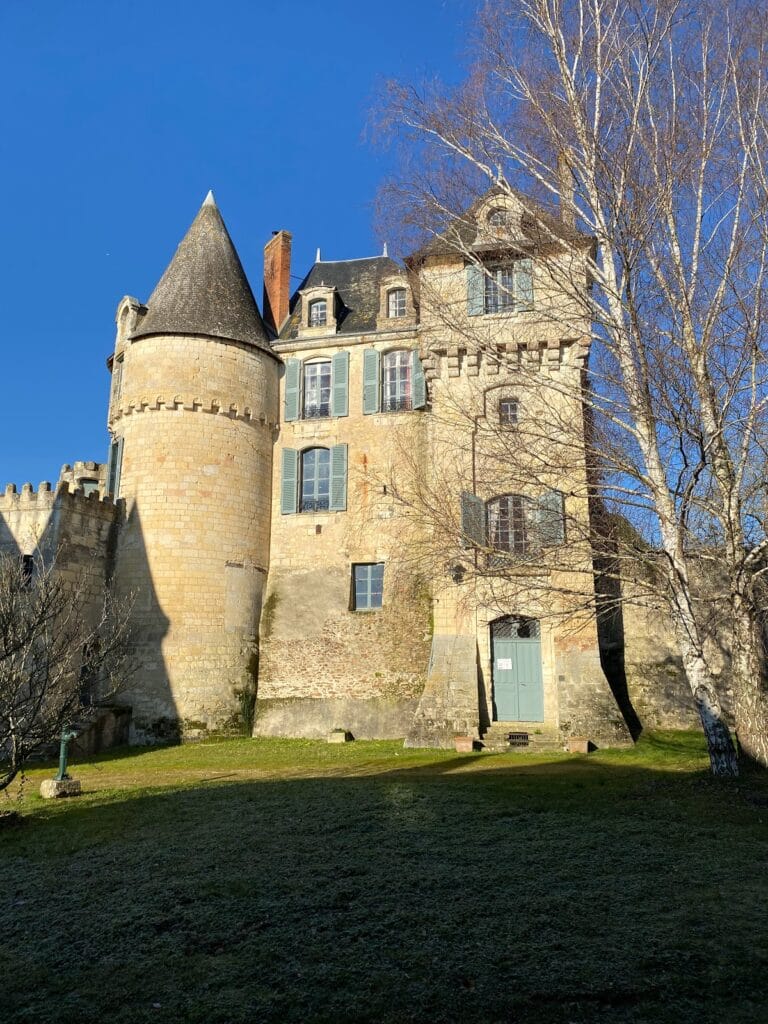
Work on the foundations of the earlier fortress began in 1454, particularly around the monumental entrance châtelet, a fortified gatehouse or entrance complex. The project ended soon afterward when André de Villequier died in June of that year. His widow, Antoinette de Maignelais, seldom stayed at La Guerche and preferred her castle at Menetou-Salon. After her death on 5 November 1470, the family estates were divided.
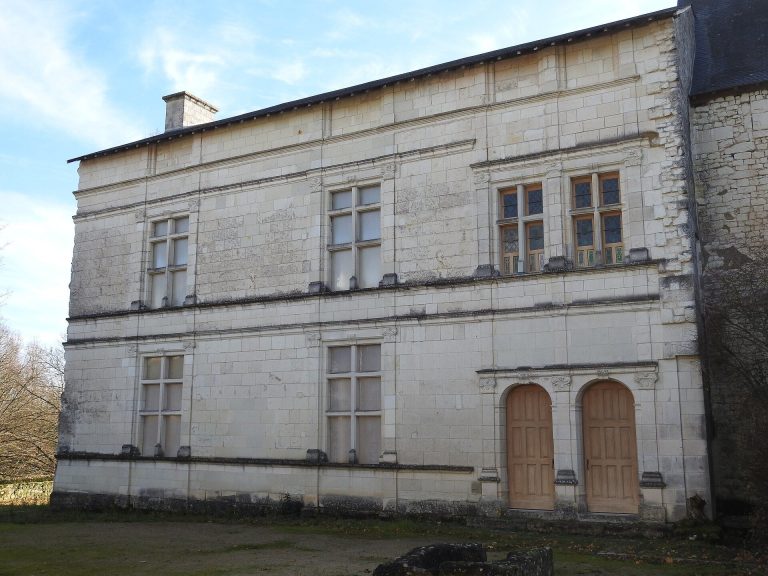
With the support of Louis XI, king of France from 1461 to 1483, Antoine de Villequier secured an unfavorable division for his brother in 1476. The Parlement of Paris, the kingdom’s principal high court, overturned that settlement in 1489 in favor of Artus de Villequier. Artus began living at La Guerche regularly from 1486 and inherited the property of his brother Antoine’s only son in 1495. Between about 1495 and 1505, he built the castle’s principal wing.
The Villequier family continued to reside at La Guerche during the sixteenth century. The castle received Catherine de’ Medici, an Italian-born queen consort of France, and Henry III, king of France from 1574 to 1589. During the French Wars of Religion, a series of conflicts between Catholic and Protestant factions in the second half of the sixteenth century, royal and Protestant troops captured and pillaged the castle in 1592. The attack followed Claude de Villequier’s position as governor of Poitiers for the Catholic League, a Catholic political and military faction in those conflicts.
Seventeenth-century rebuilding and later decline
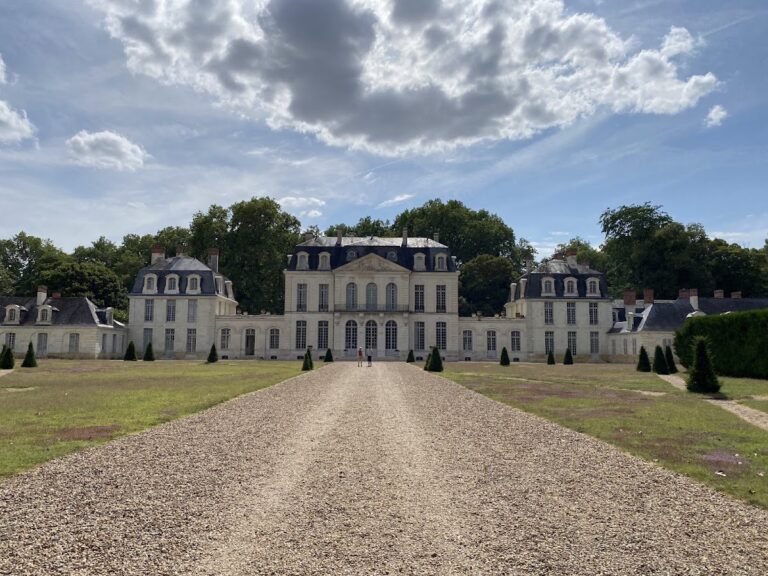
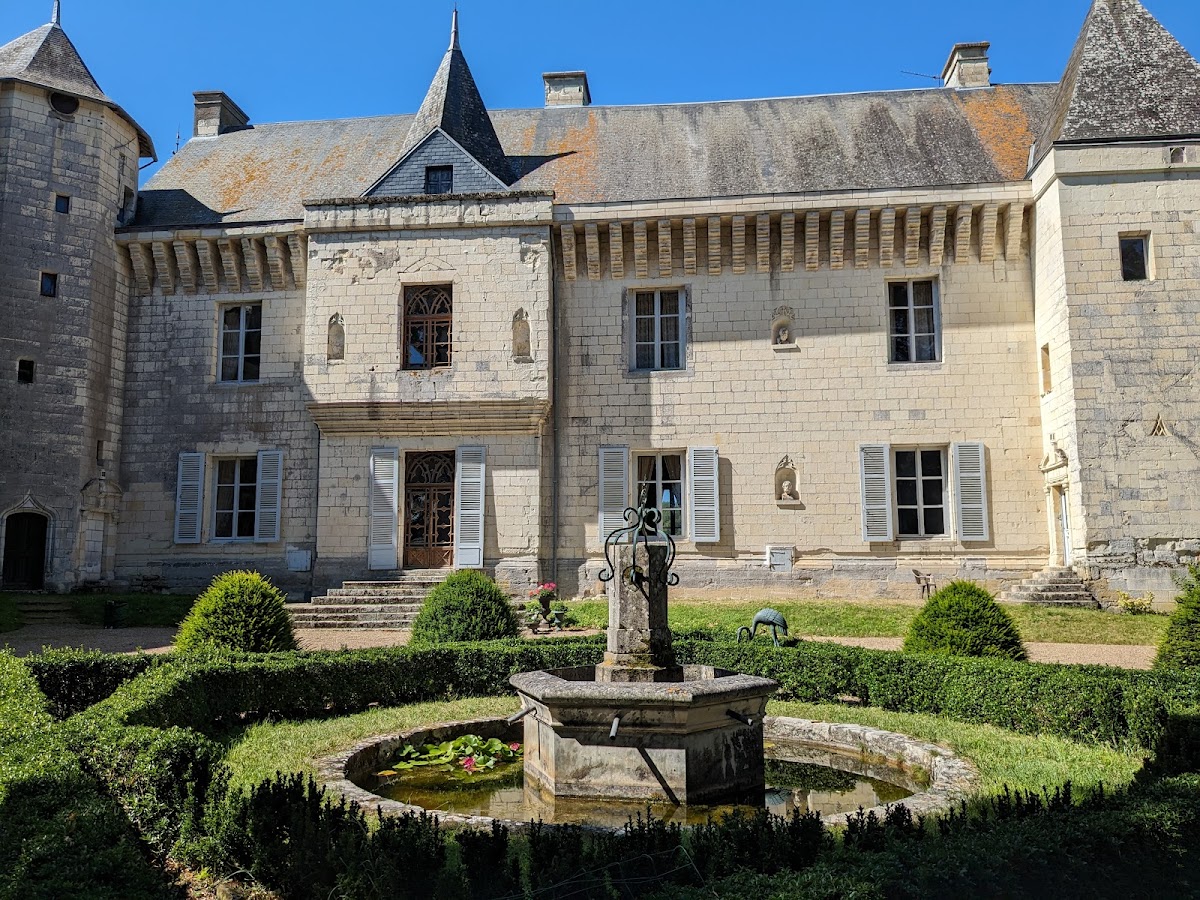
Around 1650, César d’Aumont, heir to the Villequiers and governor of Touraine, rebuilt the southeast building. He also remodeled the façade to give the castle a more regular and symmetrical composition. In the eighteenth century, Château de la Guerche declined in use. Marc-Pierre de Voyer de Paulmy d’Argenson, Louis XV’s minister of war, bought it at auction in 1735, after which it served mainly as a hunting lodge.
During the Reign of Terror, the most violent phase of the French Revolution, particularly in 1793 and 1794, when revolutionary authorities carried out extensive repression and confiscation, the castle’s roofs and uppermost floor were demolished. Its present architectural appearance dates from 1830. The property has belonged to the de Crouy-Chanel family in modern times. Château de la Guerche has been protected as a French historic monument since 13 March 1944.
Remains
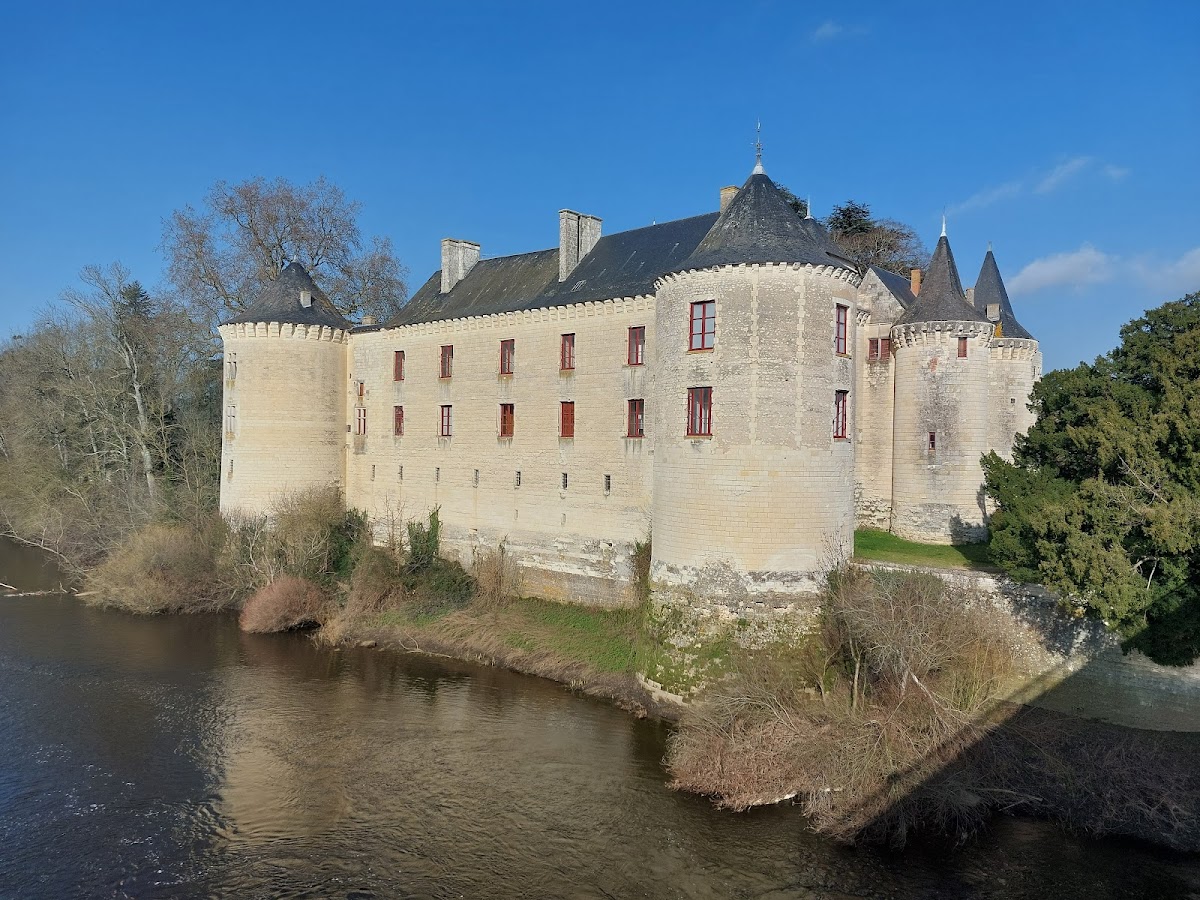
Château de la Guerche stands in the village of La Guerche on the banks of the Creuse River. The surviving complex brings together the monumental entrance works begun in the fifteenth century, the principal wing built around the turn of the sixteenth century, and later buildings and façade changes that reshaped its appearance.
Medieval and early modern buildings
Monumental entrance châtelet
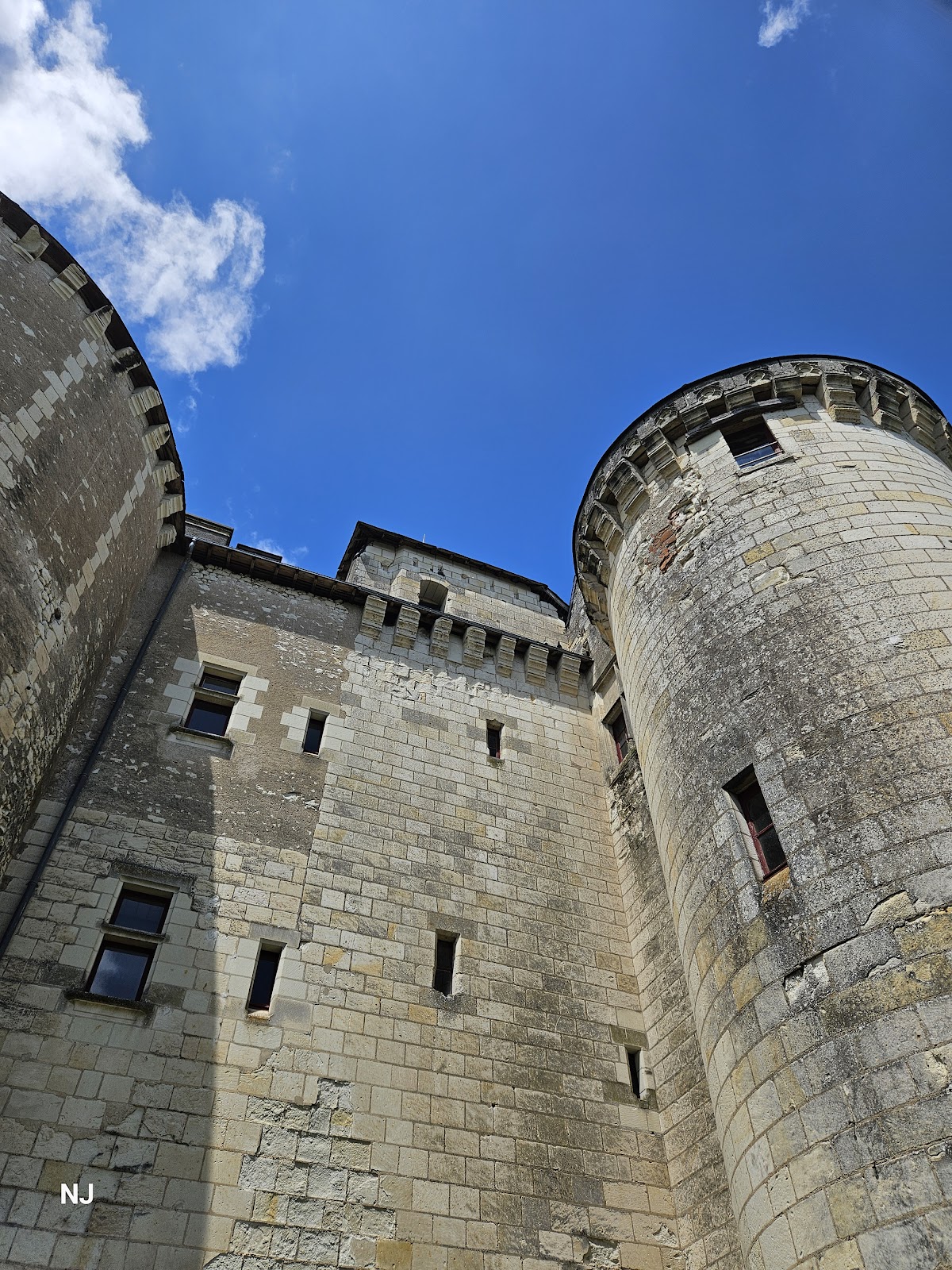
The entrance châtelet forms the central feature around which work on the earlier fortress began in 1454. Its monumental scale reflects the defensive character of the fifteenth-century project and places the entrance complex at the heart of the castle’s surviving architectural history.
Principal wing
Artus de Villequier constructed the principal wing between about 1495 and 1505. This building belongs to the phase when the Villequiers established La Guerche as a regular residence, following Artus’s assumption of the property and his inheritance of the family holdings in 1495.
Later fabric and grounds
Southeast building and façade
The southeast building was rebuilt around 1650 by César d’Aumont. At the same time, the castle façade was remodeled to create a more regular and symmetrical composition. The roofs and uppermost floor were demolished during the Reign of Terror, while the architectural appearance visible today dates from 1830.
Landscape garden
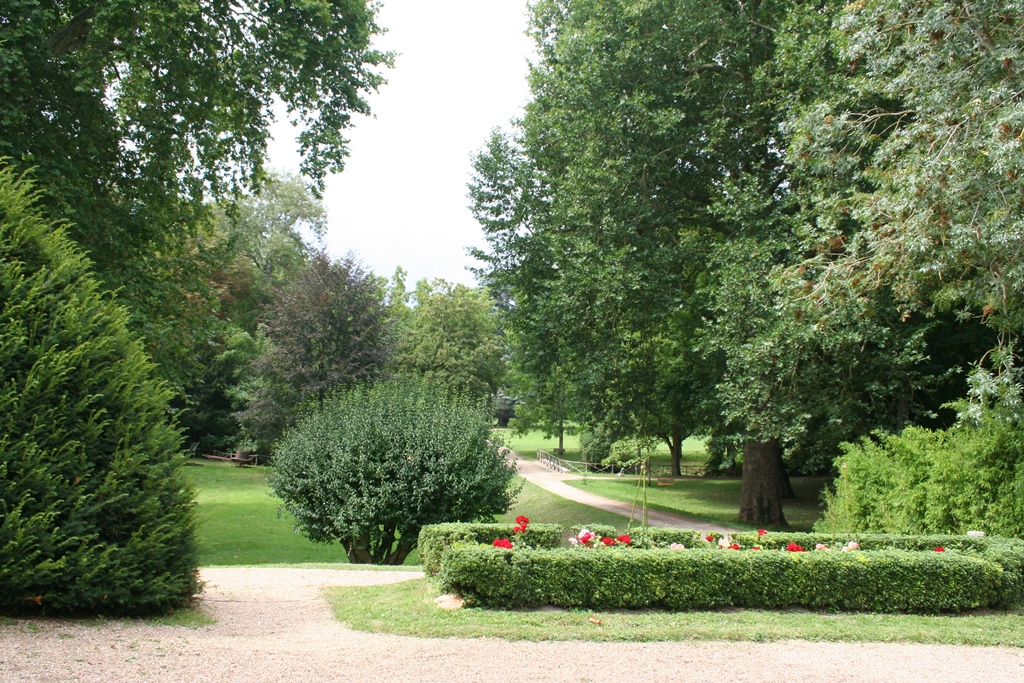
A landscape garden was laid out at the castle during the nineteenth century, adding a designed garden setting to the historic buildings beside the Creuse River.