Castello di Castellaro Lagusello: A Medieval Fortress in Italy
Site at a Glance
- Rating
- 4.3
- Popularity
- Low
- Country
- Italy
- Primary era
- Medieval
- Eras represented
- Medieval
- Civilizations
- Unclassified
- Site type
- Military
- Remains
- Castle
On this page7 sections
History
Castello di Castellaro Lagusello is a medieval fortress in Italy, built around the thirteenth century by the Scaligeri, the ruling dynasty of Verona, to defend the village. Its position near a contested border made it a focus of conflict and changing control for many centuries.
Changing rulers
Between the fourteenth and fifteenth centuries, authority over the fortress shifted repeatedly. The Visconti, a powerful dynasty centered in Milan, took control in 1390, followed by the Gonzaga of Mantua in 1391. The Visconti regained it in 1393 and held it until 1405, after which the Gonzaga controlled the site until 1441.
In the mid-fifteenth century, the Republic of Venice took control of the village. This maritime republic governed Venice and territories across northeastern Italy, retaining Castellaro Lagusello until the beginning of the seventeenth century.
From fortress to residence and ruin
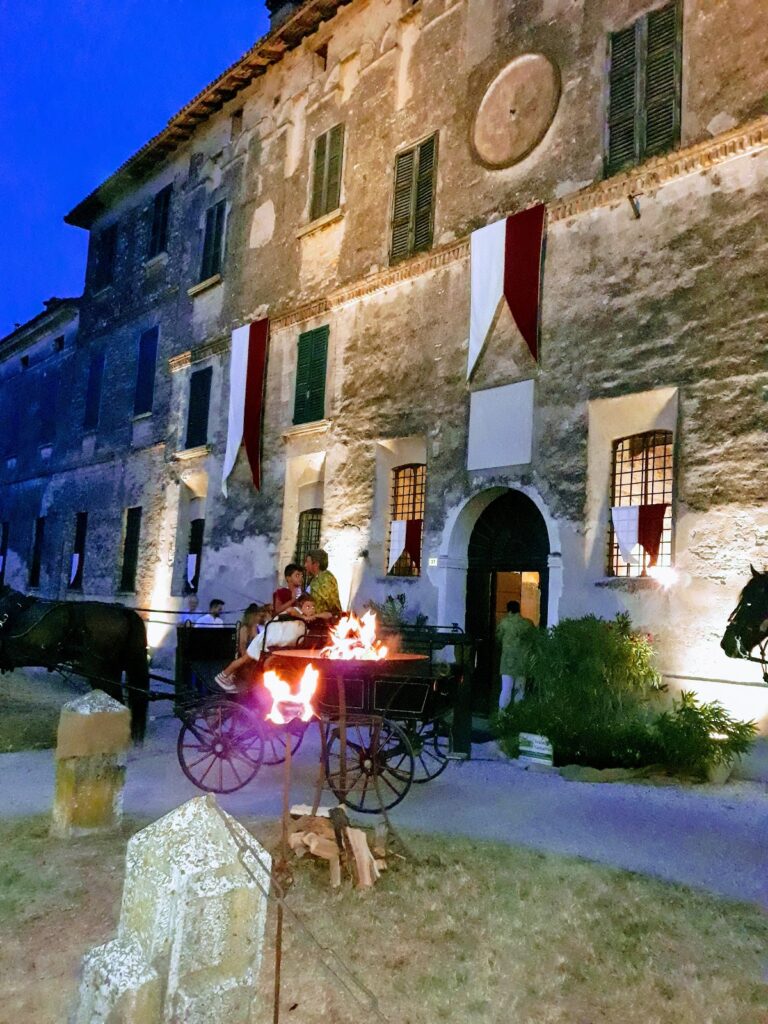
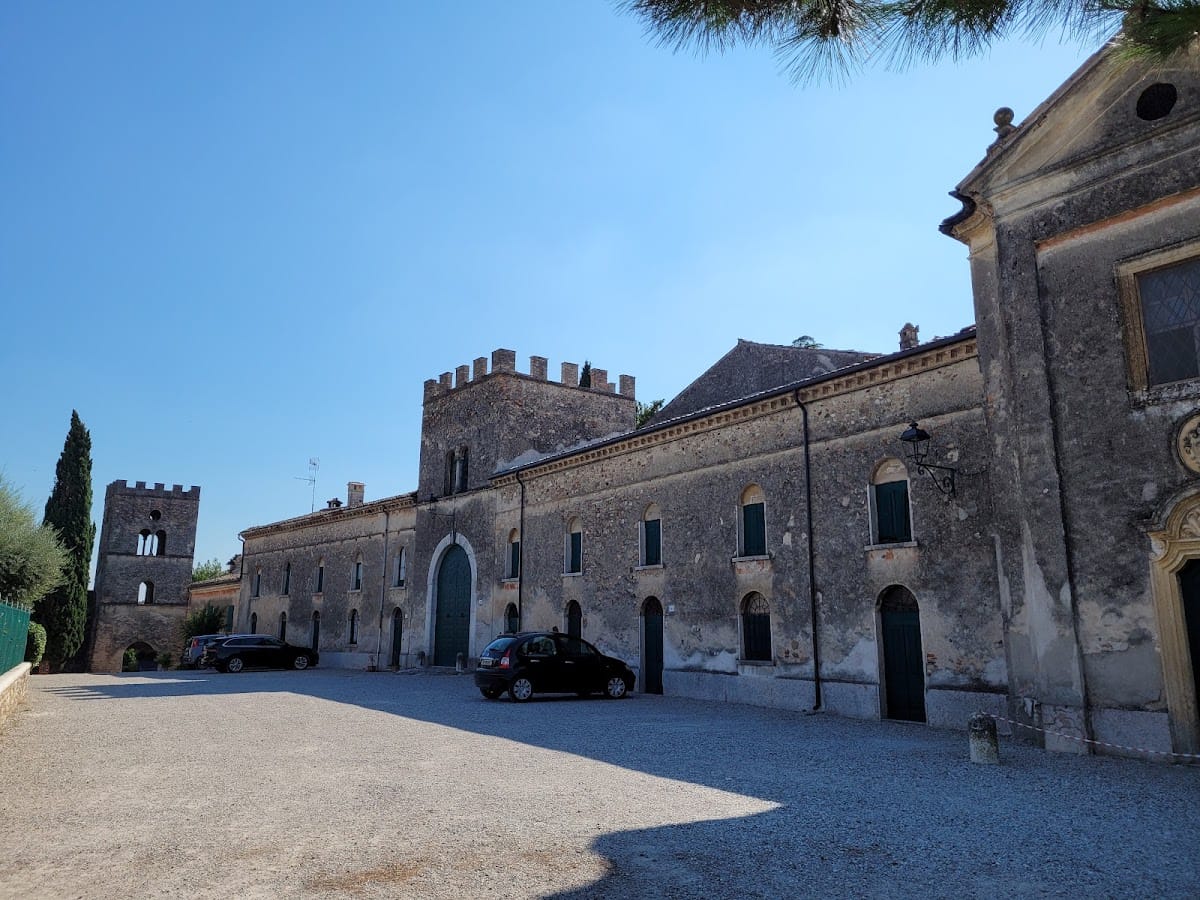
After the castle lost its strategic function in the seventeenth century, it was sold to a noble family. Part of the complex was then converted into a residence. Demolition followed in the eighteenth century, leaving the castle partly ruined. The property is now divided between the Municipality of Monzambano and private owners, and the castle is designated Italian national heritage.
Remains
Fortifications and internal layout
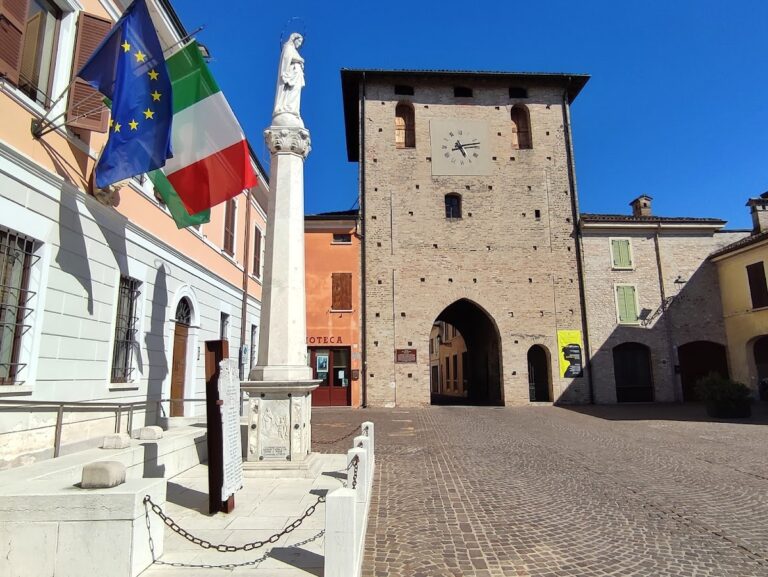
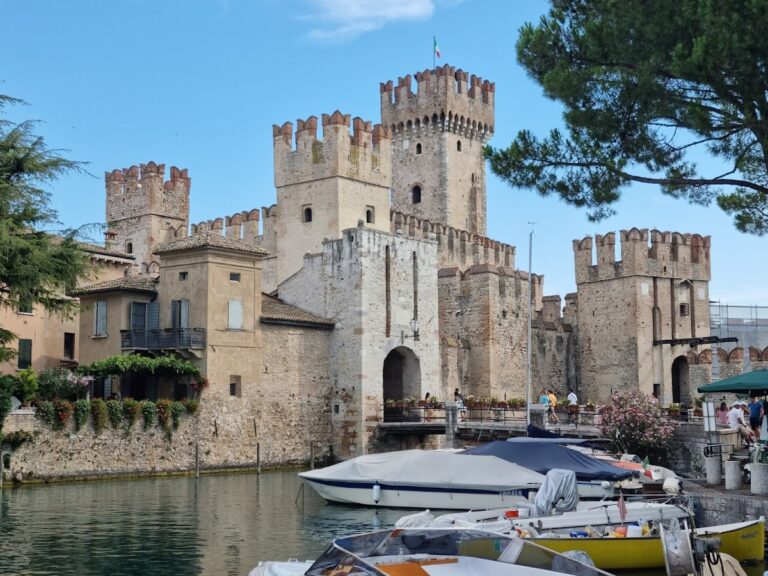
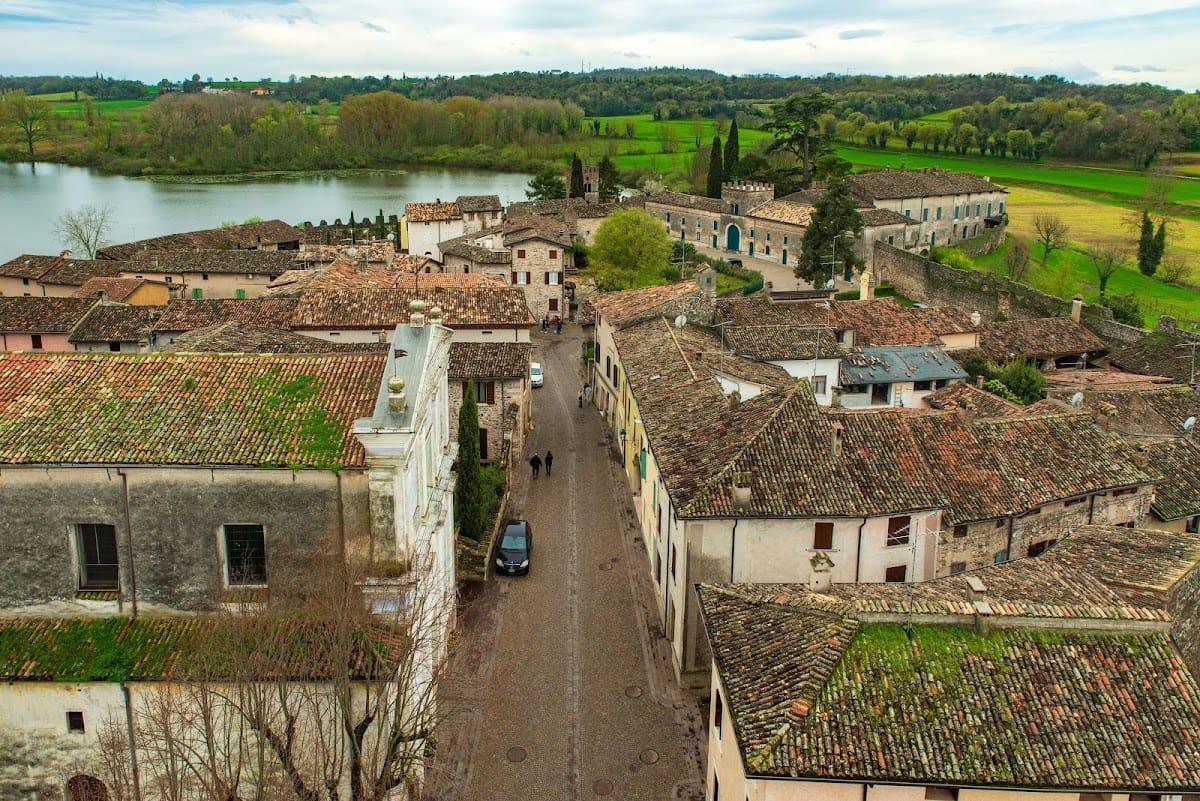
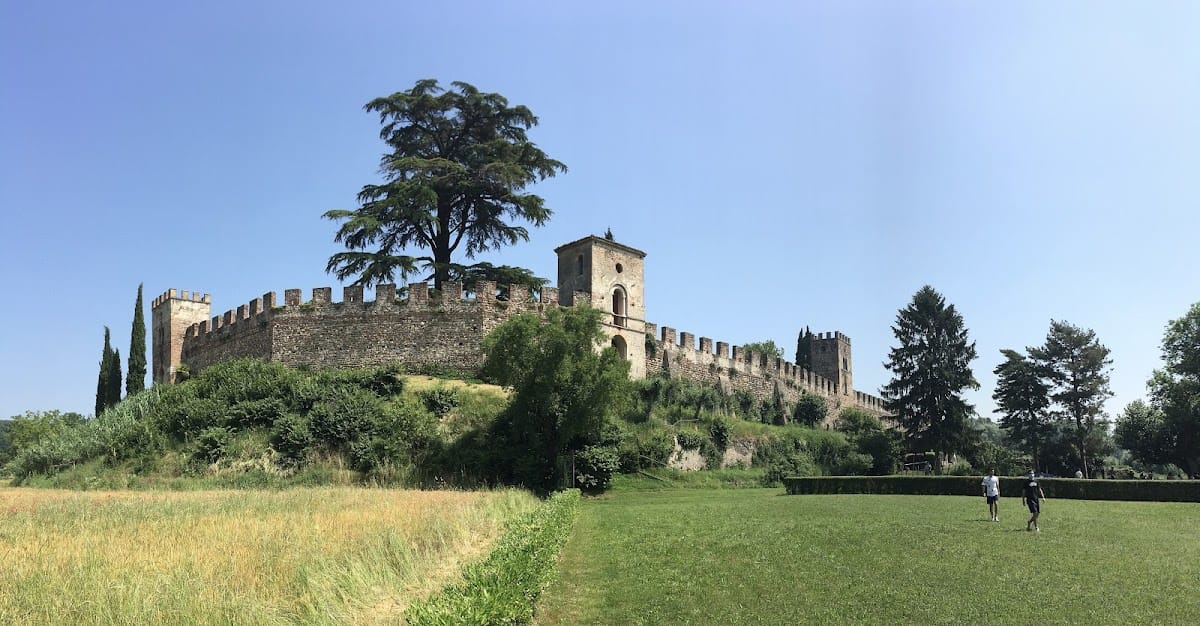
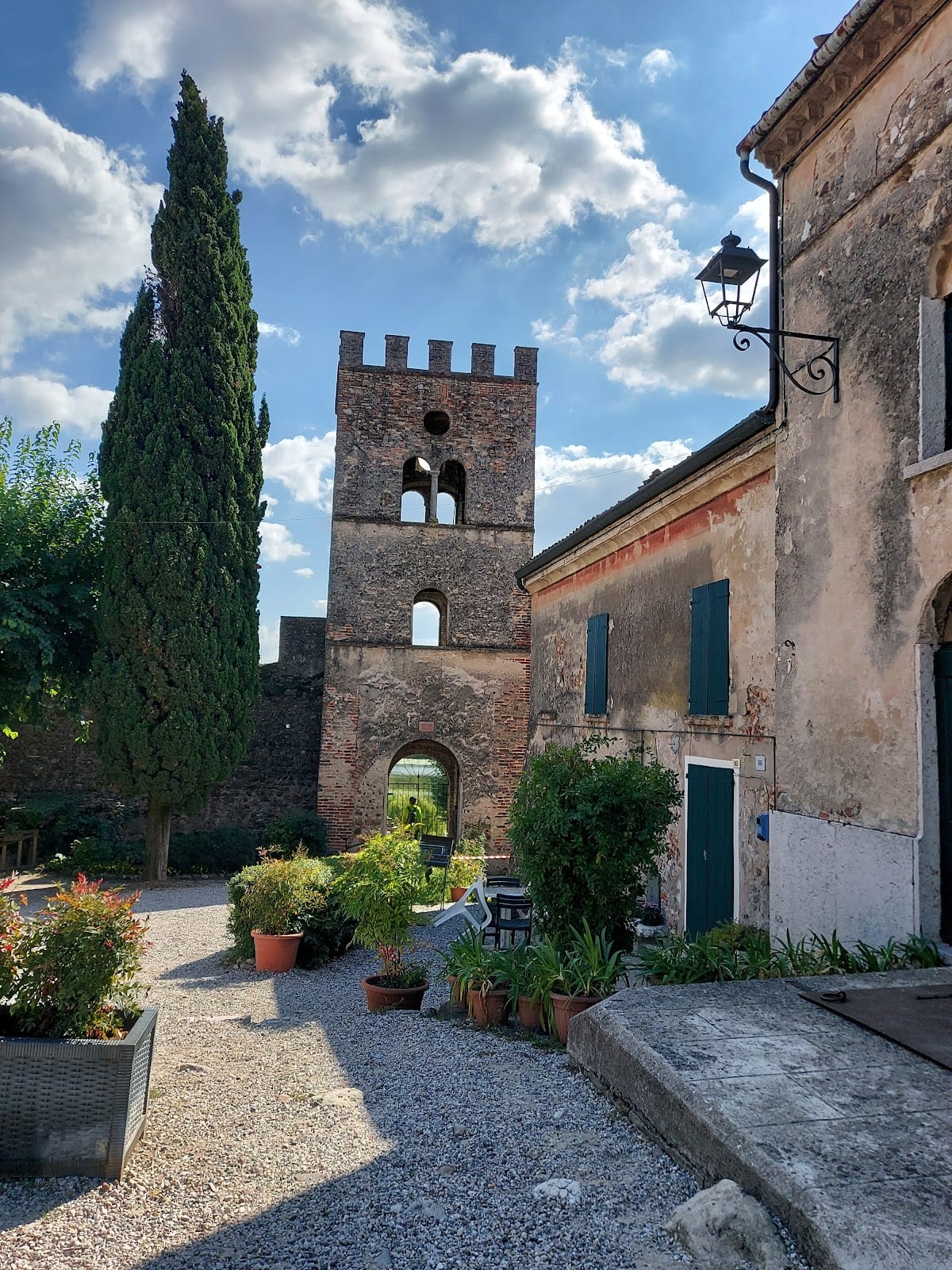
The surviving castle retains its original urban layout, together with medieval buildings and defensive works. Its perimeter walls contain four towers and include a patrol walkway used to defend the village. The complex was constructed from pebbles, mortar, and brick.
Defensive tower and entrance
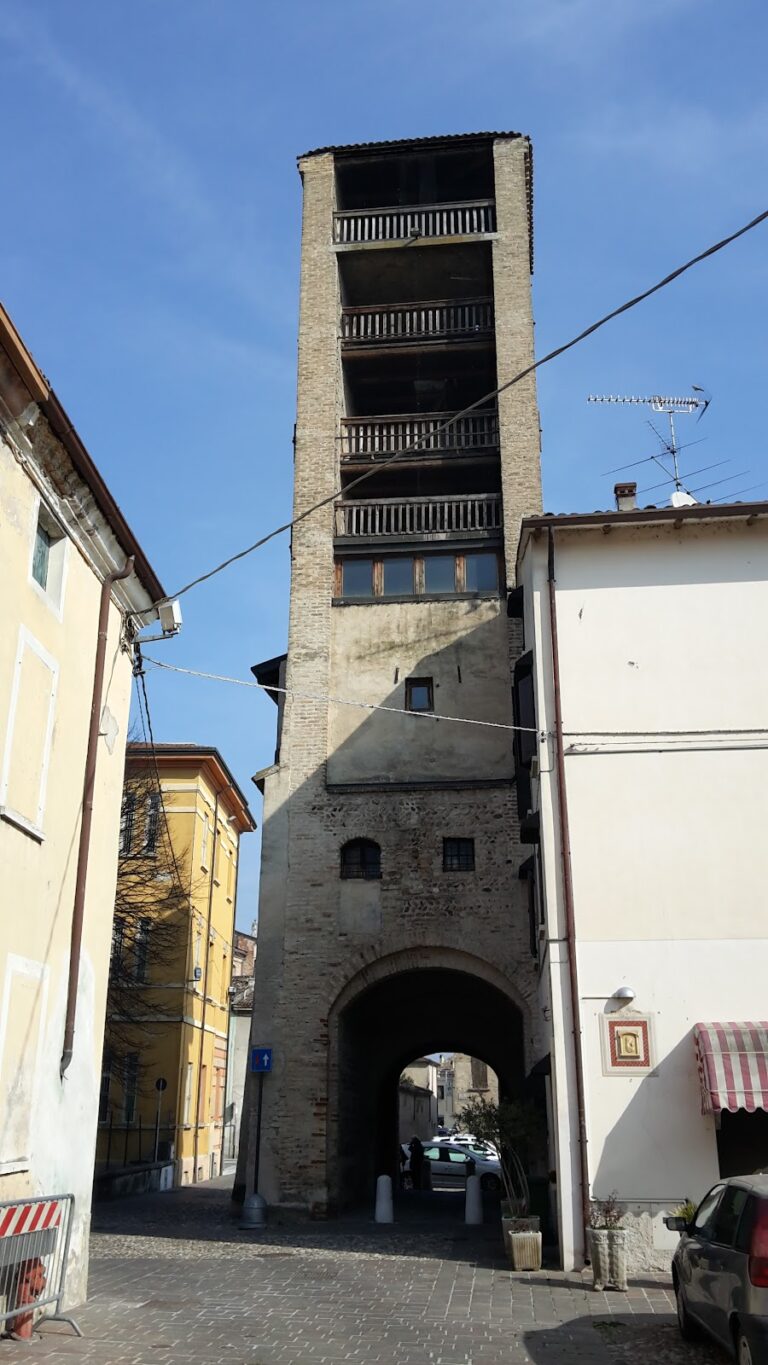
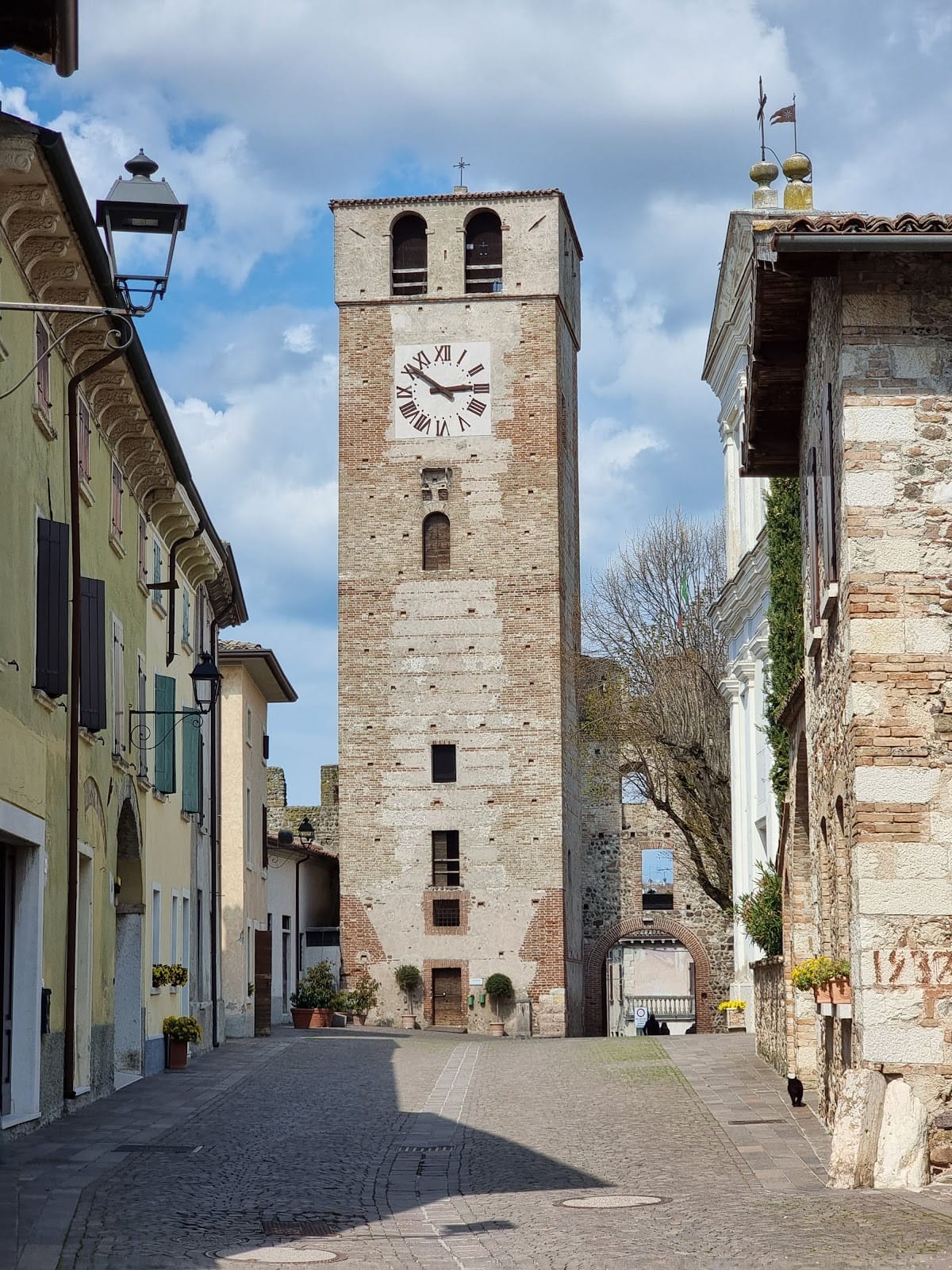
The northern section was organized for defense around a square tower and a drawbridge. One surviving tower reaches 27 metres in height and contains 100 steps.
Fortified residence
The southern section, directed toward the lake, was arranged as a fortified residence. This division between a defensive northern area and a residential southern area preserves the castle’s original functional organization, despite the later demolition and partial ruin.