Rocca Ariostesca: Medieval Fortress and Cultural Center in Italy
Site at a Glance
- Rating
- 4.3
- Popularity
- Low
- Country
- Italy
- Primary era
- Medieval
- External website
- Open
- Eras represented
- Medieval, Early Modern
- Civilizations
- Republic of Lucca
- Site type
- Military
- Remains
- Castle
On this page10 sections
History
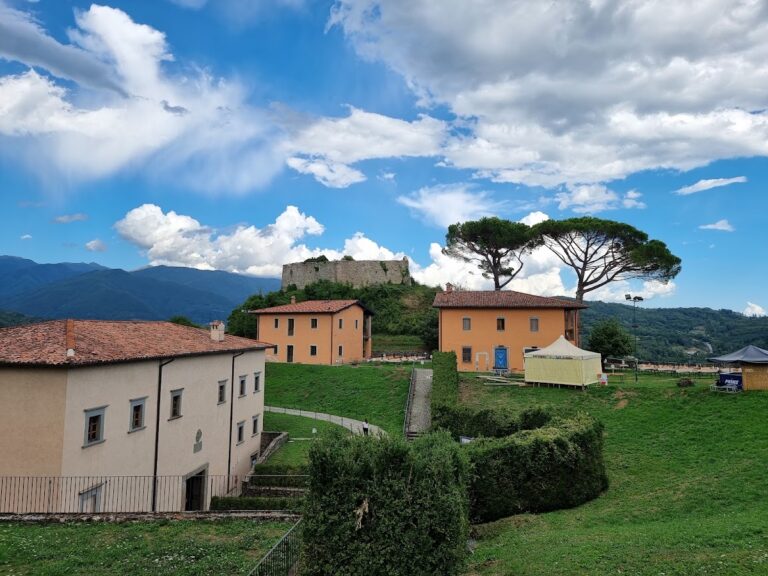
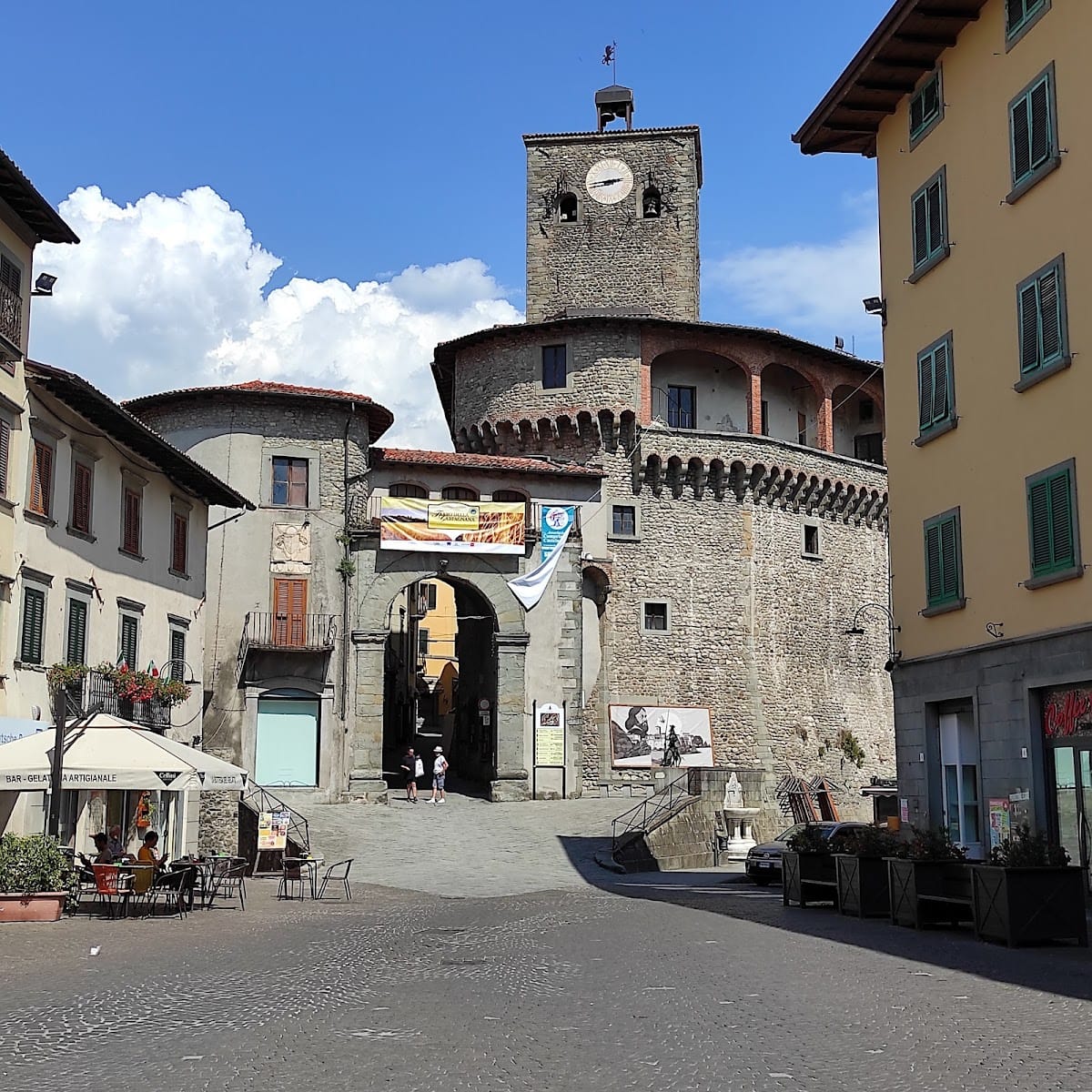
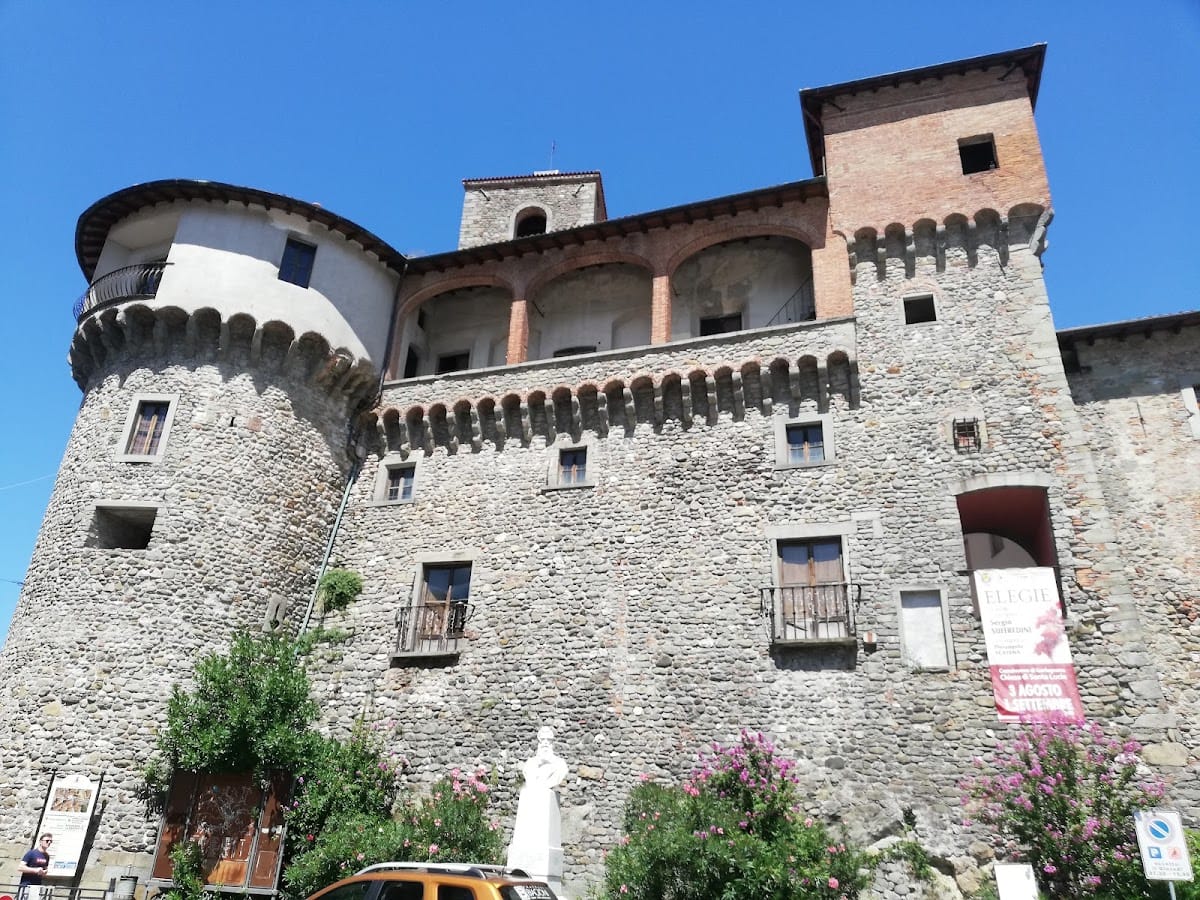
Rocca Ariostesca is a medieval fortified military structure in Castelnuovo di Garfagnana, Italy, overlooking Piazza Umberto I. Regarded as the symbol of the town, it developed from an early garrison into a major administrative and defensive center in the Garfagnana.
Medieval fortress
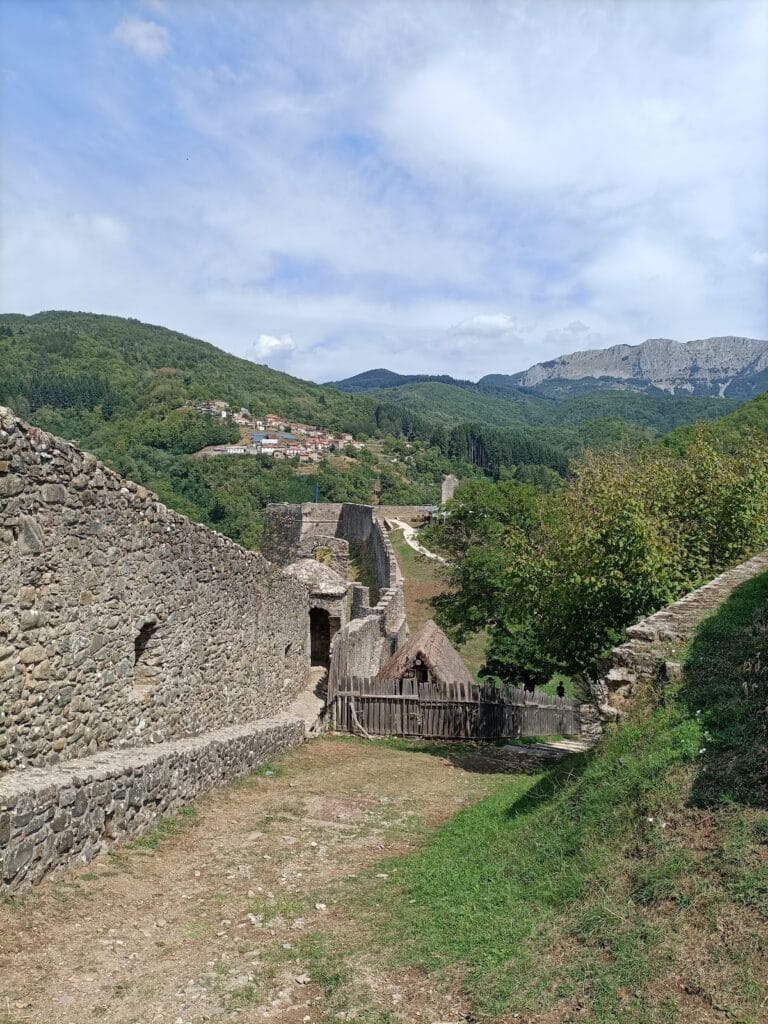
A small garrison occupied the site by the tenth century. The fortress structure recognizable today dates from the twelfth century and underwent modifications throughout the thirteenth century. In the early fourteenth century, Castruccio Castracani, a military leader and ruler associated with Lucca, considerably enlarged the fortress and extended the complete circuit of the village walls.
Paolo Guinigi, the fifteenth-century ruler of Lucca, ordered the construction of the imposing central tower. It later served as a prison and carried the civic clock, linking the fortress to the public life of the town.
Este administration
The fortress became the seat of Este government in the Garfagnana. The Este were a major Italian ruling dynasty whose territories included the region during this period. The Italian Renaissance poet Ludovico Ariosto, best known for Orlando Furioso, served as governor of the Este-controlled Garfagnana from 1522 to 1525. Fulvio Testi, a seventeenth-century poet and diplomat, succeeded him in the following century.
In 1675, a terrace facing the town square was constructed together with the monumental arch that provided access toward the town center. The fortress was damaged during the Second World War and subsequently restored. It is now owned by the Province of Lucca, is designated Italian national heritage, and contains an archaeological museum while also serving as a venue for exhibitions and cultural events.
Remains
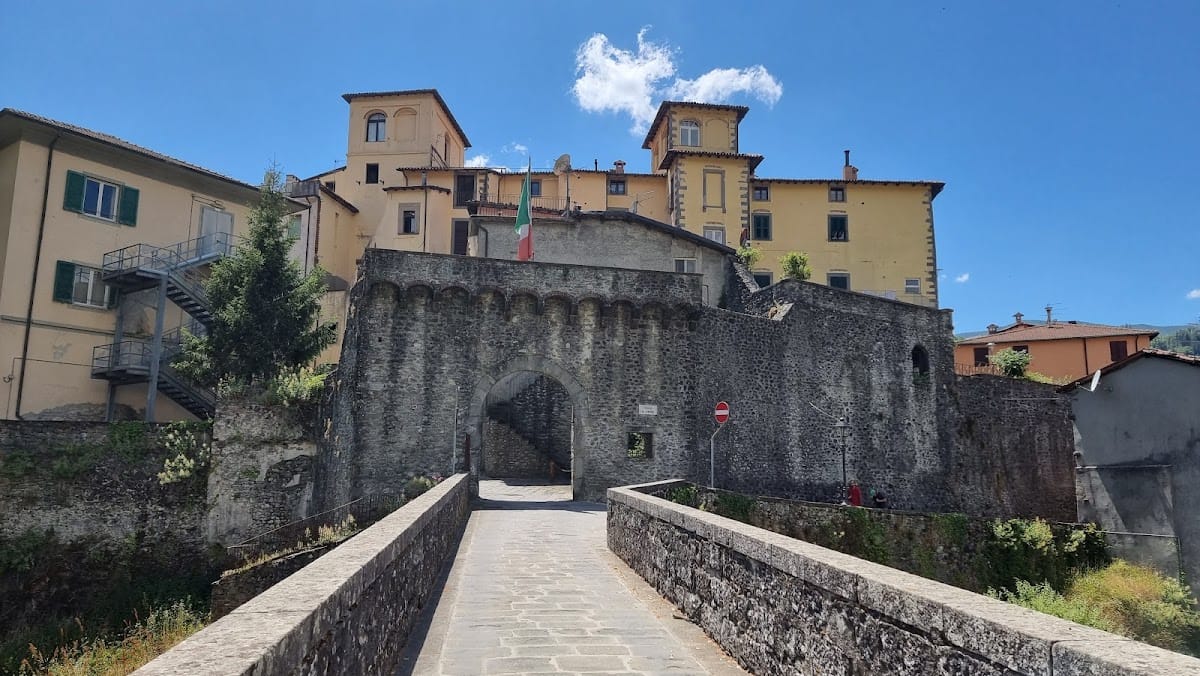
The surviving complex is organized around a substantial central tower, with the terrace and monumental arch facing the town square. Rooms within the fortress now contain the archaeological museum, while the entrance area includes a modern sculptural work connected with the site’s cultural use.
Fortress core and civic additions
Central clock tower
The fortress is centered on an imposing tower bearing the civic clock. Its historical functions included both military defense and imprisonment, giving the structure a civic as well as a defensive role within Castelnuovo di Garfagnana.
Terrace and monumental arch
A terrace extends toward Piazza Umberto I. The monumental arch associated with it provides access toward the town center and forms the principal architectural connection between the fortress and the civic space before it.
Museum and entrance sculpture
Archaeological museum
The archaeological museum occupies rooms inside Rocca Ariostesca. Its collections preserve numerous finds and other material evidence from the prehistoric, Ligurian-Apuan, and Etruscan periods of the Garfagnana. The Ligurian-Apuan period refers to the ancient cultural horizon associated with the Ligurian-Apuan peoples of northwestern Tuscany.
Don Quixote statue
Near the entrance stands a statue of Don Quixote executed by Angelo Mugnaini in 2008. Mugnaini produced the work after a competition organized by the municipality in 2006, presenting the literary hero in a deliberately farcical but effective reinterpretation.