Breno Castle: A Medieval Fortress in Italy


Site at a Glance
- Rating
- 4.5
- Popularity
- Medium
- Country
- Italy
- Primary era
- Medieval
- External website
- Open
- Eras represented
- Stone Age, Medieval
- Civilizations
- Duchy of Milan, Holy Roman Empire, Venetian
- Site type
- Military
- Remains
- Castle
On this page16 sections
History
Breno Castle is a medieval fortress in Breno, Italy, built on a hill at the centre of the town. Its history reaches from Late Epigravettian activity through Neolithic settlement and medieval construction to the struggles between Venice and Milan for control of Val Camonica.
Prehistoric and Roman-period occupation
Flint flakes found on the hill date to the Late Epigravettian, a late Upper Paleolithic archaeological tradition in southern and central Europe. They belong to the period shortly after the glacier in Val Camonica melted. A Neolithic settlement later occupied the site, producing tools, vessels, and two graves. Scholars call this material the Breno culture.
Only slight traces survive from a Copper Age dwelling. The hill appears to have been completely abandoned during the Roman period, possibly because it stood near Civitas Camunorum, at present-day Cividate Camuno.
Medieval foundation and expansion
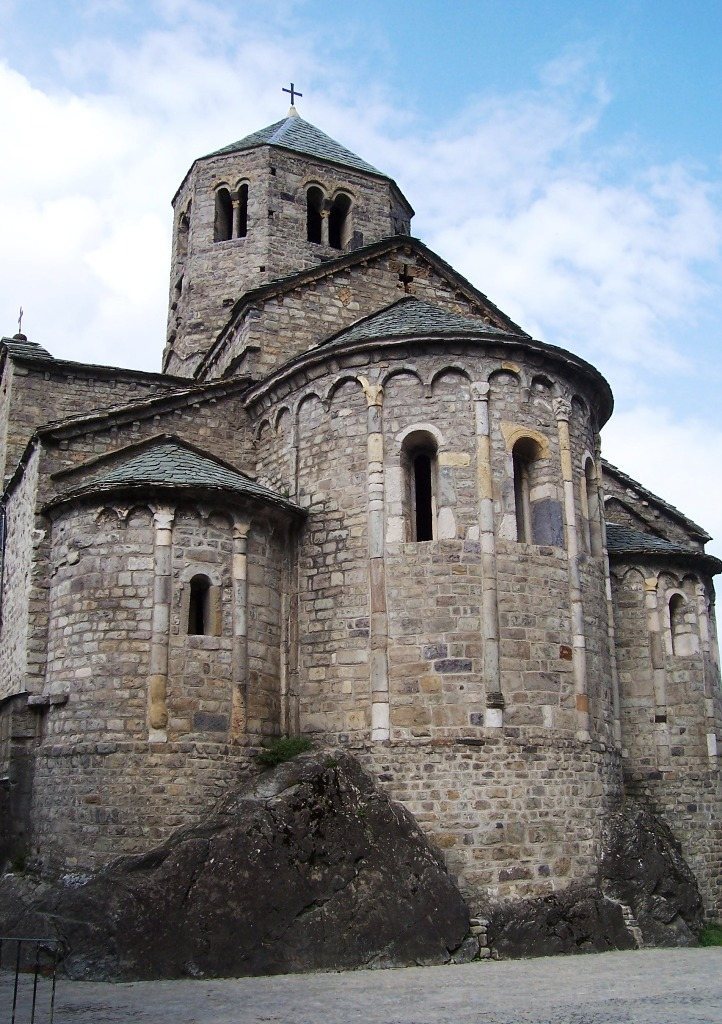
The first construction of the historical period was a chapel dedicated to Saint Michael the Archangel, protector of the Lombards, a Germanic ruling people who established a kingdom in Italy during the early medieval period. The chapel dates to the ninth century. Around the twelfth century, it was enlarged into a Romanesque church, a medieval form associated with substantial masonry and rounded arches. The church was later demolished during the castle’s expansion, leaving its foundations visible.
Civil construction also began in the twelfth century. The complex included a large, two-storey palatium, a substantial medieval residence or administrative building, which is now destroyed and may have been the residence of the Ronchi, a powerful Guelph feudal family. Guelphs generally supported the papacy, while their Ghibelline opponents generally supported imperial authority. An adjacent tower and a tower house, which combined domestic accommodation with defensive construction, formed part of the same development.
By approximately 1250–1300, the entire hill was probably enclosed by fortifications entered through a gate tower. Milanese rulers later converted the civil buildings into military strongholds for a commander and his garrisons. In the process, the original Guelph merlons, the raised sections between openings along a fortified wall, were changed to Ghibelline crenellations.
Venetian and Milanese sieges
From 1350 to 1450, Breno Castle was drawn into the struggle between Venice and Milan for control of the valley. A mass grave containing many dismembered bodies belongs to this period of conflict.
After the Battle of Maclodio in 1427, the Milanese reduced their forces in the valley. Francesco Bussone, known as Carmagnola, was then fighting for Venice and reached the castle, capturing it. Giacomo Barbarigo was placed in command.
On 18 September 1438, Pietro Visconti, a member of Milan’s ruling Visconti dynasty, advanced from the upper valley to Lovere, consolidated his positions on Lake Iseo, returned to Breno, and besieged the castle. The siege lasted six months. It ended after Pietro Avogadro arrived with relief forces from Brescia and broke the siege following prolonged resistance by the defenders, including Giacomo Ronchi.
Another siege began in November 1453. The castle was defended by Pietro Contarini, the Venetian Captain of the Valley, an administrative and military office, together with the castellan Nicolo Rizzi, Decio Avogadro, Pasino Leoni, and members of the Breno-based Ronchi family. The siege was supported by the pro-Milanese Federici family. Francesco Sforza, founder of Milan’s Sforza dynasty, could not resolve the struggle and ordered Bartolomeo Colleoni, a prominent professional military commander, to arrive with 1,500 men. Milanese forces then used gunpowder artillery for the first time in Val Camonica and forced the stronghold to capitulate.
Venetian control and decline
The Peace of Lodi, concluded on 9 April 1454, ended the contest between Venice and the Duchy of Milan for control of the valley. Brescia and Val Camonica were placed definitively under Venetian rule. In 1455, Venice ordered the destruction of castles and strongholds in the valley to prevent further resistance. Breno was exempted and became the seat of the local regiment. Cimbergo and Lozio were also retained because they were held by the pro-Venetian Lodrone and Nobili families.
The castle was retaken from the French in 1516. Two years later, as it was no longer considered essential for territorial control, its six-man garrison was withdrawn. By the second half of the sixteenth century, it was described as uninhabited because the Captain of the Valley and other officials had found accommodation in the town. A deed recording the transfer of the stronghold is dated 16 April 1598. Breno Castle is designated Italian national heritage.
Remains
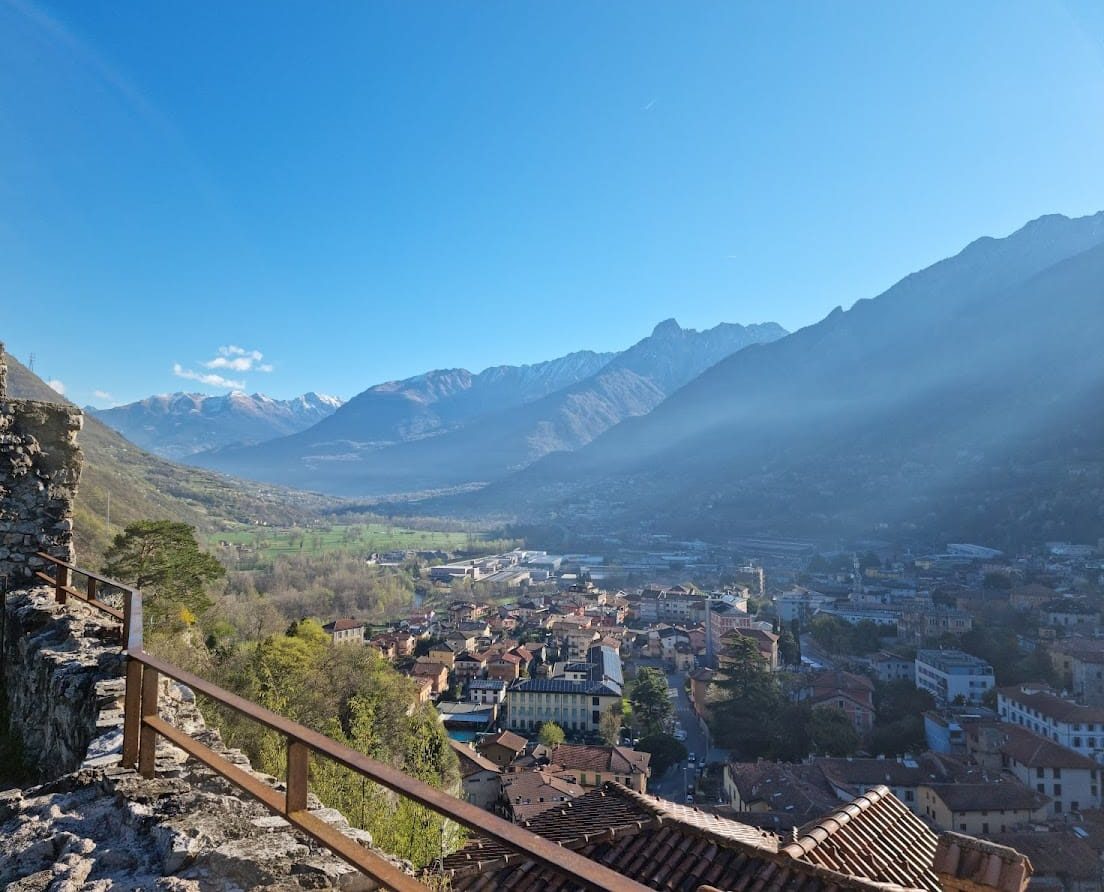
The castle stands on a hill approximately 120 metres above Breno’s centre. Its enclosing walls cover 0.525 hectares. The surviving remains bring together prehistoric occupation, the foundations of the medieval religious complex, fragments of the twelfth-century civil buildings, and later defensive works shaped by the use of gunpowder artillery.
Prehistoric remains
Neolithic dwelling
Beneath the Ghibelline tower, archaeologists found a trapezoidal Neolithic dwelling approximately 5 metres wide. It rested against lateral rock supports, while its walls were made from wattle coated with mud, a construction method formerly typical of Val Camonica.
Burials and early settlement traces
Five graves, including the burial of a child, were found in the area of the medieval chapel. The site also retains slight traces of a Copper Age dwelling. These remains join the tools, vessels, and graves associated with the Neolithic Breno culture.
Medieval religious and civil buildings
Chapel and Romanesque church
The ninth-century chapel dedicated to Saint Michael the Archangel was enlarged around the twelfth century into a Romanesque church. The church was later demolished as the castle expanded, but its foundations remain visible in the castle area.
Palatium and tower complex
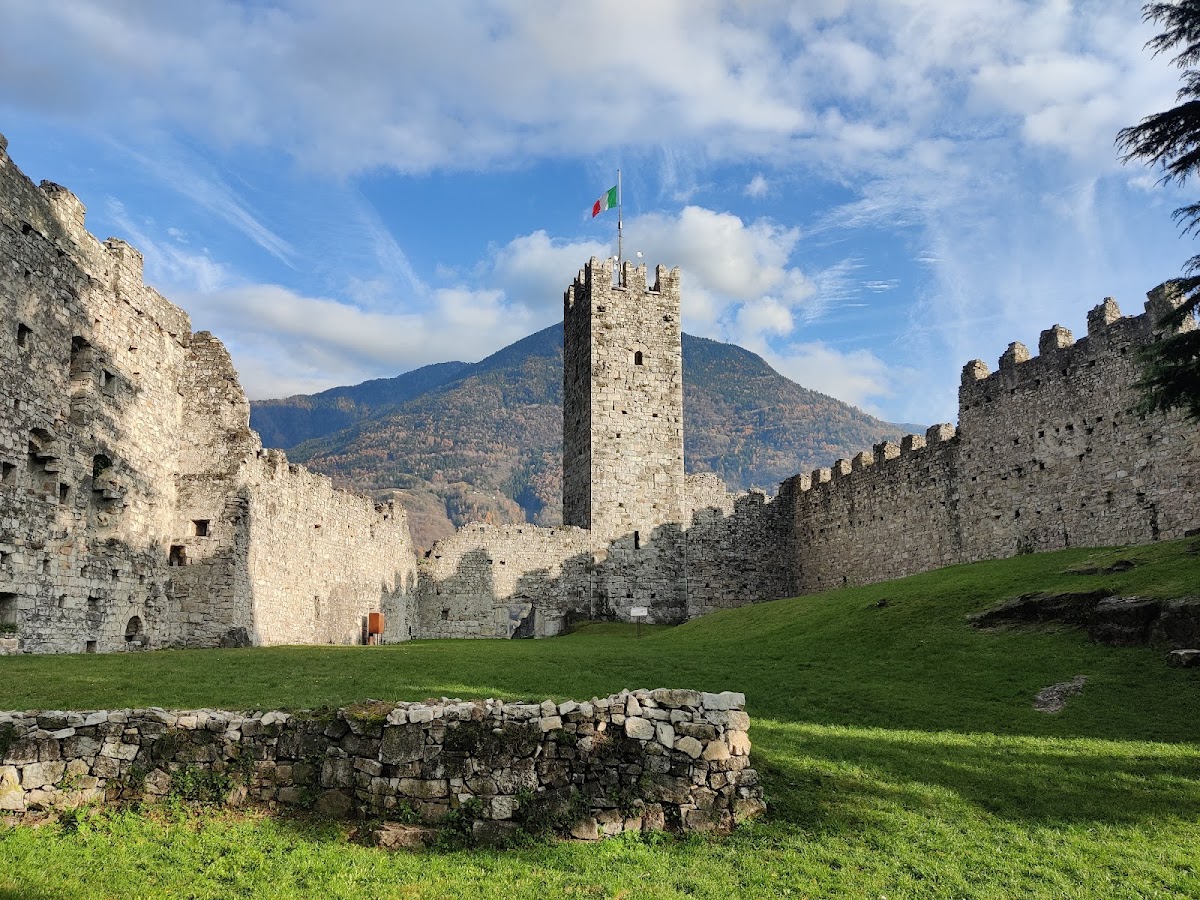
The twelfth-century civil complex included a two-storey palatium, now destroyed, an adjacent tower approximately 20 metres high, and a tower house. The tall tower was originally crowned with Guelph merlons. Later military alterations changed the character of these buildings as the Milanese rulers adapted the civil complex for the commander and his garrison.
Fortifications and conflict features
Enclosing walls and gate tower
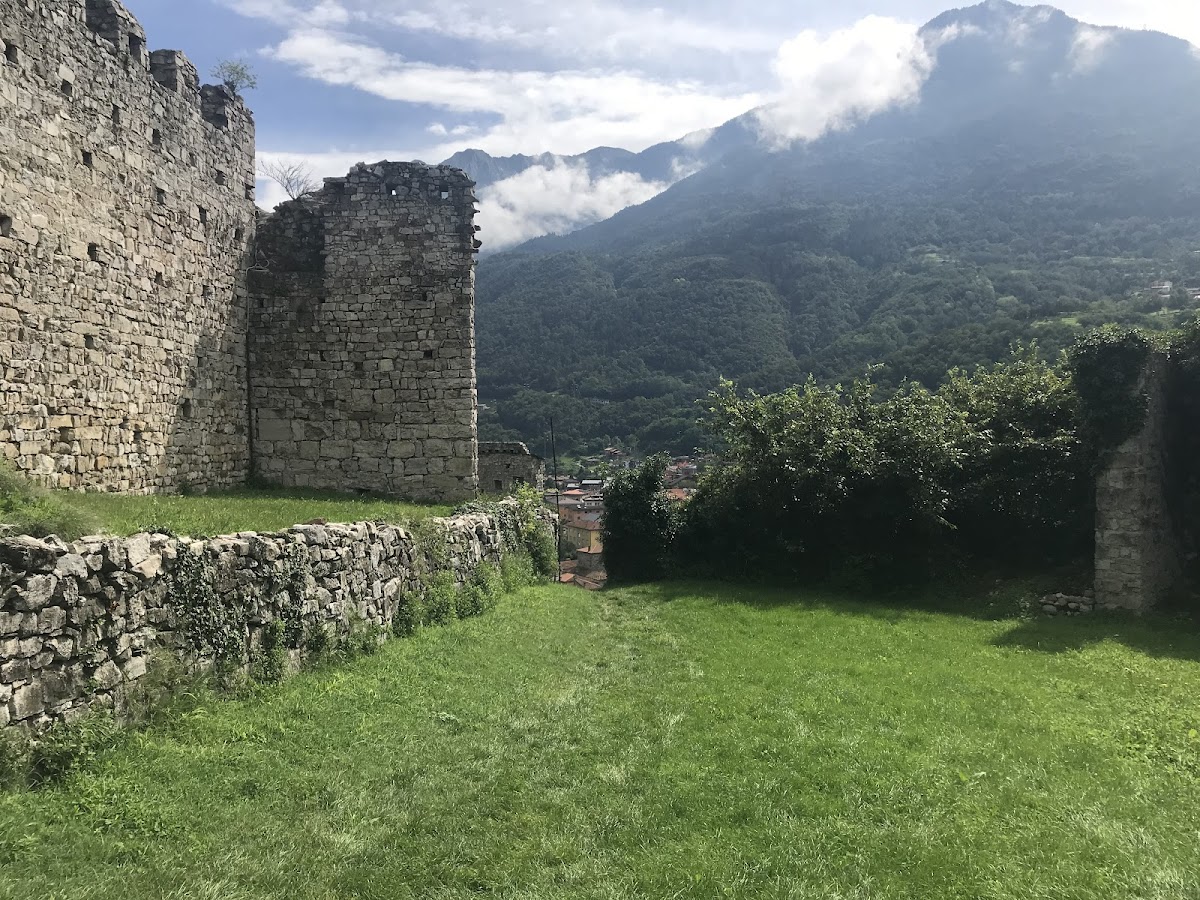
By approximately 1250–1300, fortifications enclosed the hill and were entered through a gate tower. The walls define the castle’s surviving footprint, while the conversion of the earlier civil buildings created military strongholds within the enclosure.
Southern curved fortifications
The southern side contains curved fortifications dating from the Venetian period. Their rounded form, without sharp corners, provided better resistance to gunpowder weapons.
Mass grave
A mass grave containing many dismembered bodies is associated with the conflicts that involved the castle between 1350 and 1450. It forms part of the archaeological evidence for the violent contests over Val Camonica during that period.