Burg Brandenstein: A Medieval Hilltop Castle in Germany
Site at a Glance
- Rating
- 4.5
- Popularity
- Low
- Country
- Germany
- Primary era
- Medieval
- External website
- Open
- Eras represented
- Medieval, Early Modern
- Civilizations
- Holy Roman Empire
- Site type
- Domestic
- Remains
- Castle
On this page8 sections
History
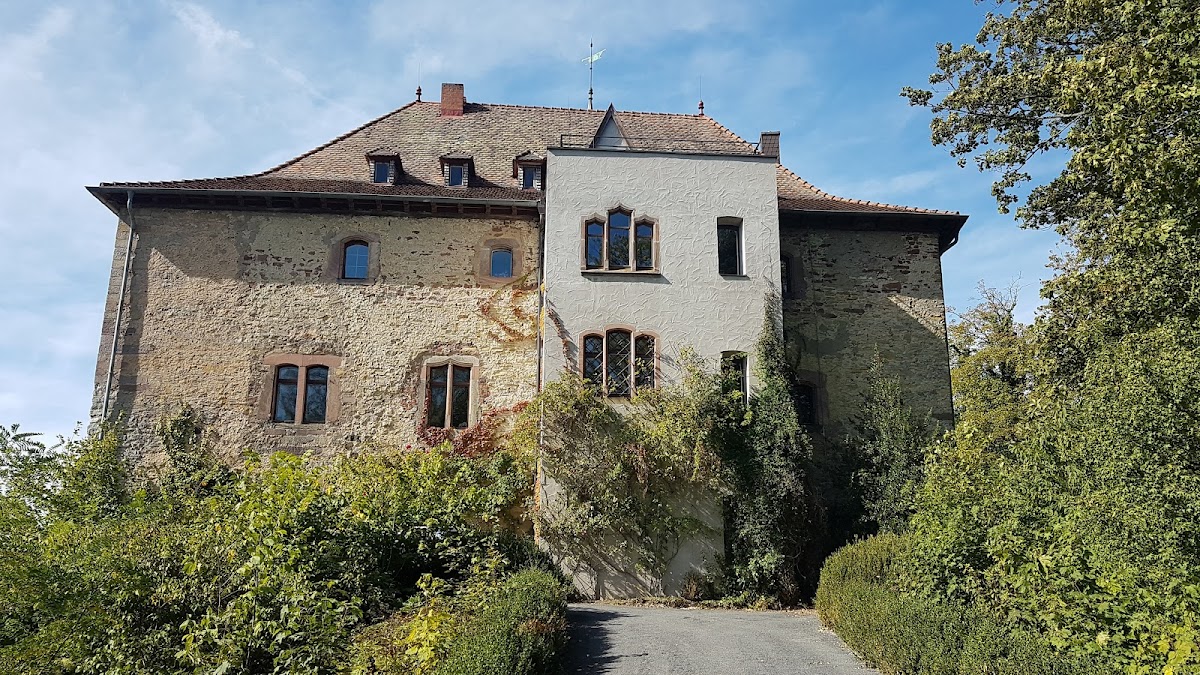
Burg Brandenstein is a medieval hilltop castle in Germany, near Schlüchtern-Elm in Hesse. A branch of the Lords of Steckelberg probably built it after 1243, in the mid-thirteenth century, as a defensive centre for their Vogtei, a territory overseen by an official responsible for secular protection and administration. The castle was first mentioned in surviving records in 1278, when Hermann von Brandenstein held it.
From Steckelberg stronghold to Hanau administration
In 1307, Burg Brandenstein and its associated lands became a fief of the Bishopric of Würzburg, meaning that the property was granted to a dependent holder in return for obligations. The fief passed to the Counts of Rieneck-Rothenfels. In 1316, Ulrich IV of Hanau acquired the castle and expanded its role as the administrative seat of the Amt Brandenstein, a territorial administrative district. Further enlargement took place during the fifteenth century.
From 1424 to 1540, the Lords of Eberstein held the castle, first as a pledge and later as a fief. A pledge was property transferred temporarily as security for a debt. Their tenure ended after the Eberstein line died out, and Burg Brandenstein returned to the Counts of Hanau.
The 1522 capture and Renaissance transformation
Mangold II of Eberstein became involved in raids, highway robbery, and a feud with Nuremberg, an imperial city governed under the authority of the emperor rather than by a territorial prince. In 1522, Emperor Charles V ordered troops under Count George II of Wertheim, the military commander of the Franconian district, to bombard and capture Burg Brandenstein.
After the castle returned to the Counts of Hanau around 1540, it was converted from a defensive stronghold into a Renaissance residence. During the Thirty Years’ War, the European conflict of 1618 to 1648 that caused widespread displacement across the Holy Roman Empire, the castle served as a refuge for people from the surrounding villages.
Hesse-Kassel and Prussian ownership
In 1717, Hanau pledged Burg Brandenstein and the associated Amt to the Landgraves of Hesse-Kassel for 100,000 gulden. The payment helped Count Johann Reinhard III, the last male member of the Hanau comital family, settle Hanau-Lichtenberg’s debts to the Bishopric of Strasbourg and the Archbishopric of Mainz on behalf of his only daughter, Charlotte Christine, her husband, Hereditary Prince Ludwig VIII of Hesse-Darmstadt, and their heirs.
When Johann Reinhard III died in 1736, Landgrave Frederick of Hesse-Kassel inherited the County of Hanau-Munzenberg and Burg Brandenstein. The Amt was initially administered within Hesse-Kassel, while Hanau-Munzenberg continued for more than half a century as a secondary principality for younger princes. After Landgrave Wilhelm IX, previously regent in Hanau, later inherited the landgraviate, the castle and Amt were attached again to Hanau-Munzenberg, which in practice had become part of Hesse-Kassel.
Hesse-Kassel became the Electorate of Hesse in 1803. An electorate was a principality whose ruler could participate in the election of the Holy Roman Emperor. Following the Austro-Prussian War of 1866, the defeated state was annexed by the Kingdom of Prussia, and Burg Brandenstein became Prussian state property.
The Brandenstein family and modern use
General Gustav von Brandenstein, a Württemberg general of infantry, purchased the castle in 1895 and renovated it during 1895 and 1896. Alexander von Brandenstein took possession in 1905. After marrying Count Ferdinand von Zeppelin’s daughter in 1909, he was raised by King Wilhelm II of Württemberg to the rank of count in primogeniture and thereafter used the family name Brandenstein-Zeppelin.
Burg Brandenstein has remained in the family. Its present owner is Constantin von Brandenstein-Zeppelin, the younger brother of Albrecht Graf von Brandenstein-Zeppelin. The castle is recognized as a cultural heritage monument in Hesse. Since 1970, its former stable has housed a museum of historical wooden implements, while an upstairs collection focuses on the life and work of Philipp Franz von Siebold, a nineteenth-century German physician and naturalist whose work in Japan made him an early European interpreter of Japanese medicine, natural history, and culture.
Remains
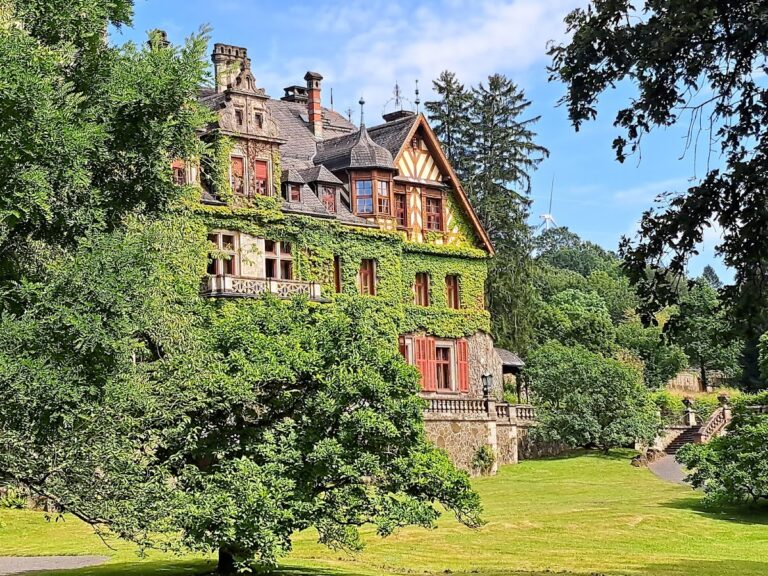
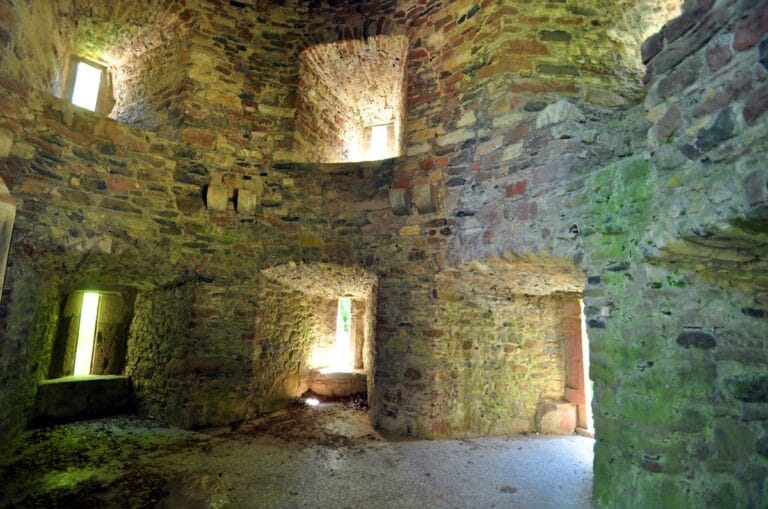
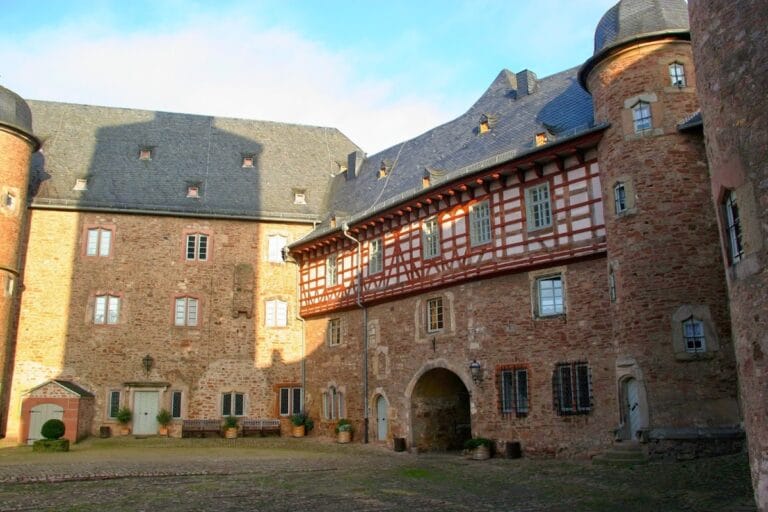
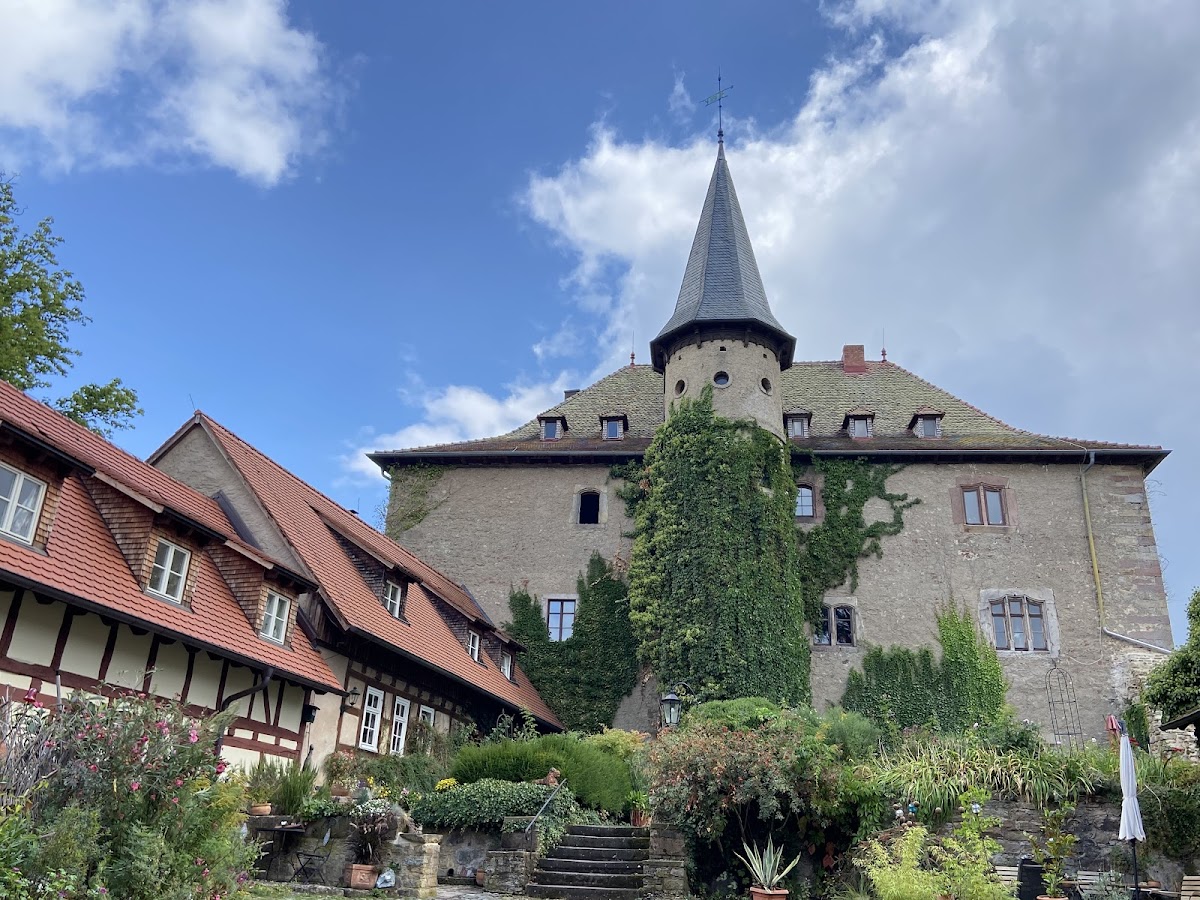
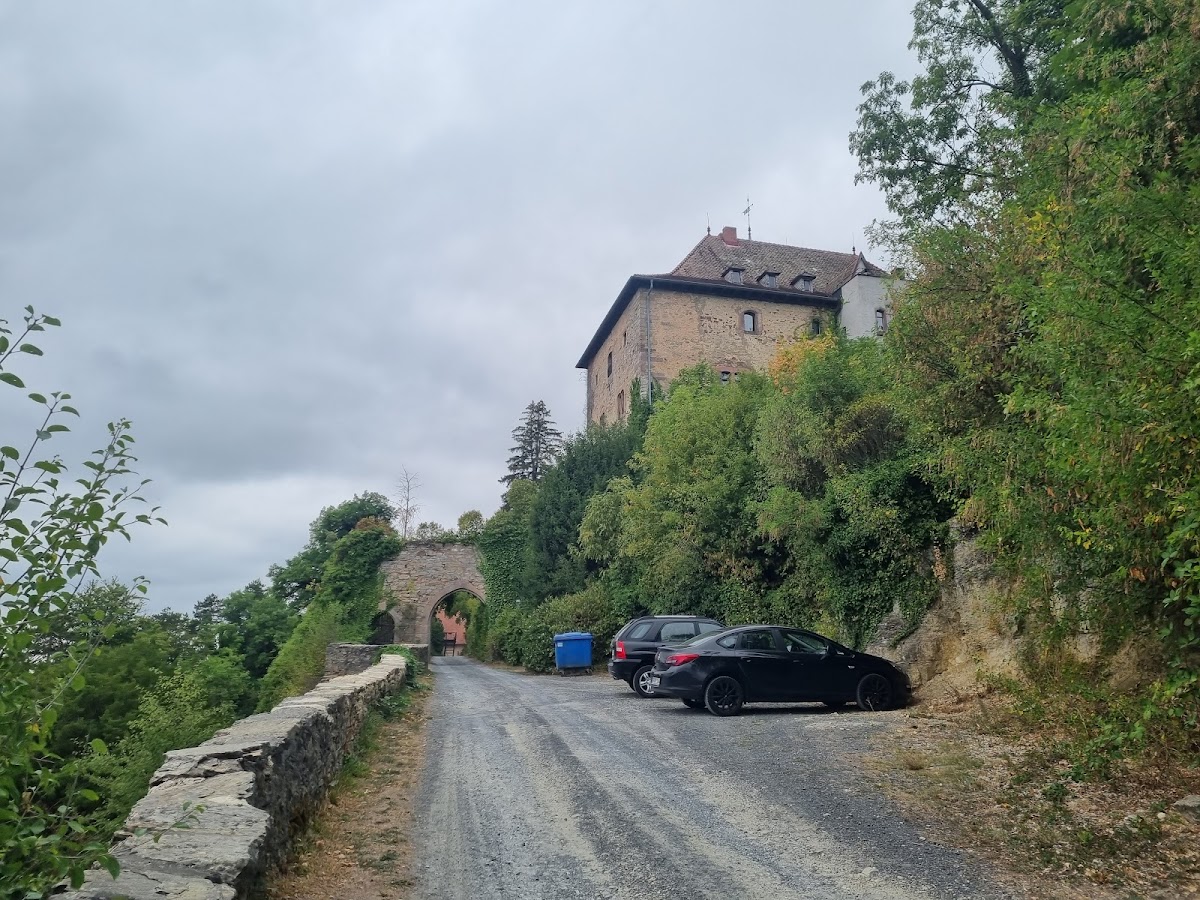
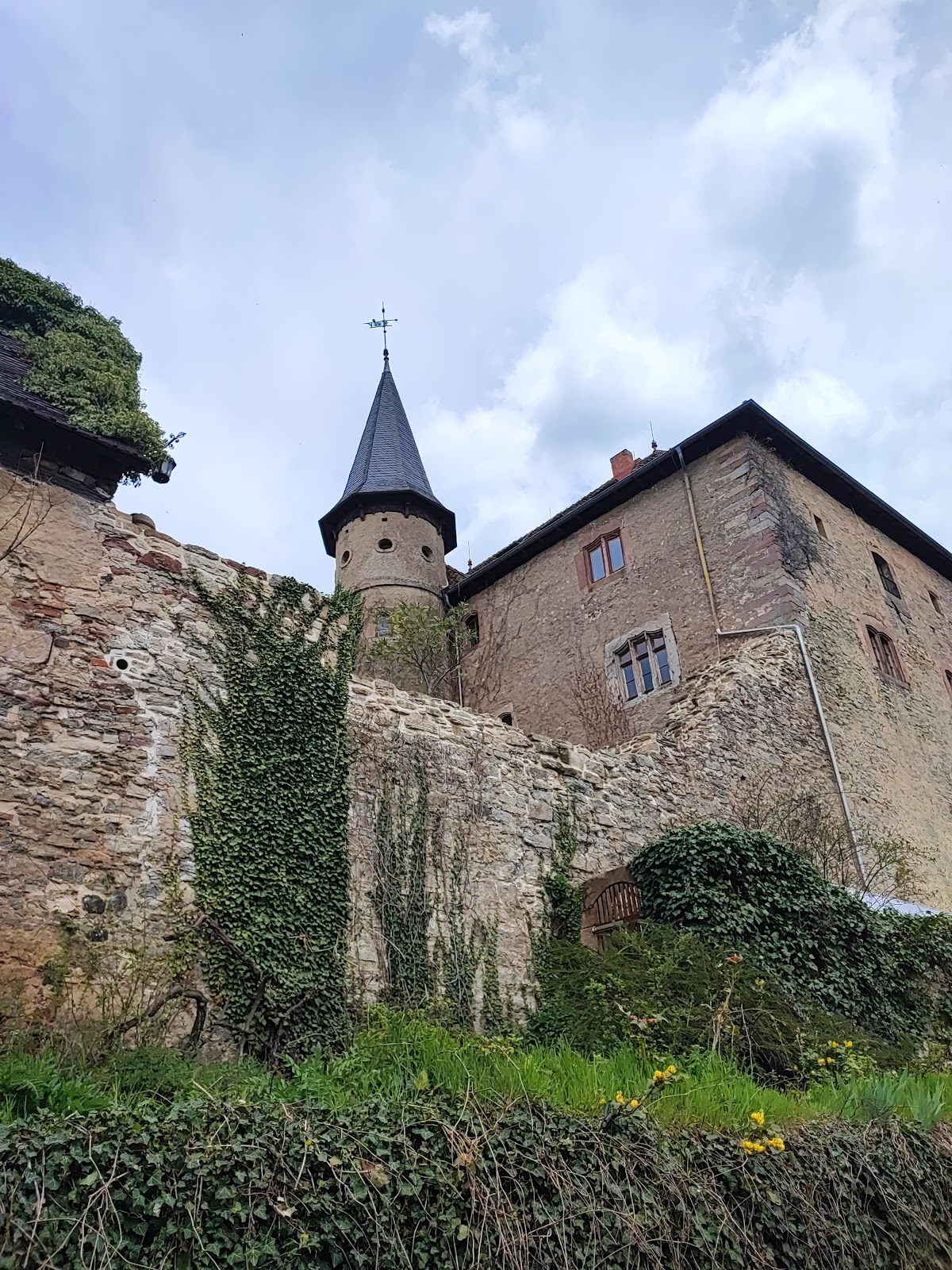
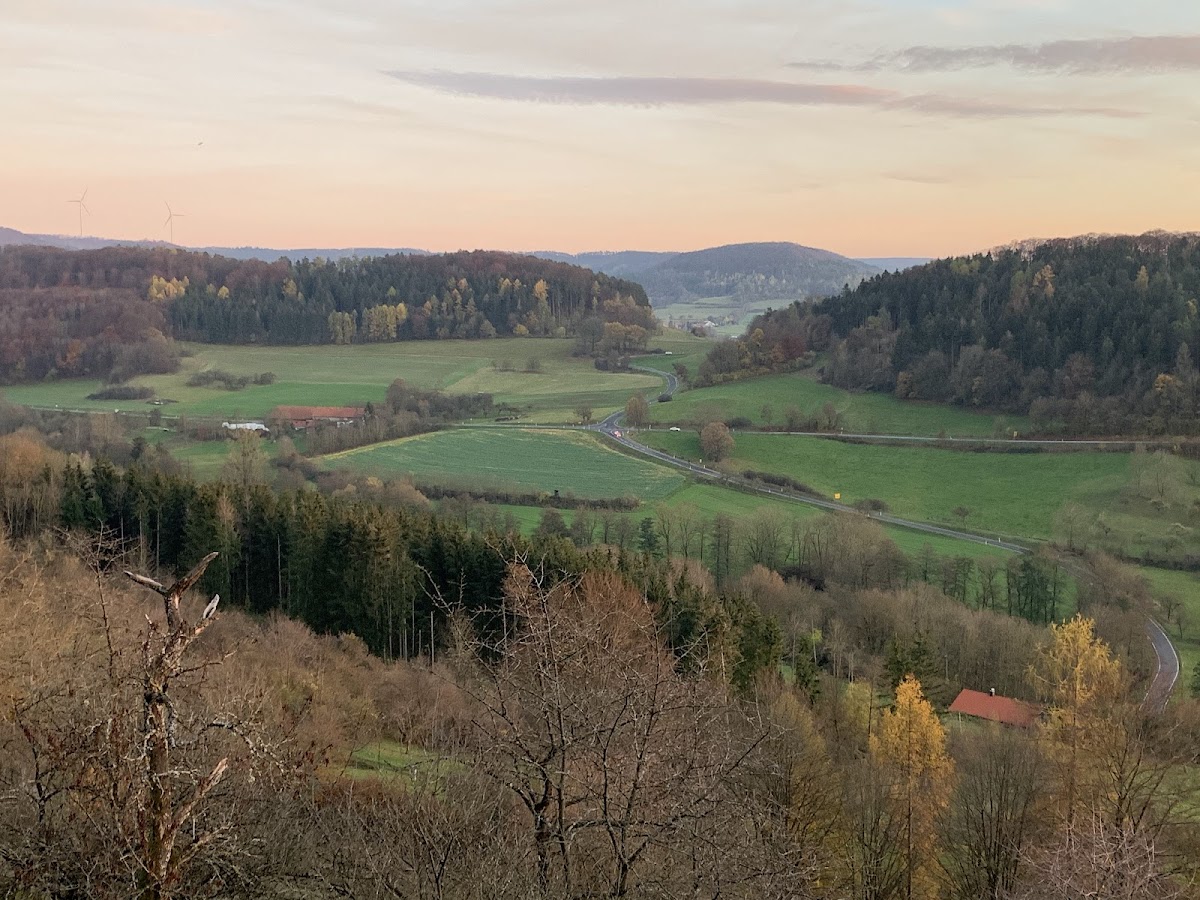
Burg Brandenstein stands at about 325 metres above sea level on a southwestern spur of the 452-metre Escheberg in the Bergwinkel region. Woodland surrounds most of the spur, while an orchard occupies the southern slope. The position overlooks the Kinzig Valley. The complex retains substantial portions of its historic fabric, reflecting its development from a defensive hilltop castle into a Renaissance residence.
Castle complex and railway tunnel
The surviving castle buildings represent several phases of construction and enlargement. The original defensive complex was created for the Steckelberg family’s territorial jurisdiction, expanded after 1316 under Ulrich IV of Hanau as an administrative centre, and enlarged again during the fifteenth century. Following the 1522 bombardment and capture, the buildings were adapted after 1540 as a Renaissance palace.
The Brandenstein Tunnel passes through the castle hill near the access road. The 144-metre railway tunnel was constructed on the Flieden to Gemünden line in 1872, about 100 metres before the castle.
Collections and outdoor features
The former stable contains a museum with more than 800 historical wooden implements. Its collection includes hand-carved clothes pegs and a machine used to knock flour from sacks. The upstairs exhibition devoted to Philipp Franz von Siebold links the building’s present use with the history of the family that owns the castle.
The grounds include a publicly accessible courtyard exhibition area and a woodland display of artworks made from natural materials. A trail through the surroundings teaches visitors about trees and plants.