Košeca Castle: A Medieval Gothic Castle in Slovakia


Site at a Glance
- Rating
- 4.4
- Popularity
- Low
- Country
- Slovakia
- Primary era
- Medieval
- Eras represented
- Medieval, Early Modern
- Civilizations
- Habsburg, Hungarian
- Site type
- Military
- Remains
- Castle
On this page9 sections
History
Košeca Castle, also called Košecký Castle, is a medieval stone Gothic castle near Košecké Podhradie in Slovakia. It probably existed by 1272, while the first certain written record dates from 1312, when Lóránd, also known as Vavřinec, served as its royal castellan, a military and administrative official who governed and defended a castle for its ruler. Although the castle had a royal official, it lay within the sphere of influence of Matúš Čák of Trenčín, a powerful magnate who controlled a large territory in the Kingdom of Hungary during the early fourteenth century.
Royal Estate and Noble Possession
For centuries, Košeca served as the administrative center of the Košeca estate, a landed domain whose revenues and administration were controlled by its lord or by the crown. The castle remained royal property until 1397, when the estate was granted to Mikuláš of Stiborice, the brother of Stibor of Stiborice. From 1407 to 1462, members of the Košecký family of Lieskov held Košeca.
King Matthias Corvinus, who ruled Hungary from 1458 to 1490, confiscated the castle from the Košecký family in 1462 because of its alliance with the forces of Ján Jiskra of Brandýs. Jiskra was a military commander whose forces operated in northern Hungary during conflicts over the succession to the Hungarian throne. Matthias granted Košeca to the commander Blažej Magyar, who first had to conquer it. After Blažej died without children and his heir later died, the castle passed to the Zápolya family, a major Hungarian noble dynasty.
Habsburg Conflict and Destruction
The Zápolya family subsequently granted Košeca to supporters. After 1526, it belonged to Ján Rozsón, who opposed Ferdinand of Habsburg’s accession to the Hungarian throne. Royal forces under General Johann Katzianer therefore captured the castle. Pavel Petróczy became its new owner and had to defend his claim in court. Košeca later passed to the Ilešházy family.
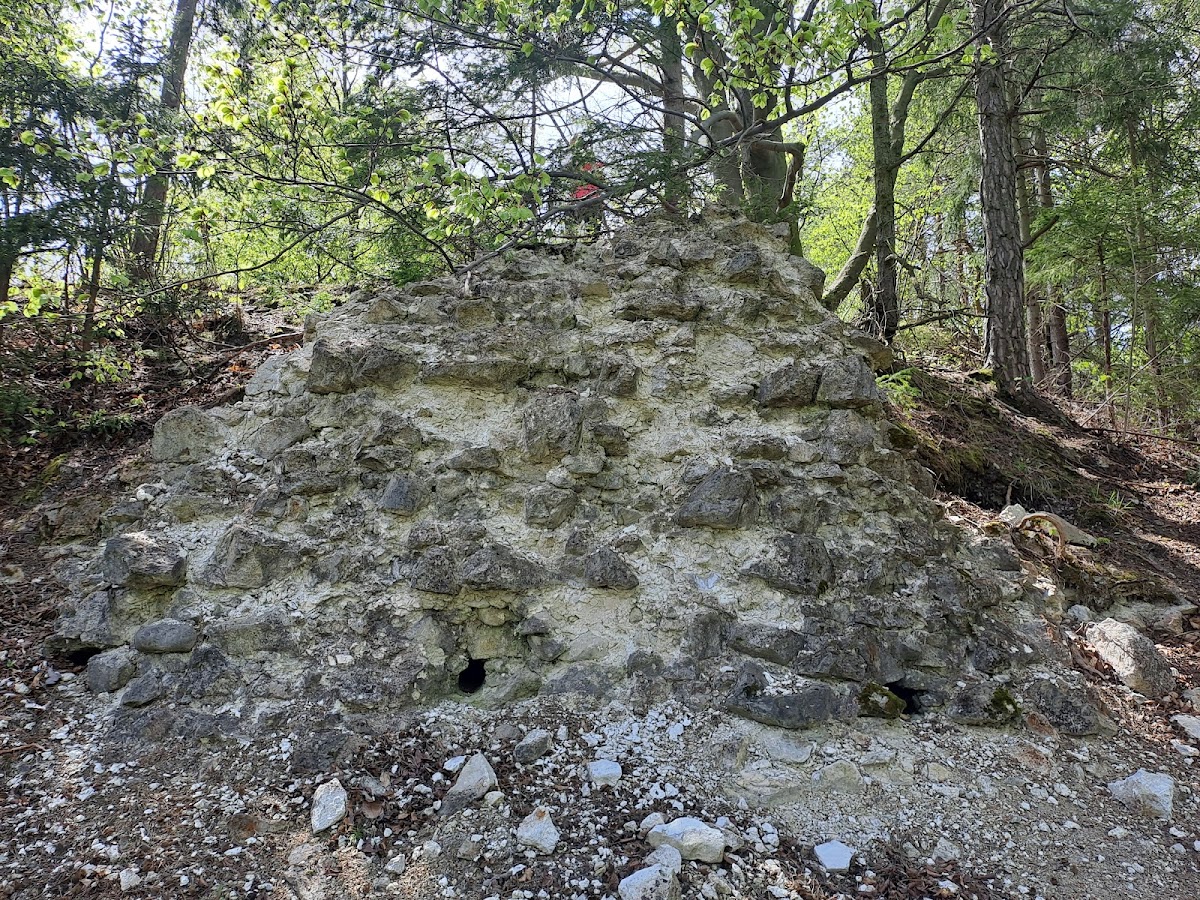
In the seventeenth century, Štefan Petróczy took part in the Wesselényi conspiracy, an aristocratic plot against Habsburg rule. Imperial forces commanded by Pavel Esterházy captured Košeca again in 1670 and destroyed it with gunpowder charges. The nearby town of Košeca then became the administrative center of the estate. The castle survives as a ruin, and its remains are protected as a national cultural monument of Slovakia.
Remains
Hilltop Layout and Fortifications
Košeca stood on the summit of a hill at approximately 450 metres above sea level near Košecké Podhradie. Its steep slopes provided natural protection and constrained the arrangement of the defenses. The castle had an elongated plan measuring about 75 by 23 metres, with the entrance gate probably located in the southern part of the eastern side.
Collapsed Fortifications
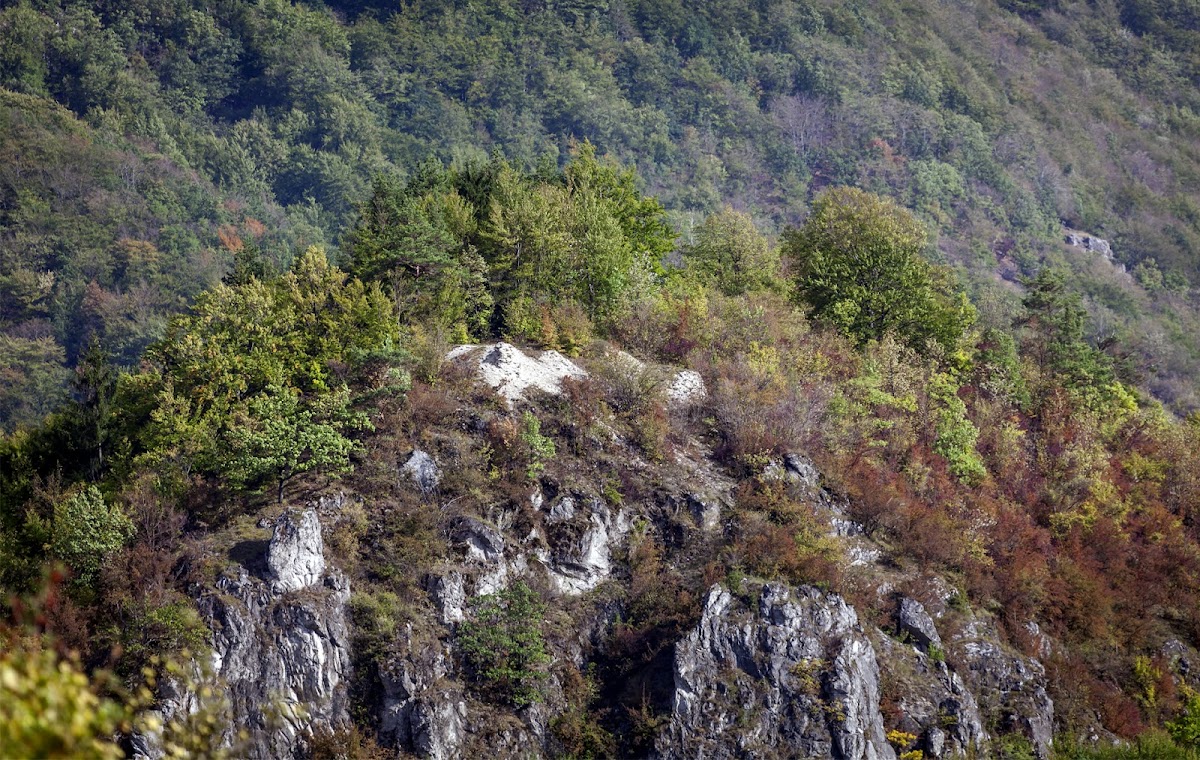
Substantial terrain deposits formed by collapsed masonry survive from the fortifications. These deposits probably conceal part of a perimeter wall that was demolished when the castle was destroyed. The present defensive remains therefore consist chiefly of ruined masonry and the altered ground formed by its collapse.
Buildings Within and Beyond the Enclosure
Southern Building
A large building, possibly tower-like in form, stood at the southern end of the castle. Its surviving remains belong to the stone Gothic structure and form part of the ruin visible on the hilltop.
Northern Courtyard Buildings
Traces of additional buildings remain visible at the northern end of the courtyard. Auxiliary buildings stood outside the perimeter wall on its northern and southwestern sides, while the principal enclosure retained its elongated courtyard arrangement.