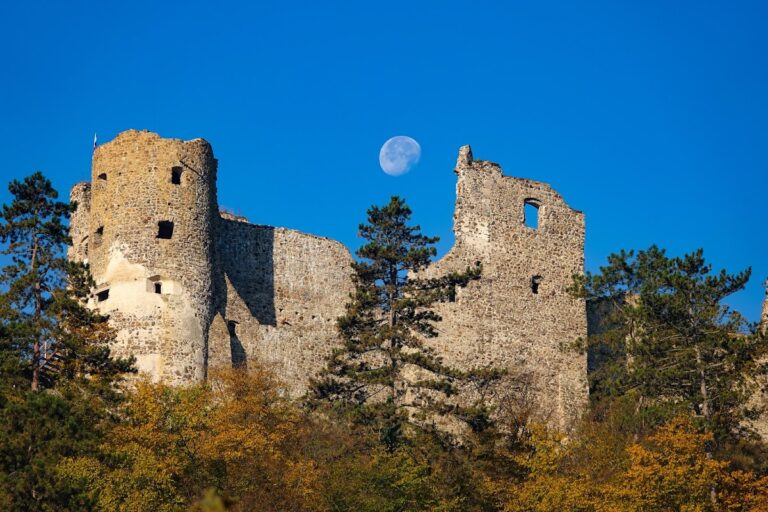
Nový zámok: Renaissance Defensive Fortress in Slovakia


Site at a Glance
- Rating
- 4.5
- Popularity
- Medium
- Country
- Slovakia
- Primary era
- Early Modern
- External website
- Open
- Eras represented
- Early Modern
- Civilizations
- Habsburg, Hungarian
- Site type
- Military
- Remains
- Fort
On this page9 sections
History
Construction and Ottoman Threat
Nový zámok is a sixteenth-century Renaissance defensive fortress in Banská Štiavnica, Slovakia, built in 1564–1571 as Ottoman forces increasingly threatened the region. Renaissance architecture was a European tradition that emphasized geometric forms, proportion, and classical design. The fortress protected a northern Hungarian mining district that produced precious metals and therefore required strong defenses.
After the Hungarian defeat at the Battle of Mohács in 1526, the mining towns strengthened their fortifications. In 1541, the Banská Štiavnica town council decided to reinforce the town’s defenses, and the council is identified as the builder of Nový zámok. The fortress formed part of an optical warning system extending from Pukanec to Ľubietová. During the day, red or black flags warned of approaching danger, while fires transmitted signals at night.
Changing Functions
Following the Battle of Vienna in 1683, the Ottoman threat declined. The battle was a major defeat for the Ottoman army during its conflict with European powers, including the Kingdom of Hungary. Nový zámok was then used until the end of the eighteenth century as a gunpowder magazine serving Banská Štiavnica’s mines.
From that period until the beginning of the Second World War, the building operated as a fire watch station and signal tower. Trumpet calls announced every quarter-hour and every full hour, while drumming at six in the morning signaled reveille, the start-of-day military routine. Twenty-four guns that had stood on the surrounding terrace were removed during the revolutionary year 1848.
Preservation and Interpretation
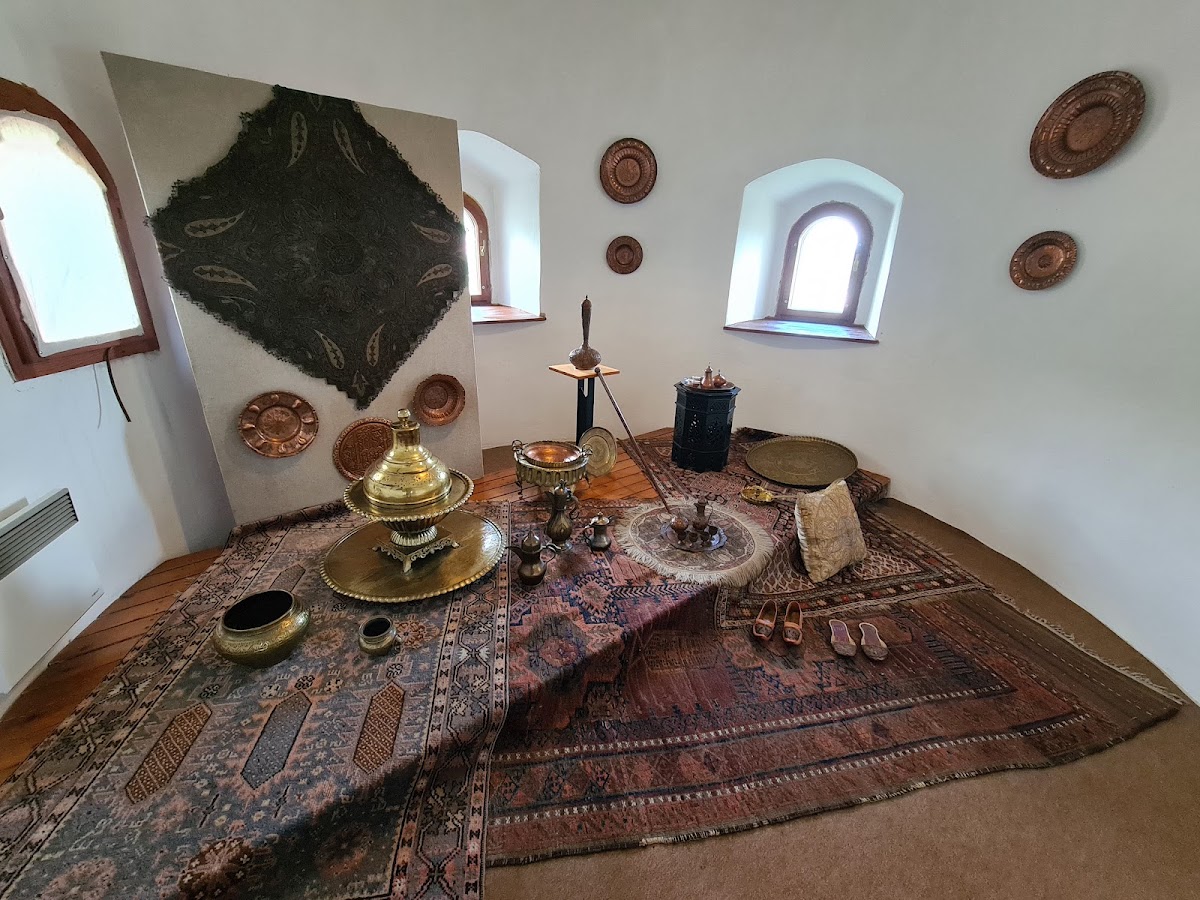
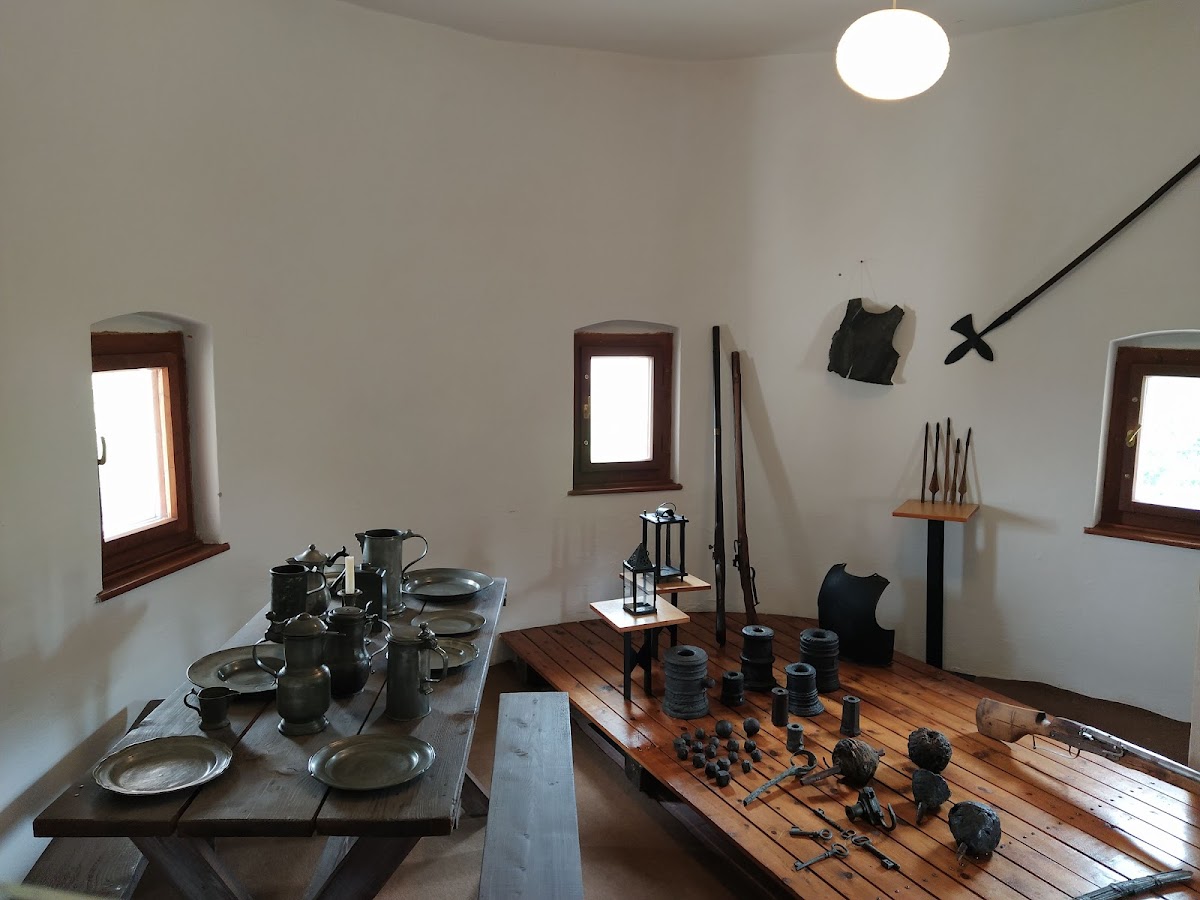
Nový zámok underwent extensive renovation in the 1960s. It is a national cultural monument and forms part of the Slovak Mining Museum. Its permanent exhibitions present the town’s history during the sixteenth- and seventeenth-century Ottoman threat, weapons and armor used by Hungarian and Ottoman forces, fortress equipment, painted shooting shields, and portraits of the Koháry family, a Hungarian noble family active in the political and military history of the Kingdom of Hungary.
A separate exhibition focuses on the Banská Štiavnica Volunteer Fire Brigade, founded in 1873 as one of the earliest volunteer fire brigades in present-day Slovakia. The fortress also houses a permanent exhibition on the anti-Ottoman wars in Slovakia across four floors.
The building has also acquired several traditional names. Dievčenský hrad, Dievčenský zámok, and Panenský hrad derive from the hill’s name, Panieński Wierch, also known as Frauenberg. Another tradition connects the name with Barbora Rössl, the daughter of one of Banská Štiavnica’s wealthiest burghers. According to this tradition, she gave money intended for her dowry toward construction because of the Ottoman danger. Barbora later appeared as a character in Jozef Horák’s novel Zlaté mesto.
Remains
Fortress Layout
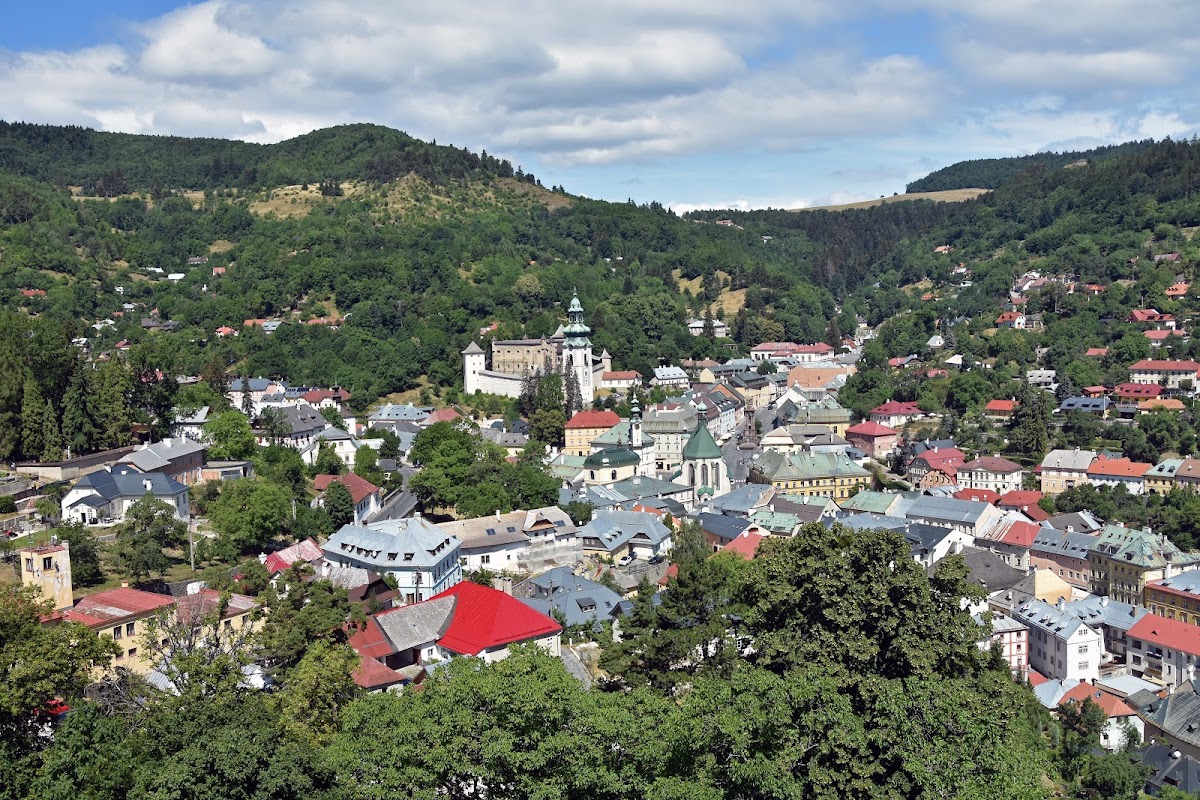
Nový zámok stands several hundred metres south of Banská Štiavnica’s old-town centre, on a small hill 630 metres above sea level. Its position overlooks the road from the town toward the Štiavnické Bane area and onward to Pukanec and Levice, a route considered especially vulnerable to attack. The fortress is built of stone covered with plaster, with a massive quadrangular central tower and four lower round corner bastions. A bastion is a projecting part of a fortification designed to provide defensive fire along the walls and against attackers.
Central Tower
The central tower rises through several storeys and contains numerous loopholes for firearms, including artillery. Its roof slopes on all sides and is topped by an openwork turret with a bulbous cupola, a rounded dome-like roof. The highest storey functions as a viewing terrace over Banská Štiavnica and its surrounding area.
Corner Bastions
Four round bastions adjoin the central block and reach the level of its third storey. They also contain loopholes intended for firearms and artillery. Their conical roofs are incomplete, and, like the roof of the central tower, they are covered with wooden shingles.
Former Defensive Walls
The fortress was originally incorporated into Banská Štiavnica’s defensive walls. These walls extended from Nový zámok toward Piarg Gate and toward Kammerhof, creating connections between the fortress and the wider town defenses. The surviving building therefore represents one element of a larger defensive arrangement that once enclosed and protected the mining town.