Cally Palace: A Classical Country House in Scotland
Site at a Glance
- Popularity
- Medium
- Country
- United Kingdom
- Primary era
- Early Modern
- Eras represented
- Medieval, Early Modern
- Civilizations
- British, Kingdom of Scotland
- Site type
- Domestic
- Remains
- Elite Residence
On this page11 sections
History
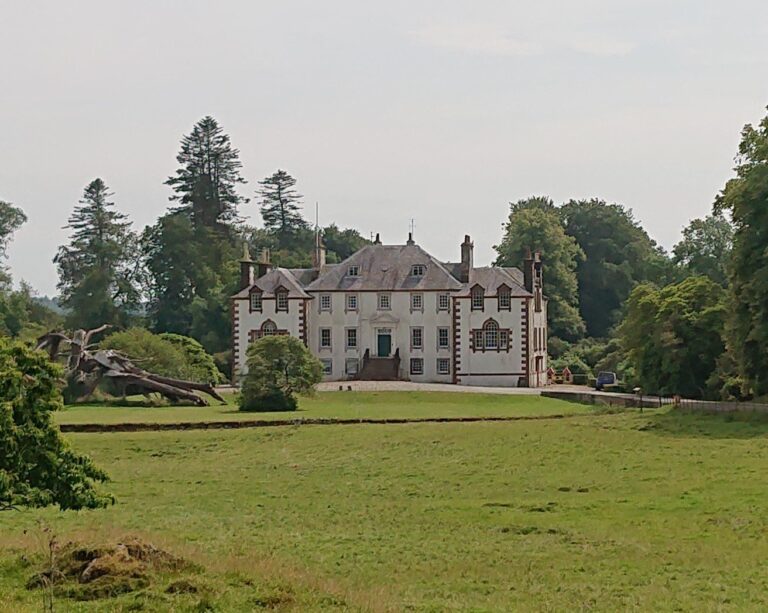
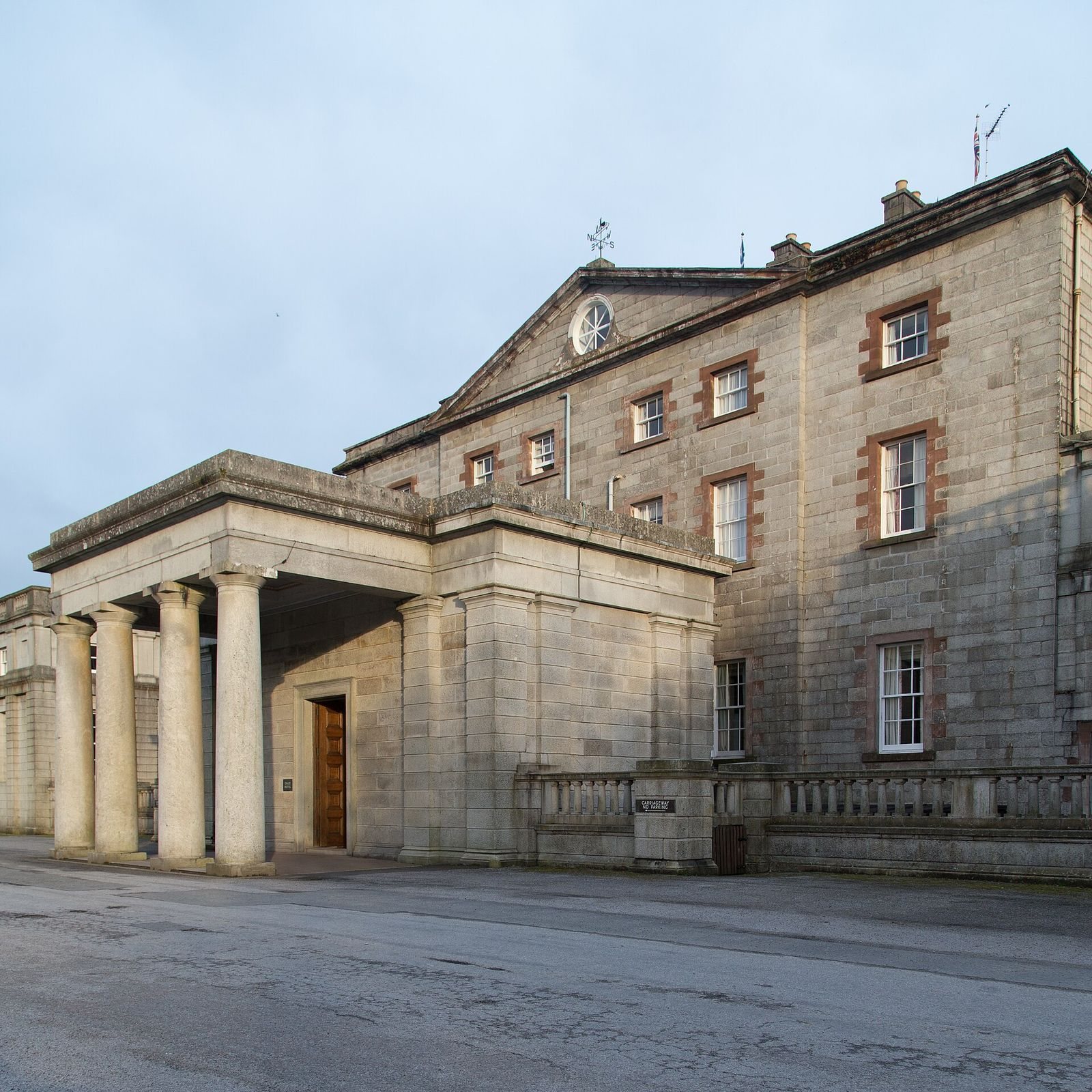
Cally Palace, formerly Cally House, is a classical country house near the estuary of the Water of Fleet, about 1–1.5 km south of Gatehouse of Fleet in Scotland, United Kingdom. Commissioned by James Murray and completed in the 1760s, it became the centre of an estate with a much longer history of settlement and ownership.
Medieval site and estate ownership
A motte, a raised mound that supported a fortified structure, stood at this strategically placed site in the twelfth century. In the fourteenth century, the land belonged to John Craigie of Dalmeny, and a fortified building, probably a tower house, occupied the site. The estate passed by marriage to the Stewart family and was sold later that century to the Lennox family, who retained it until 1658.
After no male heir claimed the Lennox lands, Cally passed to Anna Lennox, wife of Richard Murray. The estate later descended through the Murray family to Alexander Murray of Broughton, who acquired Broughton House in Kirkcudbright in 1740.
The Murray house
Before James Murray inherited Cally in 1751, his father consulted the architect William Adam about a new house there, but the proposal was abandoned. James, a grandson of both the 5th Earl of Galloway and the 9th Earl of Eglinton, later commissioned an unbuilt design from Isaac Ware in the Palladian tradition, a form of classical architecture influenced by Andrea Palladio. After meeting Robert Mylne in Rome in the mid-1750s, James commissioned a different design, which was built on a smaller scale than Ware’s proposal.
James moved to Cally to allow the redevelopment of Gatehouse of Fleet, which required the demolition of his town residence, Broughton House. His new country house was completed in the 1760s.
Alterations and changing use
James’s grandson Alexander Murray altered the house, and further work followed in the 1850s, alongside landscaping by William Dewar. From the late nineteenth century into the early twentieth, Cally was let to tenants. Ranbir Singh, ruler of the princely state of Jind in northwestern India, was its last tenant, living there from 1930 to 1932.
James William Baillie inherited the property in 1904 and took the name Murray Baillie. He lived at Cushat Wood and leased Cally. Elizabeth Murray Usher inherited the estate in 1924 and sold the house and grounds to the Forestry Commission in 1933. The house and 100 acres were then sold for conversion into a hotel, which opened in 1934. During the Second World War, the hotel housed a residential school for evacuees from Glasgow. It reopened as a hotel in the later 1940s and has continued in that use. Later owners or operators included Trust House Forte, North West Hotels Ltd, McMillan Hotels and BeSpoke Hotels.
Cally Palace entered Scotland’s Category A listing, its highest category for historic buildings, in 1971. The grounds were added to the Inventory of Gardens and Designed Landscapes in Scotland in 1987, which identifies nationally important designed landscapes. The estate also lies within the Gatehouse of Fleet conservation area and the Fleet Valley National Scenic Area, a designation for landscapes valued for their scenery.
Remains
The surviving estate combines the country house with parkland and traces of earlier fortified occupation. Its grounds once covered more than 1,000 acres and included orchards, pleasure gardens, hothouses and deer parks. The landscape now includes parkland and a golf course.
House and designed grounds
Cally Palace
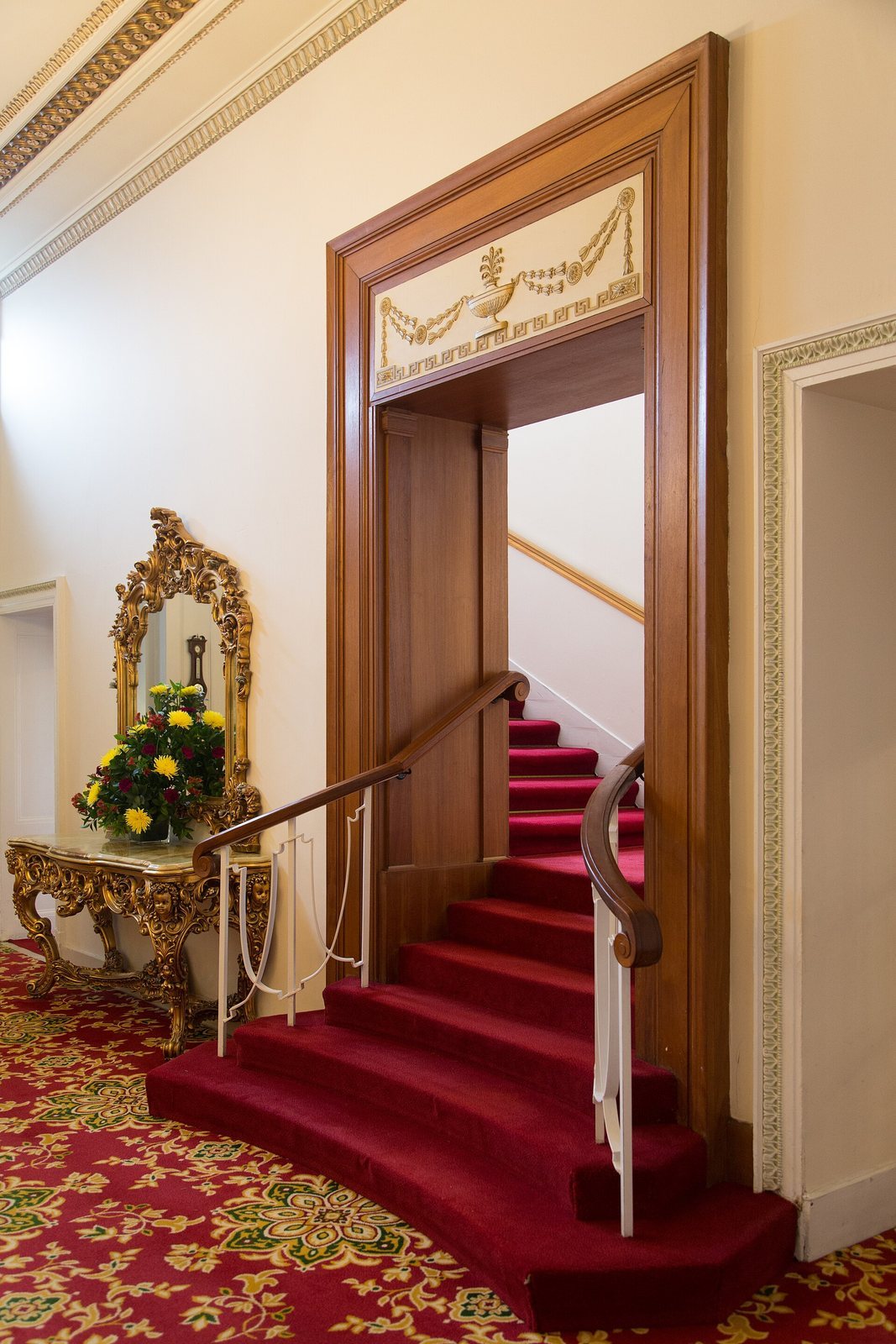
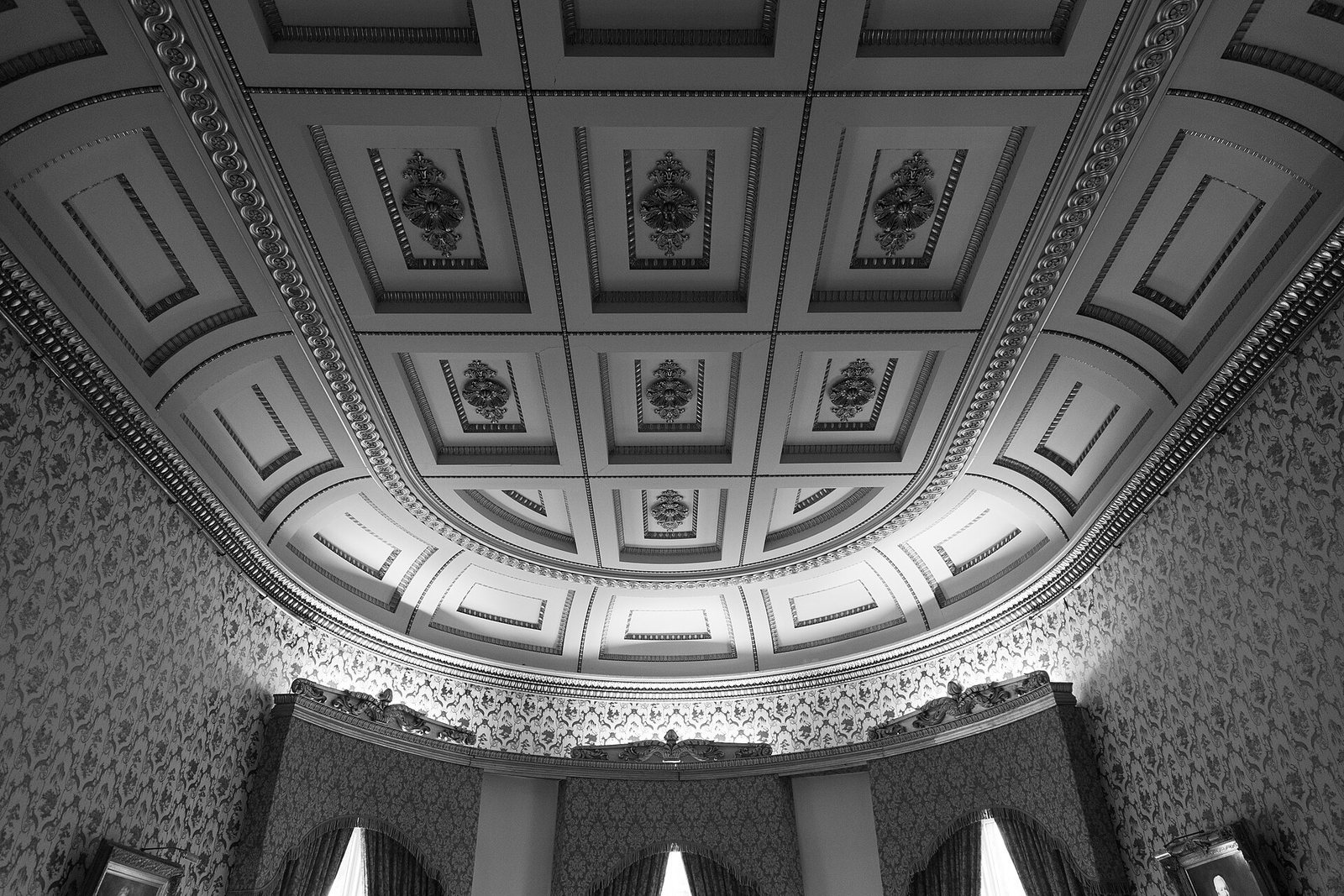
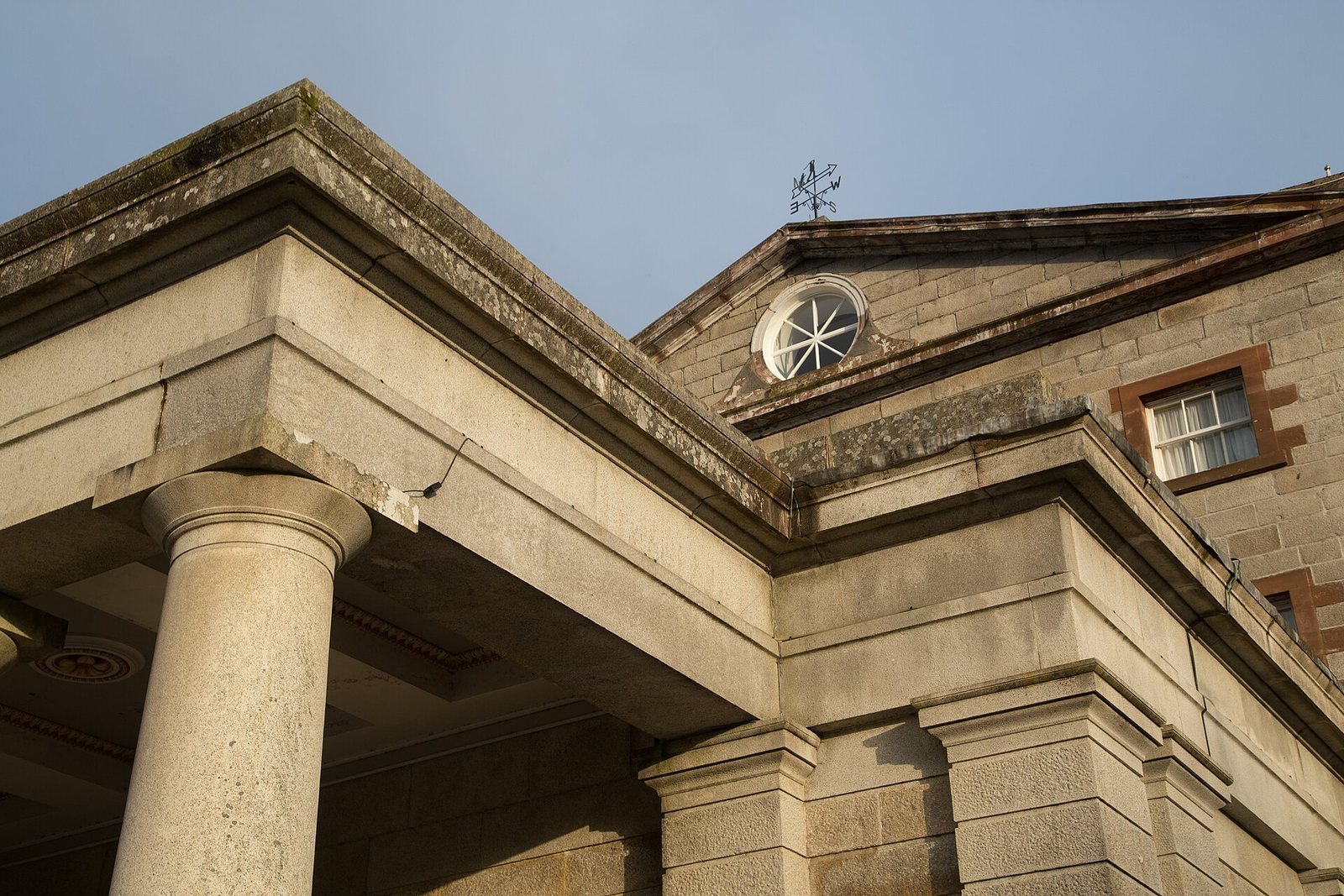
The classical house has 56 rooms. Its built form followed Mylne’s design, at a smaller scale than Ware’s unrealized proposal. Later alterations included a portico designed by the architect John Buonarotti Papworth.
Estate landscape
The grounds retain their character as a designed estate, though their use and extent have changed. The estate’s earlier arrangement included cultivated and landscaped areas as well as deer parks; parkland and a golf course now form part of the grounds.
Earlier fortified site
Motte
Remains of the raised mound that formed the base of a fortified structure survive within the grounds.
Fortified building
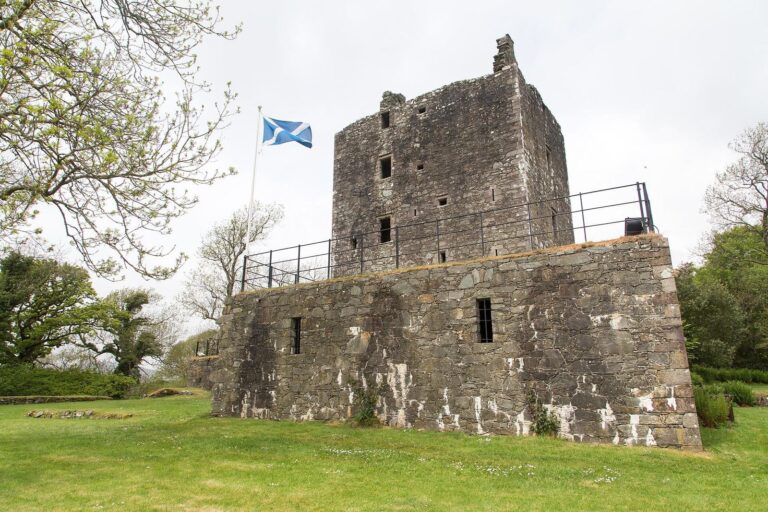
A fortified building, probably a tower house, is associated with the site. It is thought to have resembled Cardoness Castle across the Water of Fleet. A Blaeu atlas of 1654 depicts a fortified building at Cally amid surrounding parkland, with a bridge crossing the Water of Fleet.