Hwando: A Goguryeo Mountain Fortress and Capital
Site at a Glance
- Popularity
- Medium
- Country
- China
- Primary era
- Classical
- Eras represented
- Classical
- Civilizations
- Goguryeo
- Site type
- Military
- Remains
- Citadel
On this page5 sections
History
Hwando was a mountain fortress of Goguryeo near Ji’an in Jilin Province, China. King Yuri is credited with moving Goguryeo’s capital to Gungnae Fortress in 3 CE and building a nearby mountain stronghold, first called Winaam Fortress, to defend it. Gungnae served as a lowland residence in peacetime, while the mountain fortress was used in wartime.
Expansion and capital status
After Chinese military leader Gongsun Du invaded Goguryeo in 197, the fortress was greatly enlarged in 198 and renamed Hwando. King Sansang is also credited with completing the fortified city after roughly a decade of construction. In 209, he transferred the capital there, and Hwando served as a second capital.
Wei attacks and relocation
In 242, King Dongcheon attacked a Wei fortress near the Amnok River in an effort to obstruct Wei access to the Korean peninsula. In the mid-240s, forces from Wei, a Chinese state, captured and sacked Hwando under the command of Guanqiu Jian, a governor and military leader. Goguryeo later rebuilt the fortress. By 247, however, the king judged that war damage had made it unsuitable as a capital. Goguryeo moved its people, royal ancestral temple, and state altars to Pyongyang Fortress, a new stronghold near Tonggou, not at the site of modern Pyongyang.
Return and destruction under Former Yan
Goguryeo captured the Lelang commandery, a Chinese administrative district on the Korean peninsula, in 313, ending Chinese rule there. In the early 340s, Hwando again became the residence of King Gogukwon. Former Yan, a northern Chinese state founded by the Murong clan of the Xianbei people, then devastated the city. Murong Huang led 40,000 troops in the attack. His forces seized Gogukwon’s mother and queen, removed the body of his father, King Micheon, from its tomb, looted stored treasures, and captured more than 50,000 men and women. They burned the palace buildings and demolished Hwando.
In 2004, Hwando became part of the UNESCO World Heritage property Capital Cities and Tombs of the Ancient Koguryo Kingdom, together with sites including Gungnae and Ohnyeosan.
Remains
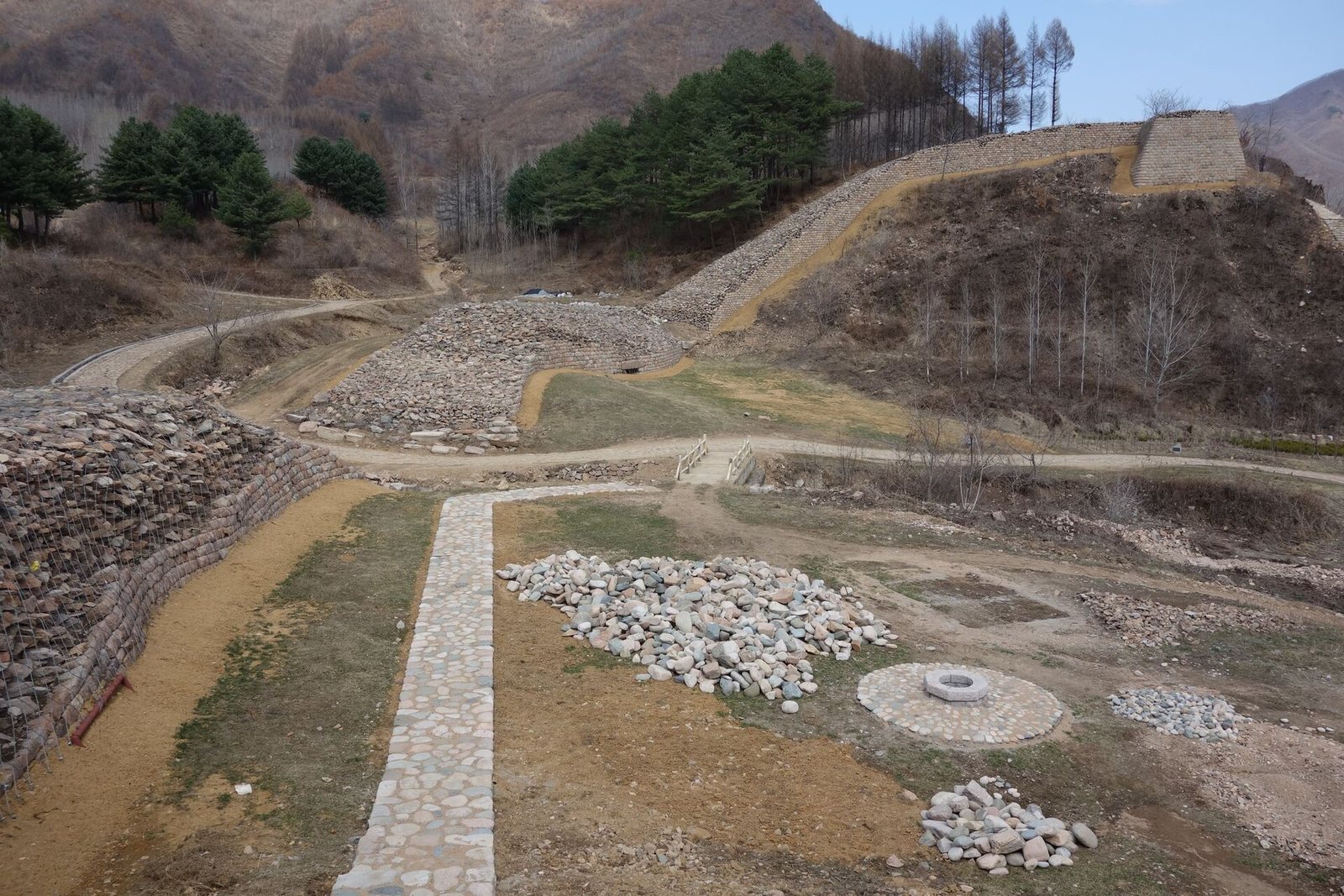
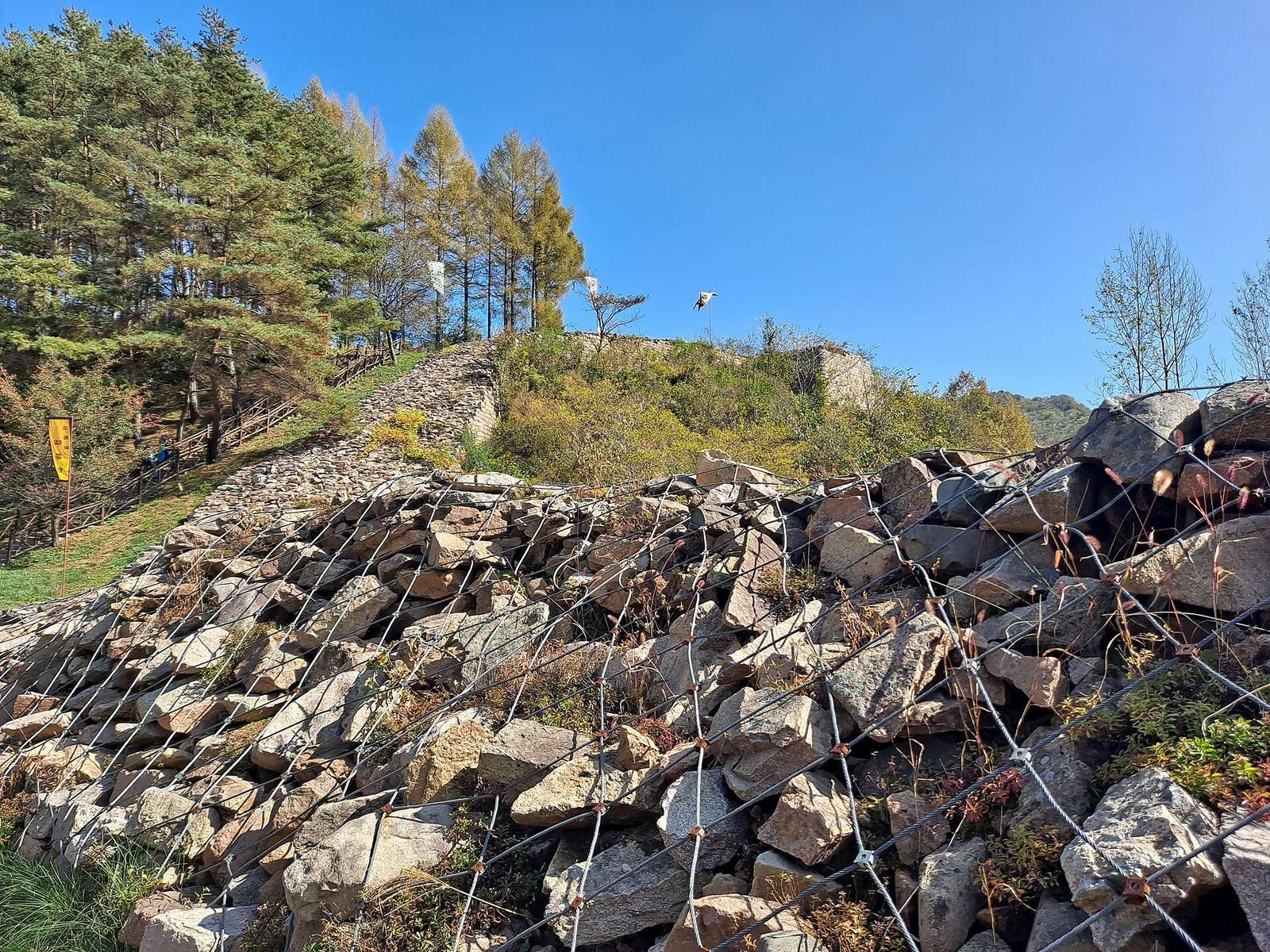
The fortress occupies Hwando Mountain, at an elevation of 676 m and about 2.5 km west of Ji’an. A steep ridge rises behind it, while the Tonggou River runs in front. The position overlooks Gungnae and the Amnok River, allowing movements in the surrounding area to be observed. The southern gate provided the only approach for an attacking force.
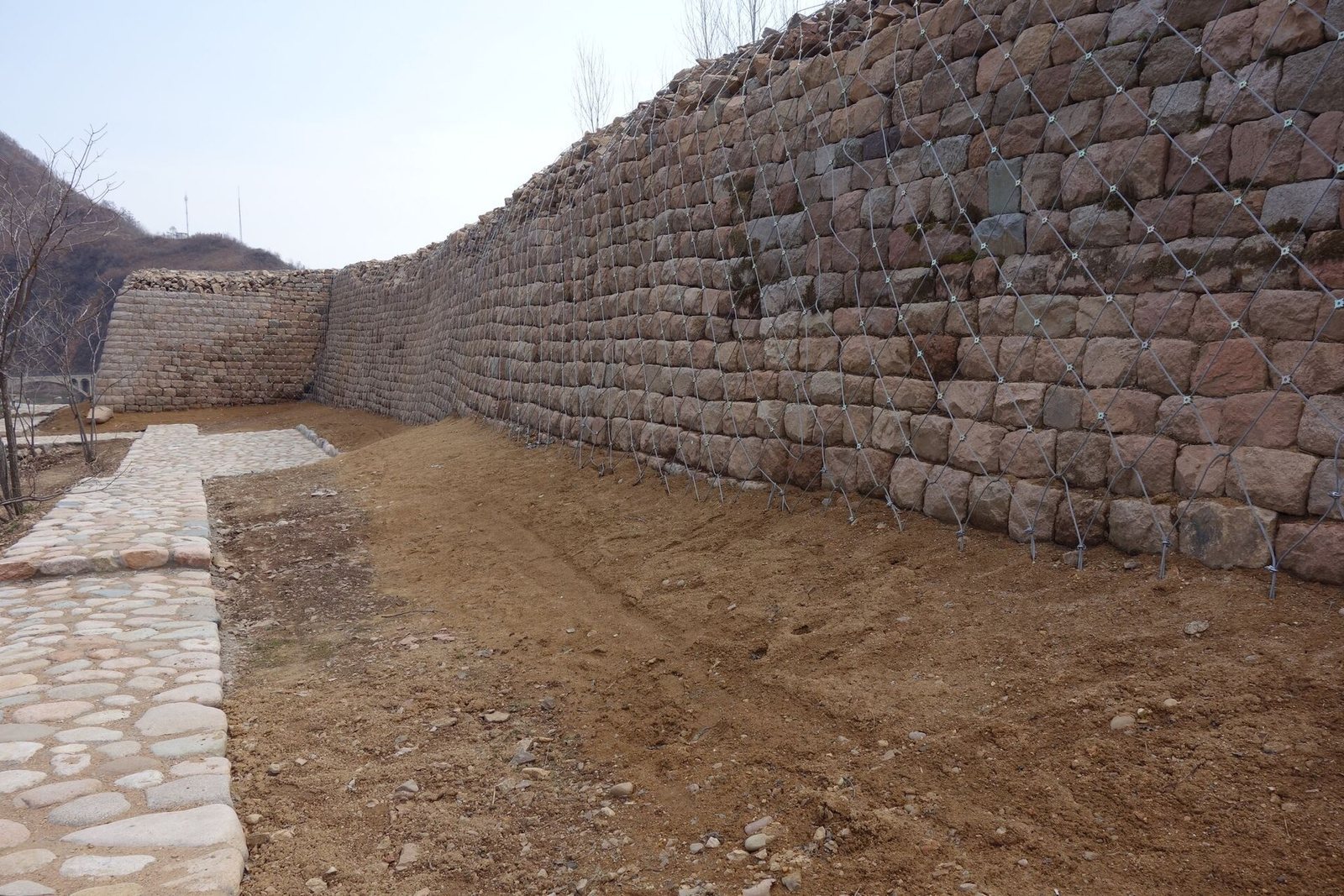
The walls enclosed a perimeter of about 7 km, and the eastern wall reached 6 m in height. Most of the wall remains have collapsed. Portions of the southern wall and remnants of a watchtower survive.