Honcopampa: A Wari Political and Religious Complex in Peru
Site at a Glance
- Popularity
- Medium
- Country
- Peru
- Primary era
- Medieval
- Eras represented
- Medieval
- Civilizations
- Wari
- Site type
- Settlement
On this page7 sections
History
Honcopampa is an archaeological complex in San Miguel de Aco District, Peru, built by the Wari, an Andean culture, during the Chakipampa period (AD 650–725). Chakipampa was a phase of Wari culture within the Middle Horizon, a period of regional political development. Honcopampa served political and religious purposes and is regarded as one of the most important archaeological sites in the Callejón de Huaylas.
The name may derive from Ancash Quechua words meaning “swamp” and “plain,” although this interpretation is uncertain.
Remains
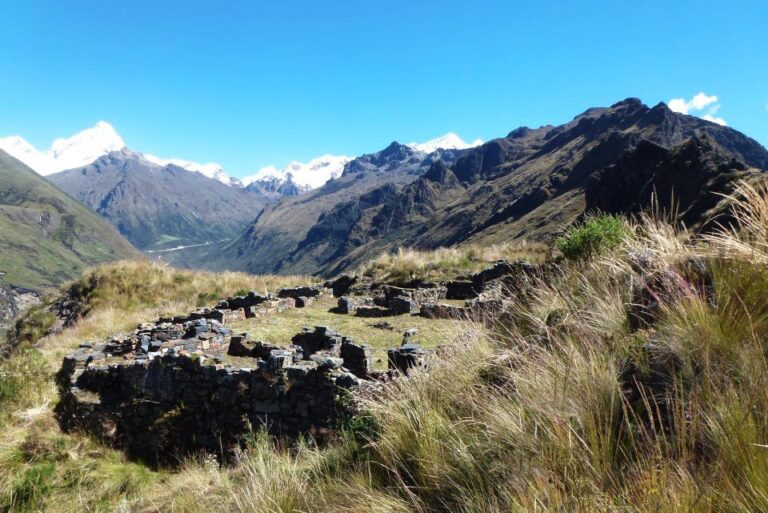
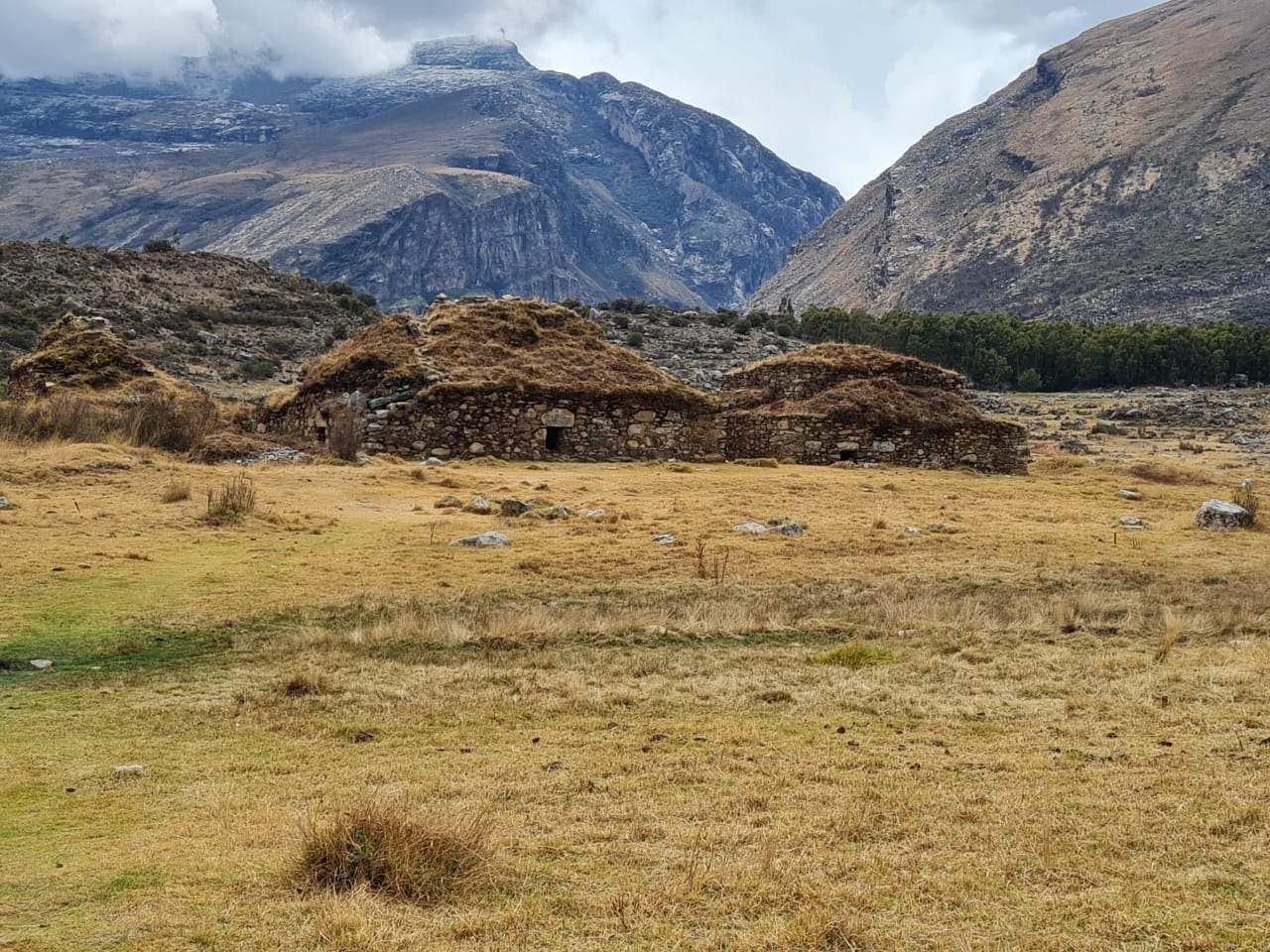
The complex covers about 12 hectares at approximately 3,565 metres above sea level. It lies on the eastern side of the Callejón de Huaylas in the Cordillera Blanca, at the entrance to the Akillpo ravine. Its main complex is divided into residential and ceremonial sectors, with a third sector farther northwest.
Sectors and buildings
Purushmonte
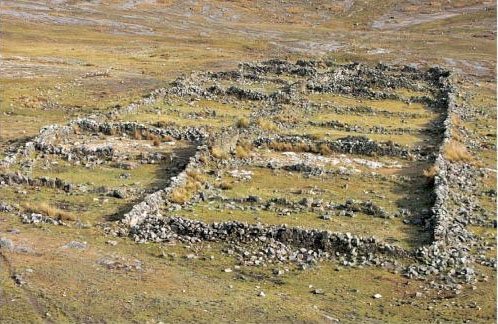
The residential sector, Purushmonte, includes plazas, structures, and terraces.
Ama Puncu
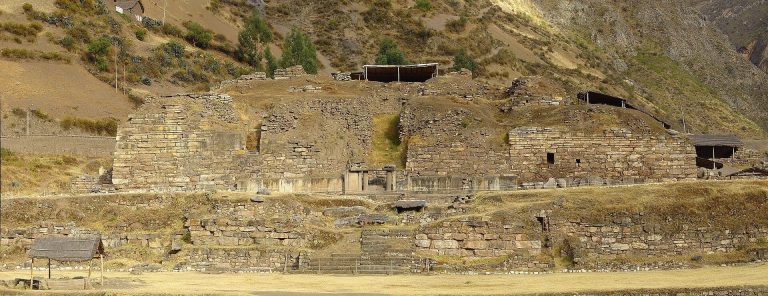
The ceremonial sector, Ama Puncu, contains an enclosed plaza with a U-shaped plan.
Chucara Ama
The complex’s third sector, Chucara Ama, is about 1 kilometre northwest of Ama Puncu.
Multi-chamber buildings
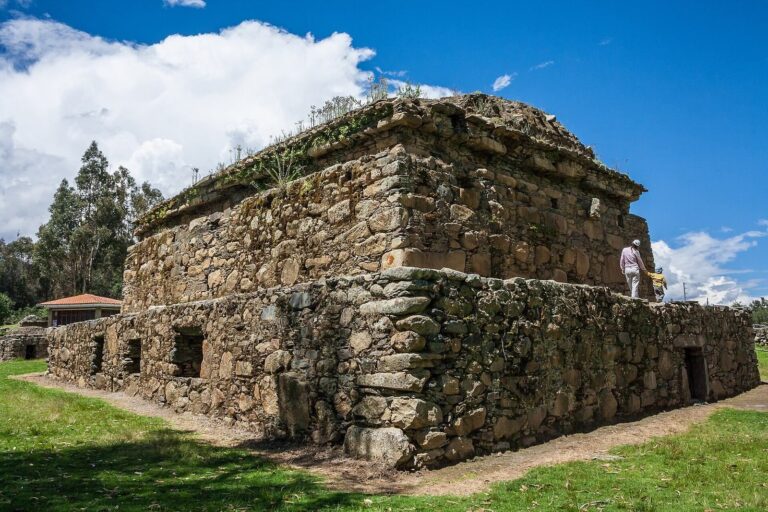
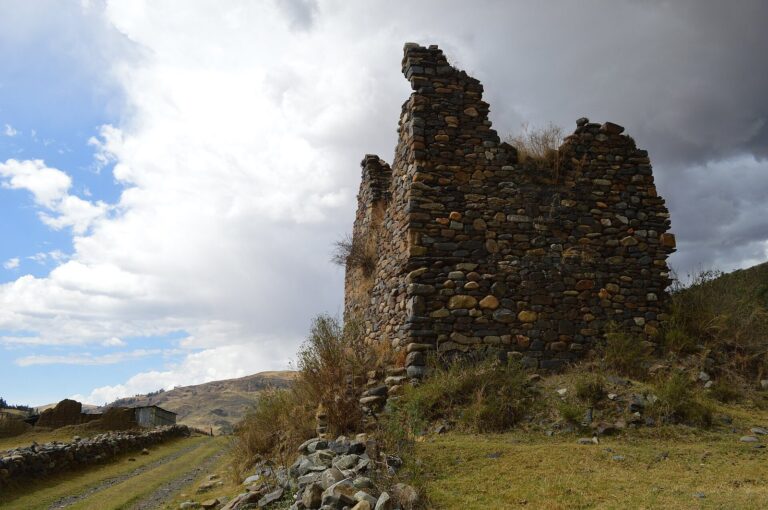
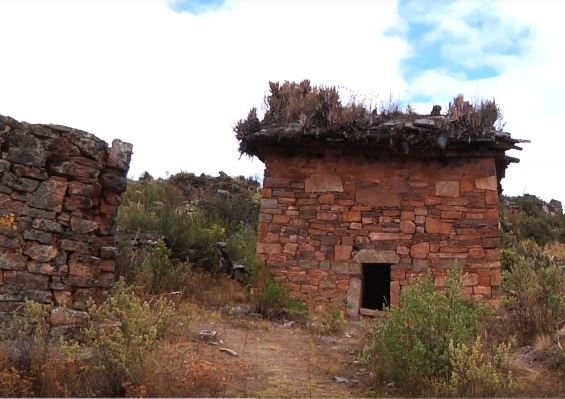
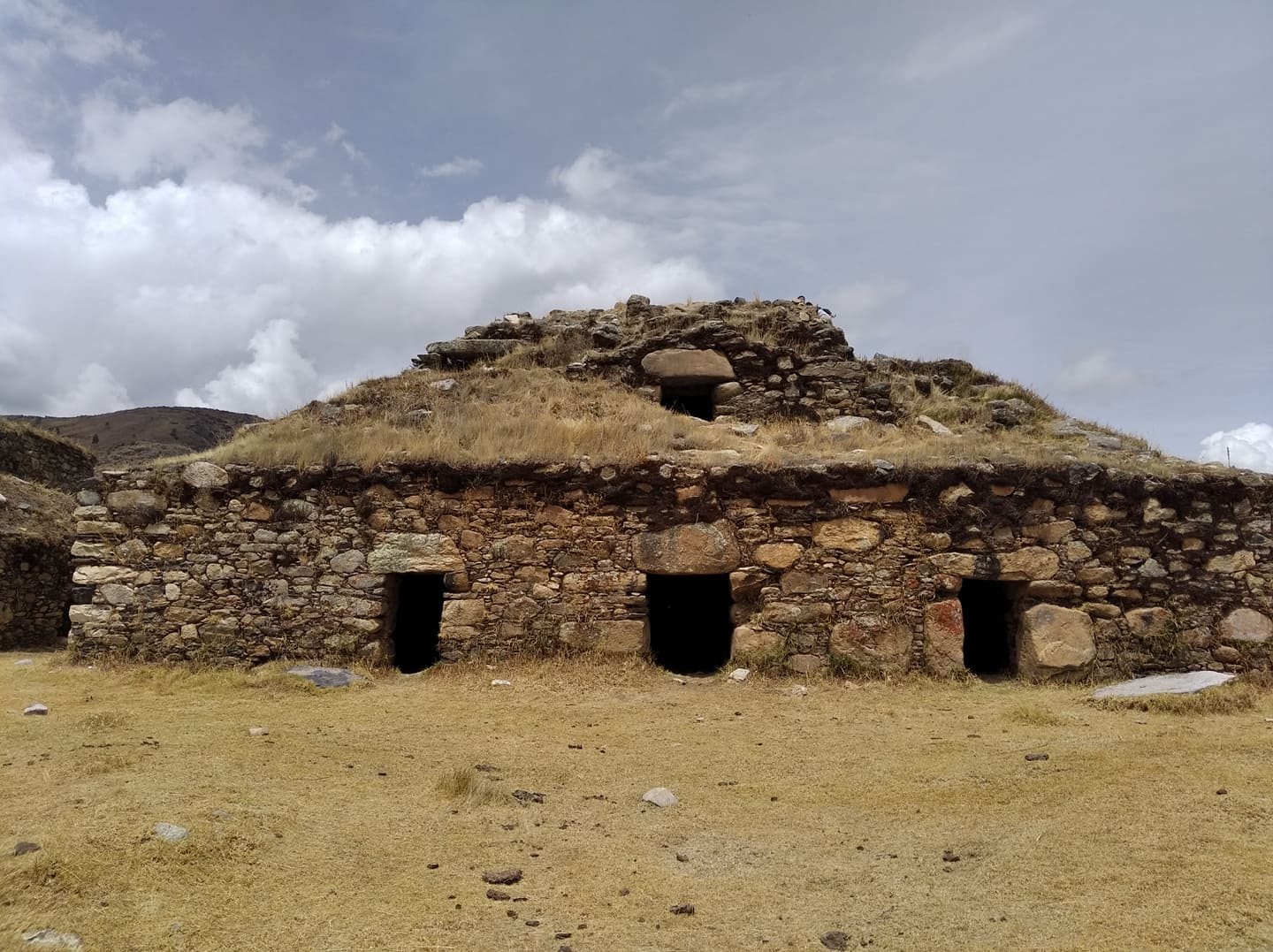
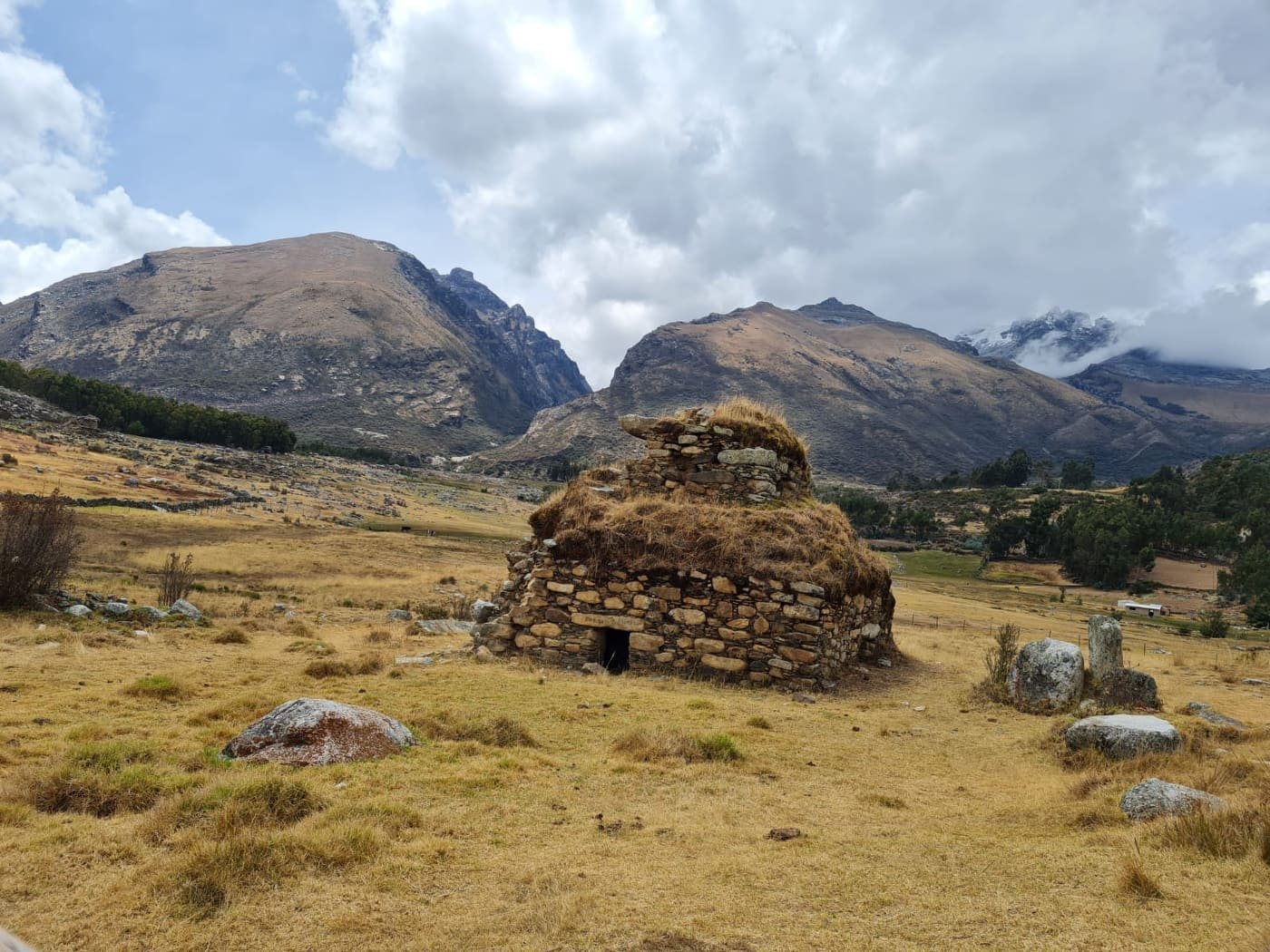
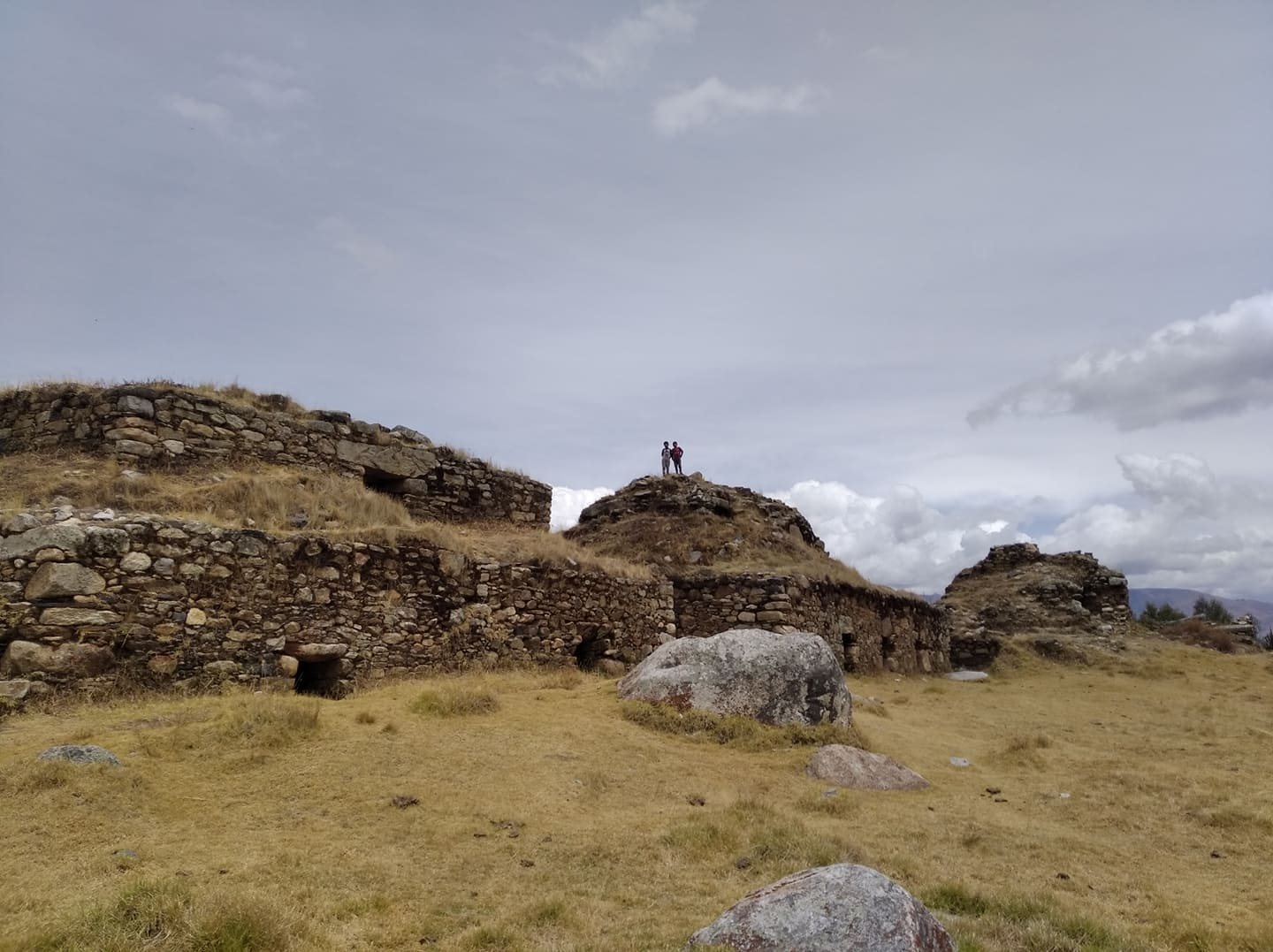
A series of buildings with multiple chambers forms part of the complex. These are described as chullpas, a term for Andean funerary structures often built as tomb towers; at Honcopampa, it refers to the multi-chambered buildings.