Roscam: An Early Christian Monastic Site in Ireland
Site at a Glance
- Popularity
- Medium
- Country
- Ireland
- Primary era
- Medieval
- Eras represented
- Medieval
- Civilizations
- Irish
- Site type
- Religious
- Remains
- Monastery
On this page9 sections
History
Early monastery and Viking attack
Roscam is an early Christian ecclesiastical site in Ireland, about 4 km east of Galway city centre, where a monastery stood by the fifth century. Tradition links the monastery with Saint Patrick, Ireland’s patron saint. It was also associated with Odran, identified as a brother of Ciarán of Clonmacnoise, an early Irish Christian saint.
In the sixth century, Saint Aedus brought the bones of Brión mac Echach Muigmedóin to Roscam. Vikings, Scandinavian seafarers who raided and settled in parts of early medieval Ireland, attacked the site in AD 807.
Medieval development
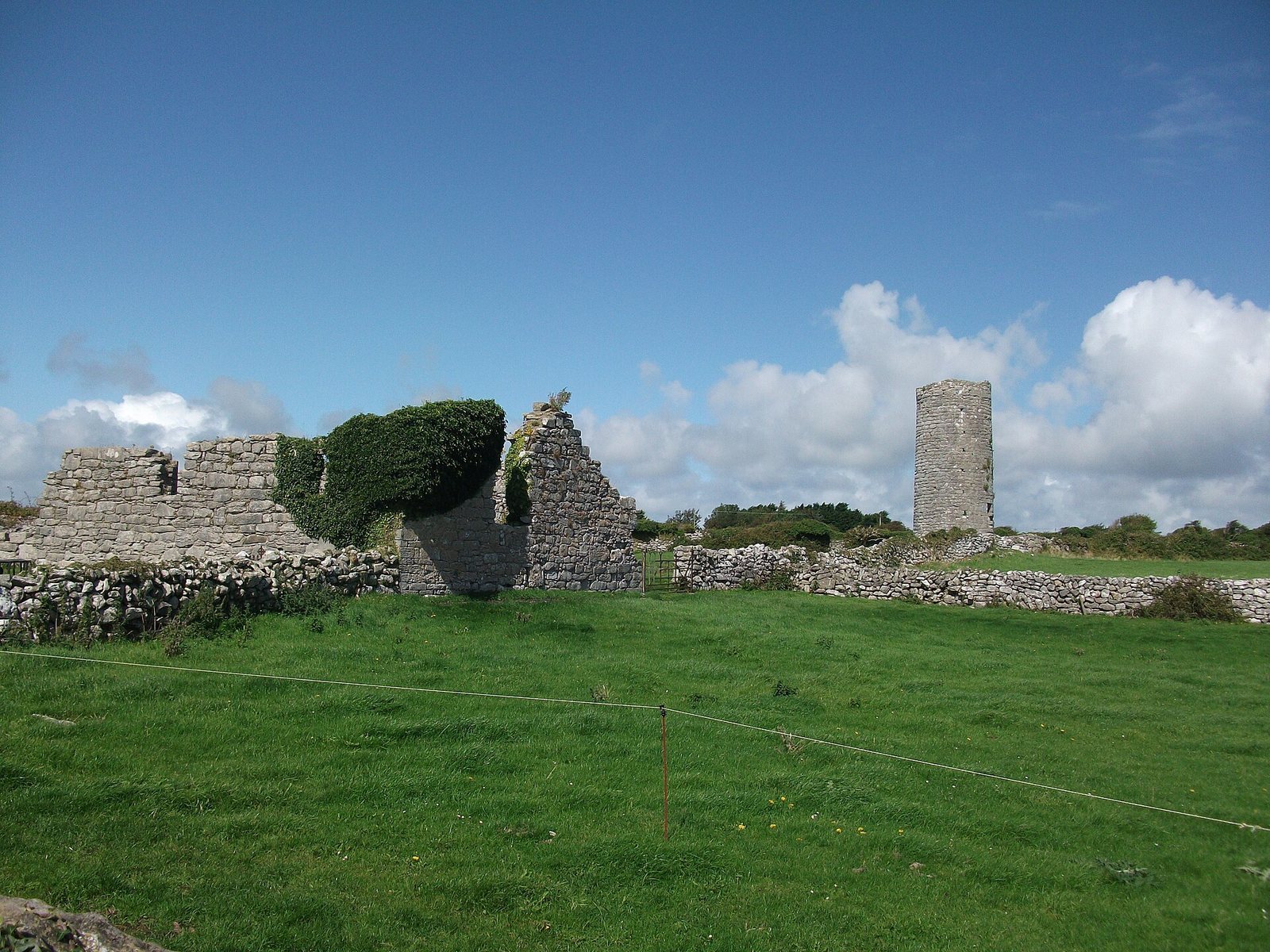
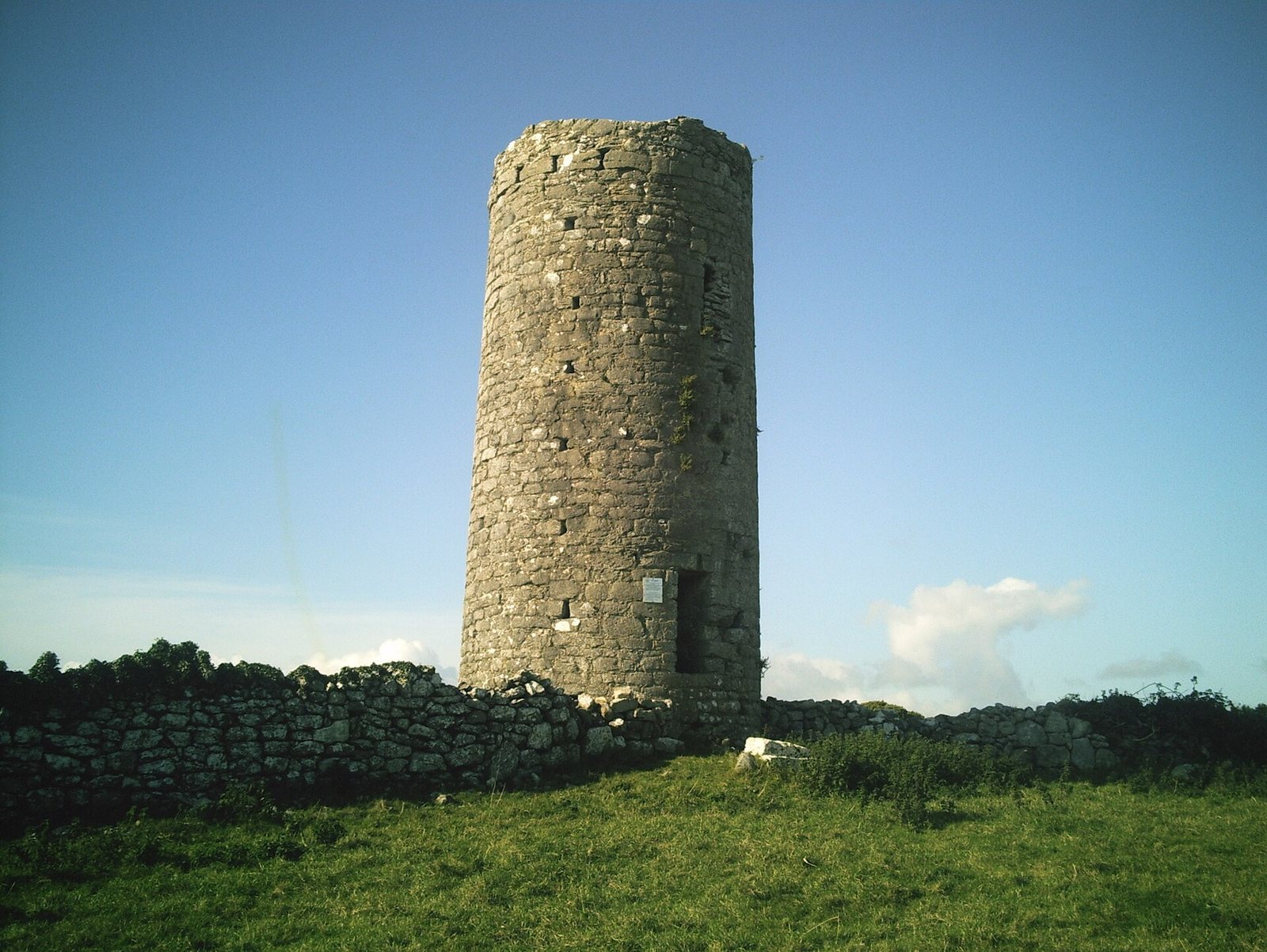
The round tower dates to the eleventh century and appears to have been left unfinished. It once marked the boundary of the O’Halloran territory of Clann Fhearghaile, an Irish kin-group.
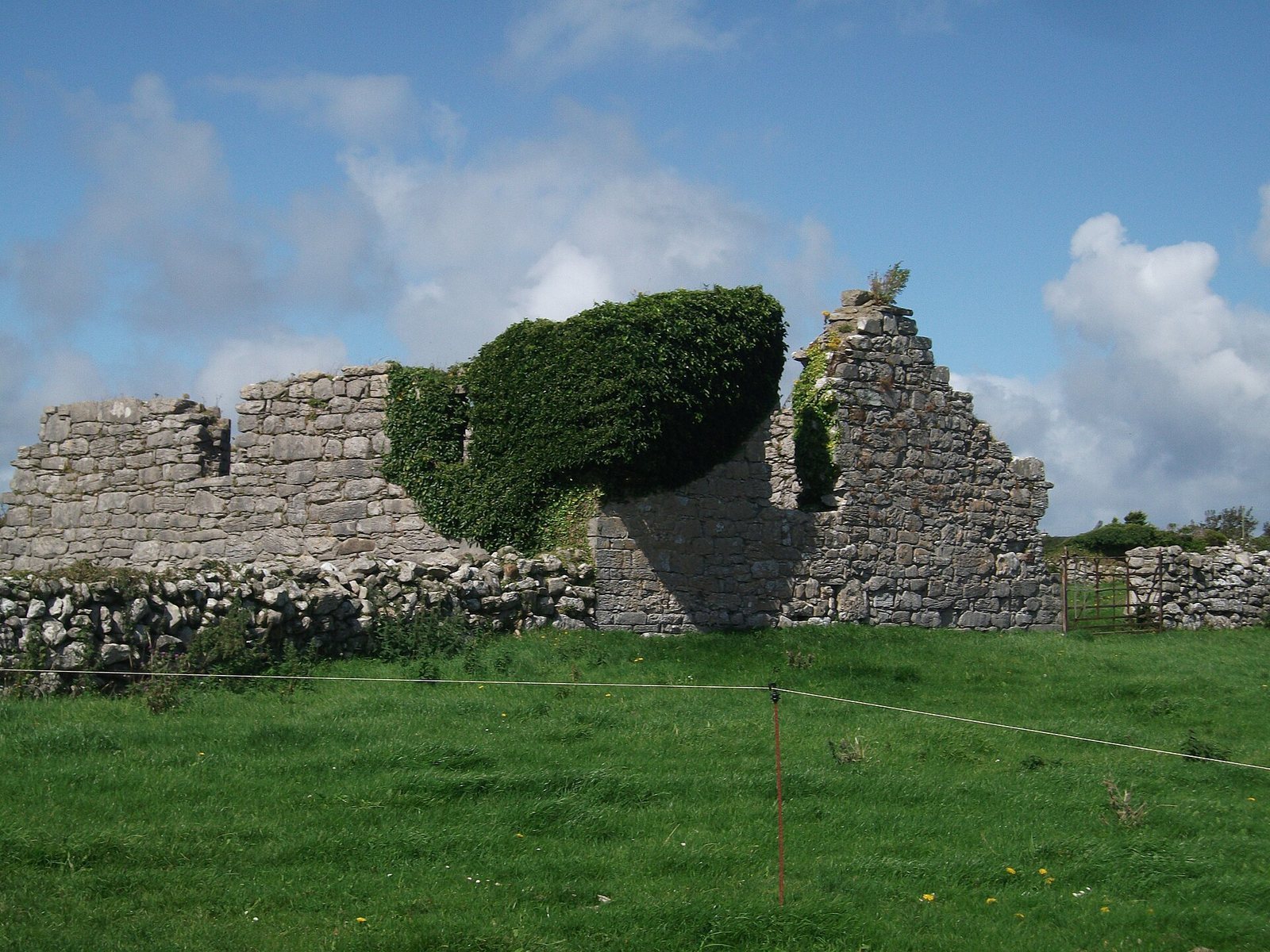
A church was built at Roscam in the fifteenth century. The site is also said to have served as a medieval duelling ground. At that time, it lay well outside Galway city and was readily accessible by boat.
Roscam falls within the Diocese of Galway, Kilmacduagh and Kilfenora, an ecclesiastical district under a bishop, and is a National Monument of Ireland.
Remains
Site layout and structures
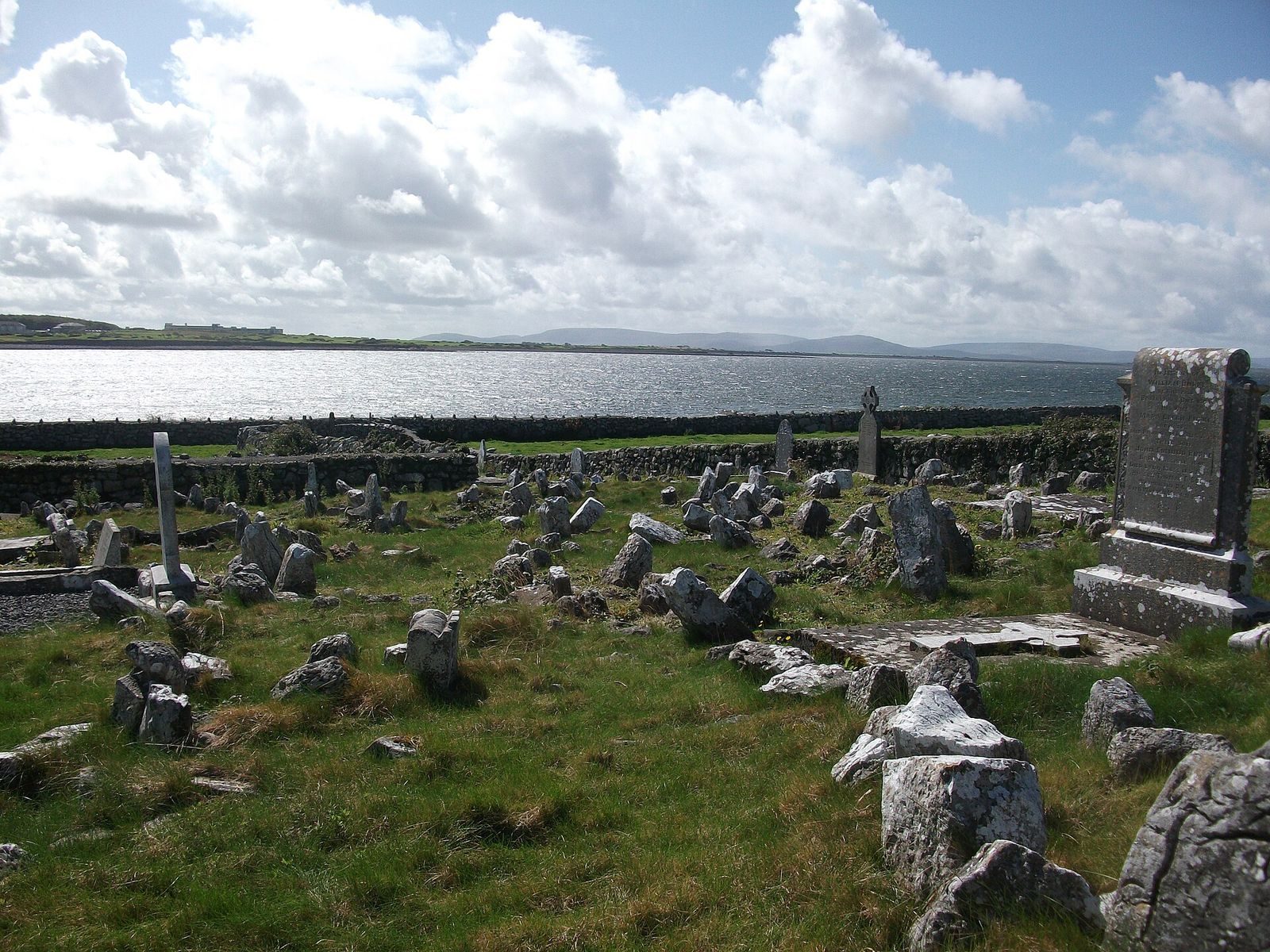
The ruins stand immediately north of Oranmore Bay and just south of the Galway neighbourhood of Roscam, which takes its name from the site. A large enclosure surrounds the remains, which include a round tower, a church and bullauns.
Enclosure
The large enclosure around the site is described as Celtic in style.
Round tower
The surviving limestone round tower is about 11 m tall.
Church
The church ruins measure about 22 m in length.
Bullauns
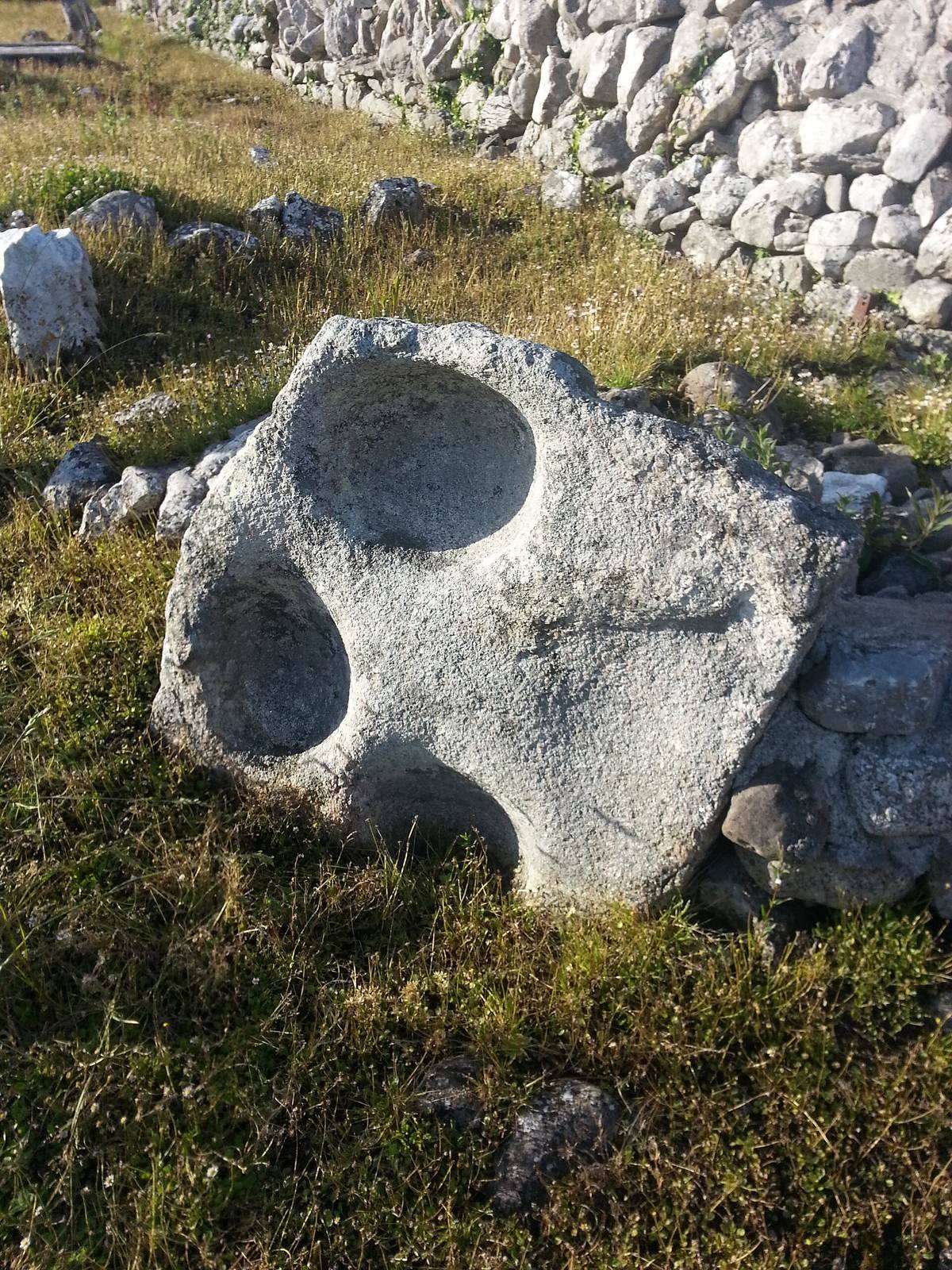
Bullauns, stone basins or hollows whose uses varied, are also among the remains.