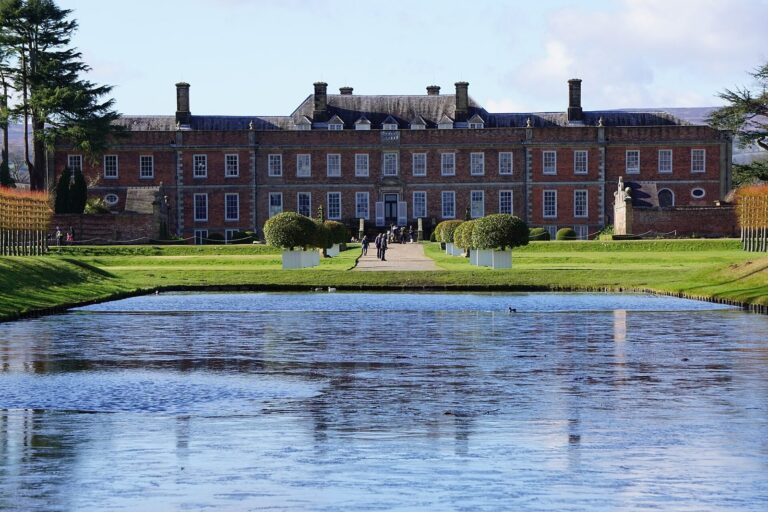
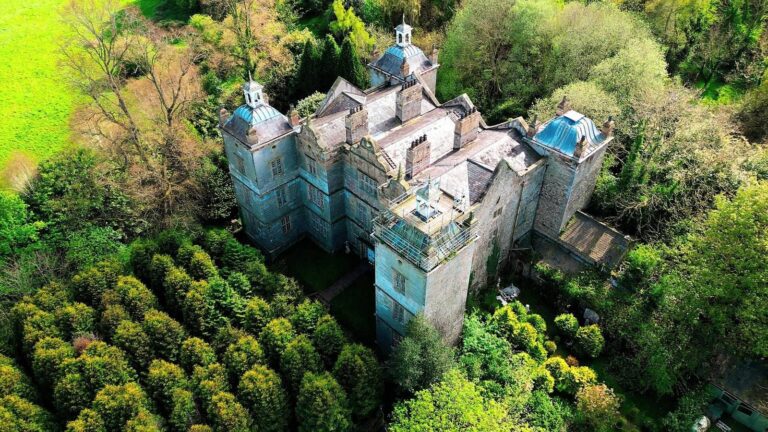
All Saints’ Church, Gresford: A Medieval Parish Church
Site at a Glance
- Rating
- 4.7
- Popularity
- Medium
- Country
- United Kingdom
- Primary era
- Medieval
- Eras represented
- Medieval
- Civilizations
- Unclassified
- Site type
- Religious
- Remains
- Church
On this page13 sections
History
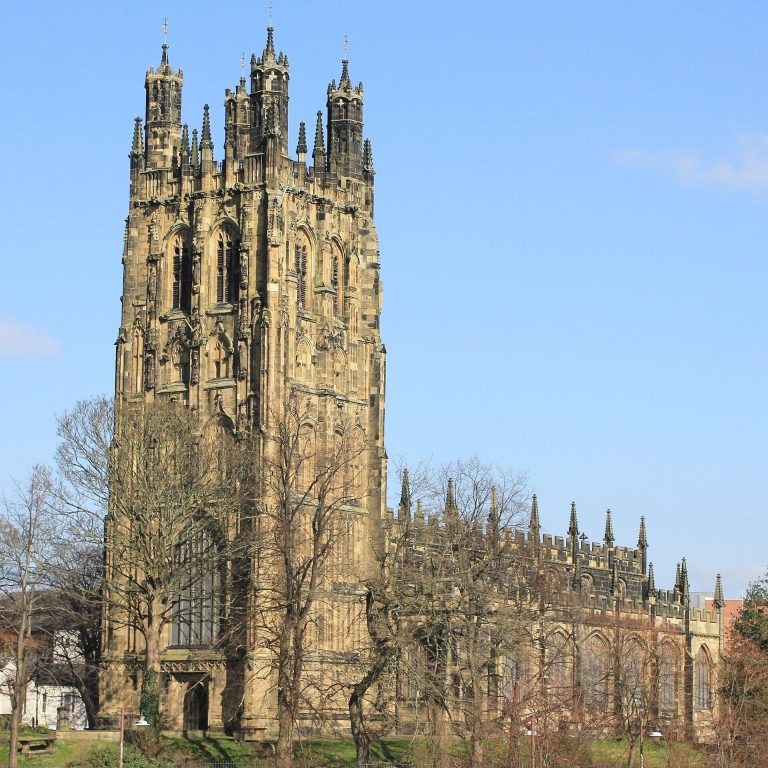
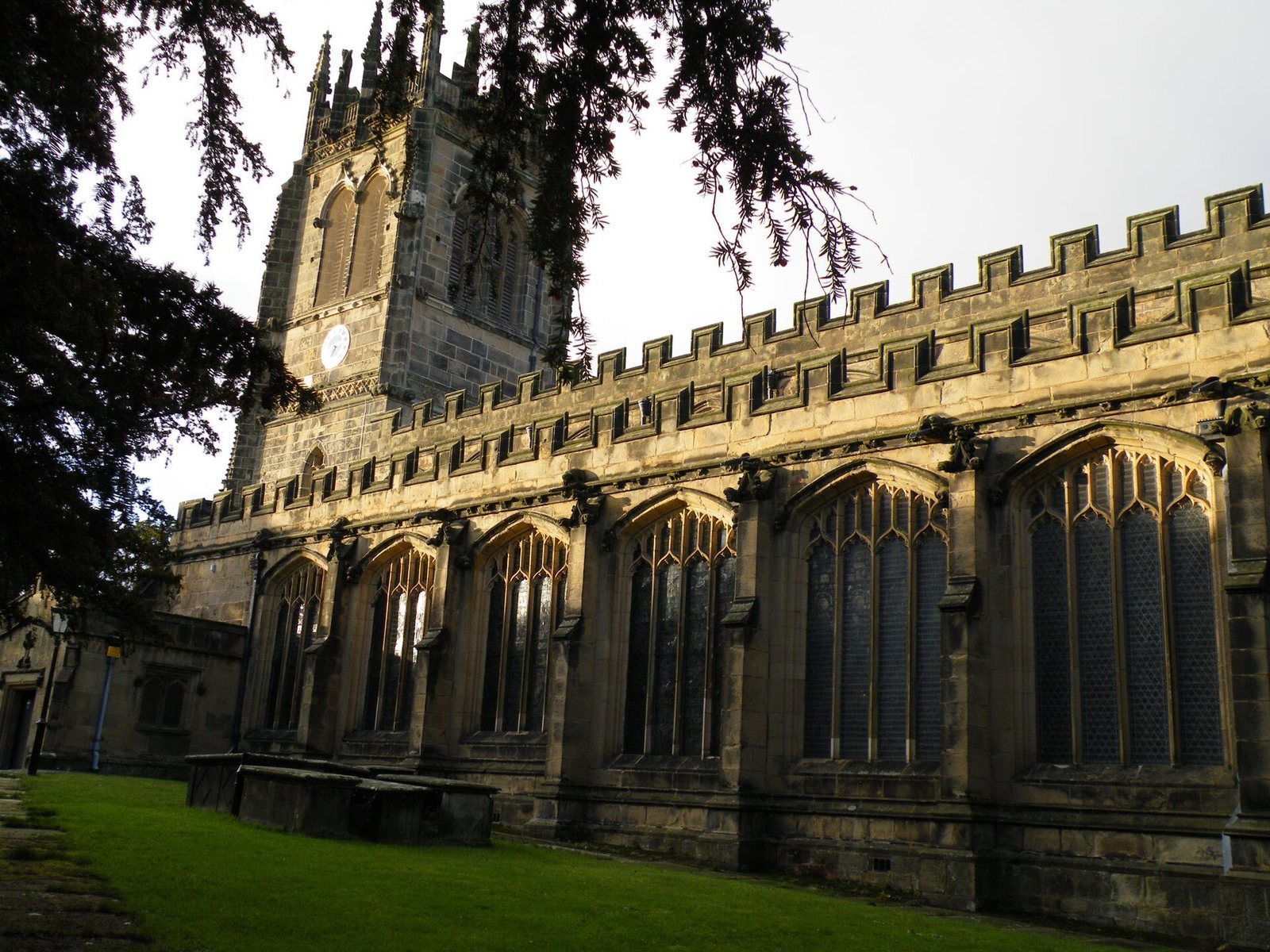
All Saints’ Church is a medieval parish church in Gresford, United Kingdom, founded in the 13th century. The present building was erected largely at the end of the 15th century, after an earlier church was demolished.
Foundation and rebuilding
A now-lost document credited the foundation to Trahaearn ap Ithel ap Eunydd and his five brothers, who were said to have given land for the church. The Domesday Book also mentions a church at Gretford in Extan hundred in 1086, although it may have stood elsewhere in the village.
In the 14th century, an aisle was added, the chancel, the area around the main altar, was extended, and a vaulted ceiling was installed. The earlier church was replaced in the 15th century by the building that largely survives today.
Pilgrimage and patronage
The church’s size and richly furnished interior seem unusual for a small settlement. They suggest that Gresford may have attracted profitable pilgrimages, though the object of devotion is unknown. It could have been a relic or an image, possibly of the Virgin Mary. The medieval parish extended across more than 30 square miles.
Bishop Robert Parfew of St Asaph sought permission from Thomas Cromwell, Henry VIII’s chief minister, to move his episcopal seat, a bishop’s official center of authority, to Gresford. Parfew praised the church’s construction and furnishings, saying they helped support the parish’s inhabitants. His remarks may have referred to income from pilgrims.
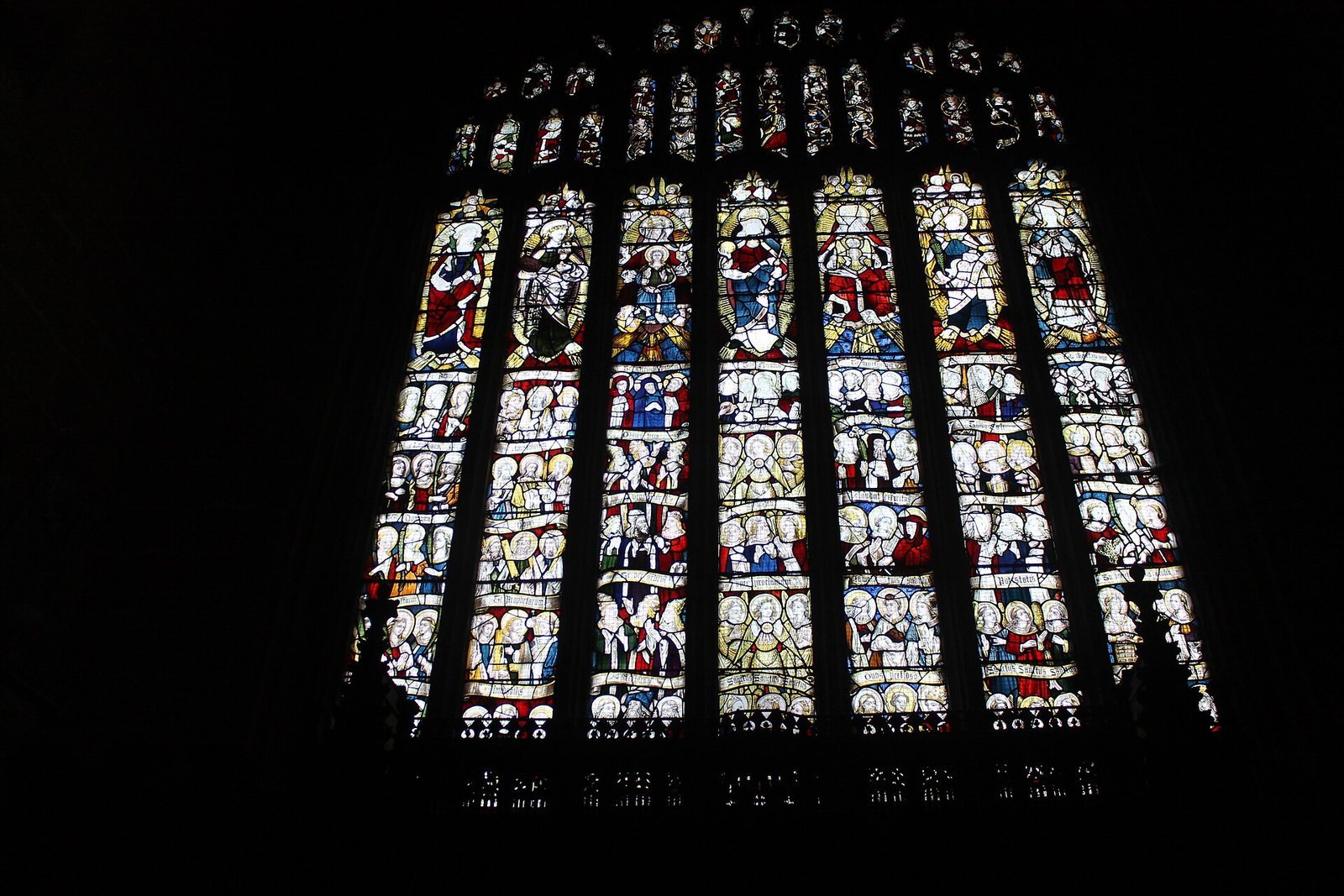
Thomas Stanley, the 1st Earl of Derby, endowed the church and paid for its large east window. His intervention at the Battle of Bosworth helped Henry Tudor defeat Richard III and pursue the English throne. Henry later became Henry VII.
Bells and later recognition
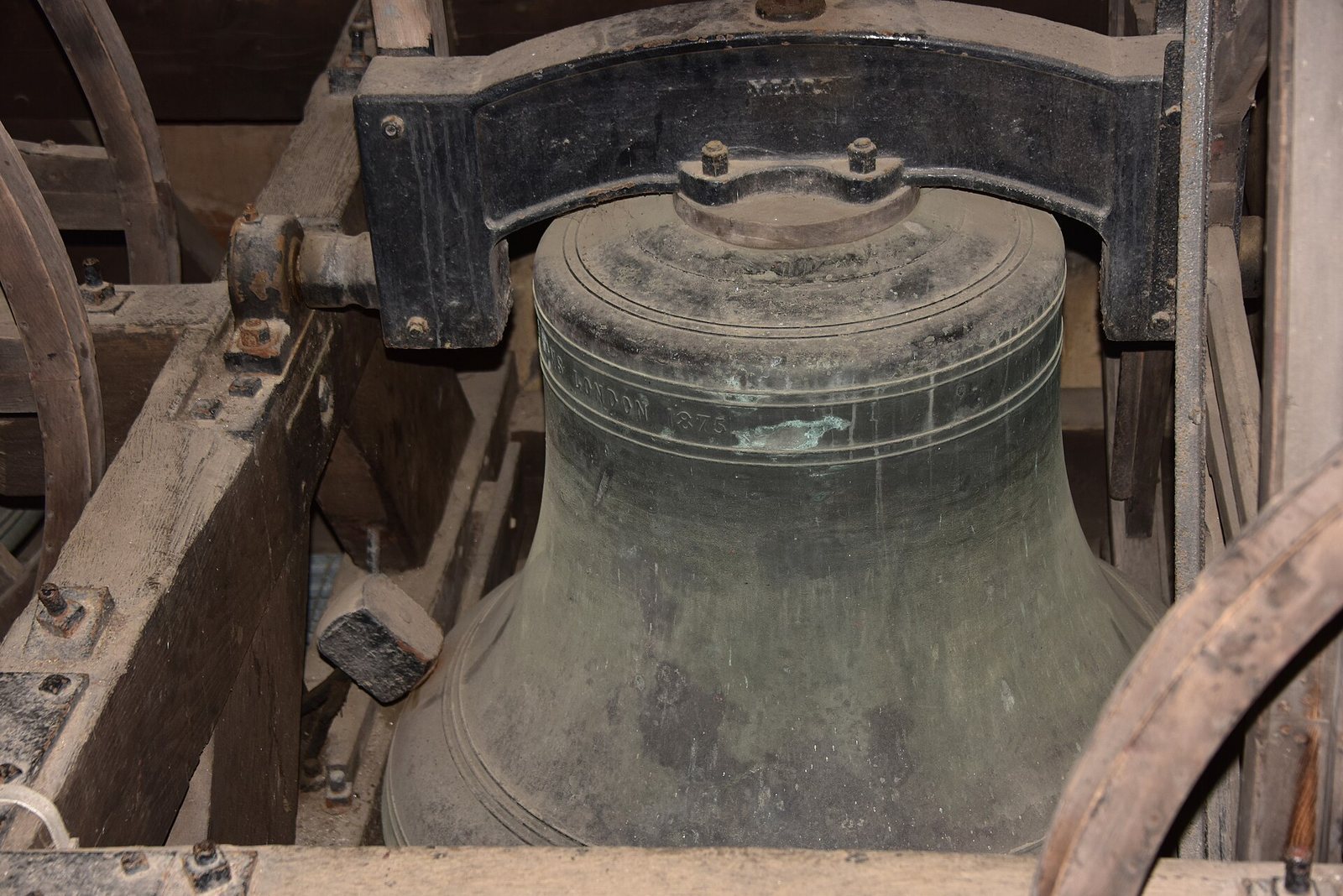
Gresford’s bells are traditionally included among the Seven Wonders of Wales. The earliest known record of the peal dates to 1714. Bells were customarily rung on 5 November, but the reason is uncertain: the practice may have marked William of Orange’s landing in 1688, which preceded the overthrow of James II, or recalled the Gunpowder Plot, the 1605 plan to blow up Parliament. In 1877, a mechanism was installed so one person could chime all eight bells. During the Second World War, the customary tolling of the passing bell stopped because the bells were reserved for an invasion warning.
In 1963, the church received Grade I listed status in recognition of its exceptional late-medieval architecture, glass and furnishings.
Remains
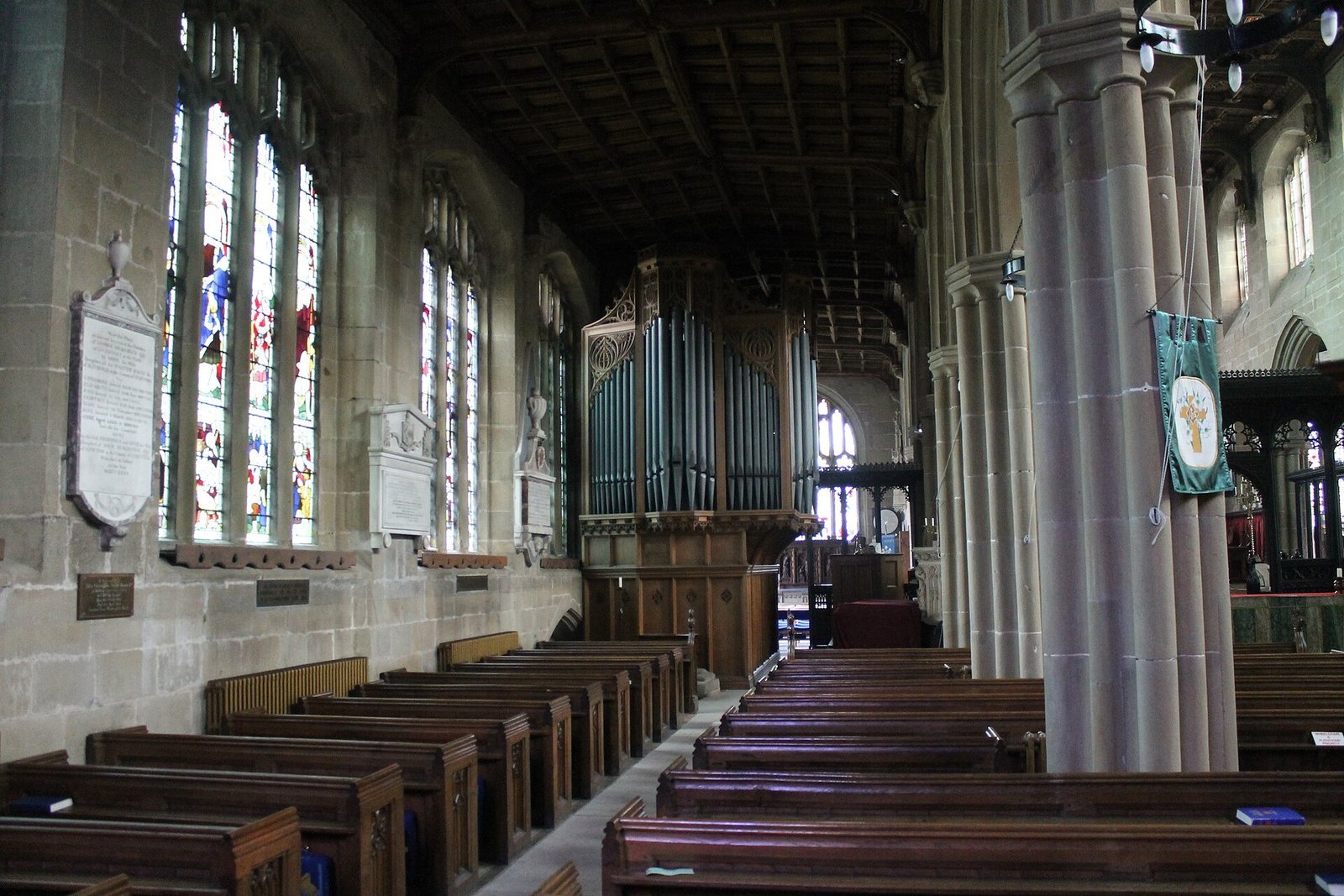
The large church is built from slightly reddish sandstone from the Cefn area, and its architecture has been compared with that of nearby Cheshire churches. Parts of the earlier building remain in the west and east walls.
Interior
Stained glass
The church retains an unusually rich collection of late-medieval stained glass, dating to around 1500 and including more medieval glass than any other church in Wales. Most is now grouped at the east end, while small figures remain in the stonework at the tops of some aisle windows. Some glass may have come from Basingwerk Abbey, a Cistercian monastery on the River Dee below Holywell. The large central east window survives almost complete, filled with saints that reflect the church’s dedication. The largely intact window in the Lady Chapel, a chapel dedicated to the Virgin Mary, depicts scenes from her life.
Memorials
Many of the church’s memorials relate to the Trevalyn Hall branch of the influential North Welsh Trevor family. A reclining alabaster carving of Sion Trefor, who died in 1589, lies within a classical frame; a long tablet bearing a Welsh inscription partly covers the figure. Dame Katherine Trevor appears in a painted image, shown kneeling beside her husband Sir Richard Trefor, who died in 1638, and in a smaller carved panel with her daughters. Another figure, probably representing the Welsh nobleman Madog ap Llywelyn ap Gruffudd, is inside the church. Other memorials include a sculpture of Sir David Hanmer and a slate commemorating the poet Goronwy ap Iorwerth.
Carved choir seats
Twelve misericords, small ledges beneath folding choir seats, date from the late 15th or early 16th century. One carving shows a devil being pushed by a person in a long garment, while two women ride a sledge or barrow toward the jaws of Hell. Its supports depict an ape holding a urine flask and a fox carrying a bucket of excrement.
Gresford Stone
The Gresford Stone is a Roman-period altar with four carved sides and a decorative hollow on top for offerings. One side shows Nemesis, a Greek goddess associated with retribution. Workmen found the stone in 1907, reused as a block during the medieval rebuilding. It probably came from a Roman-British shrine dating to about AD 100–350.
Churchyard
Yew grove
A grove of yew trees surrounds the churchyard. Twenty-five were planted in 1726, but the tree near the south gate is older. It was already ancient when Richard II ordered the widespread planting of yews for timber to make longbows, powerful bows used in medieval warfare.
War graves and memorial
The churchyard contains the war graves of six Commonwealth service personnel who died in the First World War. A memorial near the north door commemorates 266 local boys killed in the Gresford disaster, a coal-mine disaster.