Church of Saint Nicholas in Novi Pazar: A Serbian Orthodox Church
Site at a Glance
- Rating
- 4.9
- Popularity
- Medium
- Country
- Serbia
- Primary era
- Modern
- Eras represented
- Modern
- Civilizations
- Ottoman
- Site type
- Religious
- Remains
- Church
On this page9 sections
History
The Church of Saint Nicholas in Novi Pazar is an Eastern Orthodox church in Serbia, built in the second half of the 19th century and completed in 1871 during Ottoman rule. It belongs to the Serbian Orthodox Church’s Eparchy of Raška-Prizren, an ecclesiastical district governed by a bishop.
Construction and community
When the church was built, its city-center neighborhood was inhabited exclusively by Serbian Orthodox residents. Ottoman authorities laid its foundation stone on the same day as the foundation stone of a nearby Serbian primary school. Macedonian builders from the Debar region carried out the work.
Furnishing and preservation
The church was equipped and decorated after construction. It is protected as a cultural monument in Serbia. Restoration returned the iconostasis and its icons to their original appearance, and the screen’s components remain in their original positions.
Remains
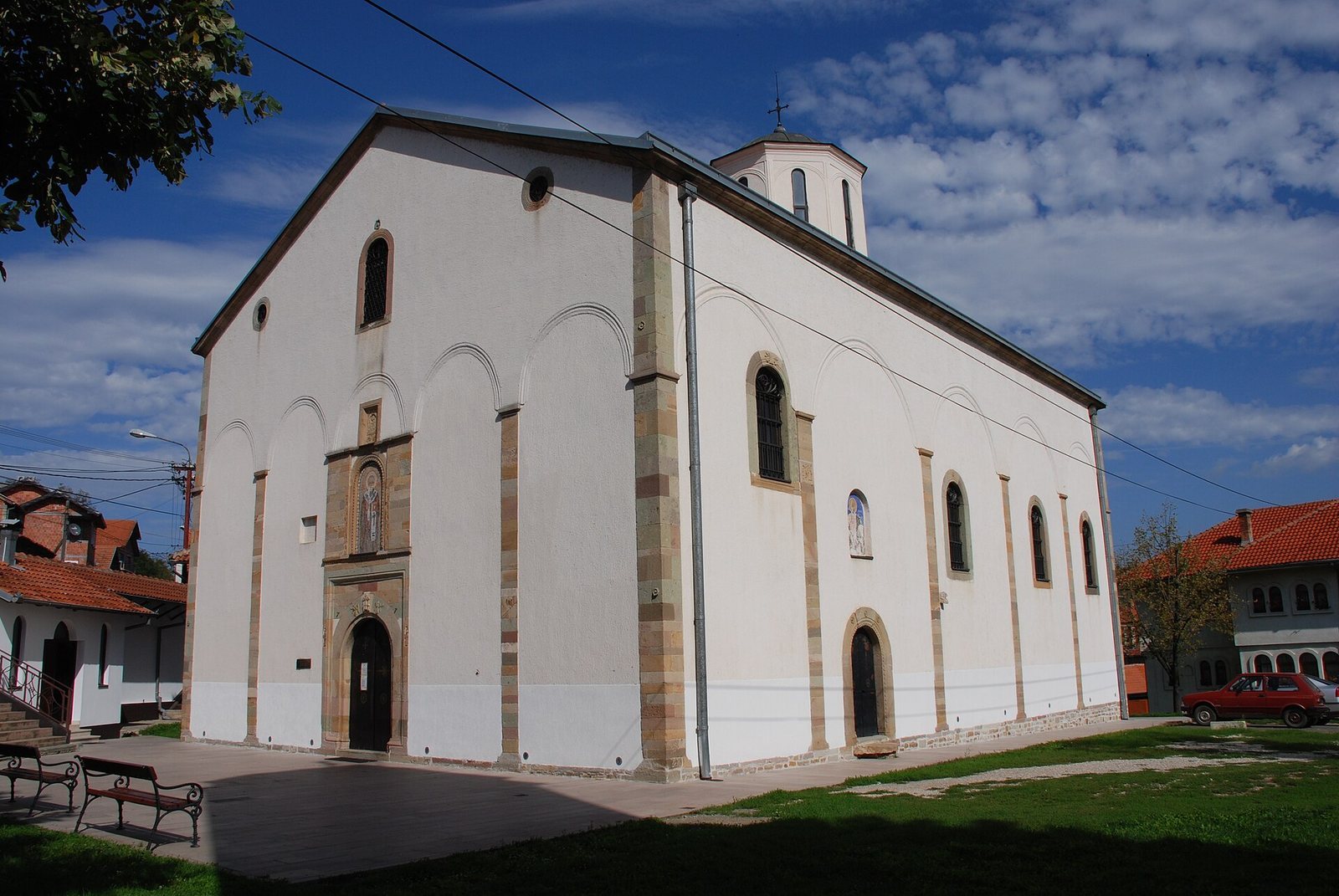
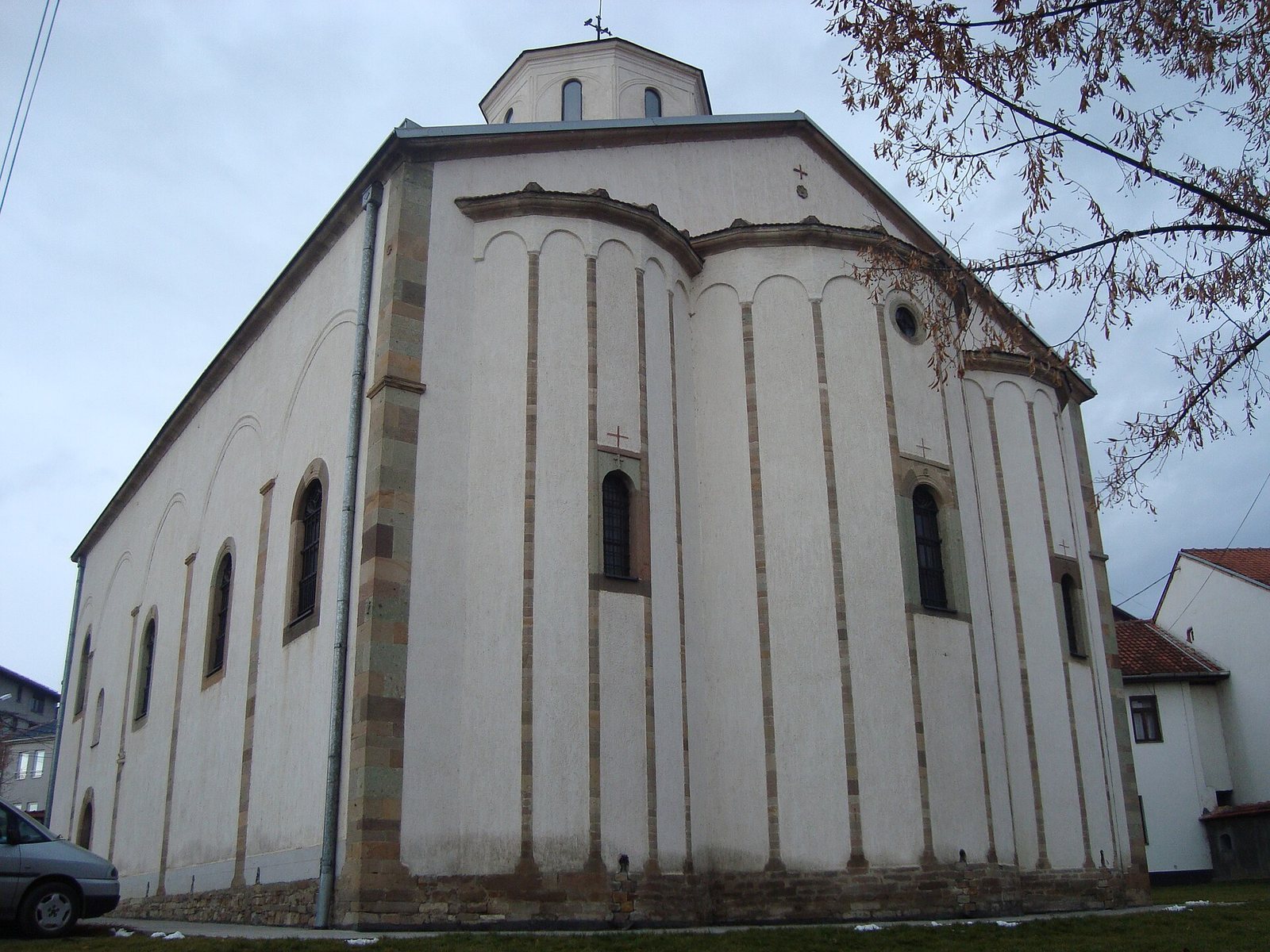
The church has a long, basilica-like plan, with a nave leading to a three-part altar at the east end. Three curved recesses form the eastern end, while a spacious gallery occupies the west end.
Structure and exterior
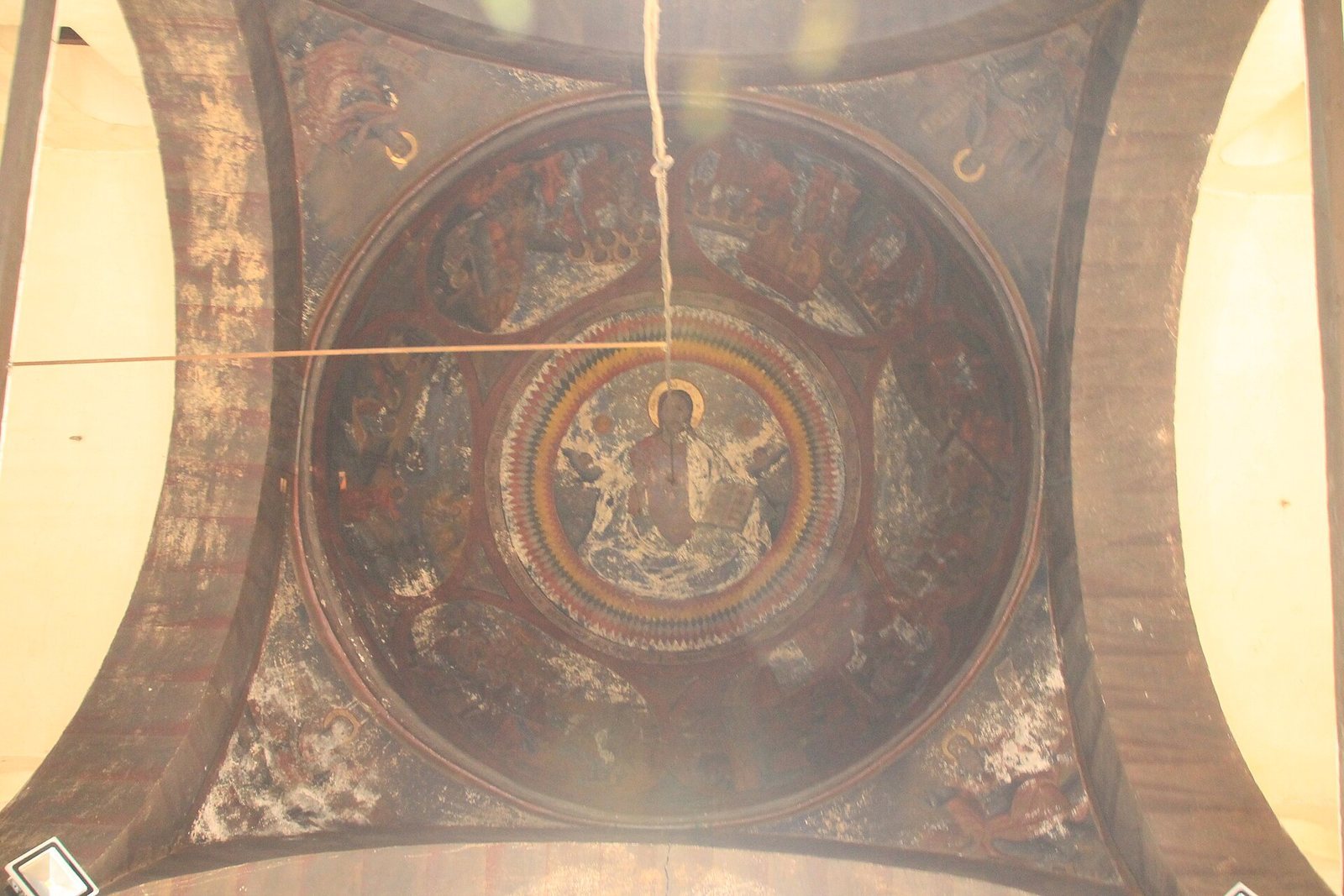
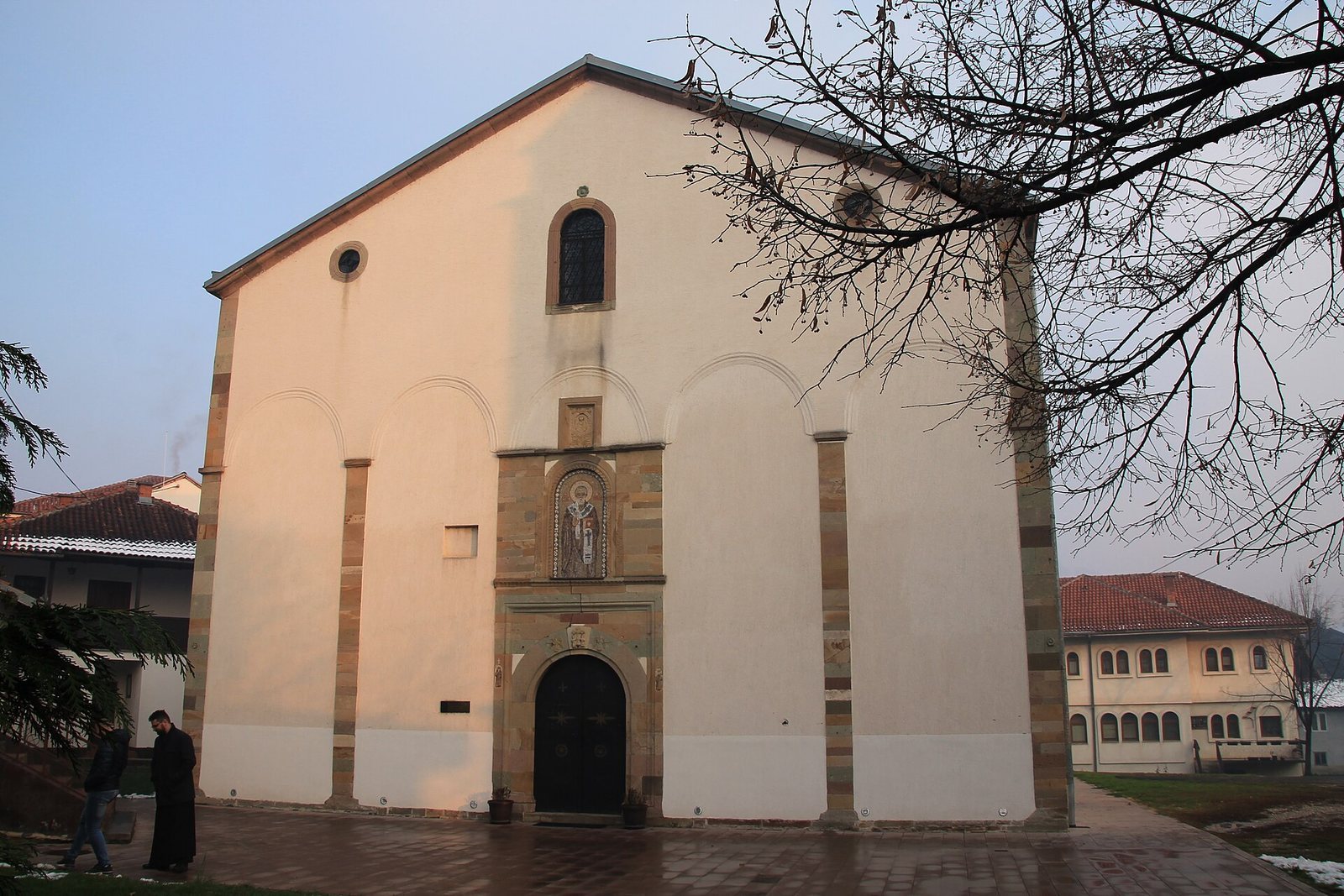
The roof has two slopes, and the dome rises from a square base on an eight-sided drum, a raised support beneath a dome. Raised decorative profiles in multicolored trachyte, a type of building stone, run across the façades. Above the western entrance, an image of Saint Nicholas faces outward.
Interior
Women’s gallery
The spacious gallery at the west end of the nave served as a women’s gallery. A richly carved partition forms part of it.
Iconostasis
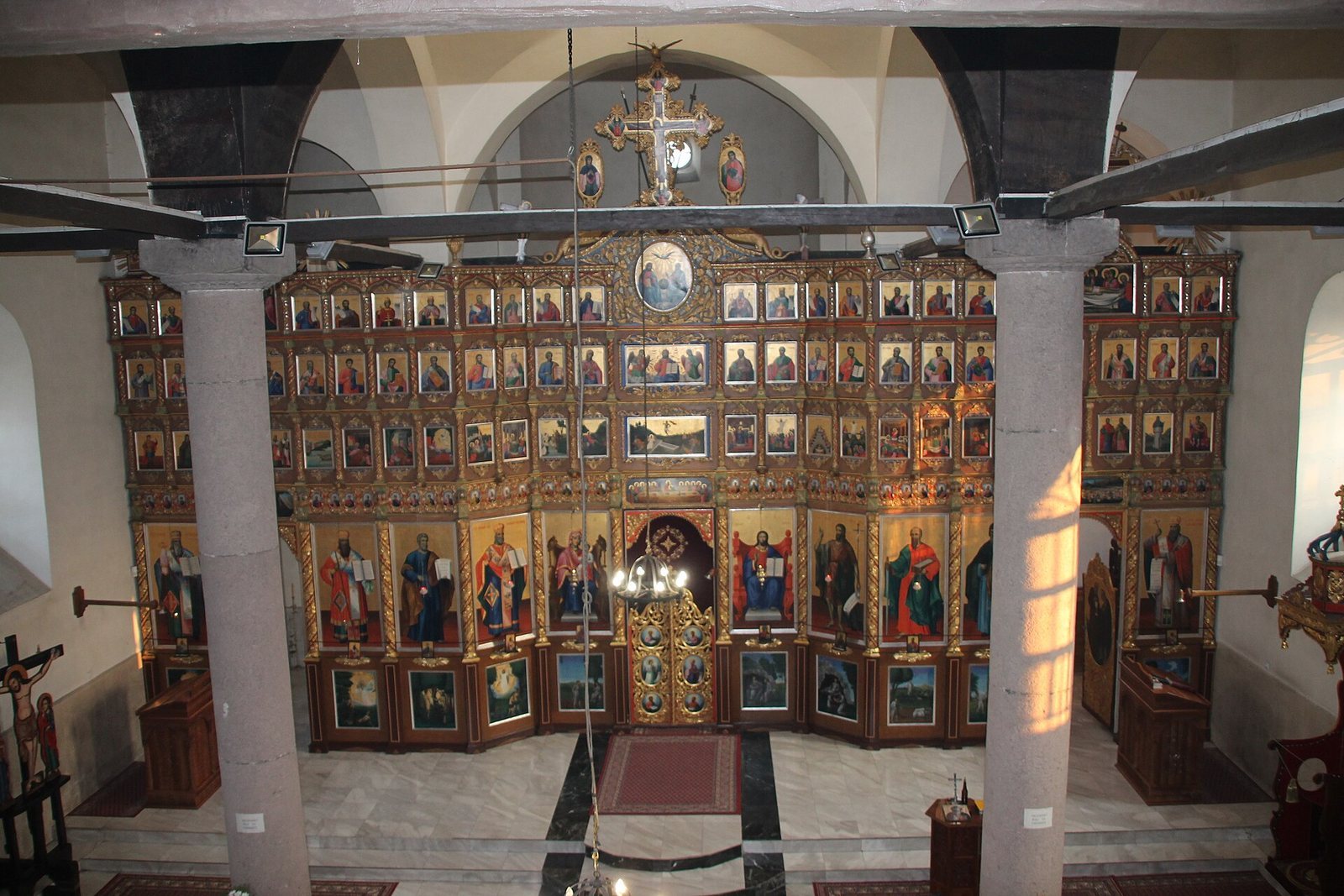
The large iconostasis, an icon screen separating the nave from the altar, spans the nave and curves around two supports at its eastern end beneath the dome. Carved and painted wood is arranged in three zones. The lower zone includes Old Testament scenes, throne icons, a crosspiece with medallions, and three doorways. Three rows of icons in the middle zone depict the Great Feasts, an expanded Deesis (a grouping centered on Christ with interceding figures), and prophets. A large Crucifixion and accompanying icons fill the upper zone.
The screen holds 107 icons of varying quality. Among its strongest works are the throne icons and several Old Testament scenes on the lower panels. Gilded leafy ornament frames each icon. The makers were the brothers Vasil, Alekso, and Teofil of the Đinoski family from Galichnik. An inscription on the image of Jesus Christ associated with the bishop’s throne states that the iconostasis and throne were painted in 1876 under Meletius, a senior Orthodox cleric who held the titles Archbishop of Peć and Metropolitan of Raška-Prizren and Skenderija.
Altar cross
An altar cross bears the signature of Kosta Anastashov of Kruševo and the date 24 February 1890.