Mamai-Hora: A Multi-Period Burial Complex in Ukraine
Site at a Glance
- Popularity
- Medium
- Country
- Ukraine
- Primary era
- Iron Age
- Eras represented
- Stone Age, Bronze Age, Iron Age, Classical, Medieval
- Civilizations
- Golden Horde, Scythian
- Site type
- Burial
- Remains
- Necropolis
On this page14 sections
History
Mamai-Hora is a multi-period burial complex near Velyka Znamianka, Ukraine, used from the Neolithic through the fifteenth century. It is the largest multi-period burial complex in the Northern Black Sea region and contains graves from many successive communities.
Early Communities and the Bronze Age
The cemetery includes 26 Neolithic burials and four from the Eneolithic, or Copper Age. Bronze Age graves represent the Pit-Grave, Catacomb, Babyno, Timber-Grave, and Bilozerska cultures. These names classify recurring material remains and burial customs, rather than necessarily naming peoples’ own identities. Two graves of the Novocherkassk culture mark the transition from the Bronze Age to the Early Iron Age.
Scythian and Sarmatian Burials
The earliest Scythian burial dates to the late seventh to sixth century BCE, while other Scythian burial complexes date to the fifth and fourth centuries BCE. The site contains 370 burials from this period. Archaeologist E. Fialko interprets many as burials of Amazons, women warriors in Greek myth. The Scythians and Sarmatians were ancient peoples of the Eurasian steppe. One Sarmatian burial was placed within a mound from the Scythian period.
Medieval Cemeteries
The cemetery includes 25 Polovtsian burials. The Polovtsians, also called Cumans, were a medieval Turkic nomadic people. Two ground cemeteries, meaning burial grounds without mounds, have been excavated; other graves were placed in earlier mounds or arranged in separate groups.
A ground cemetery from the first half of the fourteenth century held 19 burials of nomadic people and a ritual pit associated with the Golden Horde, a Mongol successor state that ruled parts of eastern Europe and western Eurasia. A separate burial-mound cemetery from the middle to the second half of the fourteenth century contained 23 burials. Cemetery use increased again in the fifteenth century. By 2015, 126 burials from that period had been uncovered in a ground cemetery.
A separate cemetery called Mamai-Surka, about 700 metres away, dates from the late thirteenth to early fifteenth centuries and yielded 1,162 excavated burials.
Investigation and Protection
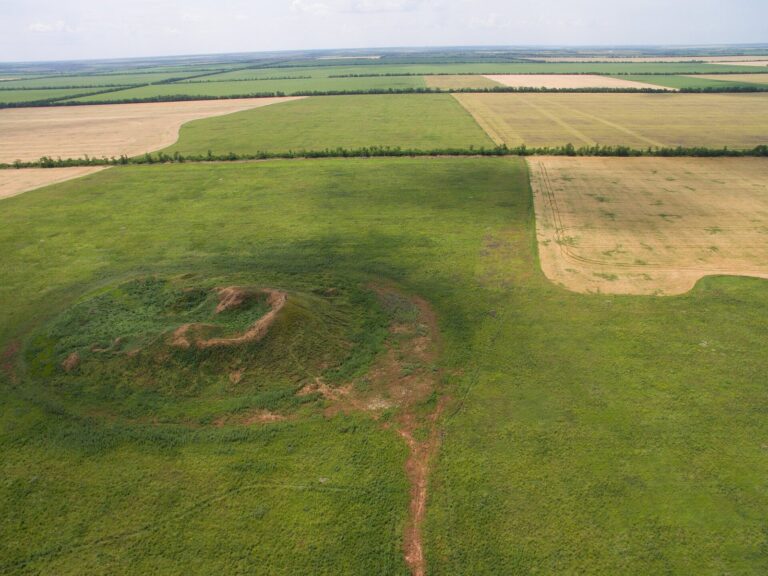
B. N. Grakov’s expedition first mapped Mamai-Hora in 1946 and 1947, and the Institute of Archaeology of the National Academy of Sciences of Ukraine revised the plan in 1976. Research led by archaeologists G. M. Toshchev and S. I. Andrukh began in 1988. Early excavations examined small mounds; aerial photographs and additional topographic surveying in the early 1990s helped establish the approximate boundaries. Manual archaeological work began in the mid-1990s. About eight hectares have since been investigated, revealing more than 600 burial complexes.
The site is designated an Immovable Monument of National Significance of Ukraine under the official name Mamai-Mohyla Kurgan Burial Ground. In that name, “kurgan” means a burial mound.
Remains
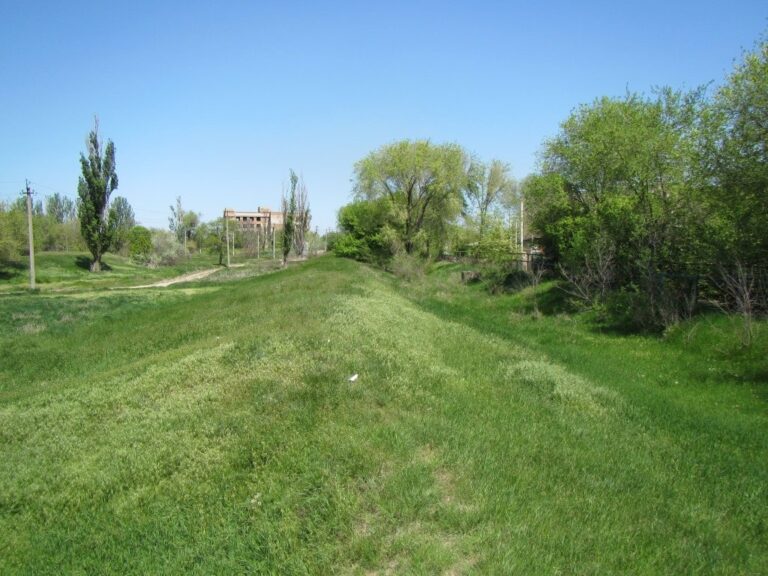
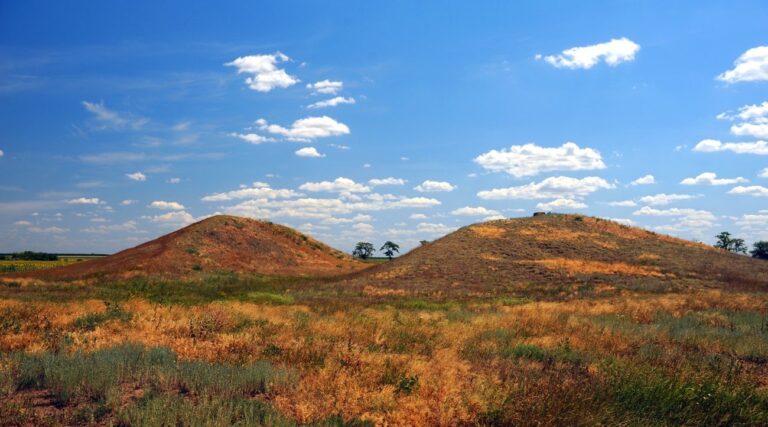
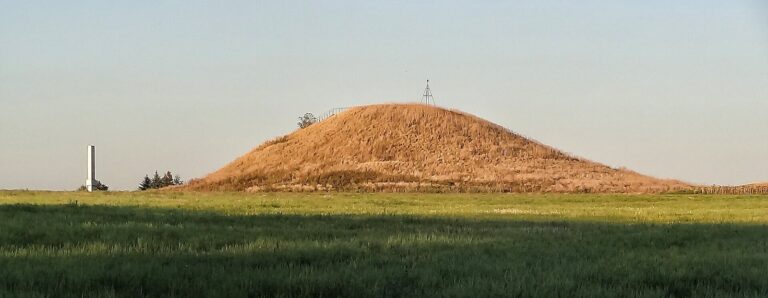
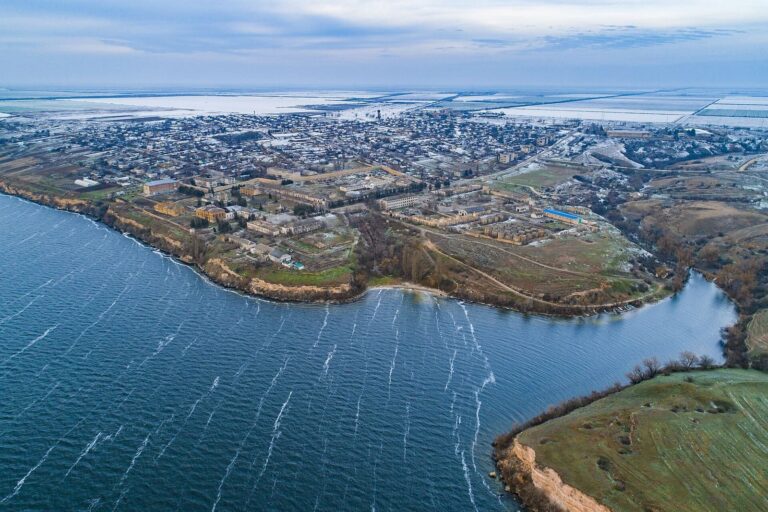
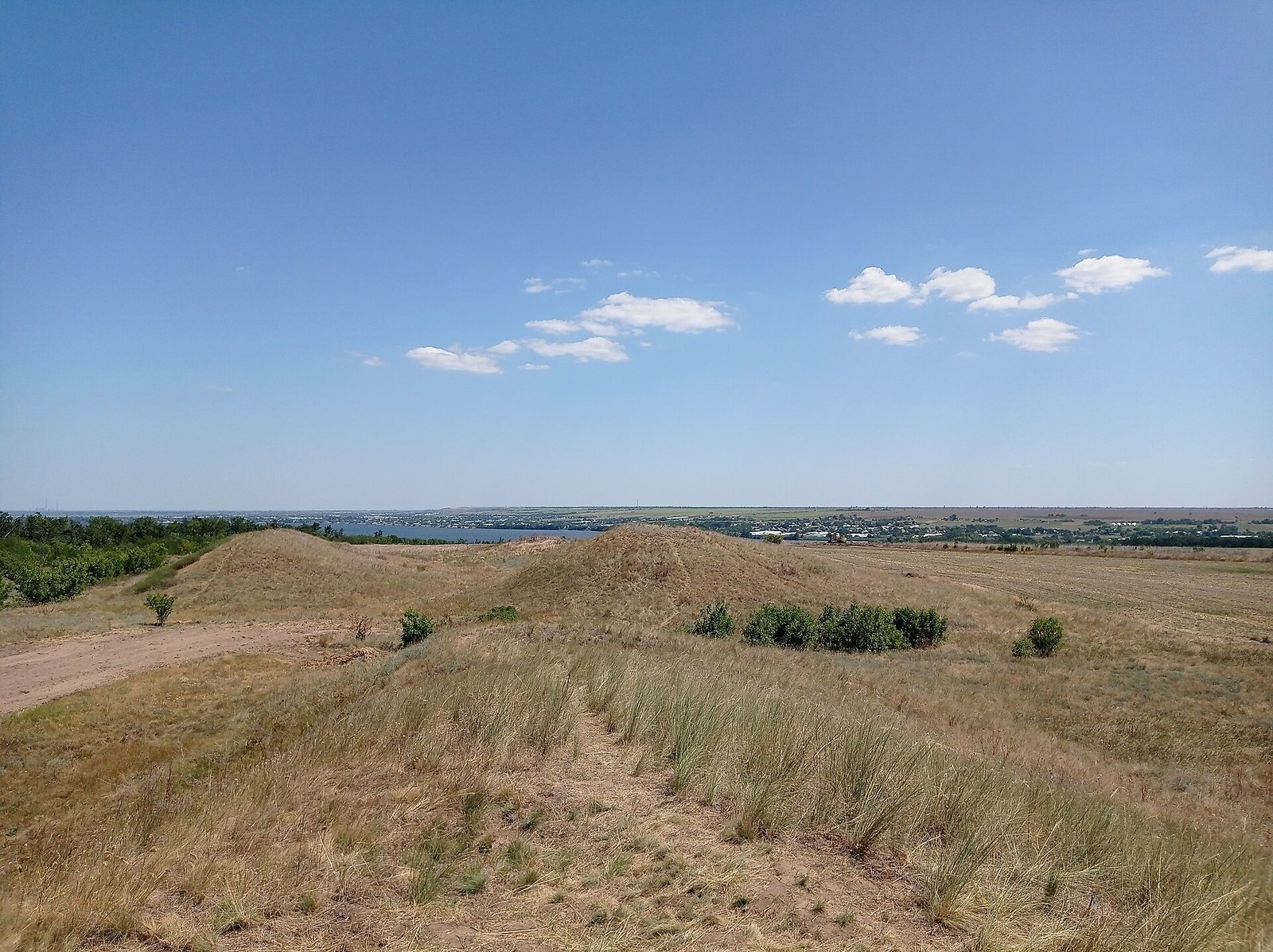
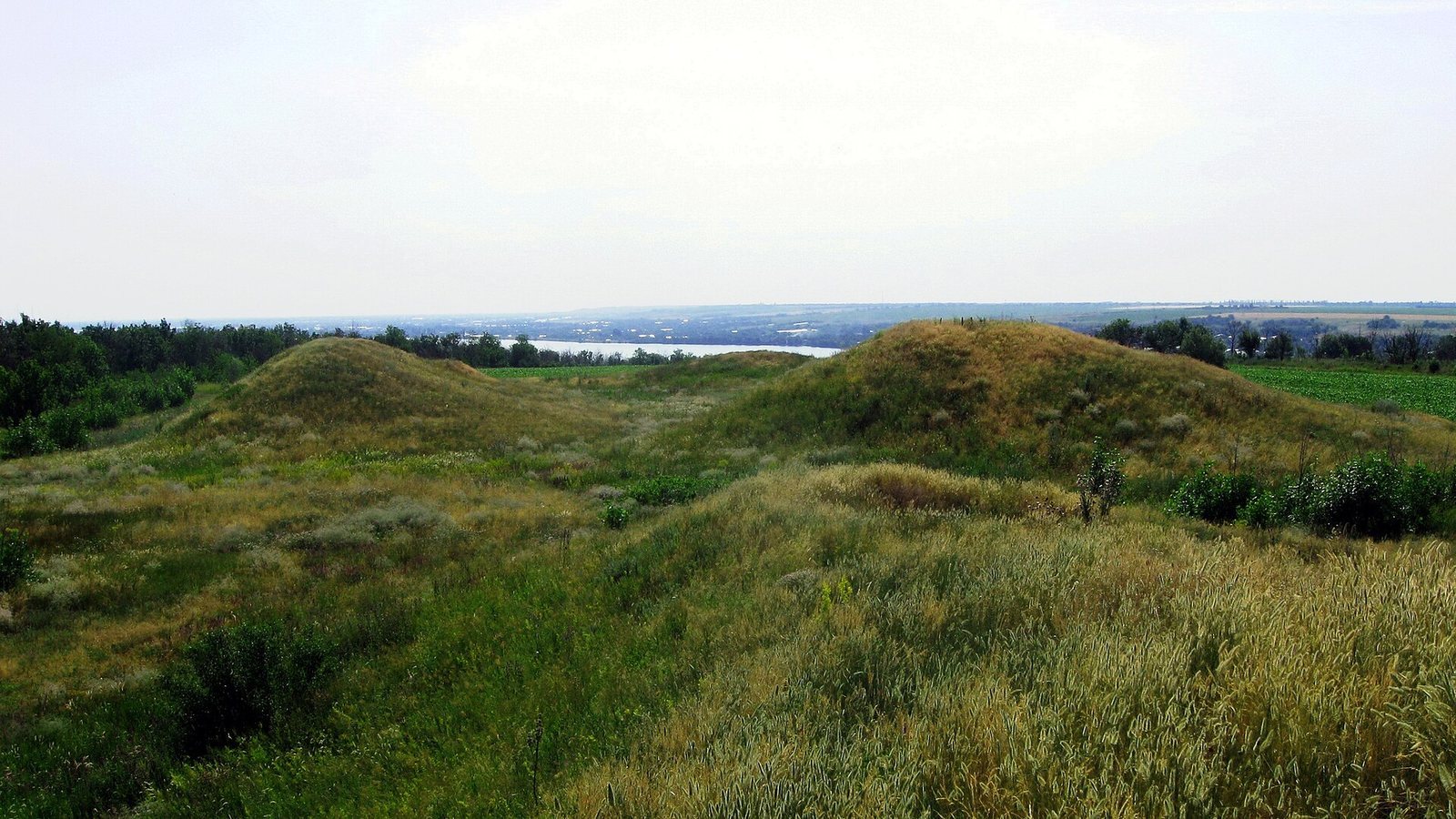
The burial ground covers an estimated 30 hectares on the Mamai-Hora height, near the left bank of the Kakhovka Reservoir. Hundreds of separate or connected spots mark graves arranged as burial mounds, cemeteries without mounds, or isolated burials. The reservoir’s creation was followed by the loss of more than 300 metres of shoreline. Destroyed graves at the water’s edge suggest the cemetery may once have extended farther; by the start of systematic rescue work, its territory had contracted by 300 to 400 metres.
Neolithic and Eneolithic Burials
Burials from these periods occur both in cemeteries without mounds and within burial mounds. Associated grave goods include clay vessels and ornaments made from red deer teeth.
Bronze Age Burials
Burial Structures and Materials
Bronze Age graves have varied structures and burial practices, with objects made of clay, bronze, stone, and flint. Oak and ash were commonly used in the burials. Beside one mound, a pit containing ore used to make pigment was associated with a richly decorated vessel from the Catacomb culture.
Culture-Specific Features
Pit-Grave burials include painted pottery. Catacomb graves, named for burial chambers reached through a passage, occur mainly in a cemetery without mounds, though some were placed within Eneolithic mounds. Their grave goods include painted clay vessels and ritual axes. Babyno burials were inserted into earlier graves or mounds, while the Bilozerska-period cemetery without mounds contains five burials.
Scythian Burials
Ritual pits lay around the cemetery’s outer edge and contained fragments of amphorae, handmade pottery, and animal bones. Grave goods include locally made and Greek-imported pottery, swords of different sizes, darts, spearheads, and arrowheads. Personal ornaments include bracelets, neck rings, pendants, earrings, rings, sewn-on plaques, and beads.
Medieval Burials
Polovtsian Graves
Polovtsian grave goods include ornaments, household objects, and weapons. One distinctive find is a birch-bark headdress associated with elite women. Its cylindrical base supported a top fitted with a stick, twig, or feathers, while a cap helped secure it on the head.
Fourteenth-Century Cemeteries
In the ground cemetery from the first half of the fourteenth century, male burials contained weapons, horse-harness fittings, belt buckles, earrings, an awl, beads, and headwear remains. Female graves held ornaments, household objects, and headwear remains; children’s burials included beads. The later fourteenth-century burial-mound cemetery has five main mounds, with other graves inserted into mounds from the Scythian period.