Torre del Trovador: The Aljafería Palace’s Oldest Defensive Tower
Site at a Glance
- Popularity
- Medium
- Country
- Spain
- Primary era
- Medieval
- Eras represented
- Medieval
- Civilizations
- Crown of Aragon, Taifa Kingdoms, Taifa of Zaragoza, Umayyad
- Site type
- Military
- Remains
- Tower
On this page13 sections
History
Islamic origins and palace role
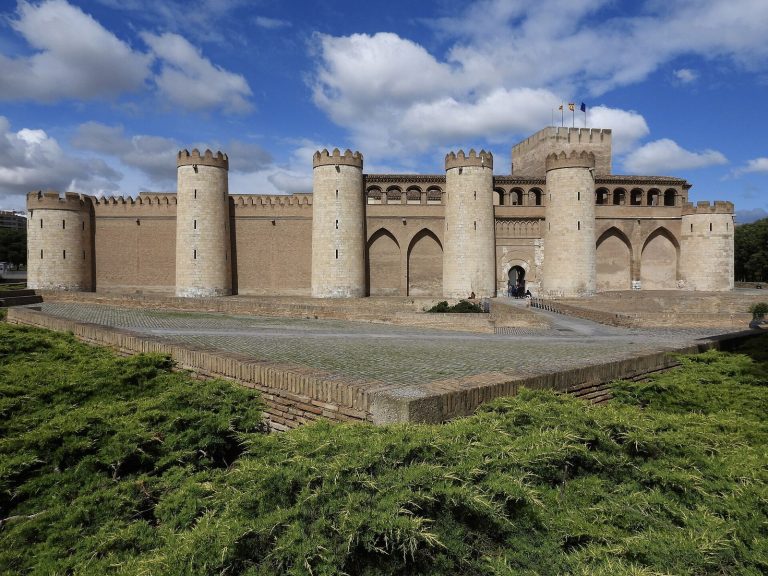
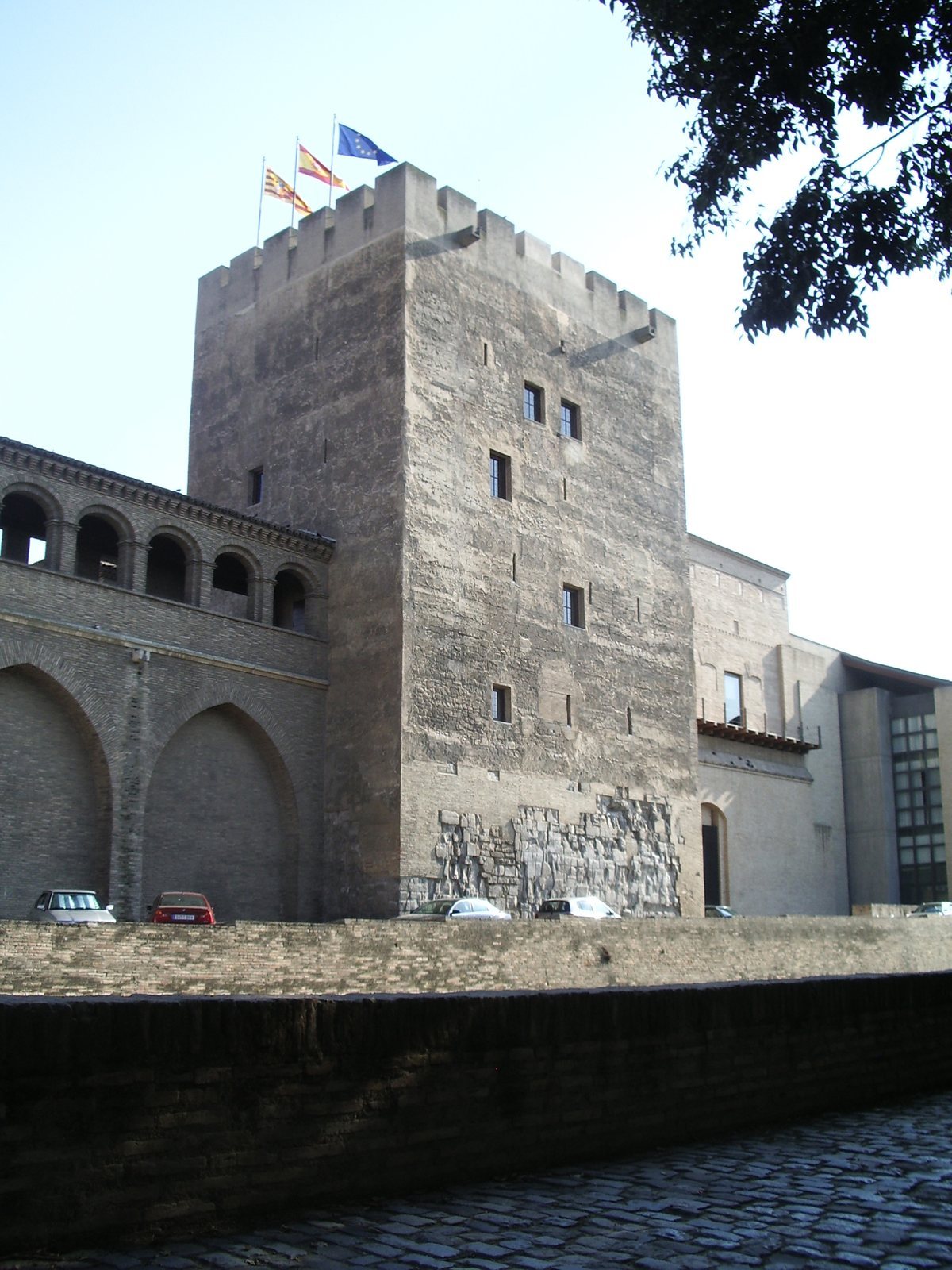
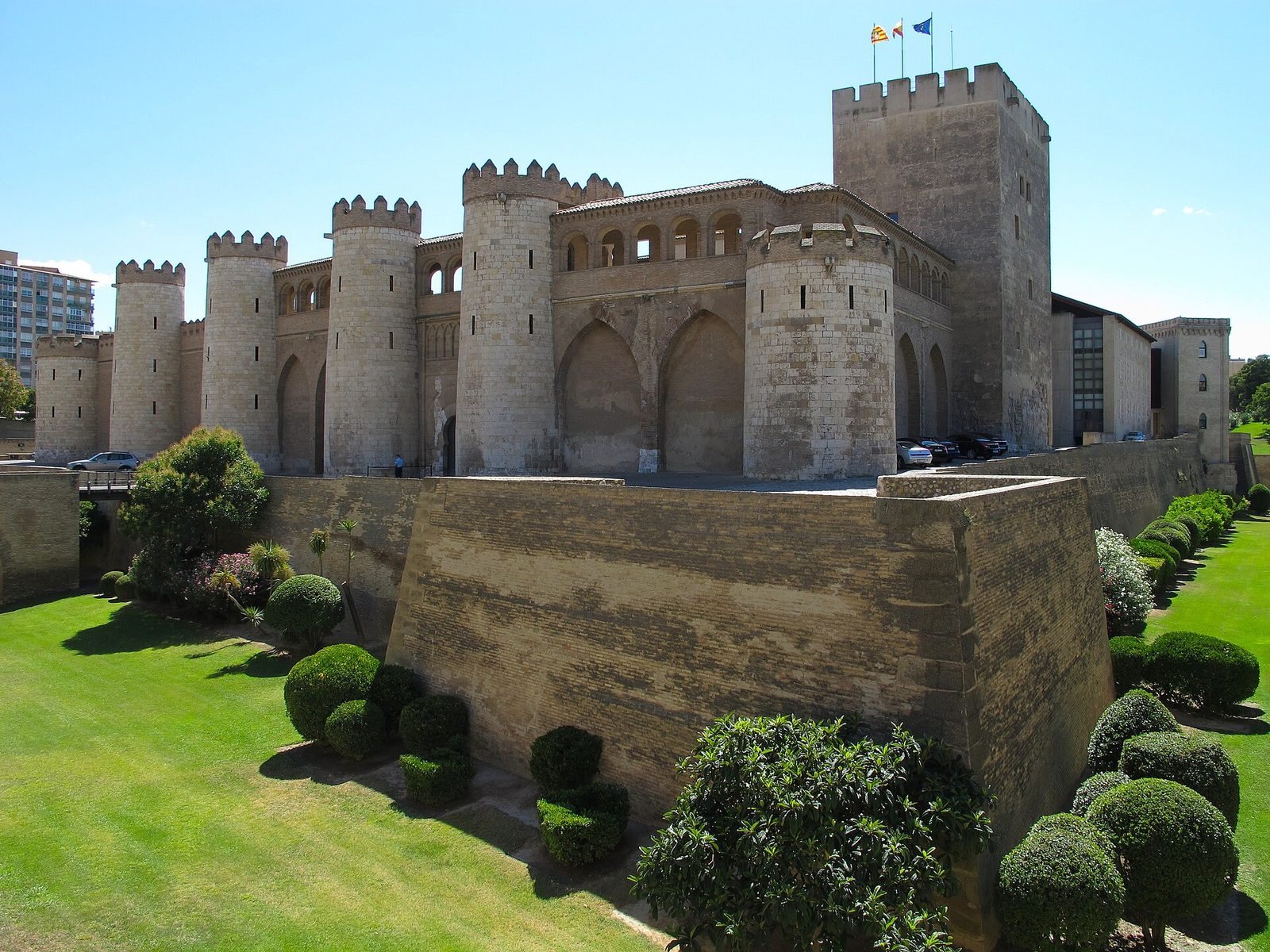
The Torre del Trovador is the oldest part of the Aljafería palace in Zaragoza, Spain. Construction began in the late 9th century under Emir Muhammad Alanqar. During the 9th and 10th centuries, the tower served as a lookout and defensive strongpoint within the Taifa of Zaragoza, an independent Muslim principality. The Banu Hud, its ruling dynasty, incorporated the tower into the growing palace, which developed into a royal residence rather than remaining solely a military fortress.
Christian rule and royal use
In 1118, Aragonese, Navarrese, and Béarnese troops led by Alfonso I the Battler conquered Zaragoza, beginning the Christian period of the Aljafería. The tower was later joined to the palace of Peter IV of Aragon and used as a keep, the principal fortified tower of a castle. In the late 16th century, Philip II of Spain ordered parts of the Aljafería restored and enlarged. The tower underwent modifications and additions but retained its original appearance.
Prison, restoration, and name
After further alterations, the tower became a prison of the Spanish Inquisition in 1486. This tribunal, established under the Spanish monarchy, investigated and prosecuted alleged religious heresy. The palace was then in decline, and the tower continued in use as a prison until the 19th century.
In the 19th century, writer and scholar Mariano Nougués Secall drew attention to the Aljafería’s poor condition, prompting a series of restorations. The tower’s name comes from Antonio García Gutiérrez’s drama El trovador (The Troubadour), which Giuseppe Verdi adapted as an opera in 1853.
Remains
Exterior, materials, and access
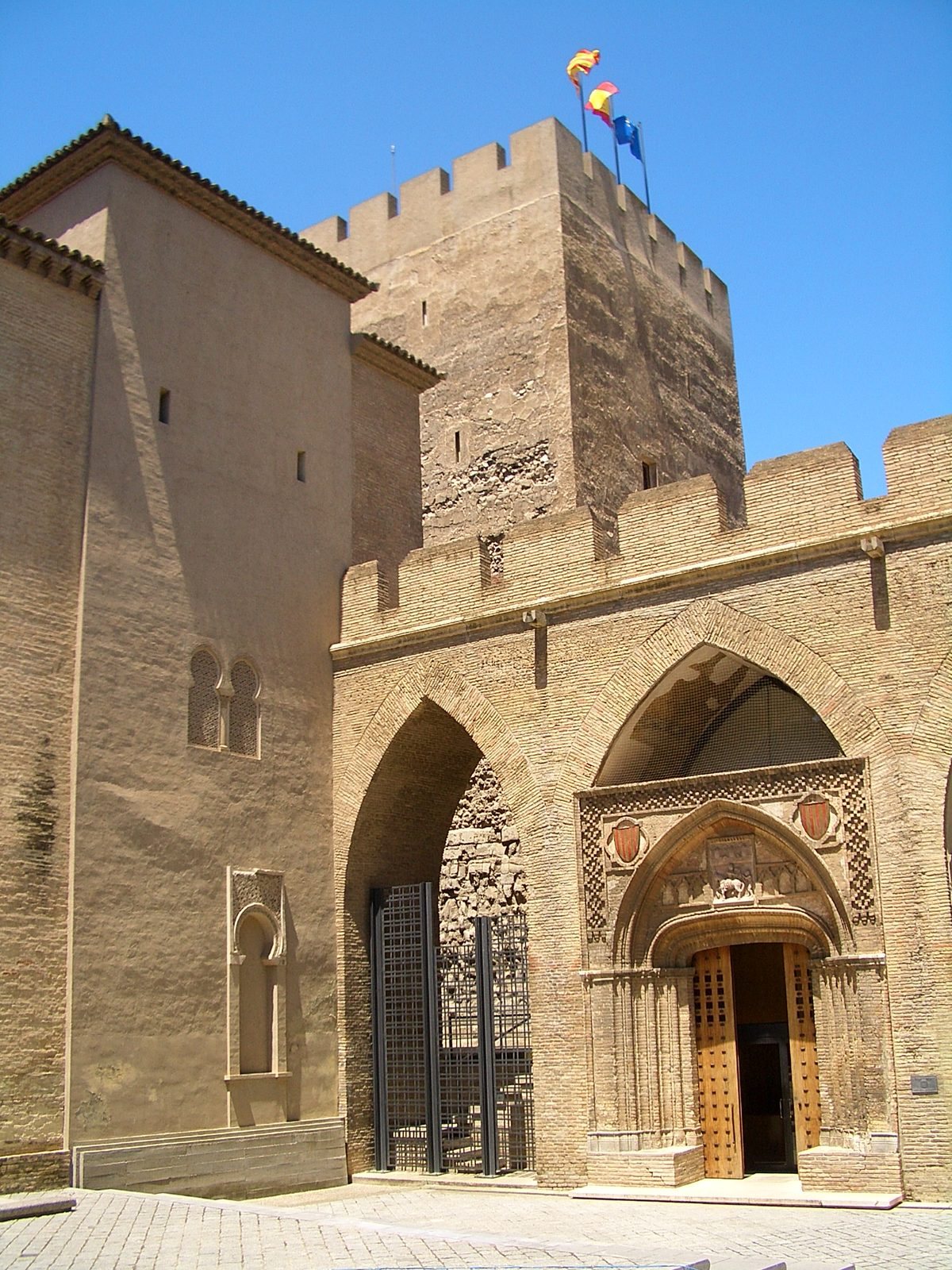
The tower has a square plan and a largely solid, prism-shaped exterior that does not reveal its five internal floors. It was also described as having originally had three floors. The structure was built with alabaster; traces of thick walls made from squared, dressed stone remain, although some of that masonry has been removed. Higher sections show more visible walls of plain concrete and lime, and remnants of walls extending from the tower can also be seen. A small original entrance was reached by a portable ladder. Alabaster is also present in the entrance and access stairway.
Lower floors
First floor
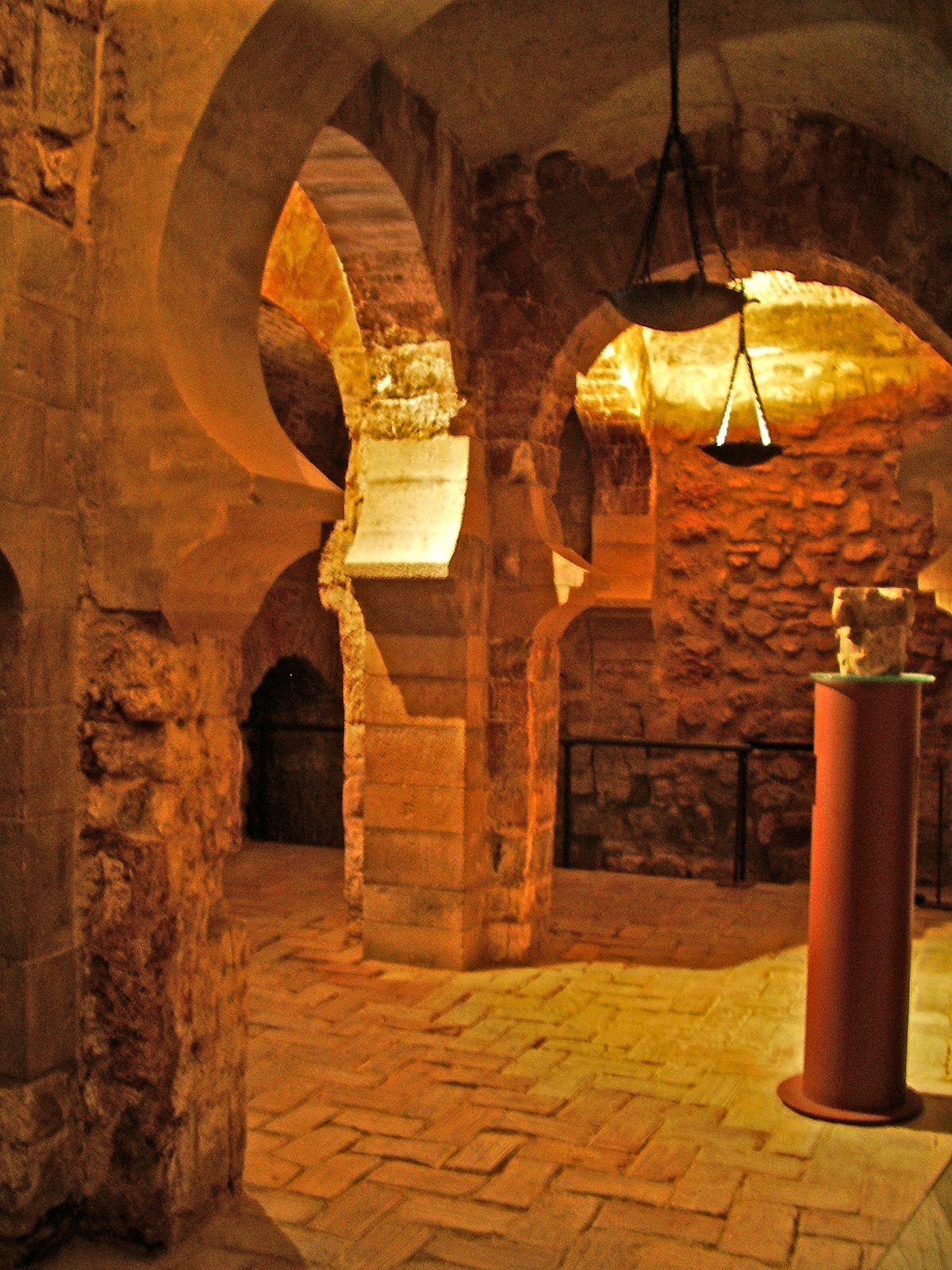
The first floor is divided into two lengthwise spaces and six structural bays by cross-shaped pillars. Flattened horseshoe-shaped arches span the interior. Its balanced, relatively simple design has been compared with that of mosques associated with rule by a caliph. The floor may have served as a bath.
Second floor
The second floor follows the same spatial arrangement as the first. Its brick wall panels preserve parts of 11th-century Muslim masonry, suggesting that the floor may have been rebuilt alongside the palace of Al-Muqtadir, a ruler of the Taifa of Zaragoza.
Upper floors
Third floor
The third floor probably dates to the 11th century and contains horseshoe arches. Painted geometric Mudejar motifs decorate its ceiling. Mudejar describes work created in Christian-ruled Iberia that retained Islamic forms or techniques. The ceiling also bears the names Aeneas, Amor, and Venus, figures associated with classical mythology and Roman tradition; these paintings may date to the 14th century.
Top two floors
The top two floors, probably built under Peter IV, use Mudejar design and connect to the adjoining royal palace by a corridor. Their slightly pointed arches, pillars, ceilings, and flat wooden roof structures, rather than vaulted roofs, show Christian architectural influence. The tower’s form has also been compared with the principal fortified tower of a feudal castle, like those represented in the medieval French epic poem Song of Roland.
Prison graffiti
People confined in the tower carved graffiti during its long use as a prison.