St Mary’s Chapel, Lead: A 14th-Century Chapel
Site at a Glance
- Rating
- 4.9
- Popularity
- Medium
- Country
- United Kingdom
- Primary era
- Medieval
- Eras represented
- Medieval, Modern
- Civilizations
- British, English
- Site type
- Religious
- Remains
- Chapel
On this page7 sections
History
Medieval origins
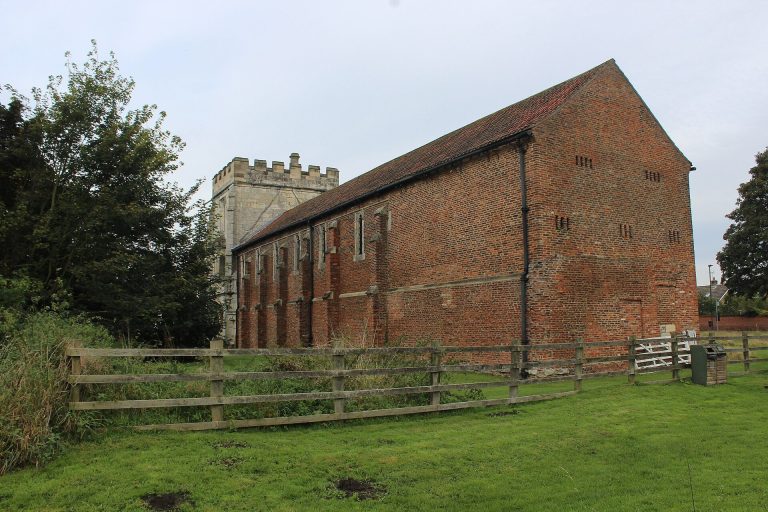
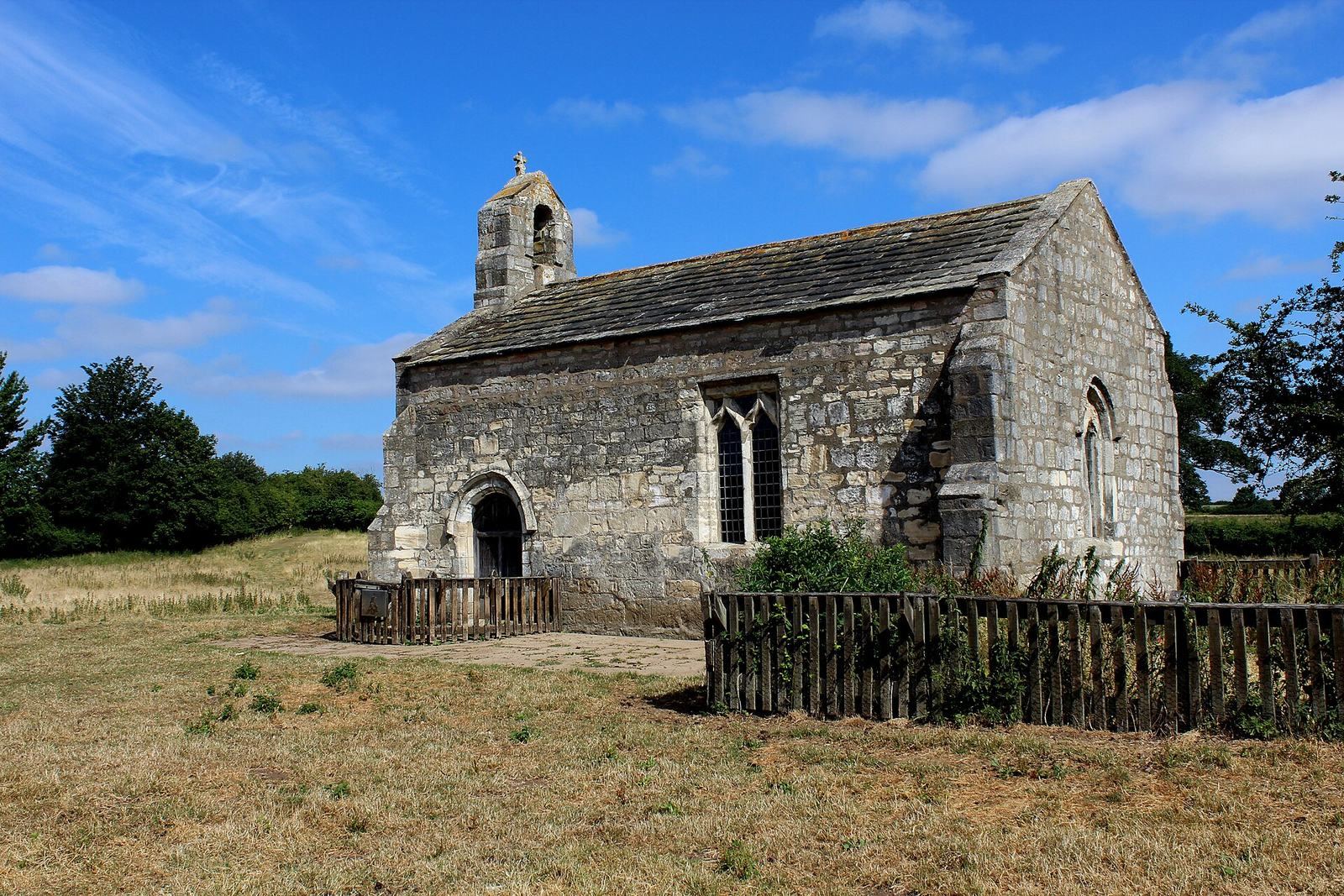
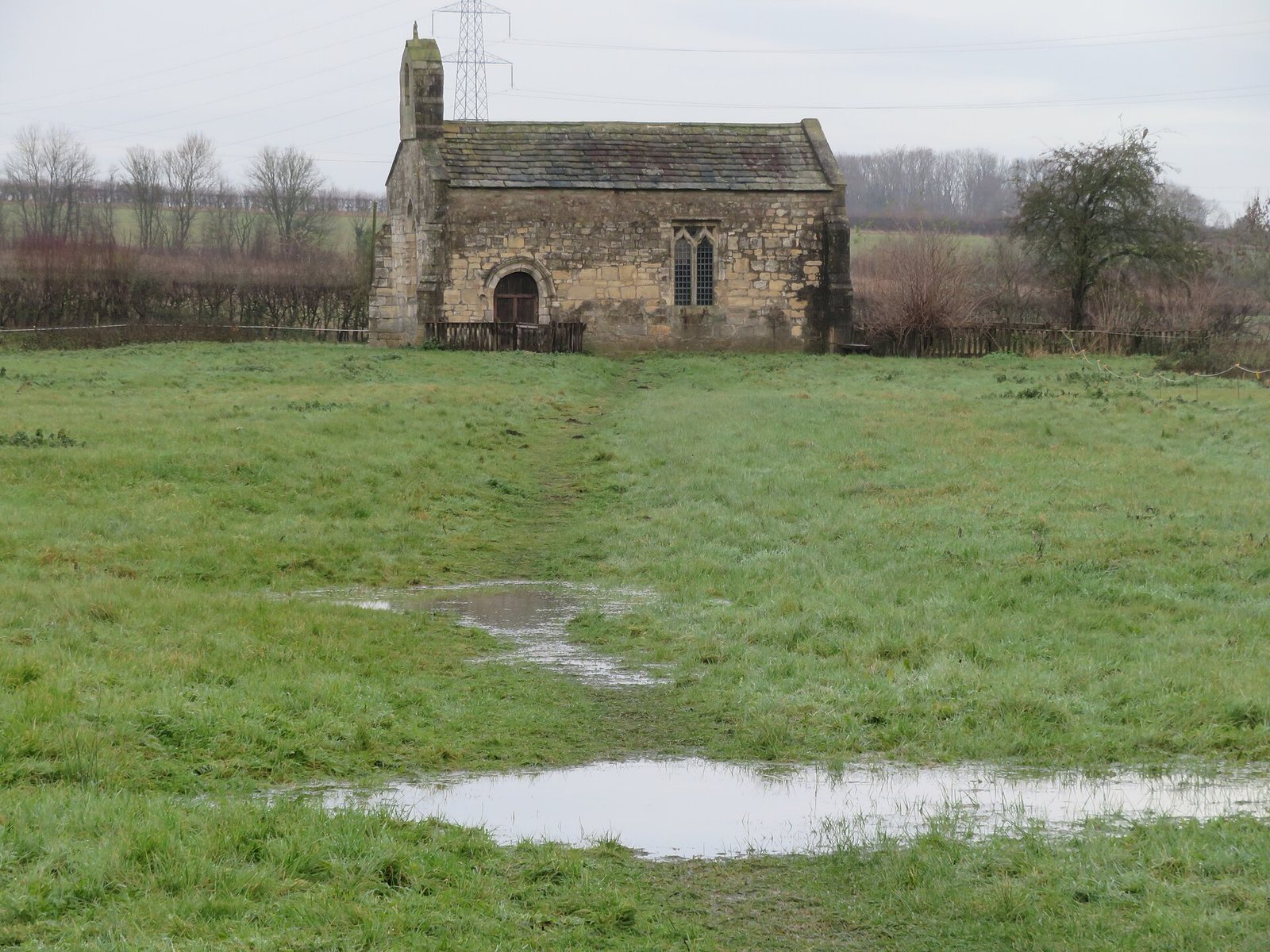
St Mary’s Chapel, Lead, is a 14th-century stone chapel in the United Kingdom. It probably served a medieval manor house, which no longer survives, and is thought to have been built for the Tyas family. The chapel stands close to the site of the 1461 Battle of Towton, fought during the Wars of the Roses, a series of dynastic conflicts between Lancaster and York over the English crown.
Changes and restoration
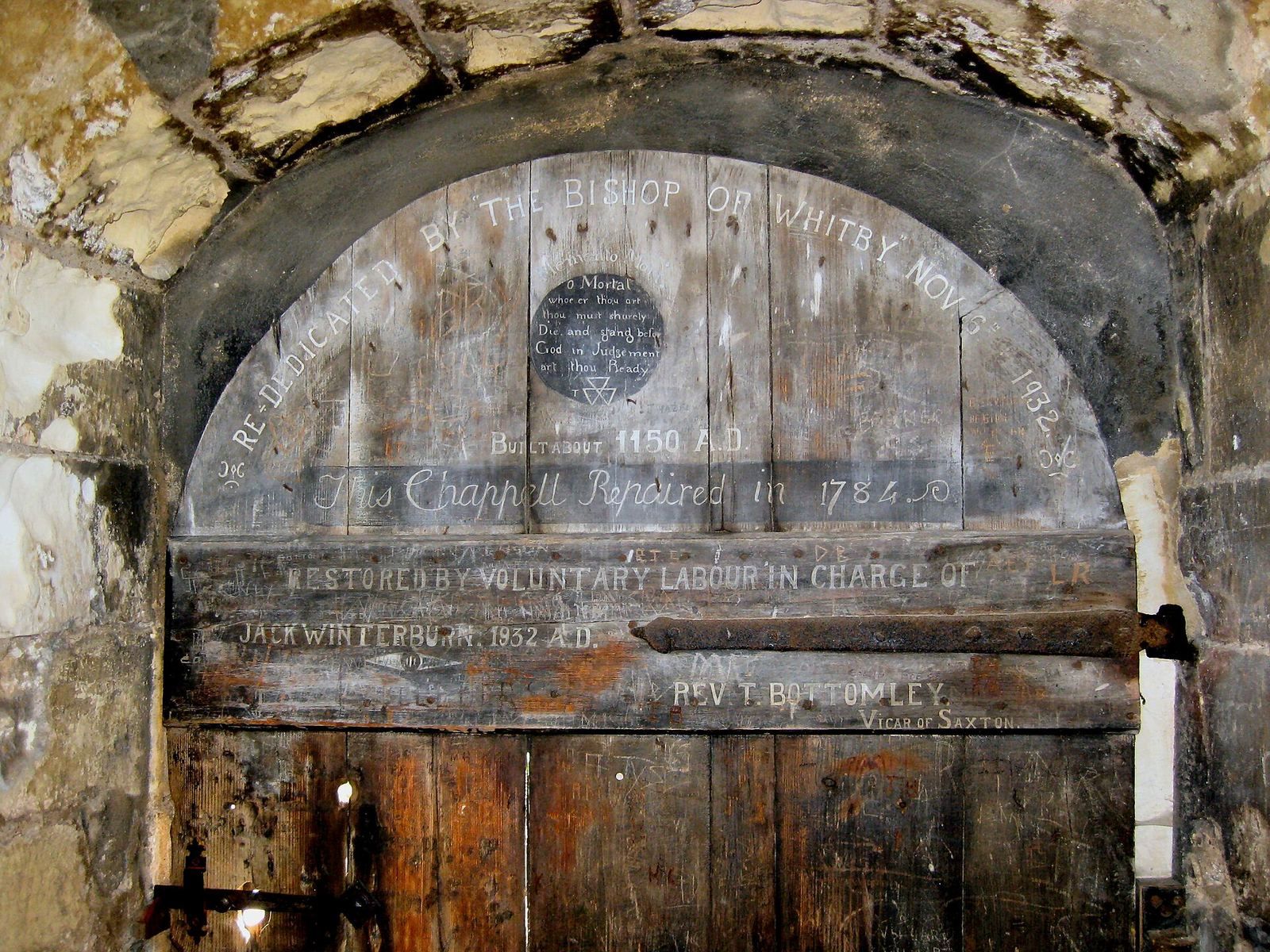
Additions were made to the chapel in the 18th century, followed by repairs in the late 19th and early 20th centuries. Until 1912 it was a chapelry, meaning a chapel or chapel district associated with a parish. In that year it became part of Saxton parish.
By 1931 the building had fallen into ruin. Local ramblers helped save it, and repairs prepared it for worship again. It was rededicated on 6 November 1932, with further restoration in 1934.
Later care
As the local population declined later in the 20th century, the chapel ceased to serve as a regular place of worship and was declared redundant. The Churches Conservation Trust took it into its care in 1980. The Friends of Lead Church now maintain it, and an annual service is held there. The chapel is listed at Grade II*, a high-level English heritage designation for buildings considered particularly important.
Remains
Chapel and interior
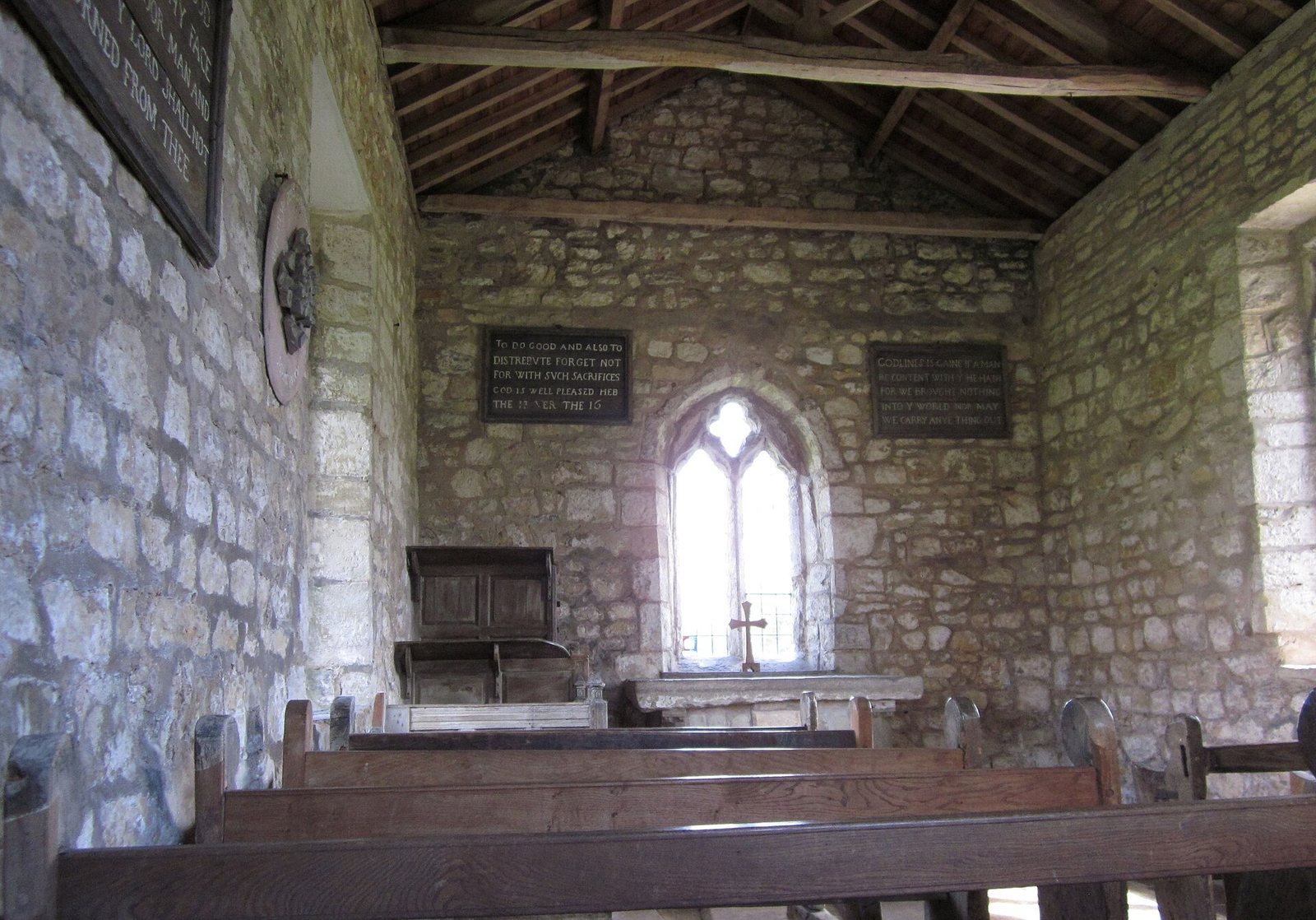
The stone building has a rectangular plan and measures about 18 feet (5.5 metres) in length. A bellcote, a small structure for housing a bell, stands at the west end. Inside, the furnishings include benches that may date from the medieval period, a three-level pulpit traditionally used for preaching and readings, a stone altar topped by a medieval altar slab, and a font that was probably moved during repairs after the chapel fell into ruin. Boards on the east wall carry sentences from the 18th-century Holy Communion service, the central Eucharistic rite in Anglican worship.
Earlier chapel remains
Excavations in 1934 uncovered foundations of an earlier, larger church or chapel, about 23 feet (7 metres) long, along with two stone coffins. The excavations also revealed a grave slab dating to the 9th or 10th century.