Old Dee Bridge: Chester’s Historic River Crossing
Site at a Glance
- Rating
- 4.6
- Popularity
- Very Low
- Country
- United Kingdom
- Primary era
- Medieval
- Eras represented
- Medieval, Modern
- Civilizations
- British, English
- Site type
- Infrastructure
- Remains
- Bridge
On this page5 sections
History
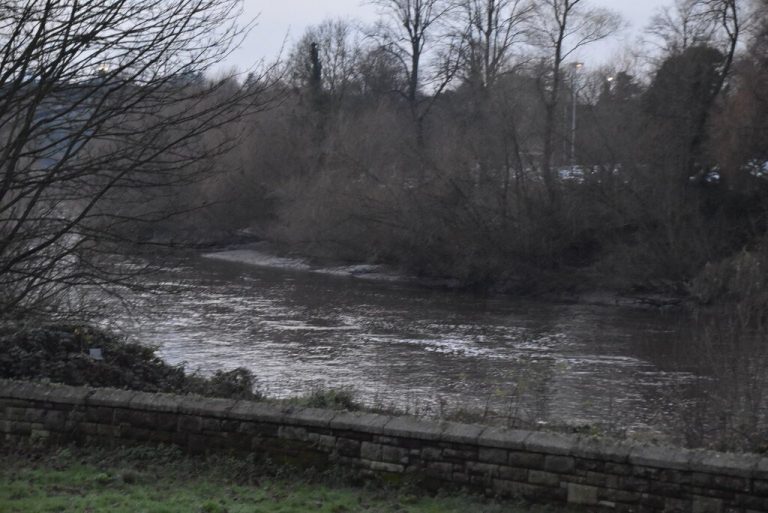
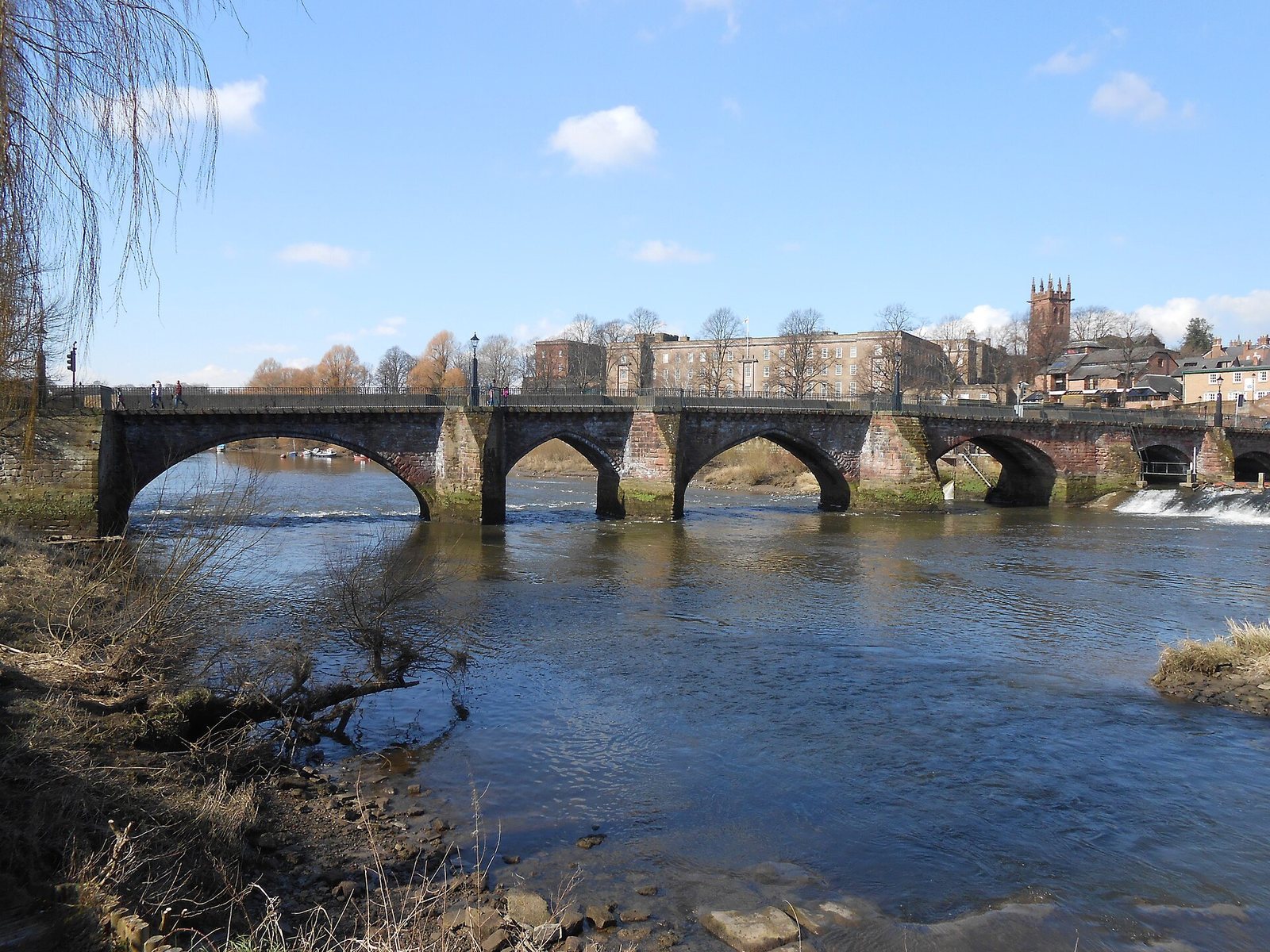
Old Dee Bridge crosses the River Dee in Chester, England, and is the oldest bridge in the city. The Romans first built a bridge at this site, while the surviving crossing largely reflects a major rebuilding in 1387.
Roman and Early Medieval Crossings
The Roman-era structure appears to have disappeared by the 10th century. During the rule of Æthelflæd of Mercia, from 911 to 918, a ferry carried people across the river. A bridge stood here again by 1086. The Domesday Book, England’s survey of landholding and resources completed that year, records that the Provost of Chester Castle could require one man from each Cheshire hide, a unit used to assess land and obligations, to help rebuild the town walls and bridge.
A causeway leading to the crossing was built for Hugh d’Avranches, the Norman magnate who became 1st Earl of Chester. Watermills also operated on the Dee there.
Medieval Rebuilding and Repairs
Repairs continued over the following centuries. The bridge’s timber upper structure was swept away in 1279–1280. Sir Thomas de Ferrers, a local judicial officer, arranged further repairs around 1347–1349, and Stephen de Merton oversaw work in the 1350s. In 1357, Edward, the Black Prince, eldest son and heir of Edward III, ordered Chester’s mayor and citizens to rebuild their part of the bridge in the style of a newly completed section. This work probably contributed to the structure that survives. A major rebuilding in 1387 accounts for much of the present bridge.
Chester’s citizens received murage in 1367, revenue raised for repairing town walls, but the proceeds were assigned to the bridge’s upkeep. In December 1388, the mayor, bailiffs, and other leading citizens received a three-year grant of pontage, revenue for bridge repairs. A defensive tower was added between 1399 and 1407. In 1407, half the murage revenue could be used to finish the bridge gatehouse.
Later Changes
The gatehouse was demolished in 1781. In 1825–1826, architect Thomas Harrison widened the bridge to provide a footway on its upstream side. Because the crossing was considered inadequate for expected traffic, another bridge was built to connect Chester with North Wales. Harrison also designed Grosvenor Bridge, officially opened in 1832; it began carrying traffic on 1 January 1834. Old Dee Bridge is a Grade I listed building and a scheduled monument.
Remains
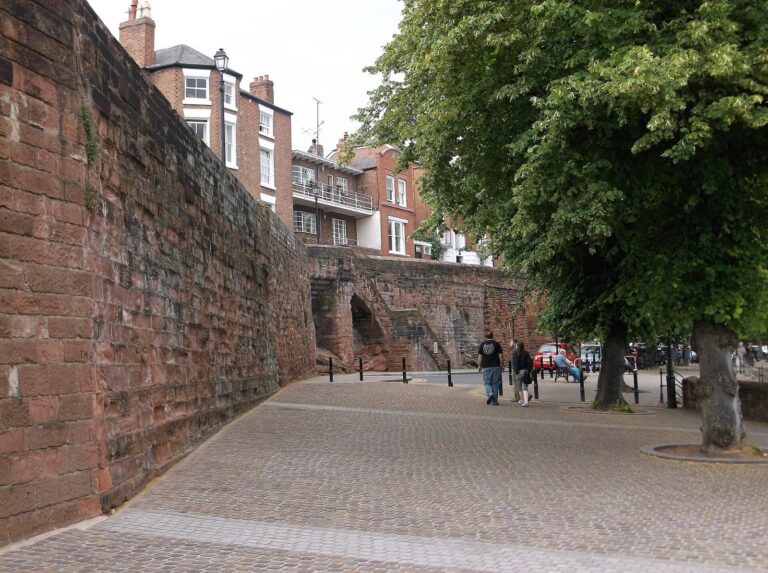
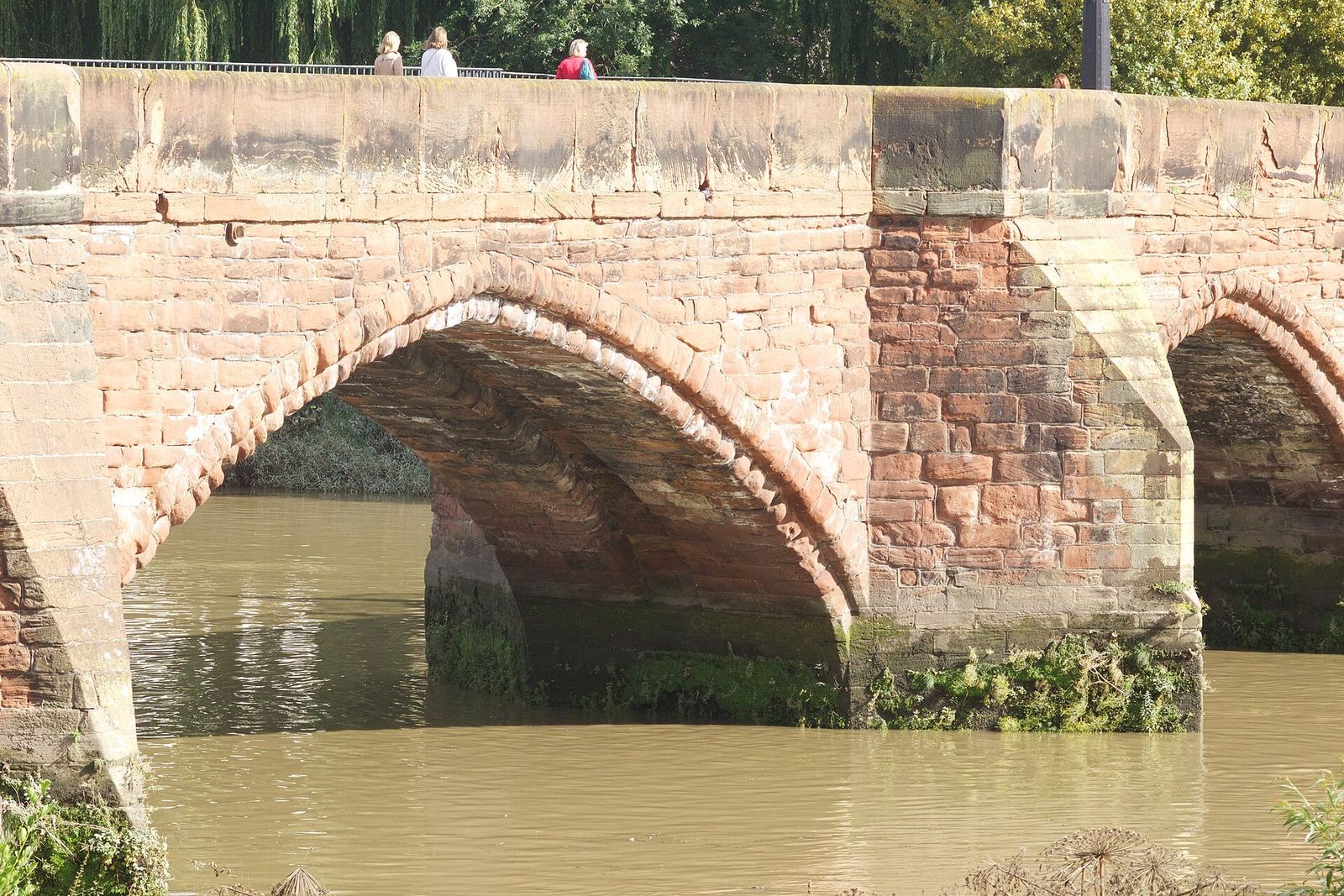
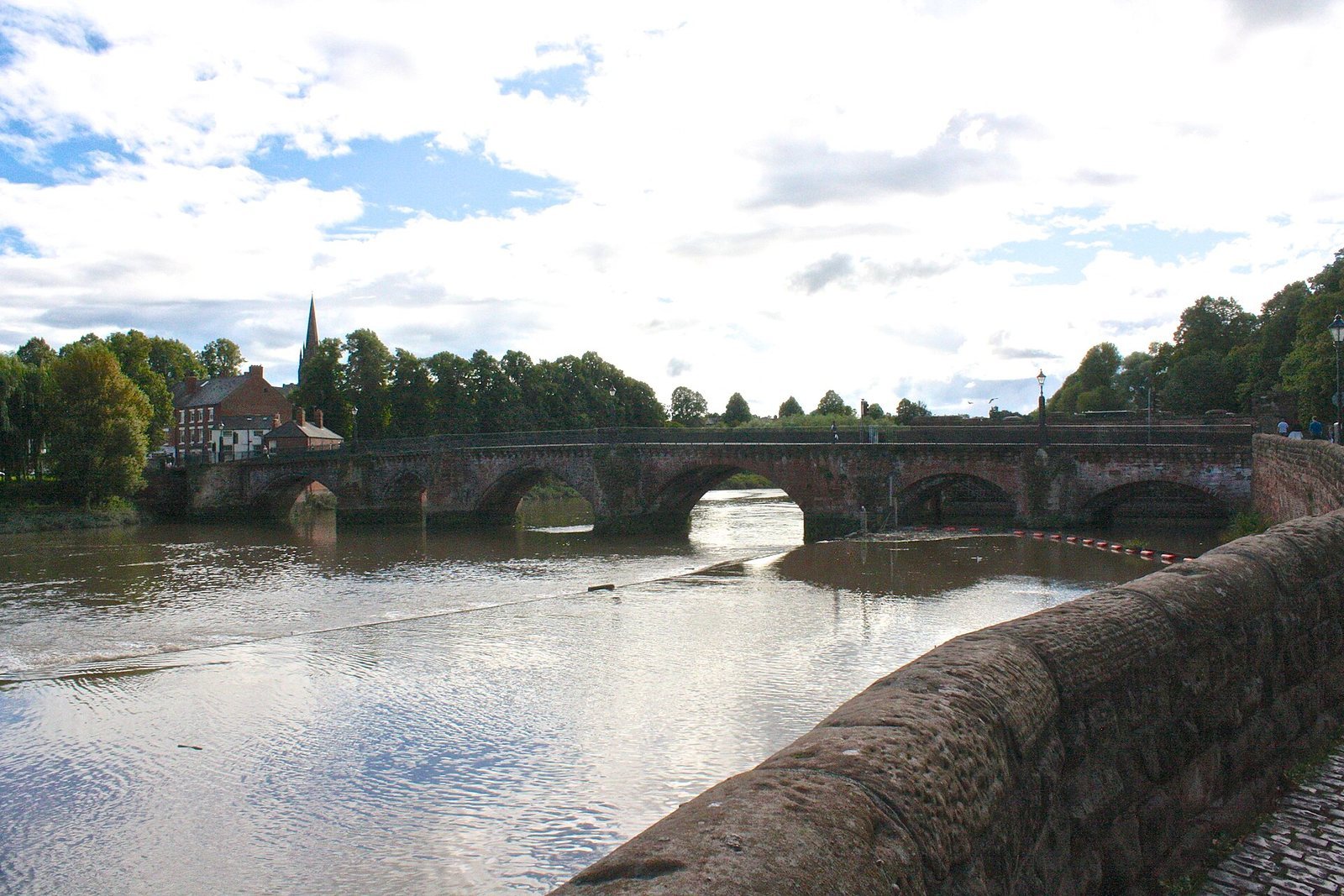
Built of local red sandstone, the bridge has seven arches of differing sizes and crosses the River Dee. Its southernmost arch took the place of the medieval drawbridge, while the two northernmost arches formerly crossed a water channel. The bridge carries Bridge Street from the bottom of Lower Bridge Street and the Bridgegate towards Handbridge, and is used by vehicles and pedestrians.