St Leonard’s Church, Streatham: A Church of England Parish Church
Site at a Glance
- Rating
- 4.5
- Popularity
- Medium
- Country
- United Kingdom
- Primary era
- Modern
- Eras represented
- Medieval, Modern
- Civilizations
- British, English
- Site type
- Religious
- Remains
- Church
On this page10 sections
History
St Leonard’s Church, Streatham, is a parish church founded in 1301 in the London Borough of Lambeth, London, United Kingdom. Its parish is described as ancient and is mentioned in the Domesday Book, William I’s 1086 survey of English landholding and resources. This reference concerns the parish, rather than establishing an earlier foundation date for the church.
Parish origins and growth
The original parish included land in areas now known as Balham and Tooting Bec. As the local population grew during the nineteenth and twentieth centuries, parts of its territory were assigned to form all or parts of the parishes of All Saints, West Dulwich; Ascension, Balham Hill; Christ Church, Streatham; Holy Trinity, Tulse Hill; Holy Trinity, Upper Tooting; Immanuel, Streatham; St Margaret the Queen, Streatham Hill; St Peter, Streatham; St Alban, Streatham Park; St Andrew, Lower Streatham; St Anselm, Coventry Park; St James, West Streatham; St John the Divine, Balham Hill; St Mary, Balham; St Mary, Summerstown; St Thomas, Telford Park; and The Holy Redeemer, Streatham Vale.
St Leonard’s is part of the Church of England, England’s established Anglican church, and its churchmanship is Modern Catholic, an Anglican approach emphasizing Catholic liturgy and theology. The parish, St Leonard, Streatham, belongs to the Province of Canterbury, which groups dioceses, and is administered within the Diocese of Southwark, the Archdeaconry of Lambeth and the Lambeth South Deanery. The Diocese of Southwark estimated the parish population at 11,293 in 2001.
Fire and historical reassessment
A fire gutted the church on 5 May 1975, after which it was restored. Following the 2020 Black Lives Matter protests, Lambeth Council reviewed local historical links to the trans-Atlantic slave trade and colonialism. The review identified the memorial to John Massingberd, treasurer of the East India Company, as having a proven association with these histories. The company became an instrument of British power and colonial rule in South Asia.
Remains
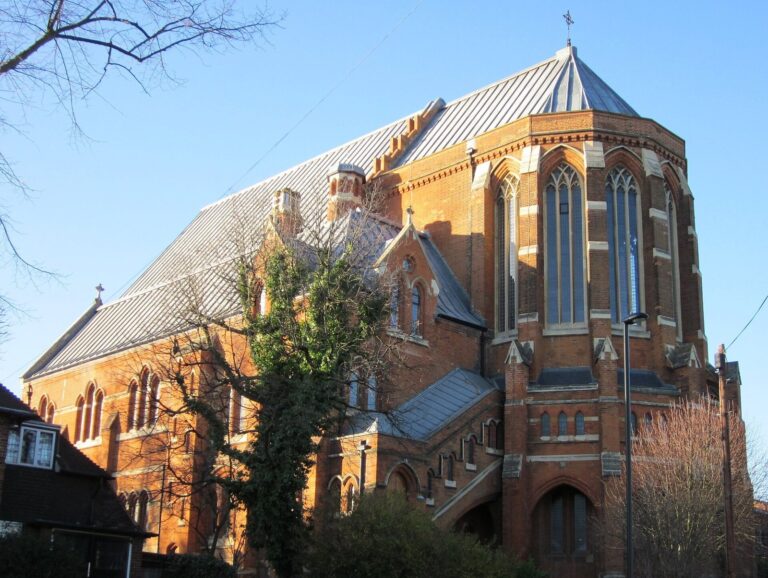
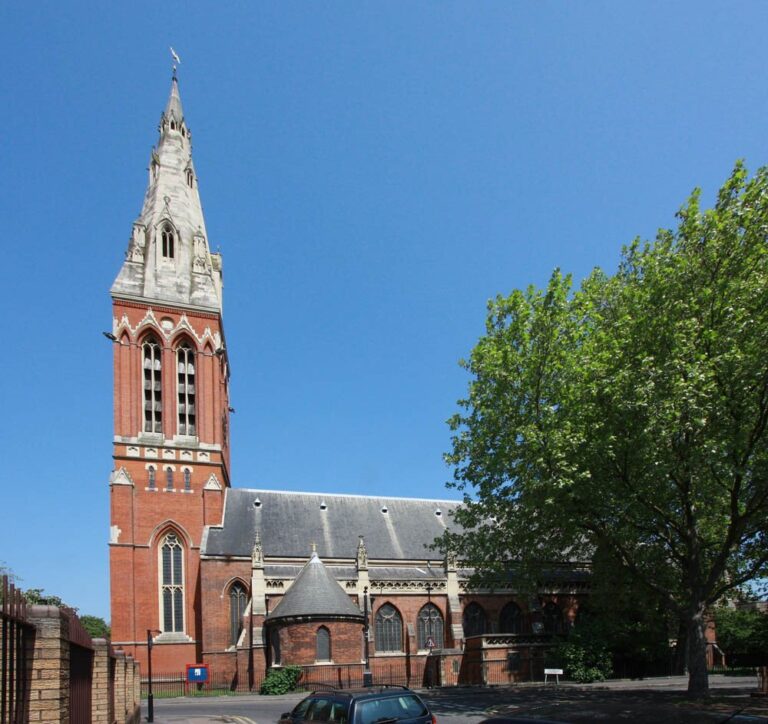
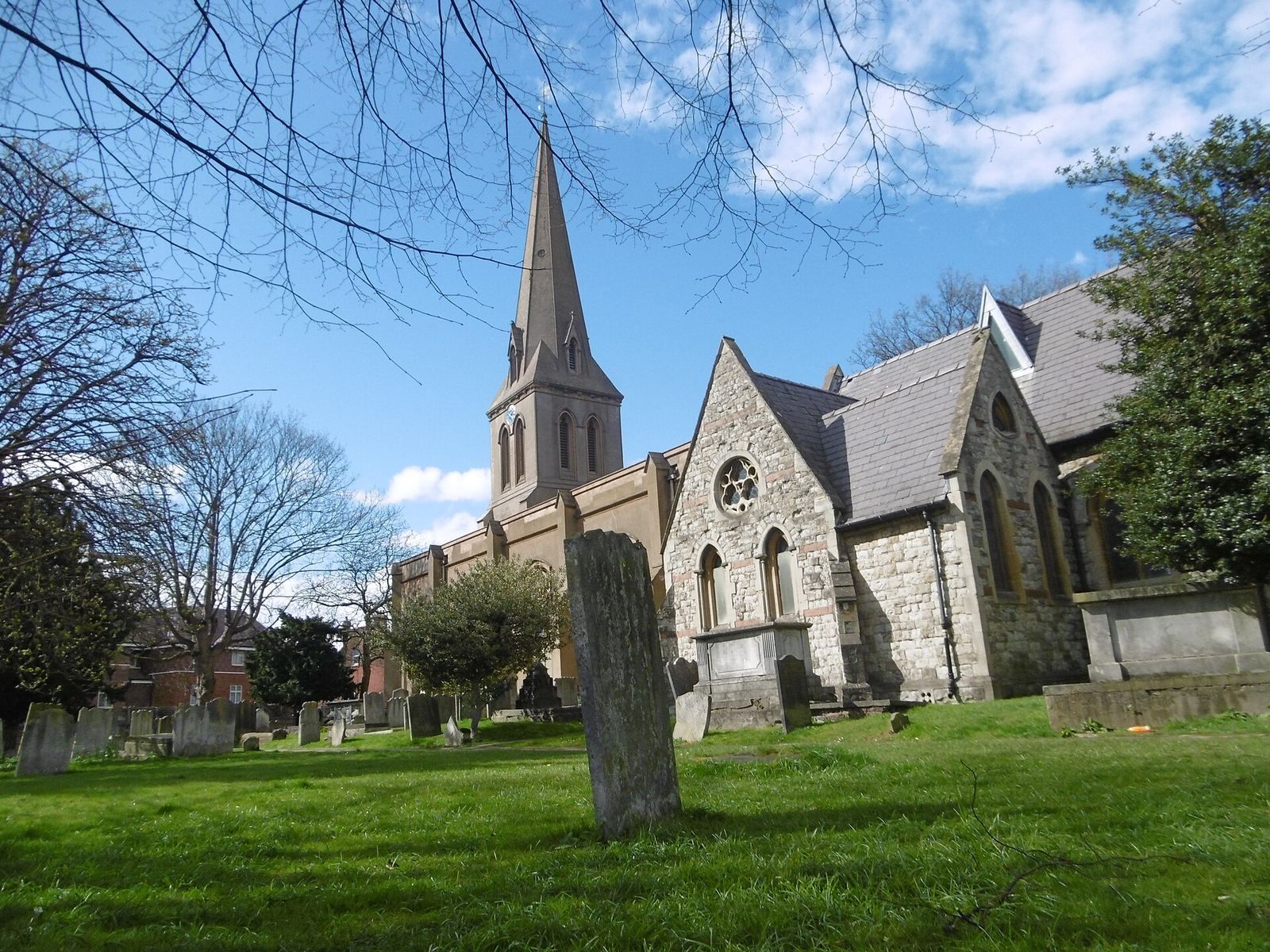
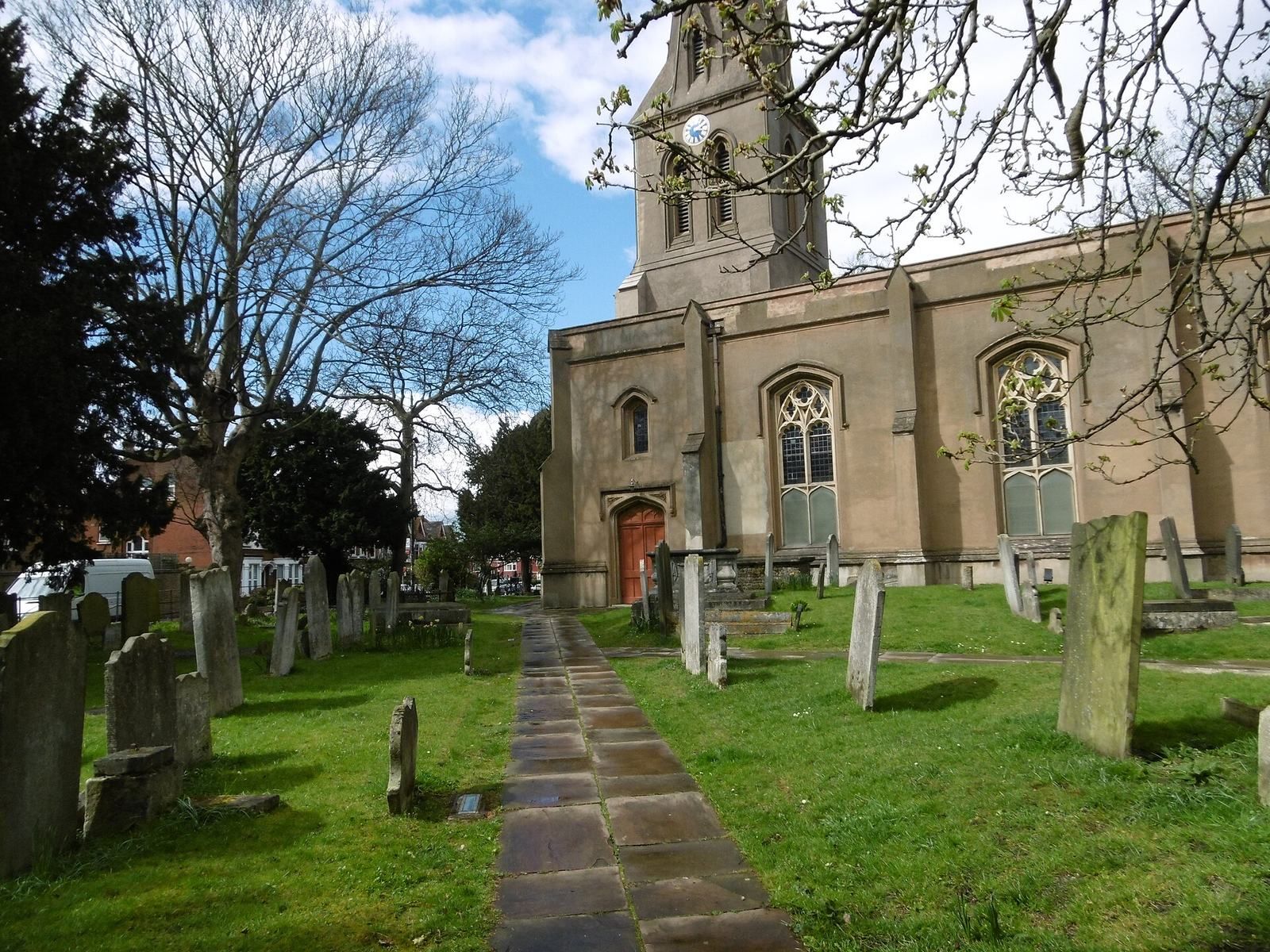
The church stands on the west side of Streatham High Road, at its junction with Tooting Bec Gardens and Mitcham Lane. Its fabric includes a tower, a nave (the main body of the church) and a chancel (the area around the altar), combining an old tower base with later rebuilding and a stone chancel.
Church fabric and interior
Tower and rebuilding
The tower’s lower section dates to the fourteenth century and is the oldest part of the current building. Almost all of the church apart from the tower was rebuilt in 1830–31. Lightning struck the spire in 1841, leading to the rebuilding of the spire and the tower’s upper section; further alterations followed in 1877.
Medieval fittings
The church retains a fifteenth-century font, a basin used for baptism. A damaged figure of a knight lies beneath a fourteenth-century canopy. Other early memorials include brasses, engraved metal plaques, and monuments.
Chancel
The present stone chancel was built in 1863. An interior memorial tablet commemorates William Dyce, a nineteenth-century Scottish painter and art educator.
Restored interior
The restoration brought in new seating and an organ, along with a staircase to the gallery, a raised platform, and a mezzanine, an intermediate floor. A paved stone floor incorporates older ledger stones, flat inscribed slabs covering graves or commemorating the dead. The work also created the Chapel of Unity at the west end of the south aisle and added clerestory lights, windows in the high wall sections of the nave and chancel.
Churchyard monuments
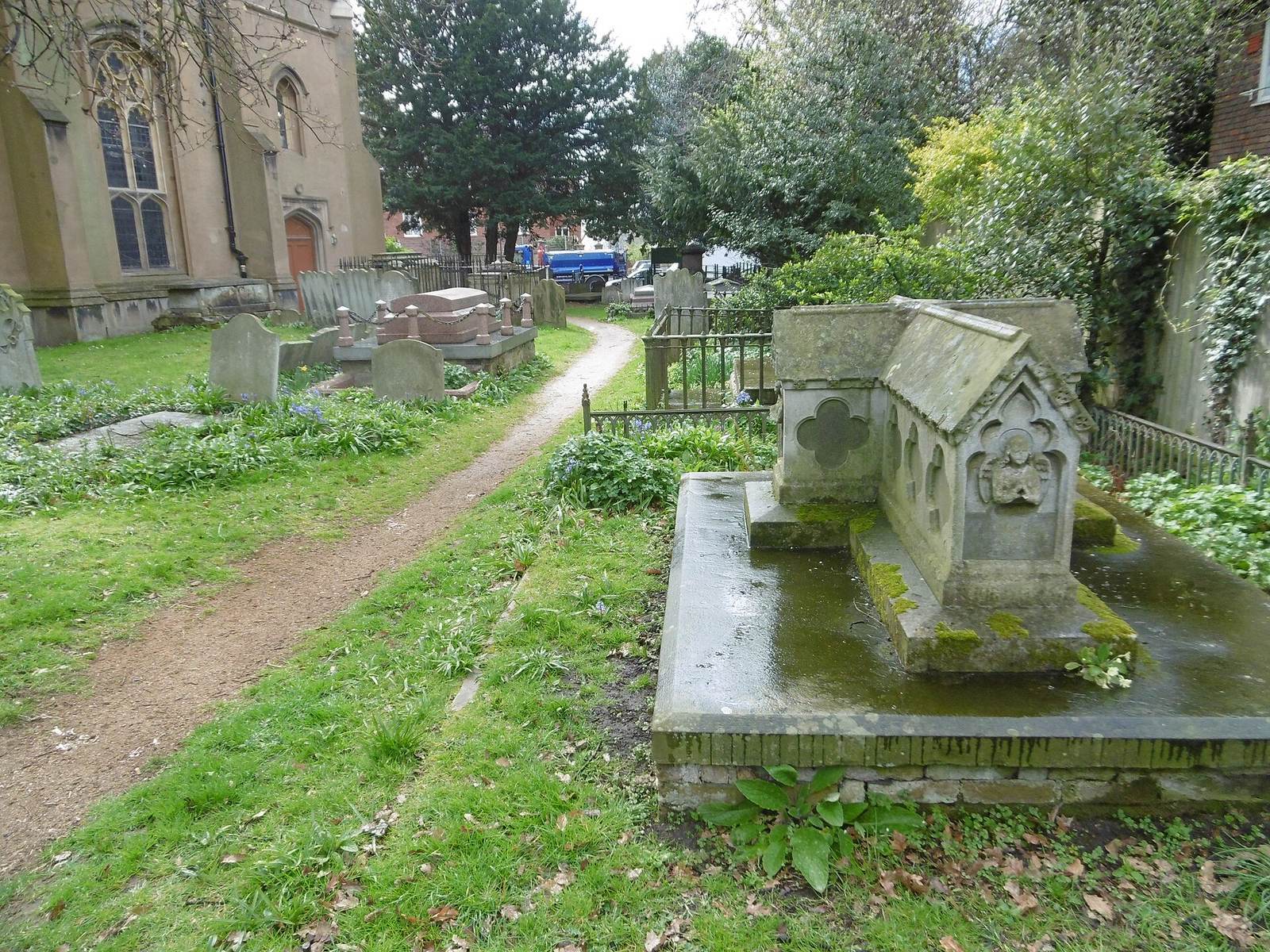
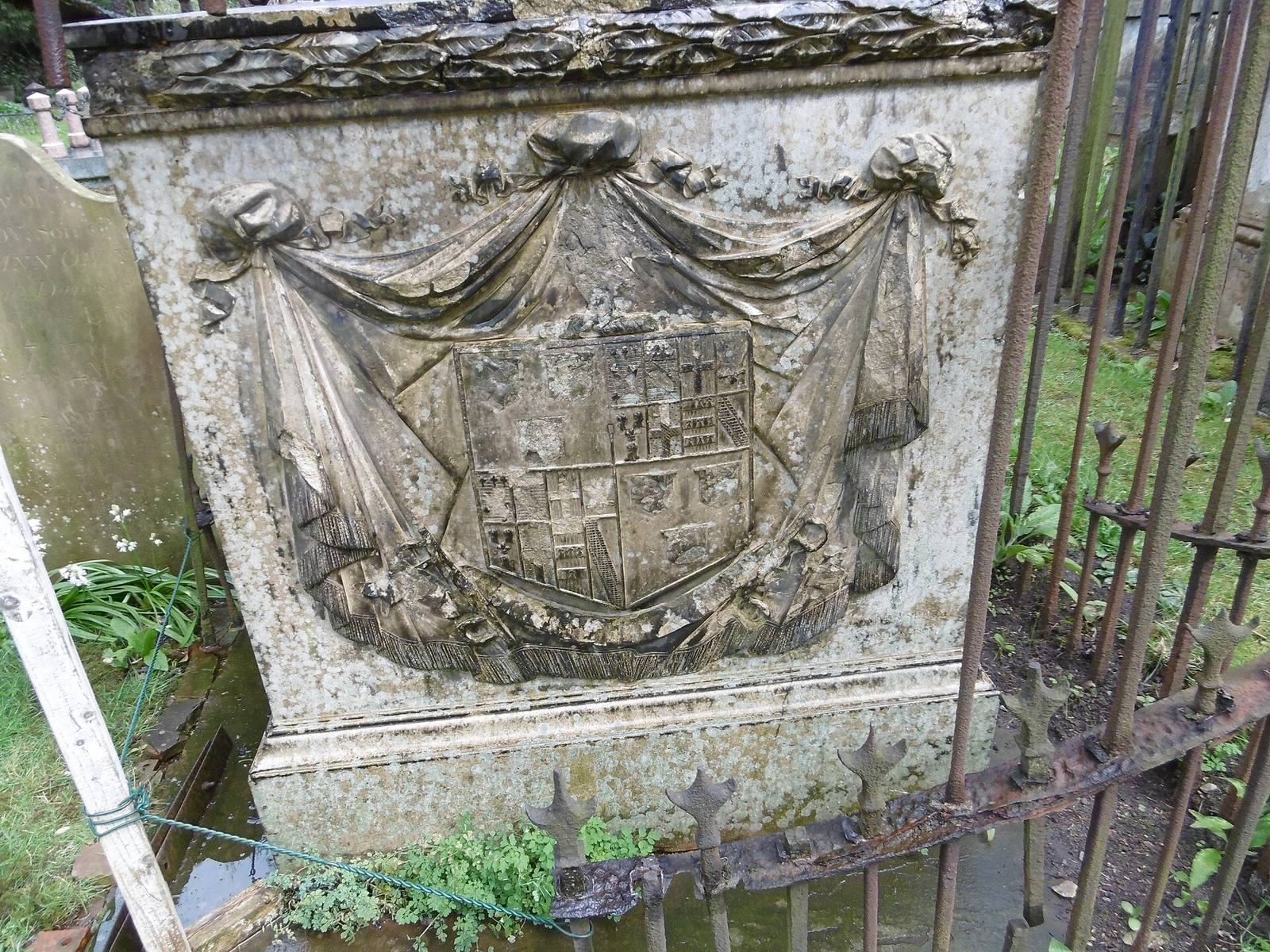
The churchyard contains numerous monuments, including tombs commemorating George Abell, who died in 1826; Joseph Hay, who died in 1805; Lieutenant Colonel William Boyce, who died in 1808; and Thomas Helps, who died in 1842, and his family.