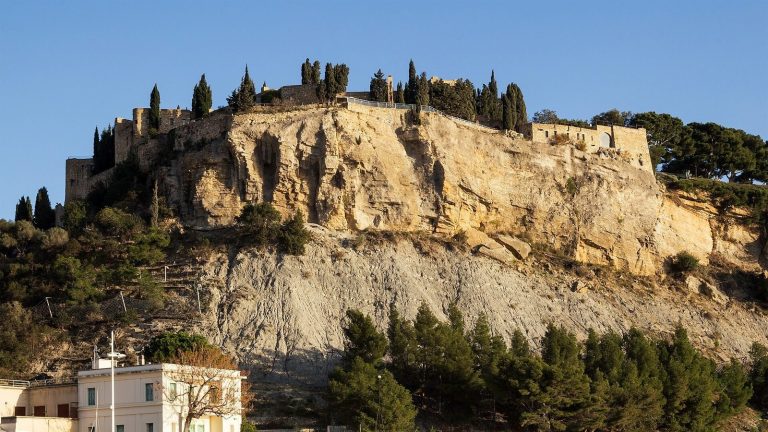
Saint-Pons Abbey: A Cistercian Nunnery in Gémenos, France
Site at a Glance
- Popularity
- Medium
- Country
- France
- Primary era
- Medieval
- Eras represented
- Medieval
- Civilizations
- County of Provence, Holy Roman Empire
- Site type
- Religious
- Remains
- Monastery
On this page5 sections
History
Foundation and expansion
Saint-Pons Abbey is a former Cistercian nunnery at Gémenos, France, founded in 1205 for a community of nuns. The Cistercian Order, a monastic order that developed from the abbey of Cîteaux in Burgundy, shaped its religious life. The abbey’s architecture follows the Cistercian Romanesque tradition, with Gothic influence in some parts. Rainier, bishop of Marseille, and the city’s chapter established the foundation on land belonging to Saint-Victor Abbey, which retained jurisdiction. Garsande, a noblewoman also known as Gersande, was its first abbess. From the beginning, Saint-Pons held the parish church of Saint-Martin de Gémenos.
In 1223, Saint-Pons became an abbey and joined the Cistercian Order. It was a daughter house of Le Thoronet, a Cistercian abbey in Provence, and was counted among the region’s four sister abbeys with Silvacane, Sénanque, and Le Thoronet. The community prospered spiritually and economically, and founded three daughter houses.
One of these was Saint-Pierre de l’Almanarre, a Cistercian nunnery founded at Hyères around 1221. It replaced a Benedictine house on the site of ancient Greek Olbia and belonged to the diocese of Toulon. A judgment by apostolic commissioners granted the abbess of Saint-Pons the assets of the monks’ church of Saint-Gervais de Fos to establish the new community. In 1250, a papal bull, a formal document issued by a pope, described Almanarre as home to 32 nuns. Between 1213 and 1235, nuns from Saint-Pons also established Notre-Dame de Mollégès, dedicated to Saint Peter, east of Saint-Rémy.
Agriculture and production
The nuns’ labor and the site’s water power helped make Saint-Pons an important center of agricultural and industrial production in the regional economy. Charles de Castillon drained the Gémenos marshes and pursued agricultural improvements, including the development of mills. An agreement between the abbess and the prior of Saint-Zacharie also addressed the exploitation of agricultural land.
Relocation and later history
Saint-Pons and Almanarre were united in 1407. In 1426, the nuns left Saint-Pons and joined the community at Mont-Sion in Marseille. They cited brigandage, epidemics, political disputes, and insecurity; the dampness of the site may also have influenced their decision. Nicole de Roquefort had established Mont-Sion in Marseille between 1221 and 1245, in the Faubourg Saint-Michel in the La Plaine neighborhood. The house was demolished in 1361 and later rebuilt. It was eventually abandoned in favor of the former Hospital of the Convalescents, which became the nuns’ final home. Saint-Pons retained a monastic function until the French Revolution.
Local legends give different accounts of the abbey’s fate. One tells that, on Christmas evening, nuns admitted young men intent on sexual misconduct; a divinely sent storm then destroyed the convent and killed them. Another recounts that returning crusader knights sought shelter from a storm, and that one recognized the nun Blanche de Simiane as his promised bride and demanded that she return with him. In this tale, Blanche leapt from the abbey bridge into the torrent, and her blood reddened the streambed.
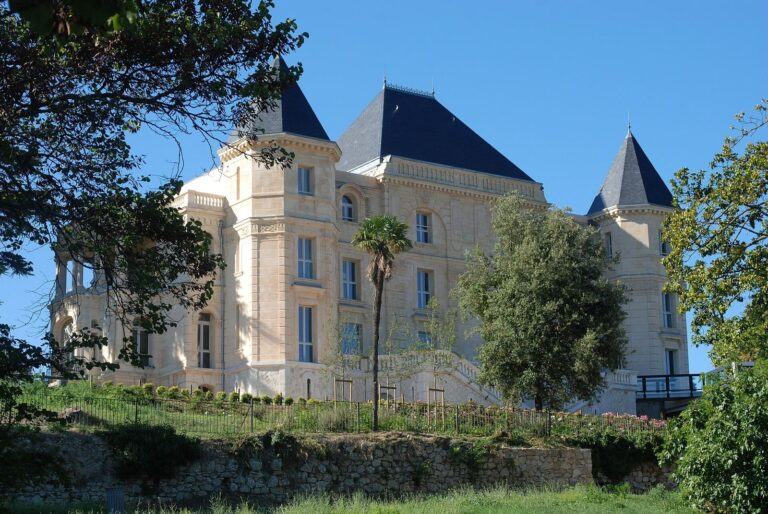
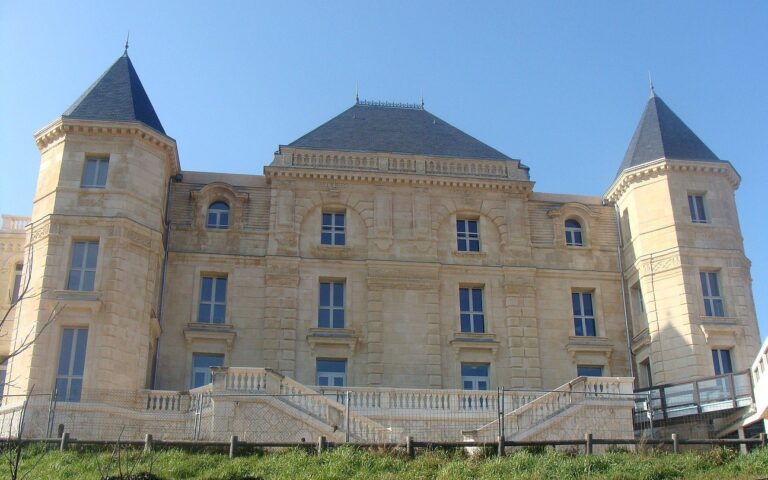
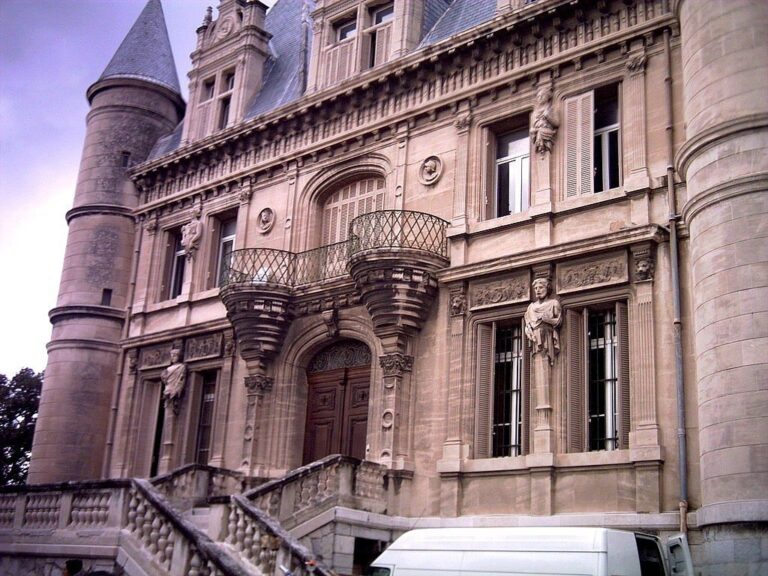
In the sixteenth century, the Albertas family gradually acquired the Saint-Pons valley and developed papermaking there into one of the region’s largest industries. The abbey was dissolved in 1791. After the Revolution, it was sold as national property, property taken over by the state and made available for sale, and put to various industrial uses. Wealthy owners, including the Richard brothers, followed one another in the nineteenth century; the Laugier Montgolfier family held the estate in the twentieth century. Listed as a historic monument in 1926, the estate was restored during the twentieth century. It is now a departmental park owned by the Bouches-du-Rhône departmental council.
Remains
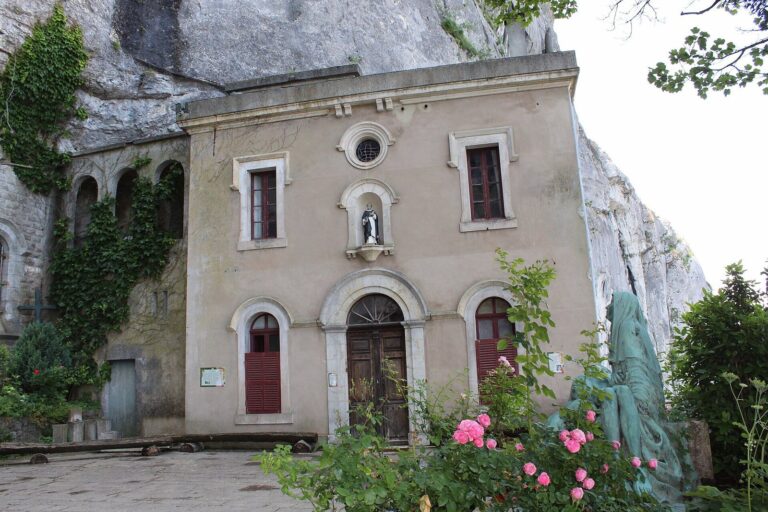
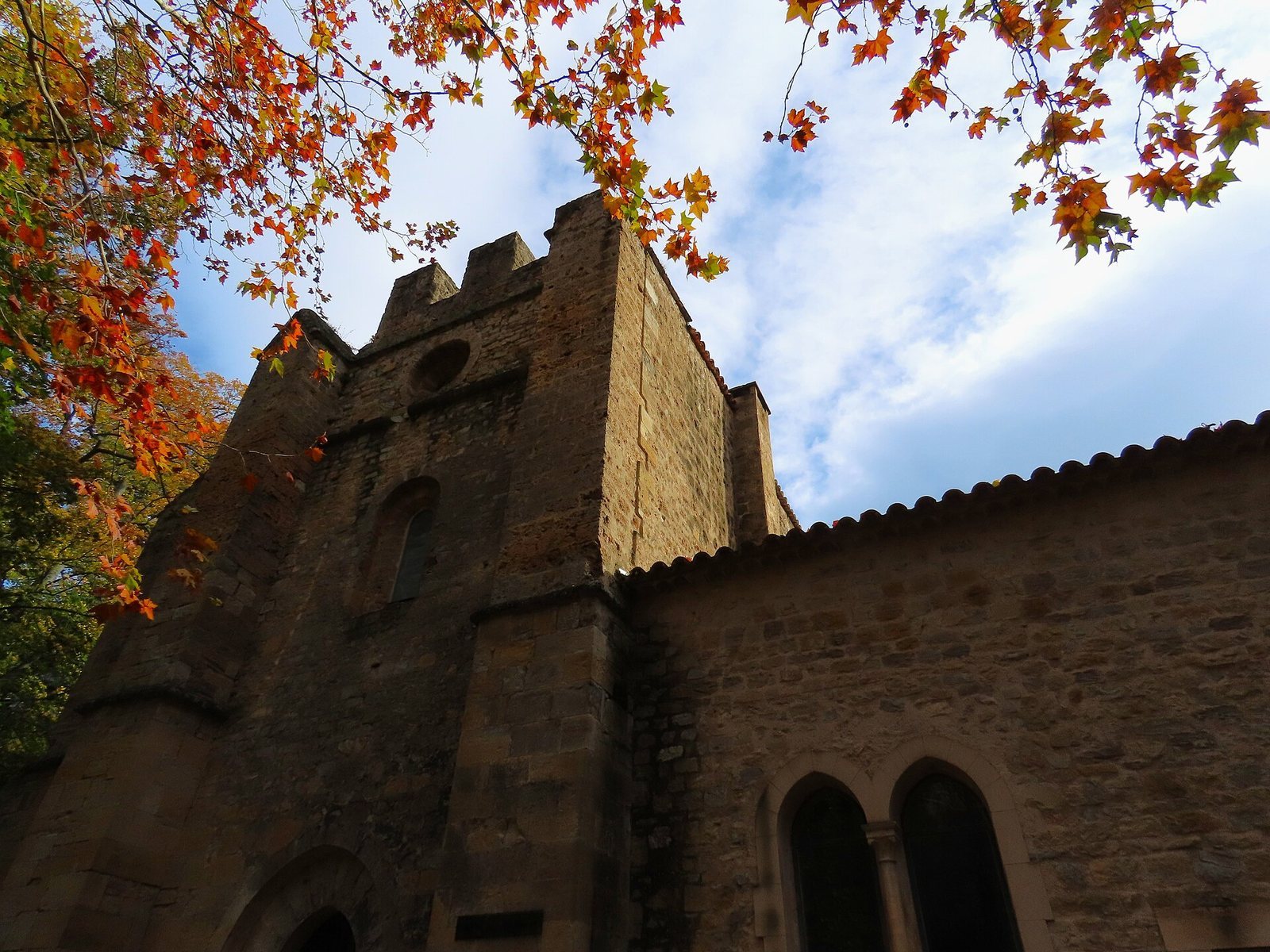
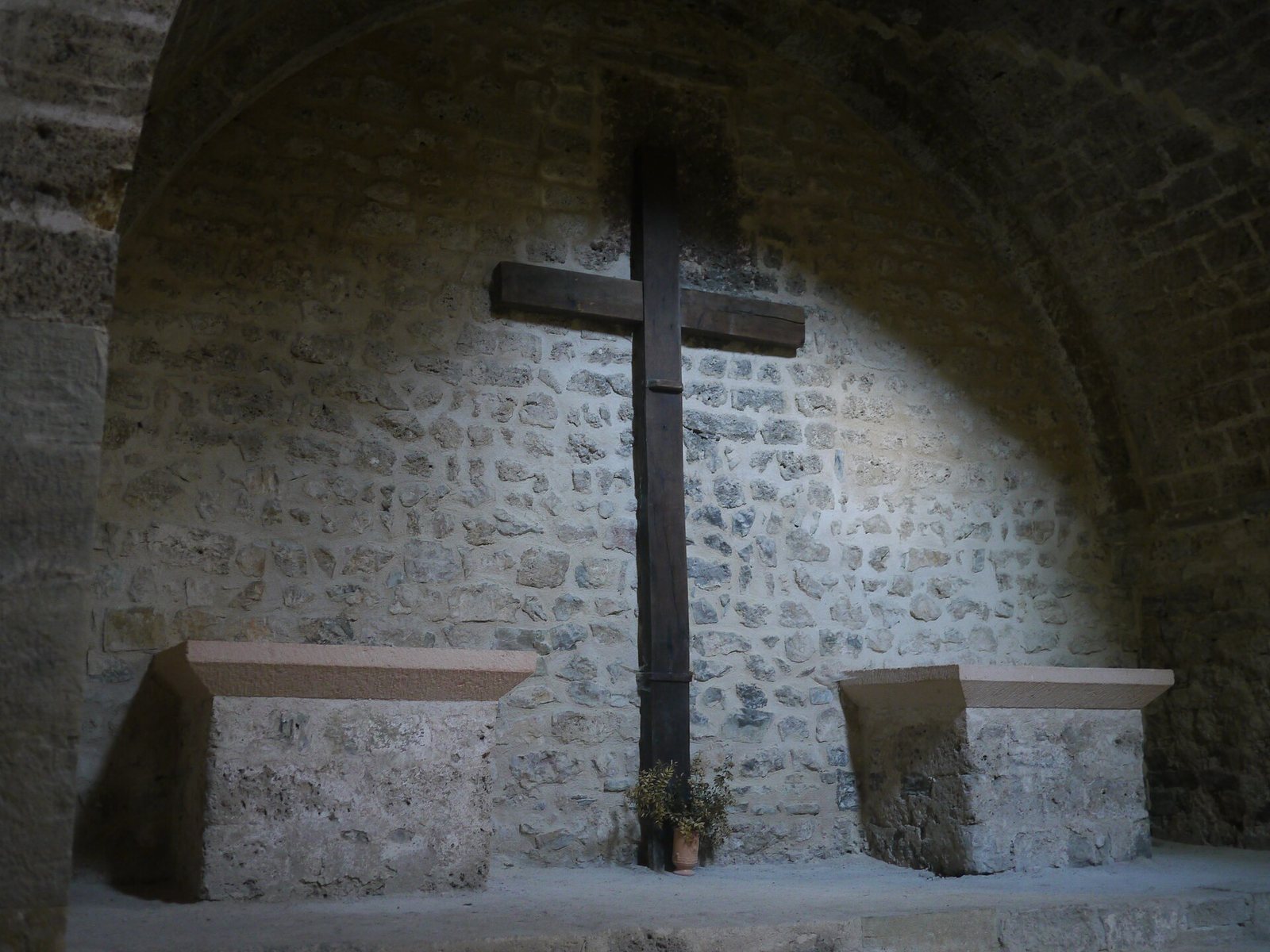
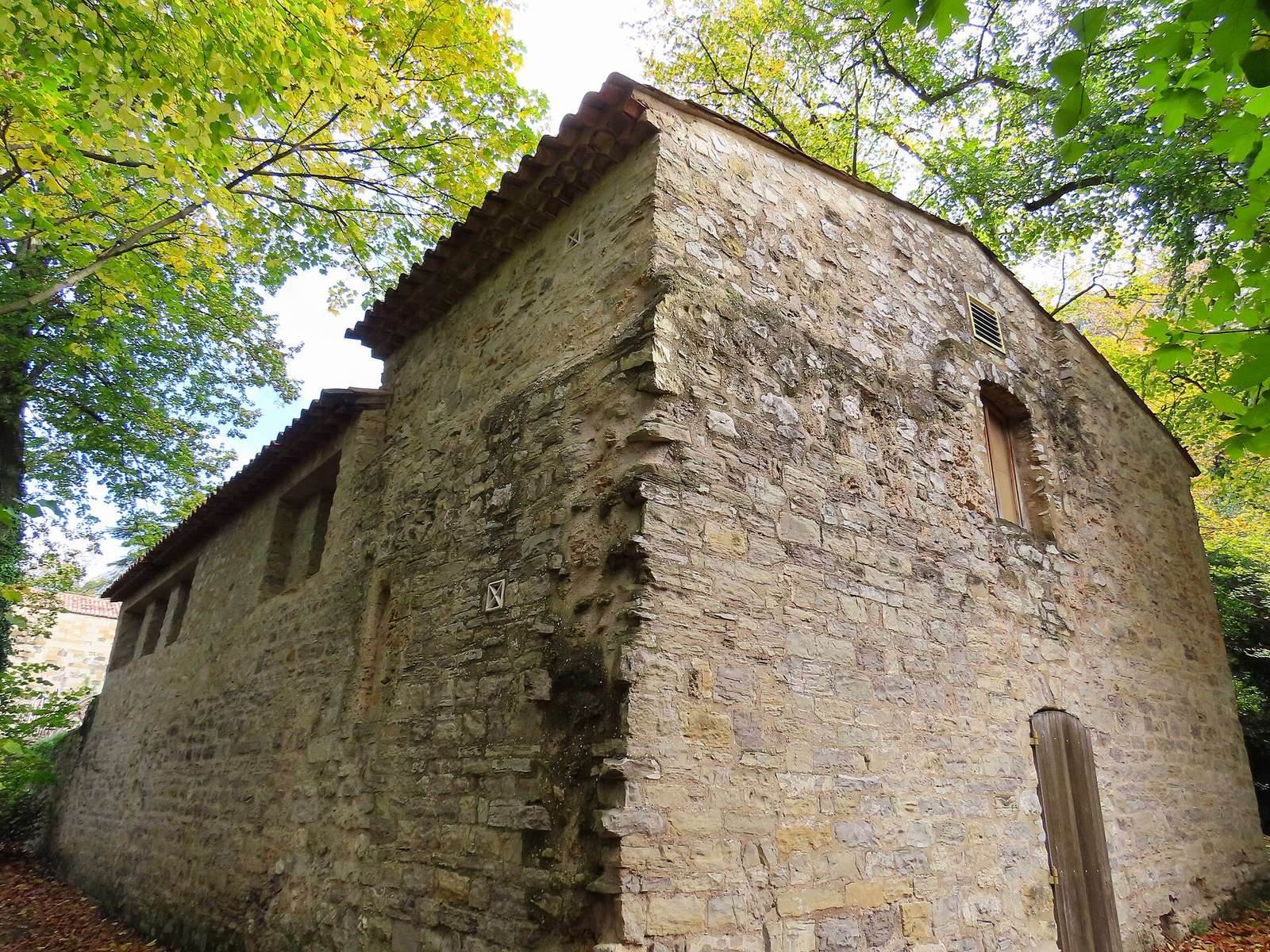
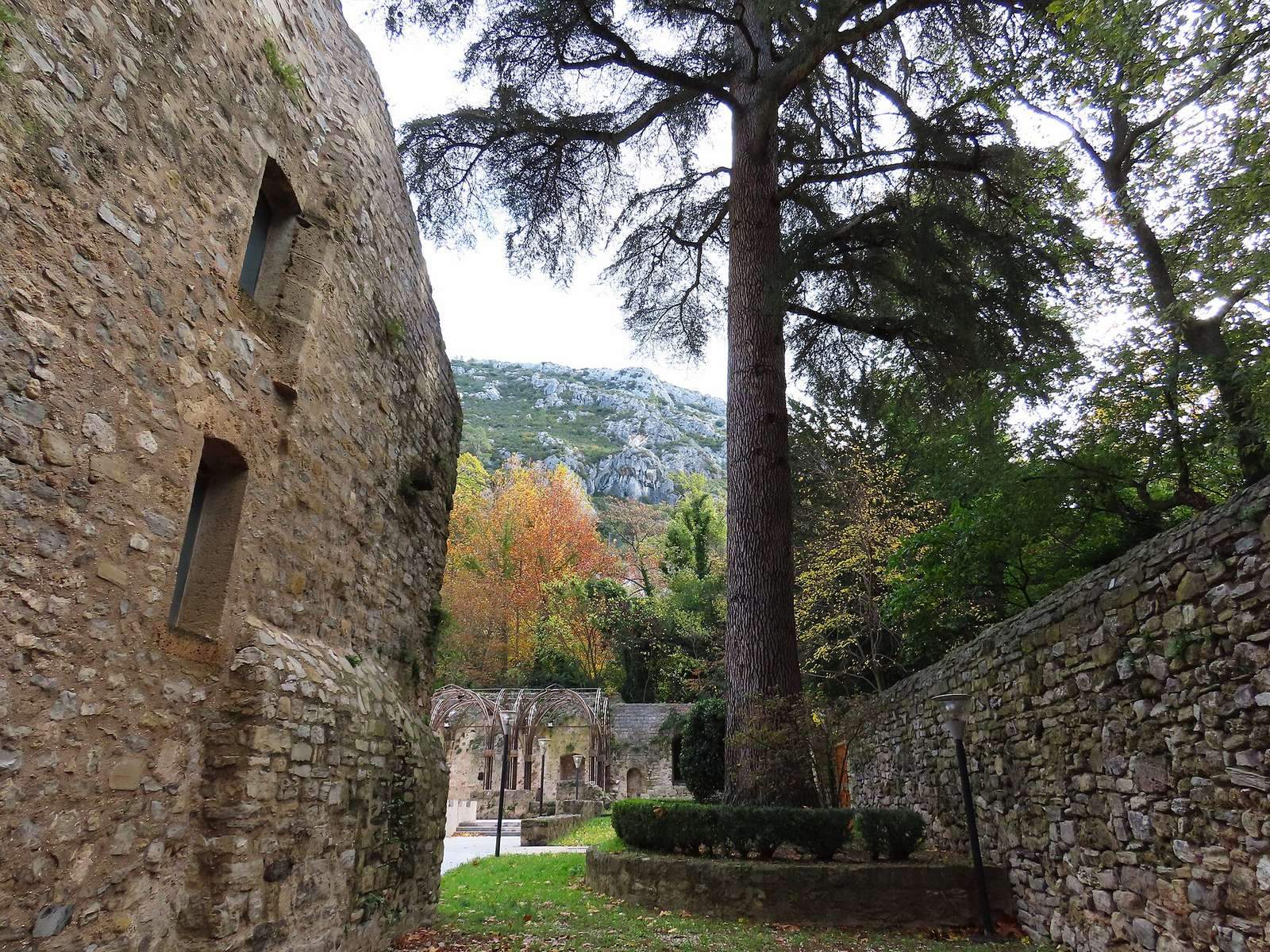
The abbey’s surviving remains lie at the foot of the Sainte-Baume massif, in the Saint-Pons valley at Gémenos. The restored complex follows the Cistercian Romanesque tradition, with Gothic influence in some parts, and sits within a park landscape.
The Fauge stream runs through the site. Its bed contains the microscopic red alga Hildenbrandia rivularis, associated with very pure water and commonly found in mountain torrents.