Shiraoi Sendai Clan Jin’ya Ruins: A Fortified Domain Post in Japan
Site at a Glance
- Rating
- 3.8
- Popularity
- Medium
- Country
- Japan
- Primary era
- Modern
- Eras represented
- Modern
- Civilizations
- Tokugawa
- Site type
- Military
- Remains
- Fort
On this page7 sections
History
Coastal defense in Ezo
The Shiraoi Sendai Clan Jin’ya Ruins are in Shiraoi, Japan, and preserve a jin’ya, a fortified administrative and military post established by the Sendai Domain in 1856. It formed part of a coastal defense system created as Japan faced growing concern about Russian expansion.
After the 1854 Treaty of Peace and Amity with the United States ended Japan’s policy of seclusion, the Edo shogunate, the military government that ruled before imperial authority was restored in 1868, also made treaties with Britain, Russia, and the Netherlands. It assigned the Matsumae Domain and domains in northeastern Japan responsibility for guarding Ezo, the historical name for Hokkaido and nearby northern lands. Together, the domains established 24 fortified coastal posts.
The Sendai post and its administration
The Sendai Domain was responsible for eastern Ezo, from Shiraoi past Cape Erimo to Kunashiri and Etorofu. It established the Shiraoi post in 1856, the year Shiraoi Town also counts as its founding, and stationed about 120 soldiers there. In 1859 the area became Sendai Domain territory, and an administrator was appointed to manage local civil affairs.
Sendai samurai sought amicable relations with local Ainu, an Indigenous people of northern Japan. They paid wages for kelp cultivation and obtained salmon-skin footwear and furs by barter to help them cope with the cold.
Withdrawal and later history
When the Boshin War began in 1868, conflict between supporters of the shogunate and the new imperial government, the risk of an imperial attack led the samurai to leave Shiraoi and return to Sendai. The post’s 12 years of use came to an end.
The ruins became a nationally designated Historic Site in 1966, and Shiraoi Town has developed the area. The site is also an associated facility of Upopoy, Japan’s national center for Ainu history and culture. The Sendai Domain Shiraoi Former Jin’ya Museum opened in 1984, the 30th anniversary of Shiraoi’s town status.
Remains
Fortified compound
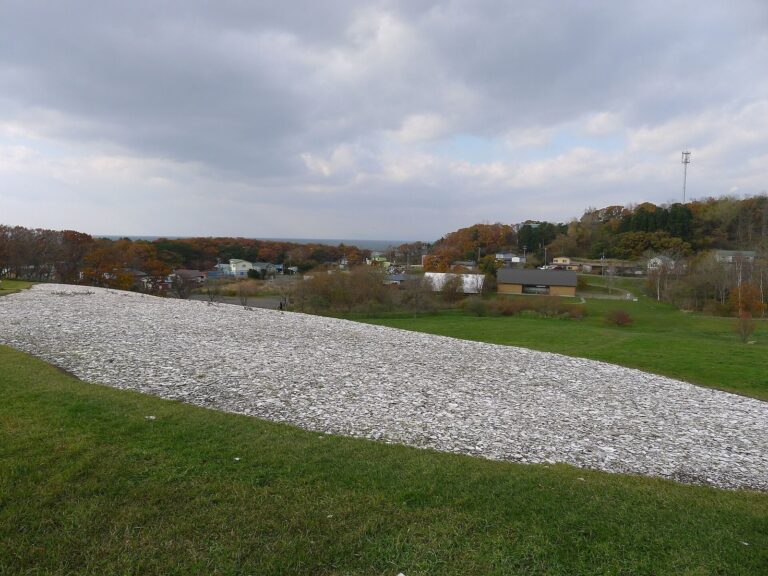
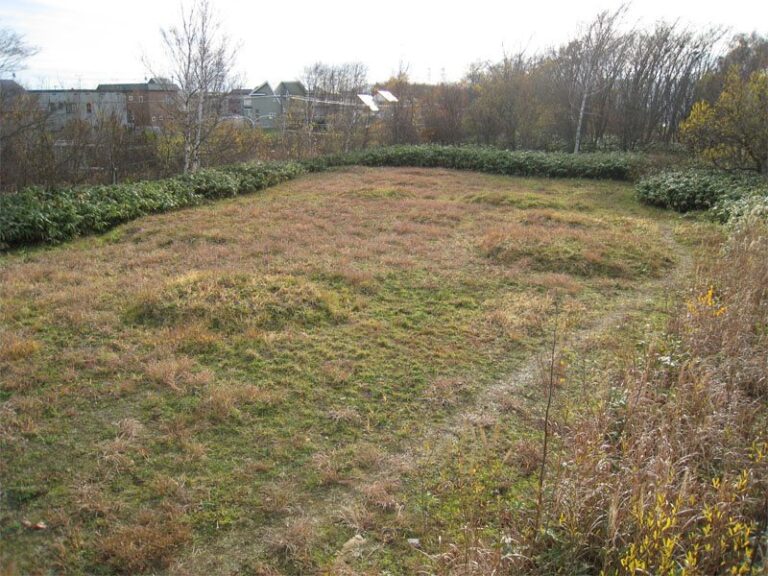
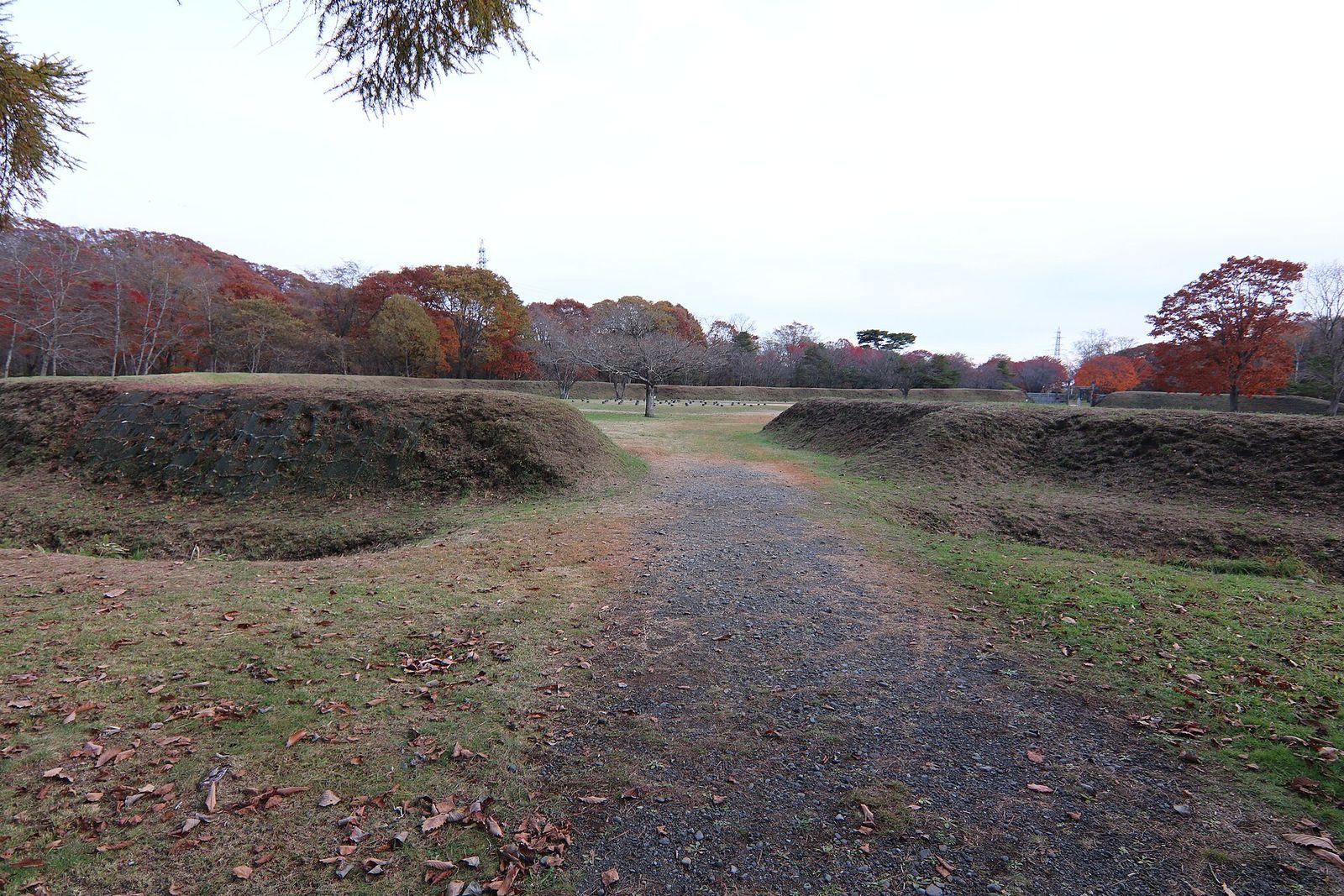
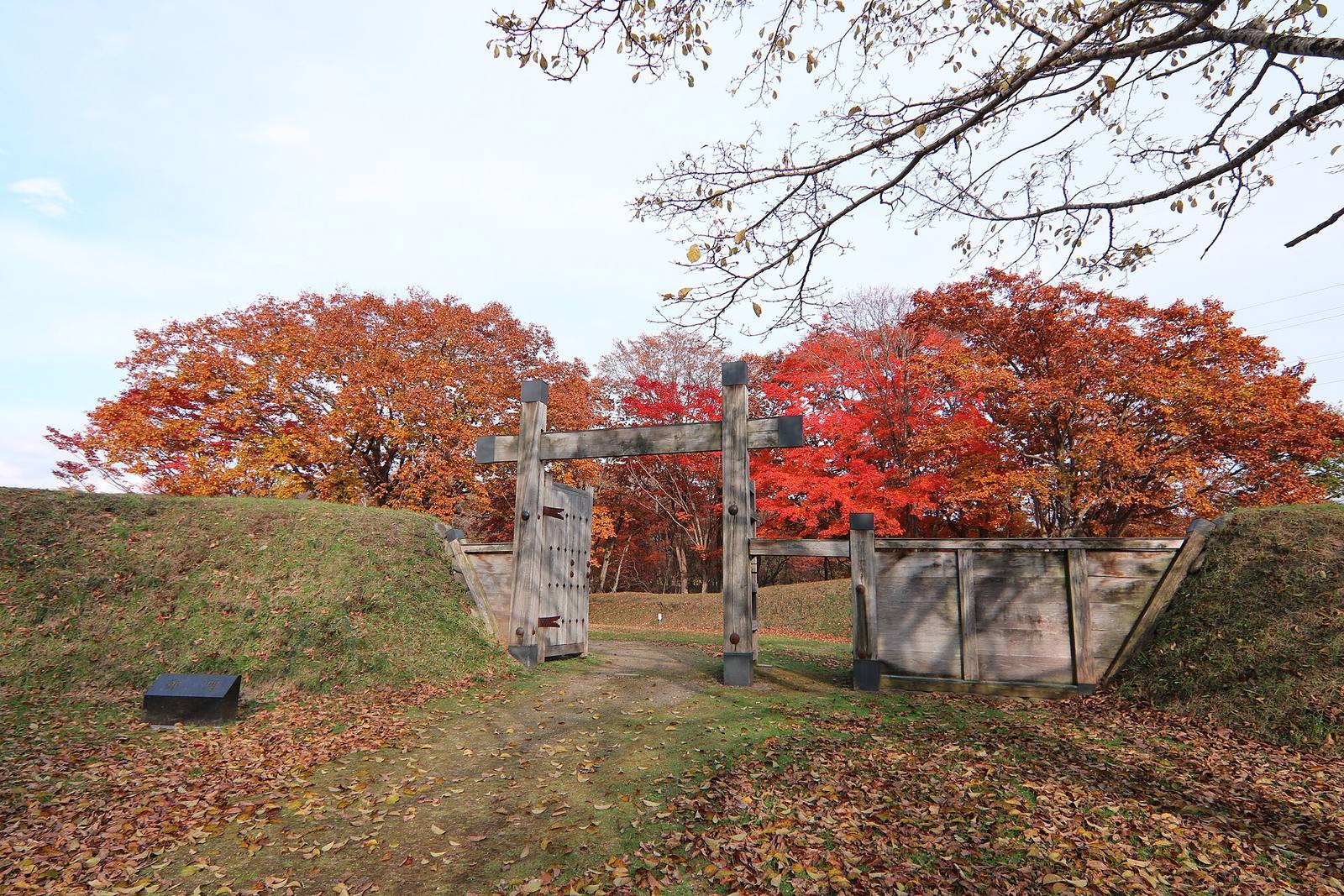
The compound covered about 66,000 square metres between the Shiraoi and Utokanbetsu rivers, which served as natural moats. Moats and earthen ramparts enclosed inner and outer areas, with six gates. The post’s buildings included a headquarters, accounting office, storehouse, training ground, and barracks. The enclosures and ramparts survive, and the grounds are now developed as a park of about the same area. Its main gate is reconstructed.
Shrines, pines, and museum
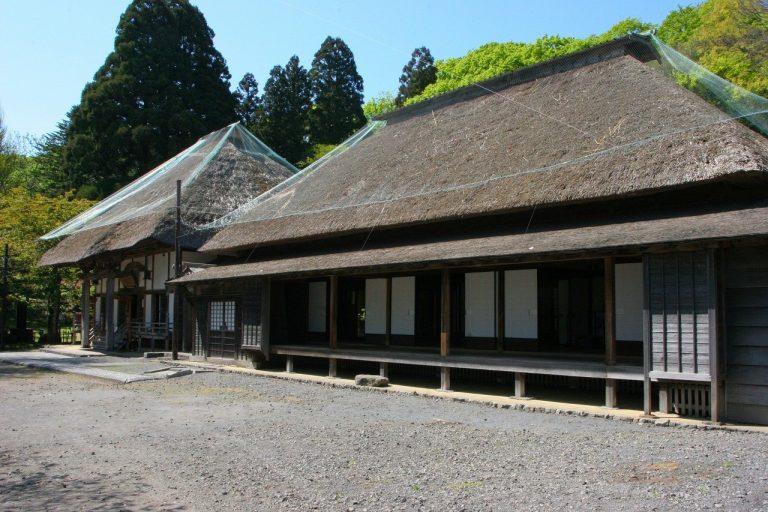
Shiogama Shrine and the former-jin’ya museum stand within the site, while Atago Shrine is on a nearby hill. Sendai samurai brought and planted hundreds of Japanese red pines, which did not then grow naturally in Hokkaido. One large tree, about 160 years old, survives. Shiogama Shrine was rebuilt in 1955 using fallen red pine. The museum holds about 300 items, including plans of the historic site, old documents, and arms.