Kitakogane Shell Mound: A Jomon Settlement and Ritual Site
Site at a Glance
- Rating
- 4
- Popularity
- Medium
- Country
- Japan
- Primary era
- Stone Age
- Eras represented
- Stone Age, Bronze Age
- Civilizations
- Jomon
- Site type
- Settlement
- Remains
- Village
On this page9 sections
History
Kitakogane Shell Mound is a prehistoric settlement in Date, Hokkaido, Japan, associated with communities of the Early and Middle Jomon periods, when people made cord-marked pottery. The site is broadly dated to about 5000–2000 BCE. Its remains indicate that it served as a ritual sending-off place, associated with burials and animal rites.
Jomon settlement and interpretation
A separate characterization describes the site as roughly 7,000 years old and connects it with a proposed point of divergence between the Ainu, an Indigenous people of northern Japan, and Wa, an ancient term for people of the Japanese archipelago.
Modern recognition
Japan designated Kitakogane a National Historic Site in 1987. In 2021, it was inscribed as part of the UNESCO World Heritage property Jomon Prehistoric Sites in Northern Japan. The inscription recognizes its testimony to a cultural tradition and to traditional patterns of settlement or land and sea use. The site is preserved as Kitakogane Shell Mound Park.
Remains
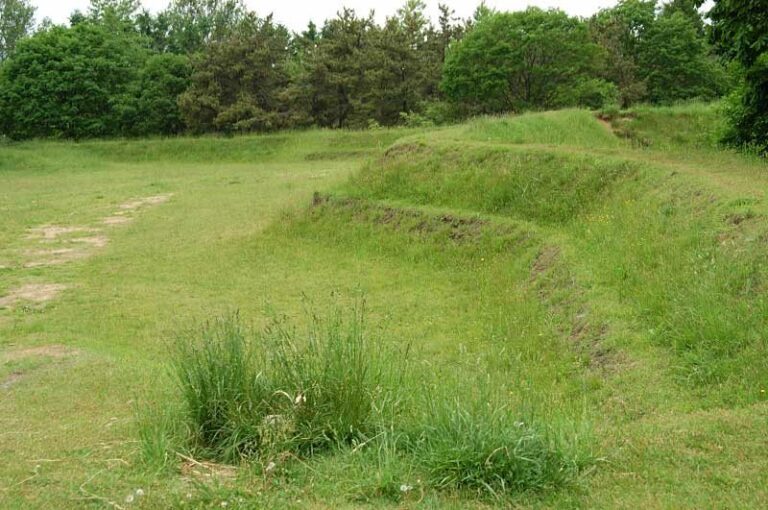
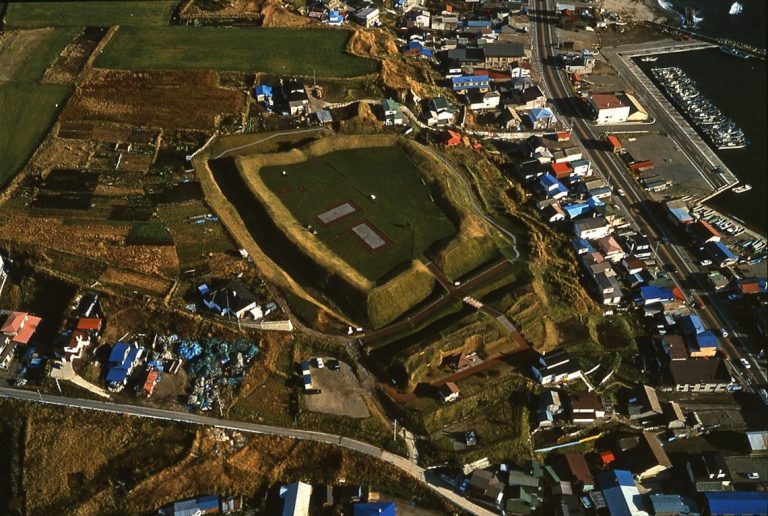
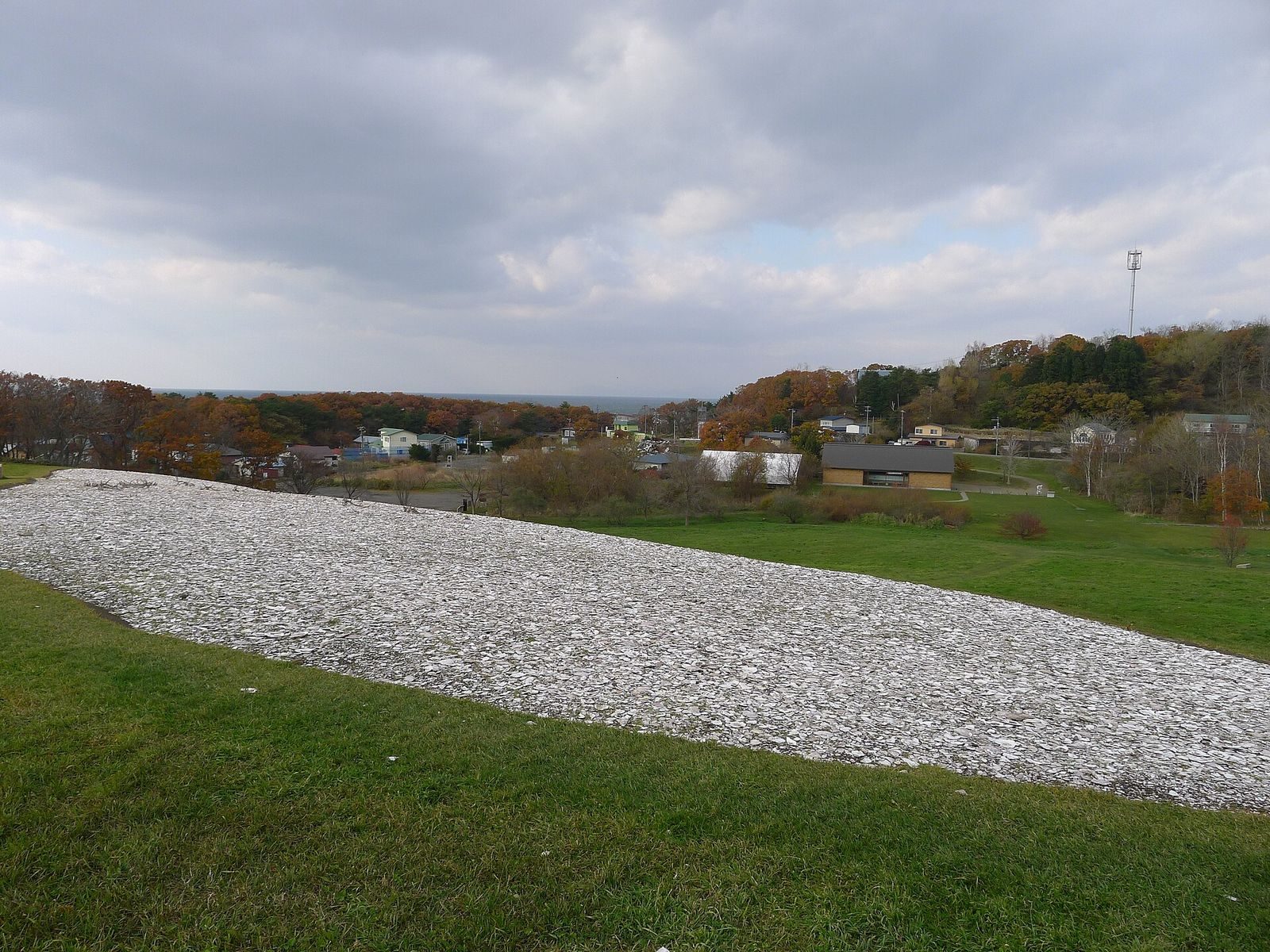
The settlement’s remains include five shell-mound areas, named A, B, C, A′, and South Slope. A shell mound is an accumulation of discarded shells and other material from human activity. Kitakogane’s shell-mound settlement accounts for one-fifth of the total area of Hokkaido’s Jomon shell mounds.
Archaeological features
Shell-mound deposits
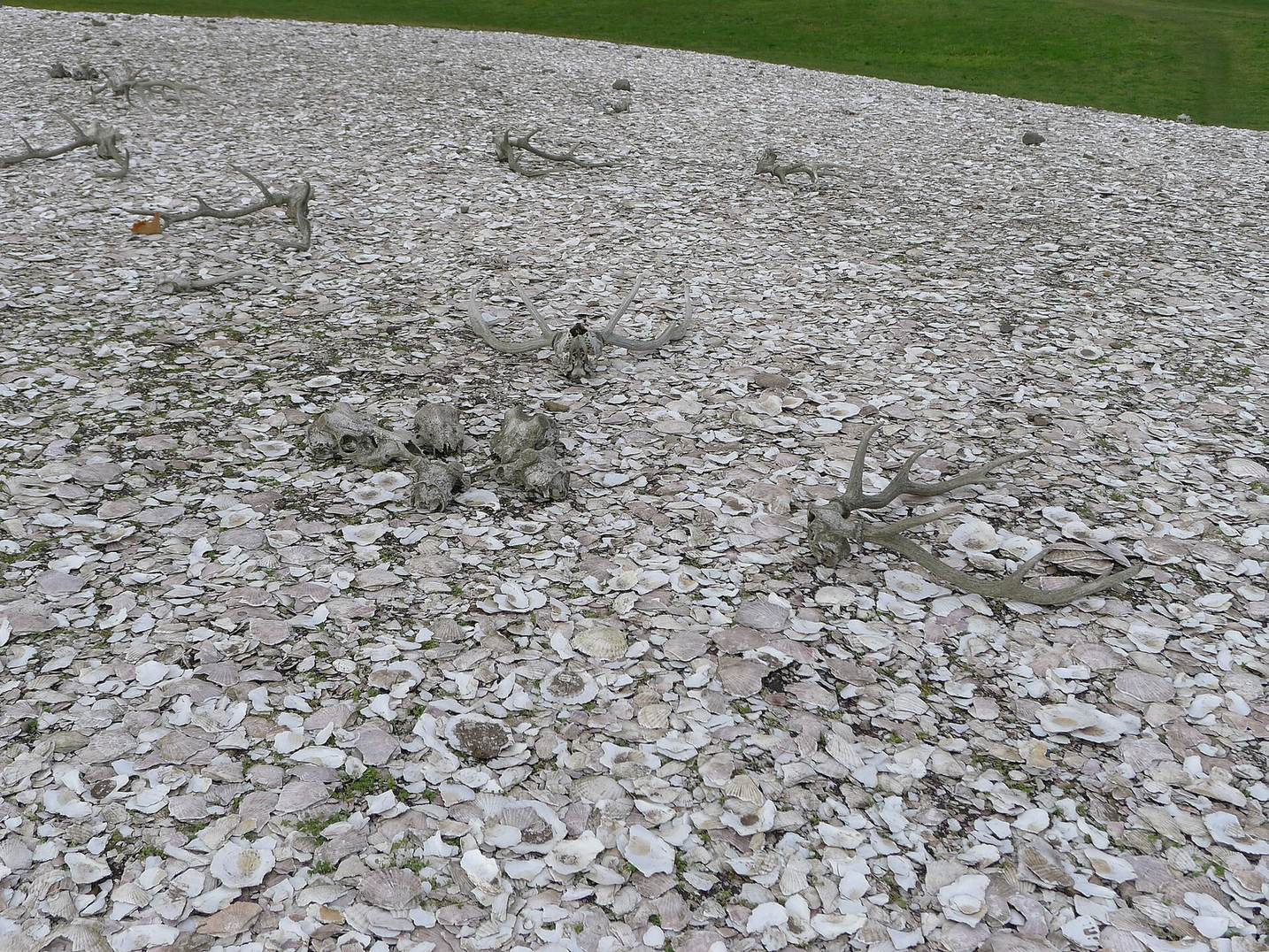
The deposits contain clam, oyster, and scallop shells, alongside bones of tuna and flounder. Remains of marine mammals include fur seals and whales.
Graves and animal-ritual remains
Fourteen graves have been found, including burials with human remains. Animal-ritual traces include deer skulls arranged in a pattern.
Spring and stone tools
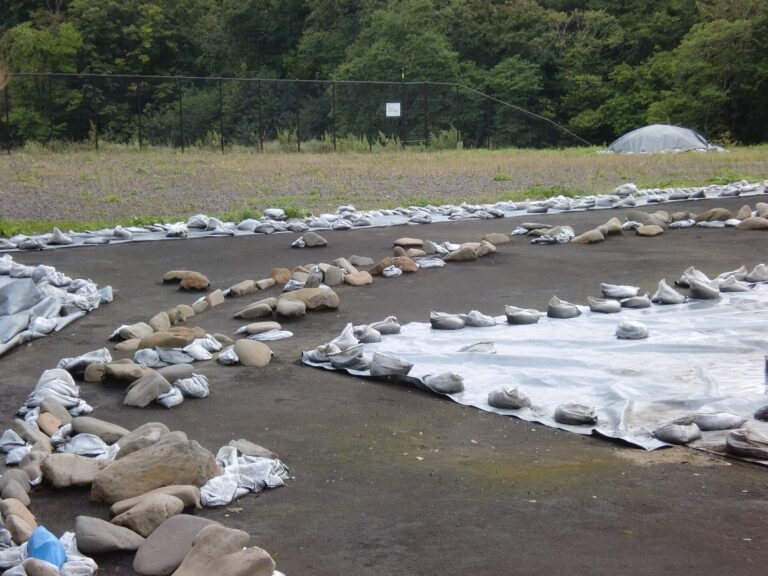
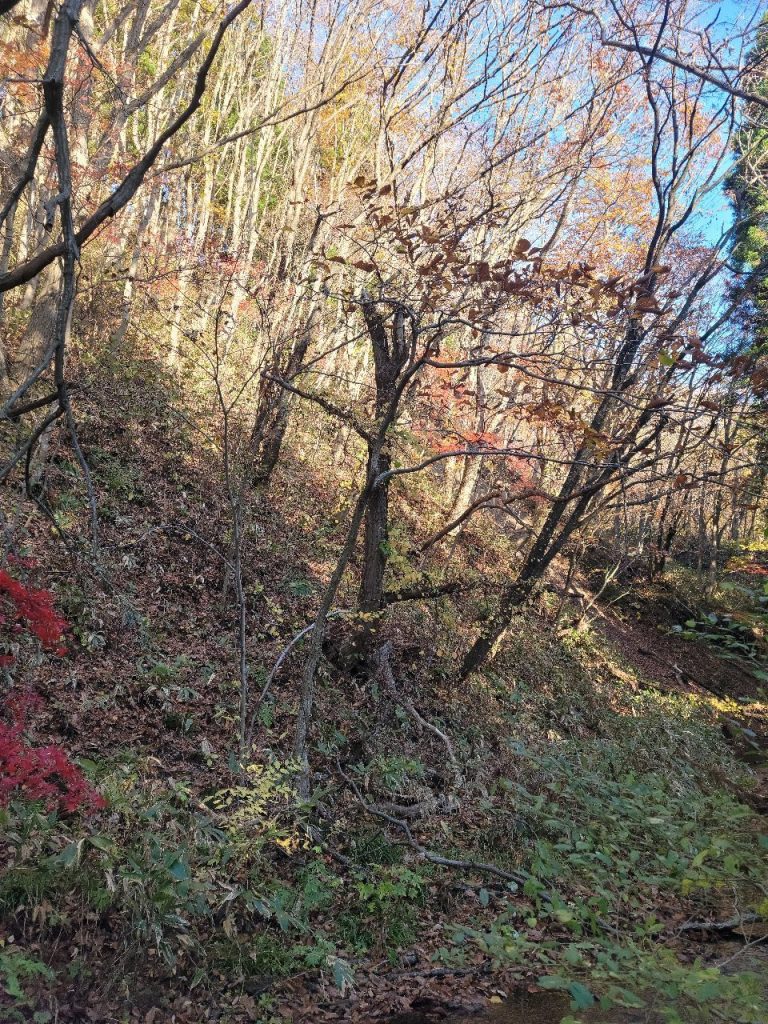
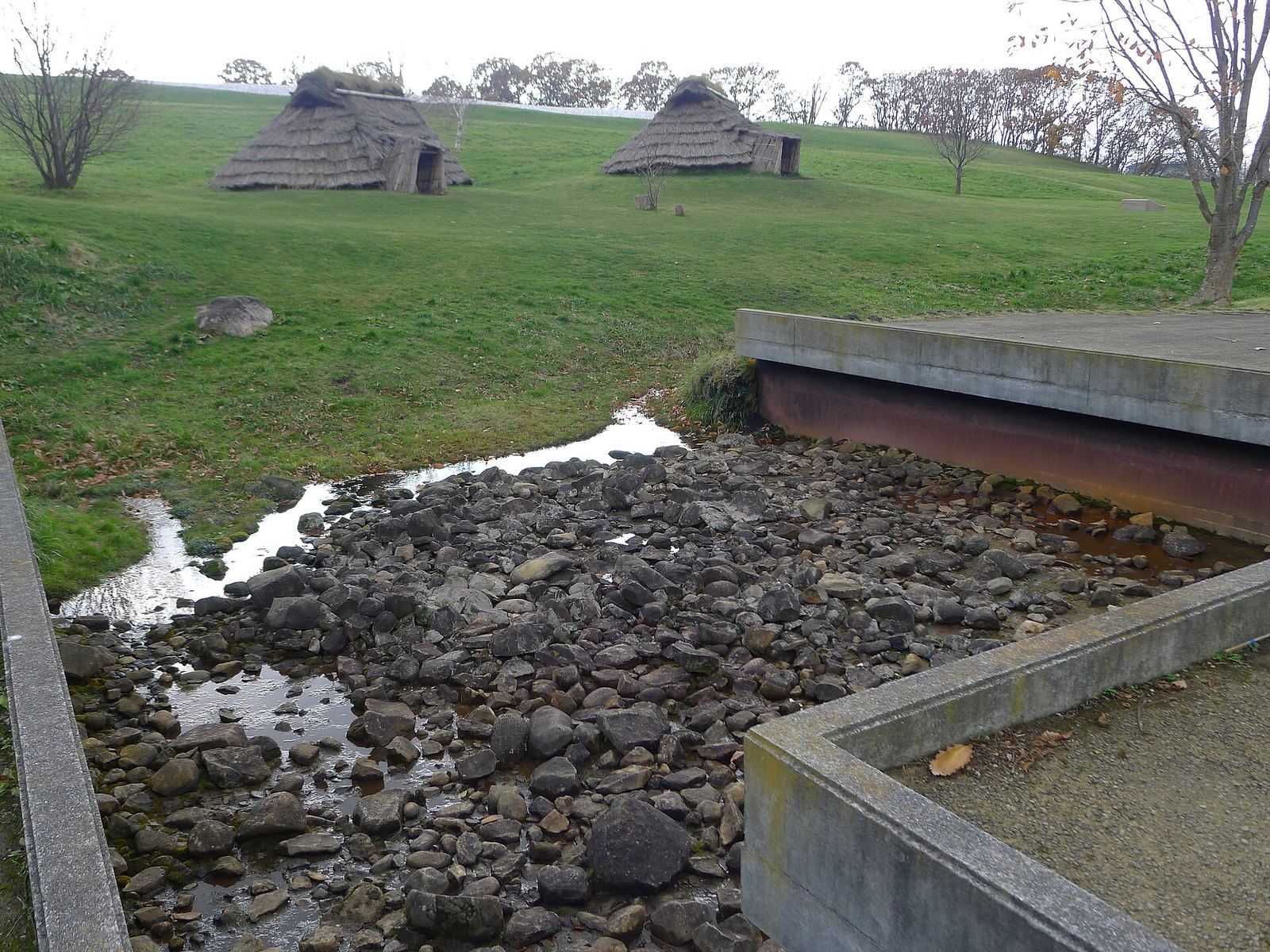
A natural spring supplied water to the Jomon inhabitants. Numerous stone tools were found near its source, most of them broken. Their placement is thought to reflect ritual discard.
Pit dwelling and other finds
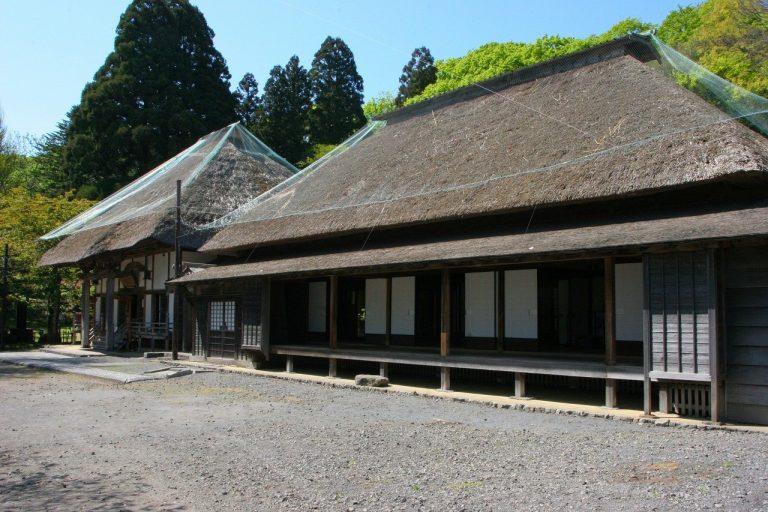
A pit dwelling, a house partly dug into the ground, has been reconstructed. Another find is a whale-bone object described as the world’s oldest ‘sword’.