Quenby Hall: A Jacobean Country House
Site at a Glance
- Popularity
- Medium
- Country
- United Kingdom
- Primary era
- Early Modern
- Eras represented
- Medieval, Early Modern
- Civilizations
- English
- Site type
- Domestic
- Remains
- Manor House
On this page7 sections
History
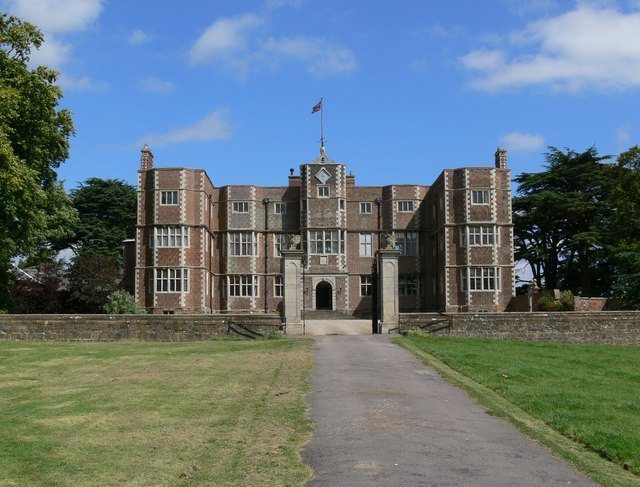
Quenby Hall is a Jacobean house in parkland near Cold Newton and Hungarton in the United Kingdom, built by George Ashby between 1618 and 1636. The architectural historian Nikolaus Pevsner regarded it as Leicestershire’s most important house of the early 17th century.
The estate and the hall
The Ashby family acquired an estate at Quenby in the 13th century and held the whole manor, a landed estate historically connected with local rights and governance, by 1563. Soon afterward, the family enclosed the land and depopulated the village. A poll-tax return, recording a levy on individuals, indicates that Quenby had at least 25 inhabitants in 1377.
George Ashby designed the present hall and served as Leicestershire’s high sheriff, a senior county official with royal administrative and legal duties, in 1627. An earlier house may have stood on the site. After George’s death, his son, also named George, inherited the hall and married a daughter of Euseby Shuckburgh of Naseby. Their son, George Ashby, represented Leicestershire in Parliament and became known as “Honest George Ashby the Planter” for planting many trees at Quenby. He died in 1728.
Later Ashbys and changing ownership
In the mid-18th century the hall passed to George Ashby’s great-nephew, Shukburgh Ashby, who represented Leicester in Parliament and was a Fellow of the Royal Society, the United Kingdom’s national scientific academy. He died in 1792, and the Ashby family retained the property until 1904.
That year, Rosamund Greaves, née Lloyd, bought and restored the house. After her marriage to Lord Henry Grosvenor, he renewed much of its Jacobean interior. Her son sold the hall to Sir Harold Nutting in 1924. The de Lisle family acquired it in 1972 and carried out extensive restoration work.
In 2005, Stilton cheese production resumed on the estate after a break of 250 years. The cheesemaking business was established partly to work around planning restrictions that prevented the family from living in the hall full-time. It failed in July 2011 with debts of £250,000 attributed to over-expansion. Administrators appointed in April had sought a buyer, but none was found. Export-market difficulties may have been related to a listeria incident involving the company’s cheese.
Quenby Hall was listed Grade I in 1951, a category for buildings of exceptional interest in England’s listed-building system. Its park and gardens are Grade II listed, denoting special interest.
Remains
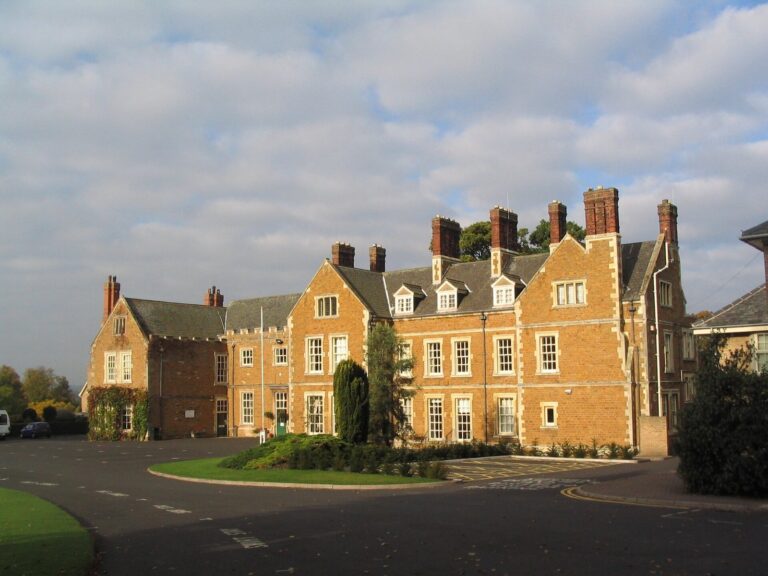
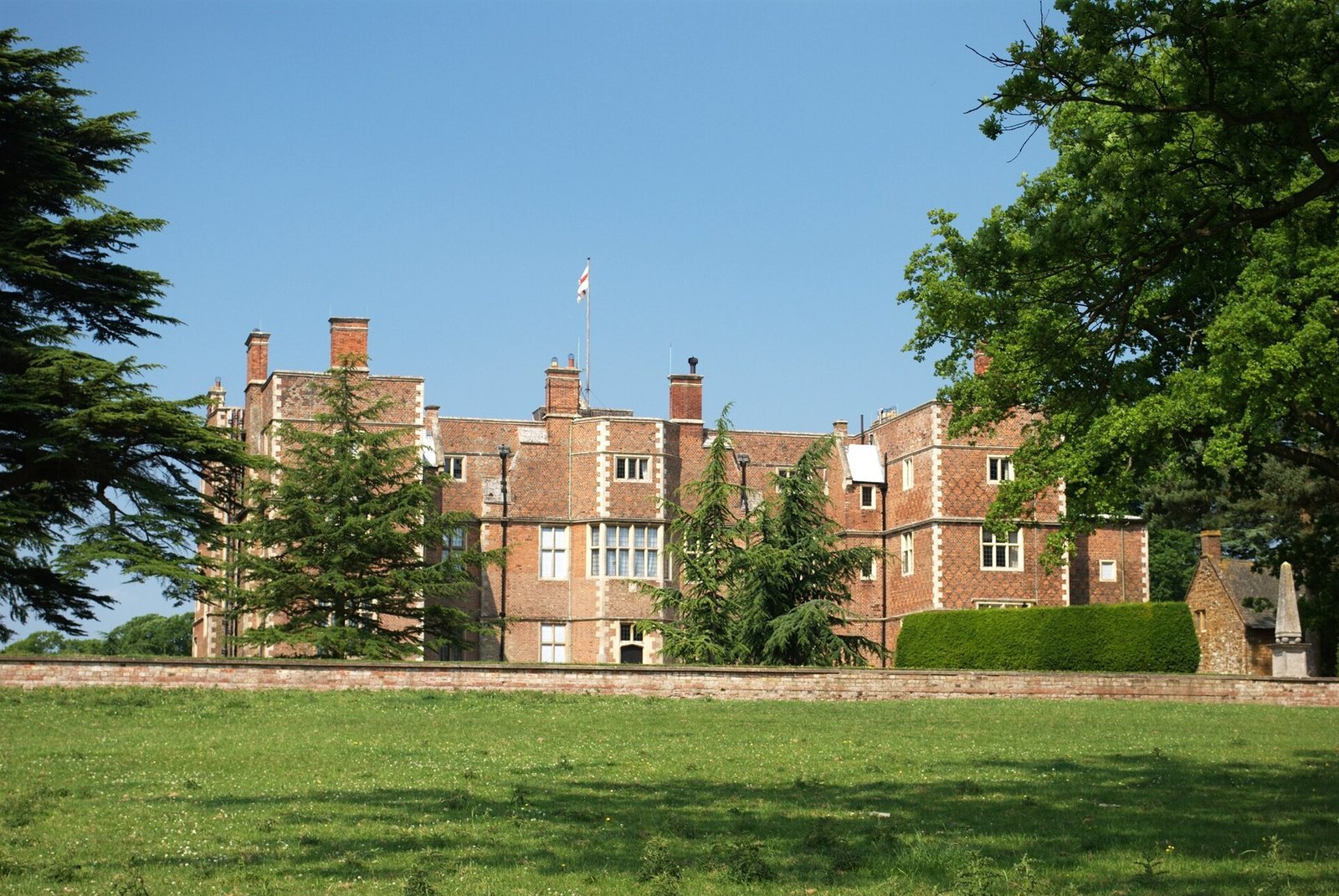
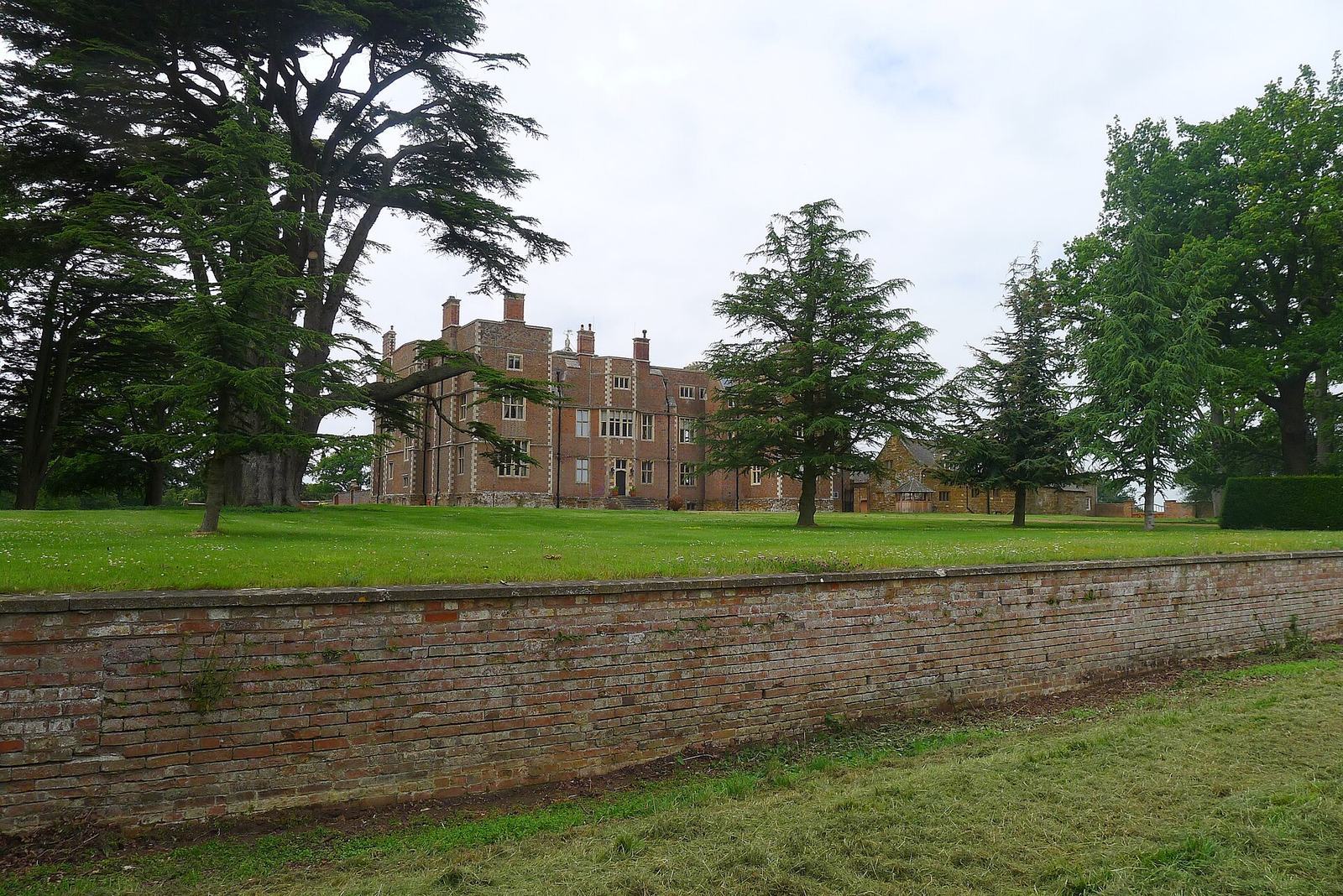
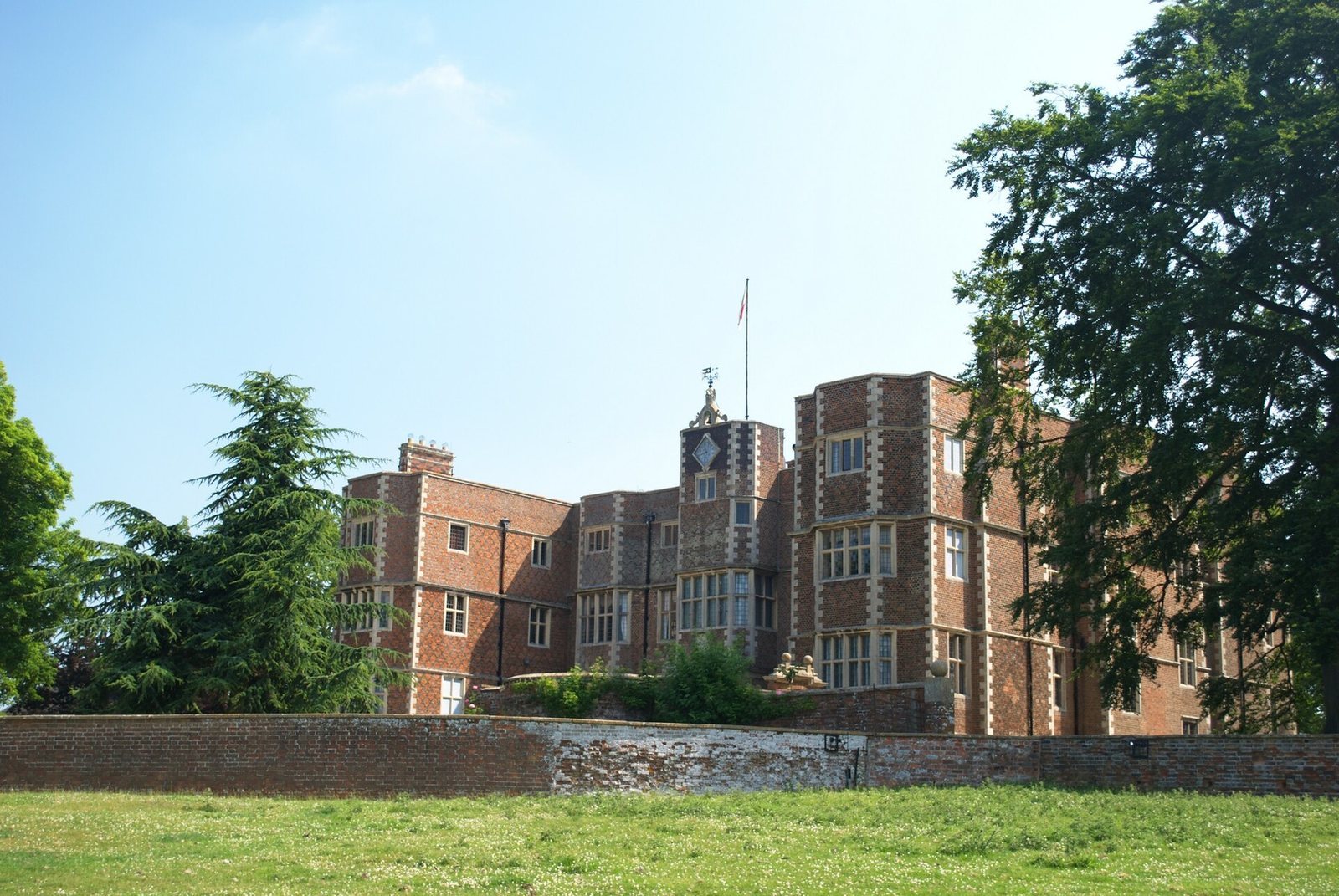
The hall stands on a hillside within parkland. Its plan is H-shaped, with three storeys and a very shallow-pitched roof.
The hall and its grounds
Quenby Hall
A clock on the west front bears the date 1620. The house’s Jacobean interior was substantially restored in the early 20th century, and the de Lisle family later undertook extensive restoration work.
Former village
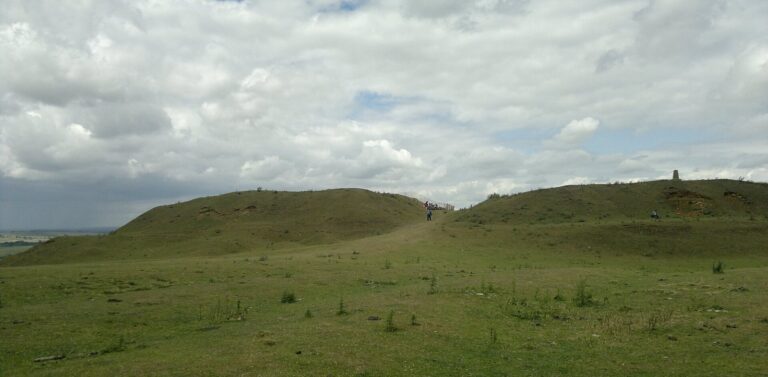
Remains of the former village of Quenby lie within the present park.