Square Tower: A Portsmouth Fortification and Naval Store
Site at a Glance
- Rating
- 4.6
- Popularity
- Medium
- Country
- United Kingdom
- Primary era
- Medieval
- Eras represented
- Medieval
- Civilizations
- English
- Site type
- Military
- Remains
- Tower
On this page6 sections
History
Construction and early use
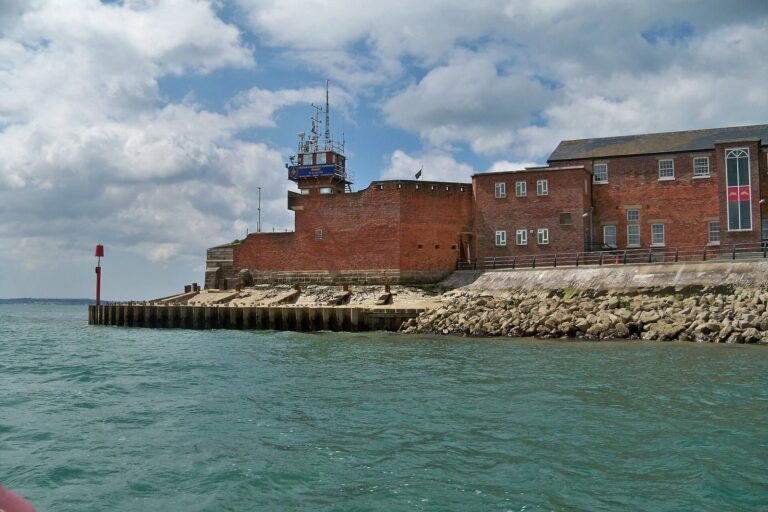
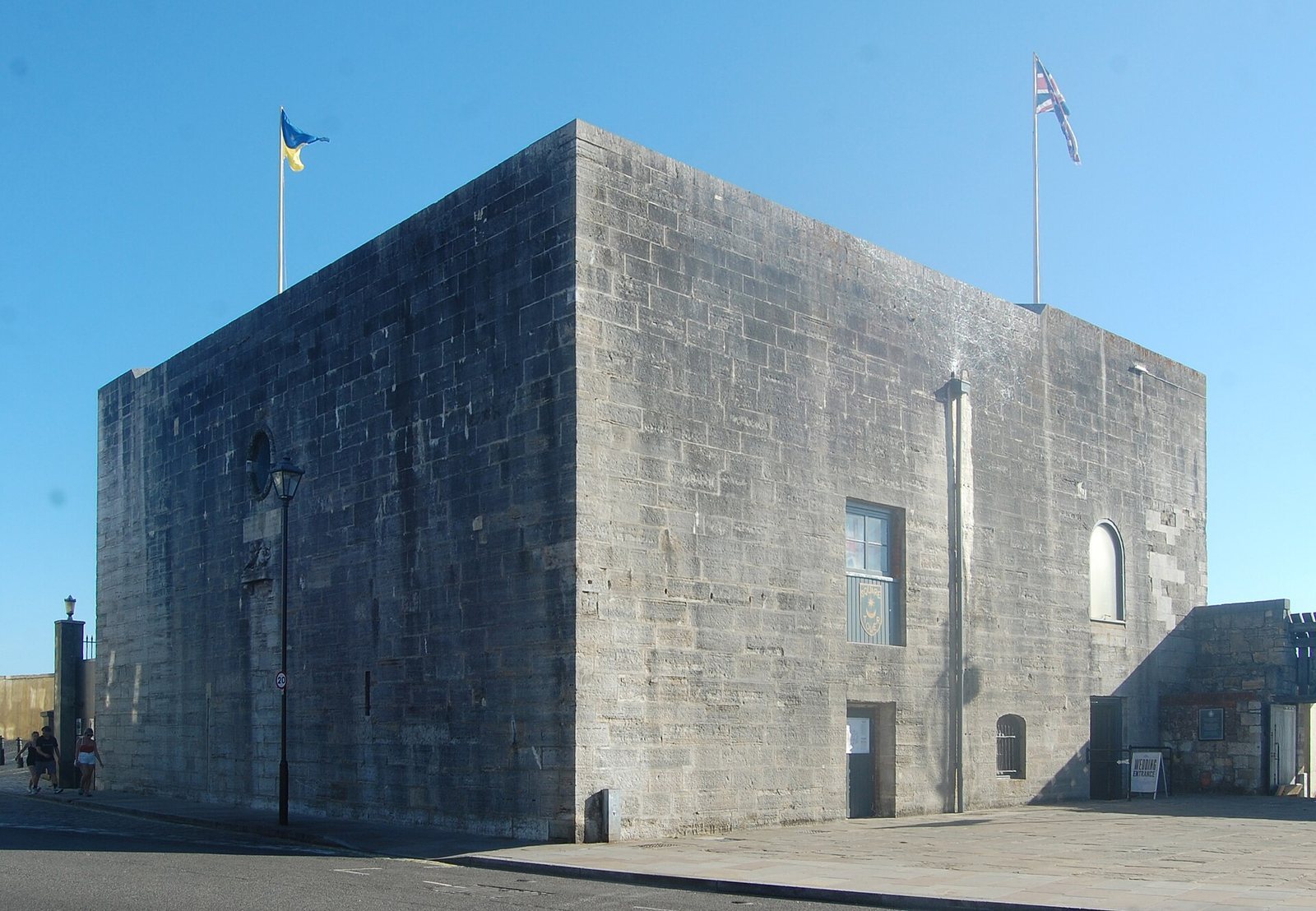
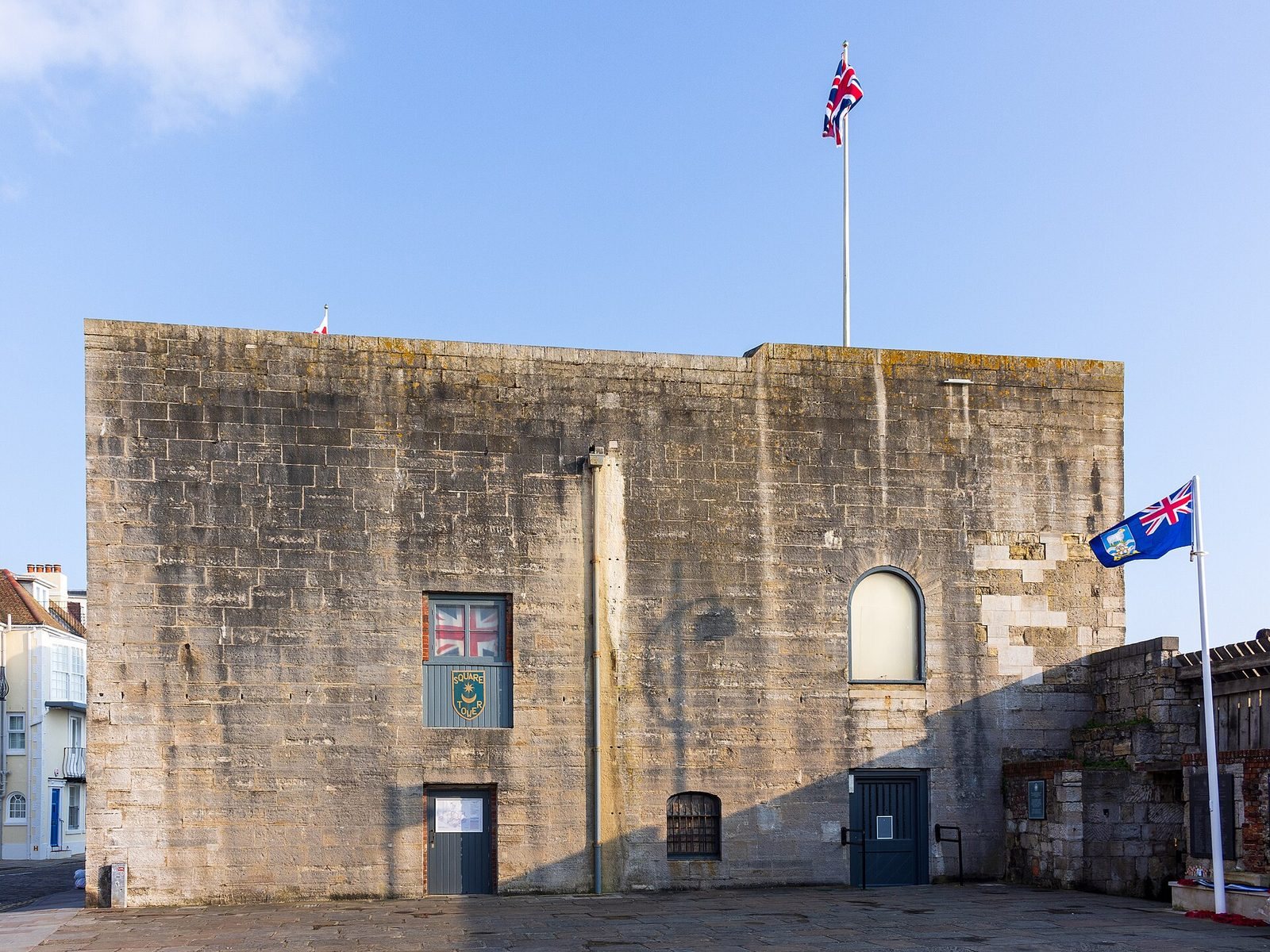
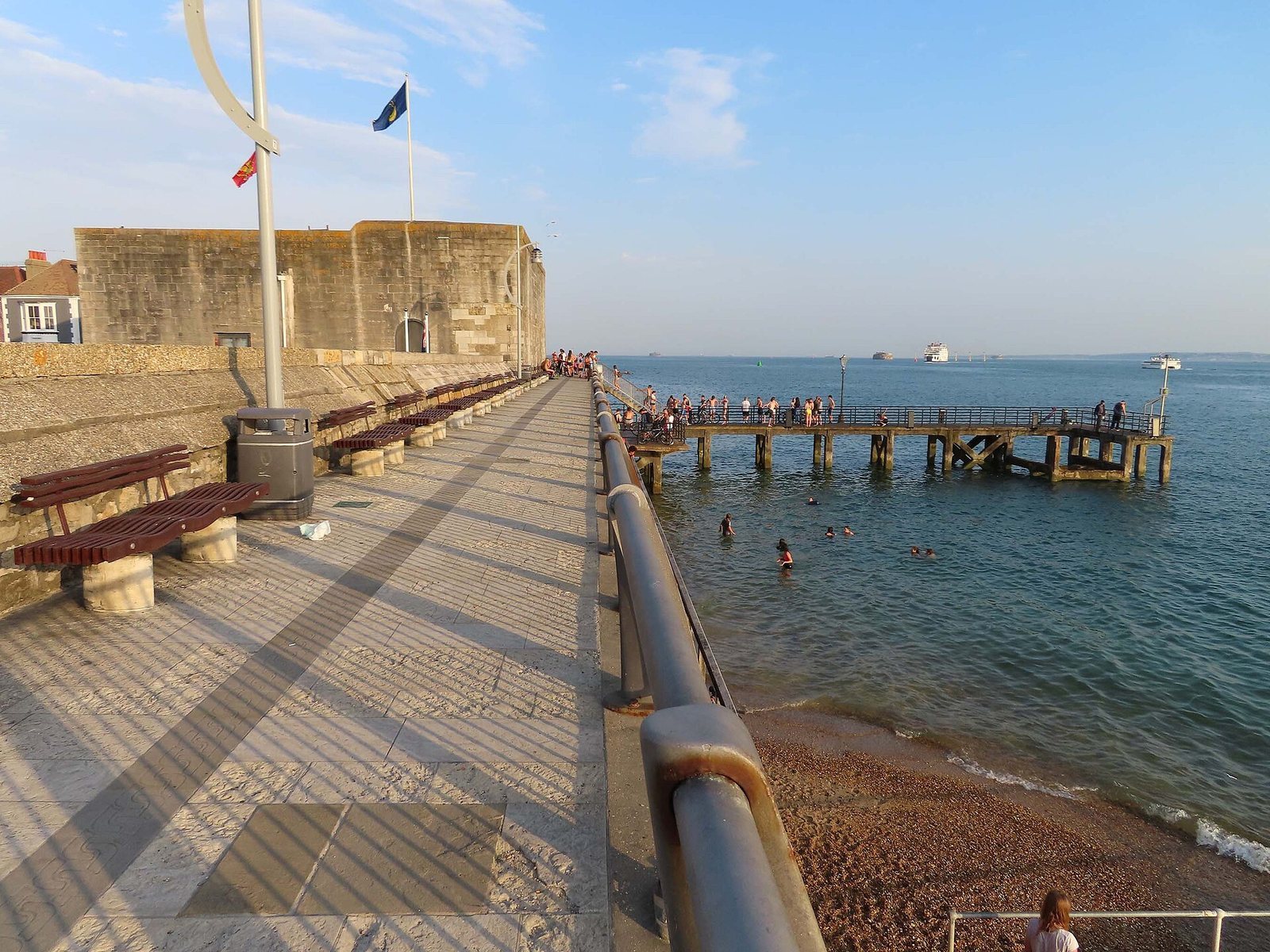
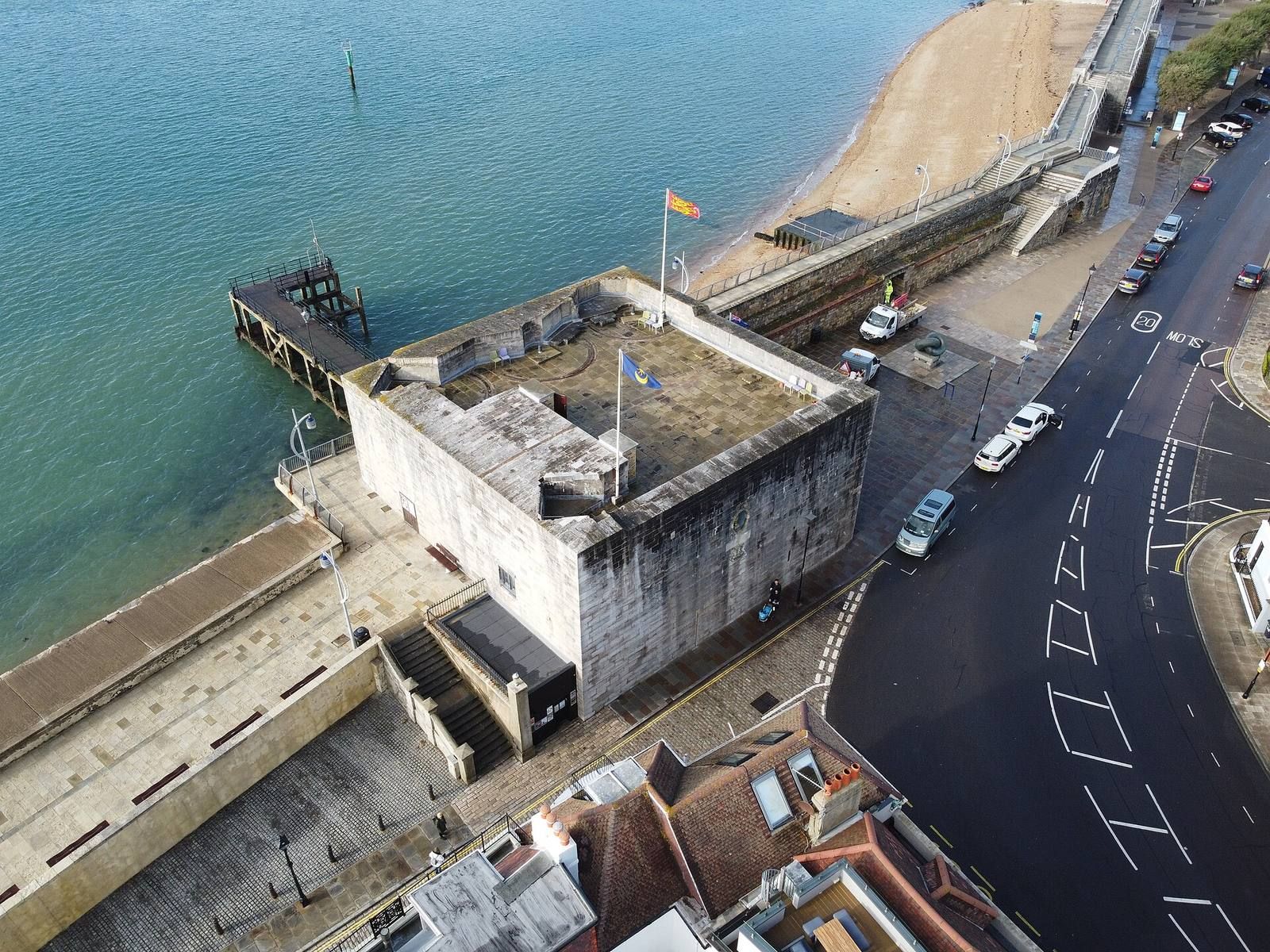
Square Tower is a fortification on Broad Street in Portsmouth, United Kingdom, built in 1494 as part of the town’s defenses. One of the oldest elements of those defenses, it served as the Governor of Portsmouth’s residence until 1584, when the governor moved to a house beside Garrison Church.
Gunpowder storage
After the governor’s departure, the tower became a gunpowder store. During the English Civil War, the conflict between supporters of King Charles I and Parliament, Royalist forces held 1,200 barrels of gunpowder there when Portsmouth surrendered. The danger that the stores might be detonated gave the Royalists leverage in the surrender negotiations.
From 1676, the Board of Ordnance, which managed military supplies and artillery, leased Pierson’s Wharf at the northern tip of The Point for naval cannons and other stores. Ships could take on supplies there. A wharf reached directly from the tower, known as the powder bridge, enabled gunpowder barrels to be loaded onto vessels moored alongside. In the 1690s, another gunpowder store was built on a triangular promontory east of The Camber. The proximity of these stores to built-up areas, and the spillage along the cobbled roads used to move powder, prompted concern about the risks and calls to relocate Portsmouth’s supplies.
Naval stores and signaling
After the gunpowder was moved to Priddy’s Hard in 1779, the tower passed to the Victualling Board, the body responsible for provisions for the Royal Navy. It became a meat store and retained that use until 1850, when supplies were moved to the new Victualling Yard at Gosport, a naval provisioning complex.
In 1823, the Board of Admiralty, which administered naval affairs, placed a semaphore on the roof. This signaling system used visible signals to relay messages, and the tower became the first link in a chain connecting the Royal Dockyard with the Admiralty in London. The semaphore was removed in 1848 after the introduction of the electric telegraph, which transmitted messages electrically.
Twentieth-century use and protection
The tower was manned during both world wars. Portsmouth City Council purchased it between 1958 and 1960, and it was designated a Grade I listed building on 30 October 1969.
Remains
A niche in the tower’s east wall contains a bust of Charles I, with the royal coat of arms and an inscription below. The inscription states that Charles arrived in Portsmouth on 5 October 1623 after traveling through France into Spain and facing dangers by land and sea. He was then Prince Charles, before becoming king in 1625. The bust now displayed is a 20th-century copy; the original, presented to the city by a reigning monarch, is held in the city museum.