Tivoli Castle: A Historic Mansion in Ljubljana
Site at a Glance
- Rating
- 4.4
- Popularity
- Medium
- Country
- Slovenia
- Primary era
- Early Modern
- Eras represented
- Early Modern, Modern
- Civilizations
- Austria-Hungary, Austrian Empire, Habsburg, Habsburg Austria, Holy Roman Empire
- Site type
- Domestic
- Remains
- Castle
On this page10 sections
History
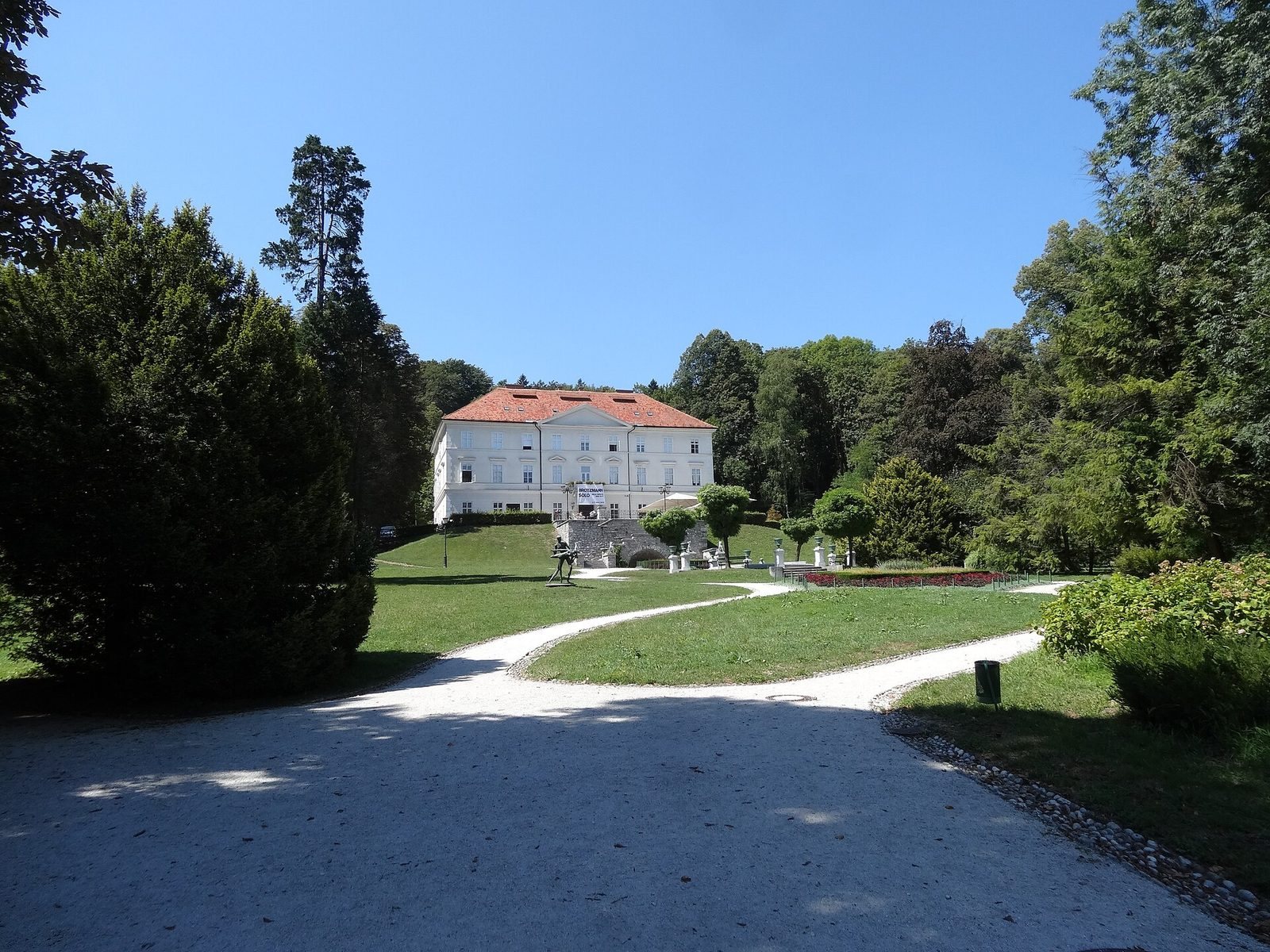
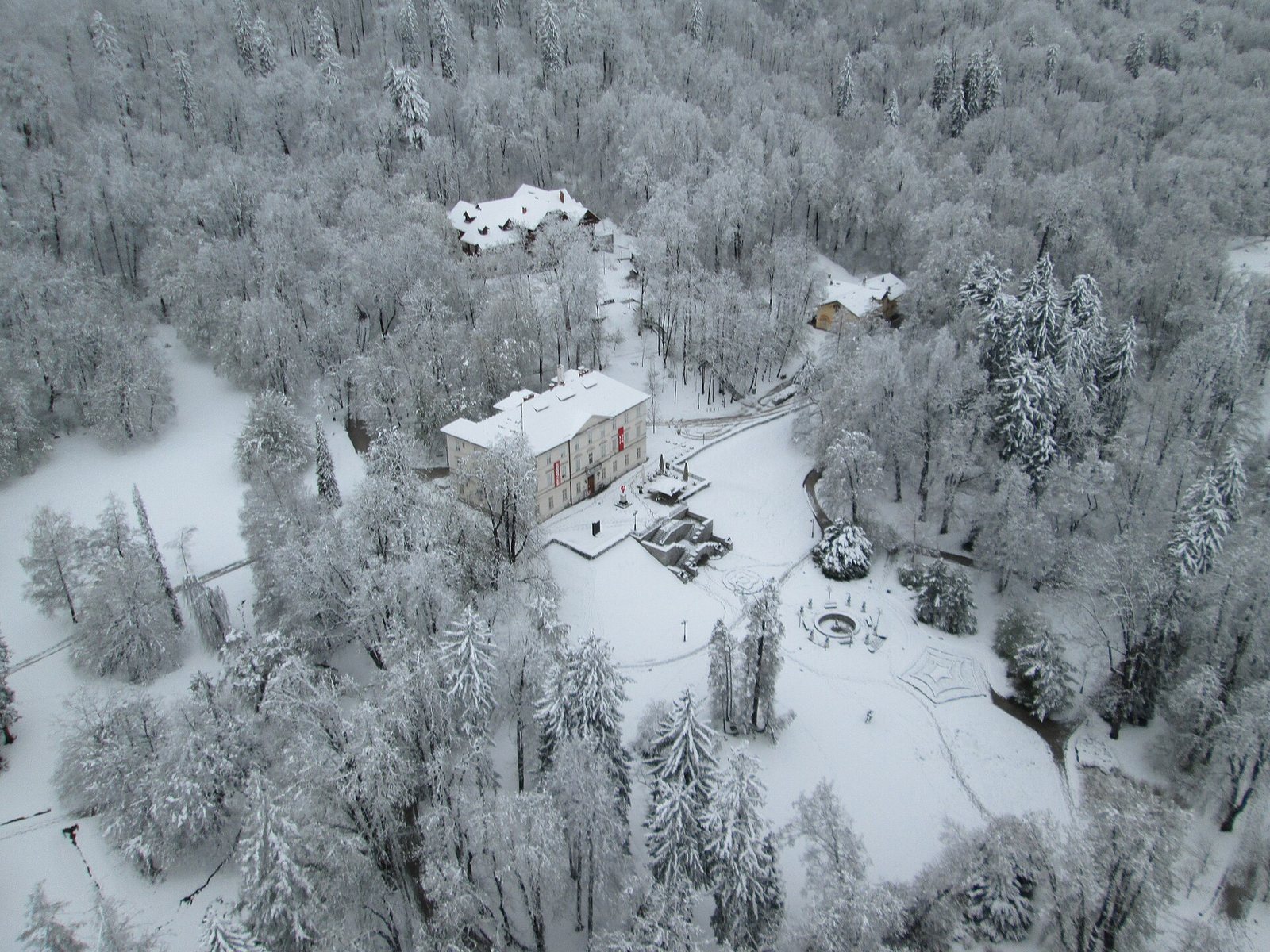
Tivoli Castle is a historic mansion in Tivoli Park, at the foot of Rožnik Hill in Ljubljana, Slovenia. The site’s history reaches back at least to the thirteenth century, while the manor was rebuilt as a castle in the early seventeenth century and later remodeled in the Neoclassical style. Its changing owners and uses included a Jesuit country estate, a bishops’ summer residence, and a municipal property.
Medieval tower and Jesuit estate
A tower stood in the woods above the site by the thirteenth century and remained there into the early fifteenth century. The dukes of Carinthia held it before it became associated with the local noble Georg Apfalterer, an ally of the future Emperor Frederick III. In 1442, Frederick II, Count of Celje, destroyed the tower during a conflict with Frederick III over control of Ljubljana. Apfalterer then built another tower on the site. Its name, Podturn, meaning “below the tower,” later became associated with the castle.
The property passed from Siguna Saurau to Gašper Crobath in 1484 and to Erasmus Praunwart, a senior official responsible for administering Carniolan lands, in 1507. Other owners included members of the Kuchl, Mauritschi, and Stoffli families and Melhior Pantaleon. Ljubljana’s Jesuits, members of the Catholic Society of Jesus, acquired the property in 1601. Bishop Thomas Hren had the deteriorated manor rebuilt as a castle, probably with Donino as the builder, and consecrated the new building on 5 September 1611. The Jesuits used the estate for recreation, performances, and festivities, and welcomed prominent guests. From 1701 to 1703, they undertook an extensive remodeling, with Francesco Ferrata as architect and Luka Mislej responsible for the stonework.
Episcopal and provincial uses
After the Jesuit order was suppressed in 1773, the building became the summer residence of Ljubljana’s bishops. Archduchess Elisabeth was received there on 19 August 1790. Provincial authorities took over the property in the 1830s, using it for purposes that included a military hospital, a warehouse, and barracks. The name Tivoli began to be used for the building in 1835.
Radetzky and municipal ownership
Emperor Francis Joseph I restored the mansion and granted it for life to the Habsburg field marshal Joseph Radetzky in 1853. The building was remodeled in the Neoclassical style, inspired by ancient Greek and Roman forms. Radetzky improved the park and opened it to Ljubljana residents, and spent much of his retirement there with his wife, Francisca von Strassoldo Grafenberg. He returned the property to the emperor in the 1860s, and Ljubljana’s municipality acquired the mansion and estate during that decade. The municipality used it as a summer recreation venue, including an inn and café; it later also served as a poorhouse and was divided into condominiums.
In 1882, Ljubljana’s residents granted Radetzky honorary citizenship after his death and erected a statue of him in front of the mansion. On 22 January 1886, the Carniolan provincial assembly transferred the parcels containing Tivoli Castle and several other properties from the Municipality of Spodnja Šiška to the City of Ljubljana.
Twentieth-century use and protection
City institutions later occupied the mansion. After the Second World War it was used for housing until a renovation in 1967. Since 1986, it has housed the International Centre of Graphic Arts. Tivoli Castle is protected by the state as a historic and cultural monument and is included in Slovenia’s Register of Cultural Heritage.
Remains
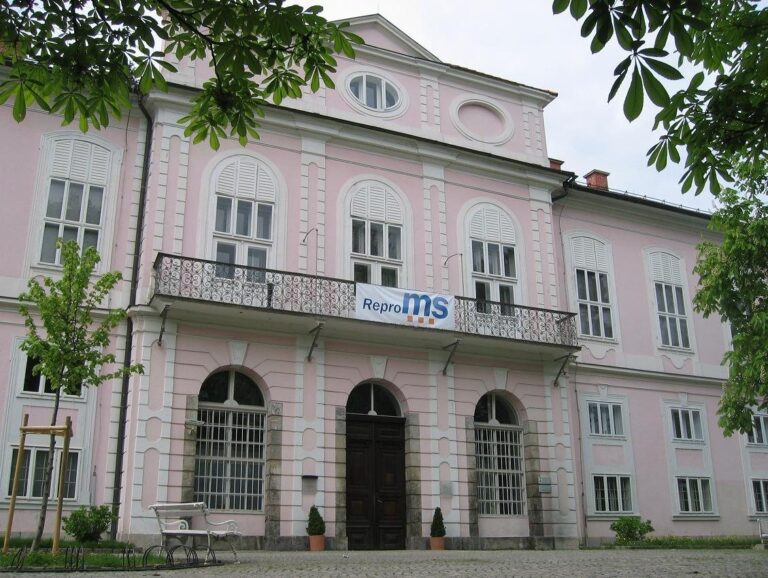
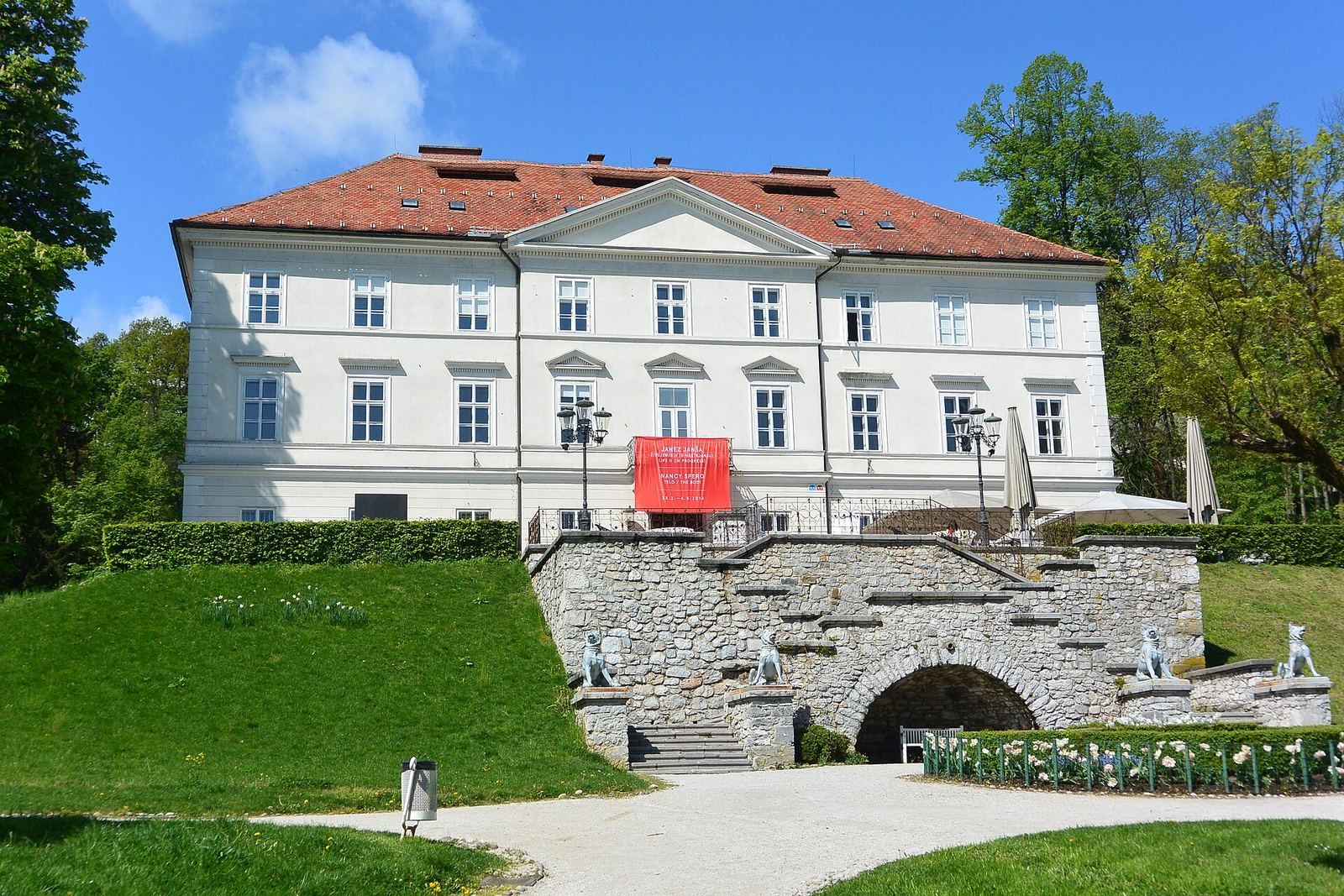
The present mansion is a two-storey, rectangular building with a symmetrical main façade. Its central projection contains the staircase, and smaller projections extend at either end of the façade. The projecting central section has a triangular pediment, a classical portal, and a balcony resting on stone brackets; the upper-storey window frames also have prominent pediments. The interior has undergone extensive remodeling, though the staircase may preserve its Baroque form. A depiction made by Janez Vajkard Valvasor in 1679 shows an earlier two-storey manor with a key-shaped plan, a cornice, modest windows, and a northern annex, probably a chapel with a small wooden bell tower. The grounds in that image include service buildings, a dovecote, and a wooden well. An inscription above the entrance encoded the date 1703 in its letters; it was removed in the mid-nineteenth century.
Forecourt and sculpture
Fountain and cast-iron dogs
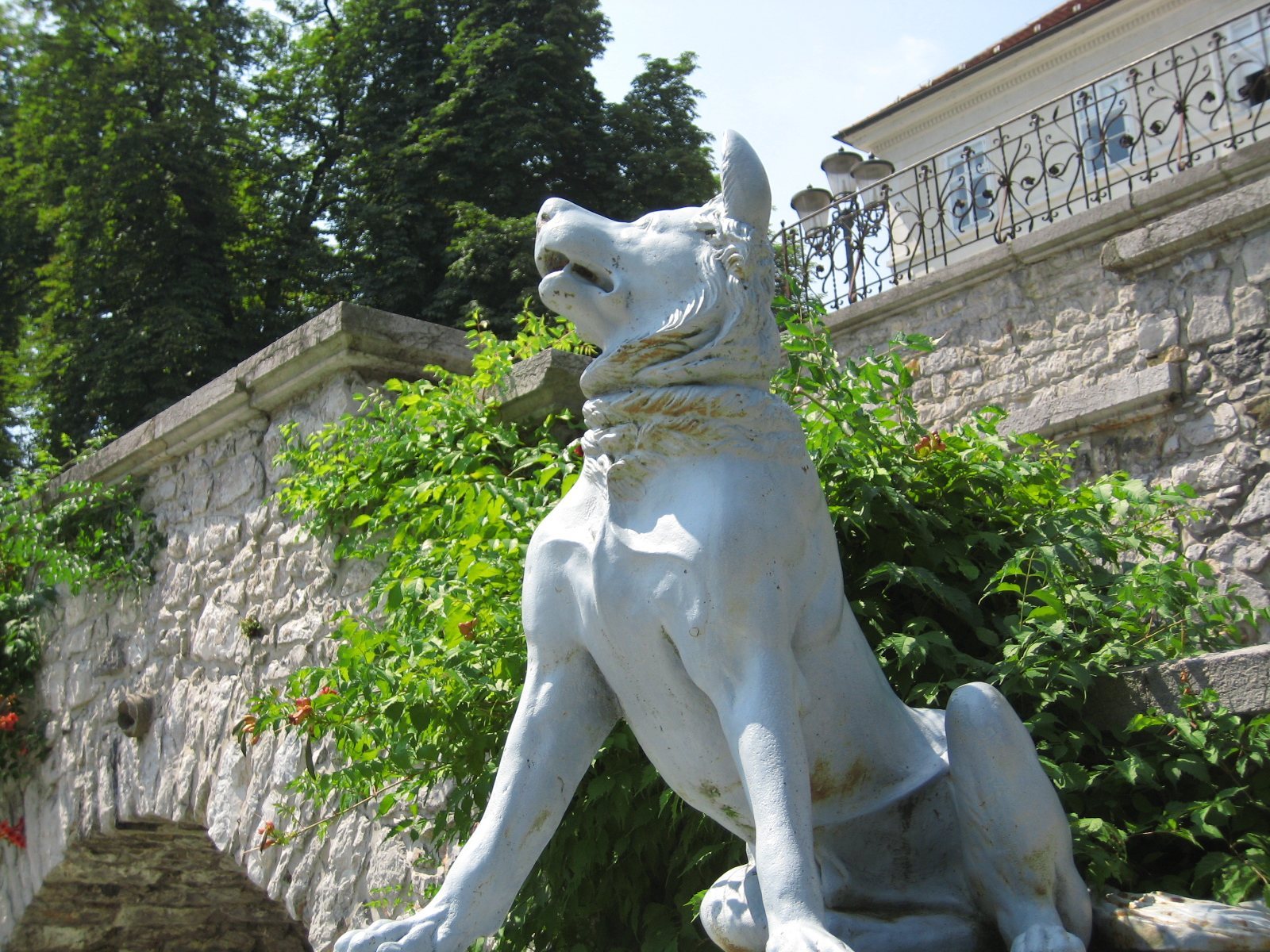
A double flight of steps leads to a fountain basin in front of the mansion. The Baroque-style fountain was installed in 1870 and has a bronze figure of a boy holding a fish; the figure now in place is a replica made in 1989. Four cast-iron dogs, created in 1864 by Austrian sculptor Anton Dominik Fernkorn, stand on pedestals at the foot of the steps. The figures have no tongues.
Radetzky statue
A full-length cast-iron statue of Radetzky stands on the steps at the mansion. The work, probably by Viennese sculptor Adam Rammelmeyer, received a prize at the Great Exhibition in London in 1851. Removed after 1918 and kept at the City Museum of Ljubljana, it was returned to its original pedestal in 2021.
Švicarija
Behind the mansion stands Švicarija, an Alpine-style building formerly known as the Tivoli Hotel.