Pasupathi Temple: An Early Chola Shiva Temple in Tamil Nadu
Site at a Glance
- Popularity
- Medium
- Country
- India
- Primary era
- Medieval
- Eras represented
- Medieval
- Civilizations
- Chola
- Site type
- Religious
- Remains
- Temple
On this page11 sections
History
Pasupathi Temple, also called Alandurainathar Temple, is a Shiva shrine at Pullamangai in Tamil Nadu, India. Its early stone core is associated with the Chola dynasty and the reign of Parantaka I (907–955). A brick temple may have stood at the site as early as the seventh century.
Early temple and Chola period
Work on the stone temple’s sanctum and attached ardhamandapa, a hall or porch, took place during Parantaka I’s reign. Inscriptions also refer to the reigns of Sundara Chola, the prince Aditya Karikala, and Rajaraja I. Historian James Harle includes the temple among four early surviving temples of the Chola Empire, alongside Koranganatha Temple, Moovar Koil, and Nageswaran Temple.
The settlement was once called Pullamangai and is now known as Pasupathi Kovil. The temple was called Alandurai, and inscriptions name it Alandurai Mahadevar Temple. Brahmapureeswarar is another name associated with the shrine. It is dedicated to Shiva, also called Alandurainathar and Anandeeswarar here, and follows Shaivism, the Hindu tradition centered on Shiva. Its ritual tradition is associated with the Shaiva Agamas, scriptures and practices connected with Shiva.
Devotional traditions
Tradition connects the temple with two stories. In one, Shiva drank the poison that emerged when the Ocean of Milk was churned. In another, Brahma worshipped at the shrine and was freed from a curse, a story associated with the name Brahmapureeswarar.
The Tamil Shaiva poet-saint Tirugnanasambandar praised the shrine in the Tevaram, a collection of devotional hymns. Pasupathi Temple is one of the 275 Paadal Petra Sthalams, Shiva shrines praised in those hymns, and is identified as the sixteenth such shrine on the Kaveri’s southern bank. It is also one of seven Saptamangai shrines associated with the Saptamatrikas, a group of mother goddesses, and with Chakkarappalli Saptastanam, a group of seven sacred places. Maha Shivaratri, a festival dedicated to Shiva, is celebrated at the temple. A separate Pasupatheeswarar Shiva temple stands nearby.
Remains
The complex combines an early, mainly stone-built core with later additions. Its Shiva sanctum faces east and lies slightly below ground level, together with the attached hall, in a pit-like arrangement. The temple stands beside the Kudamurutti River, a tributary of the Kaveri, at a listed elevation of 62.55 metres.
Sanctum and entrance
Sanctum and attached hall
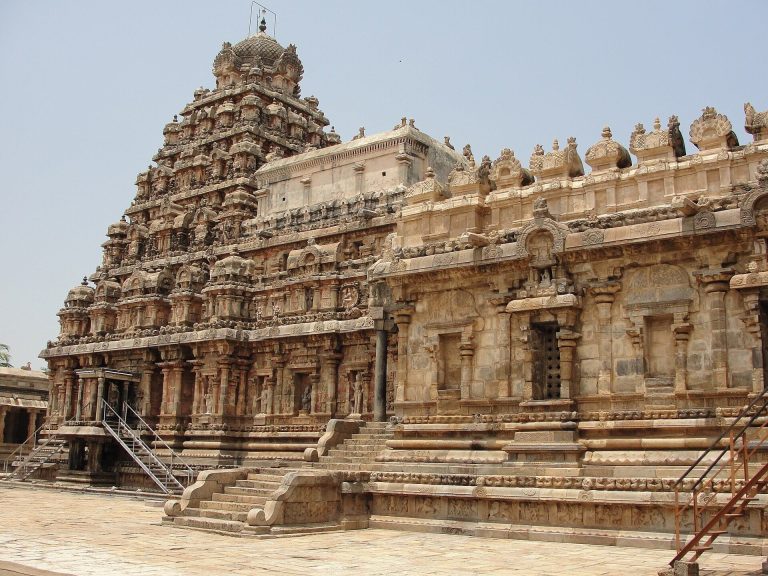
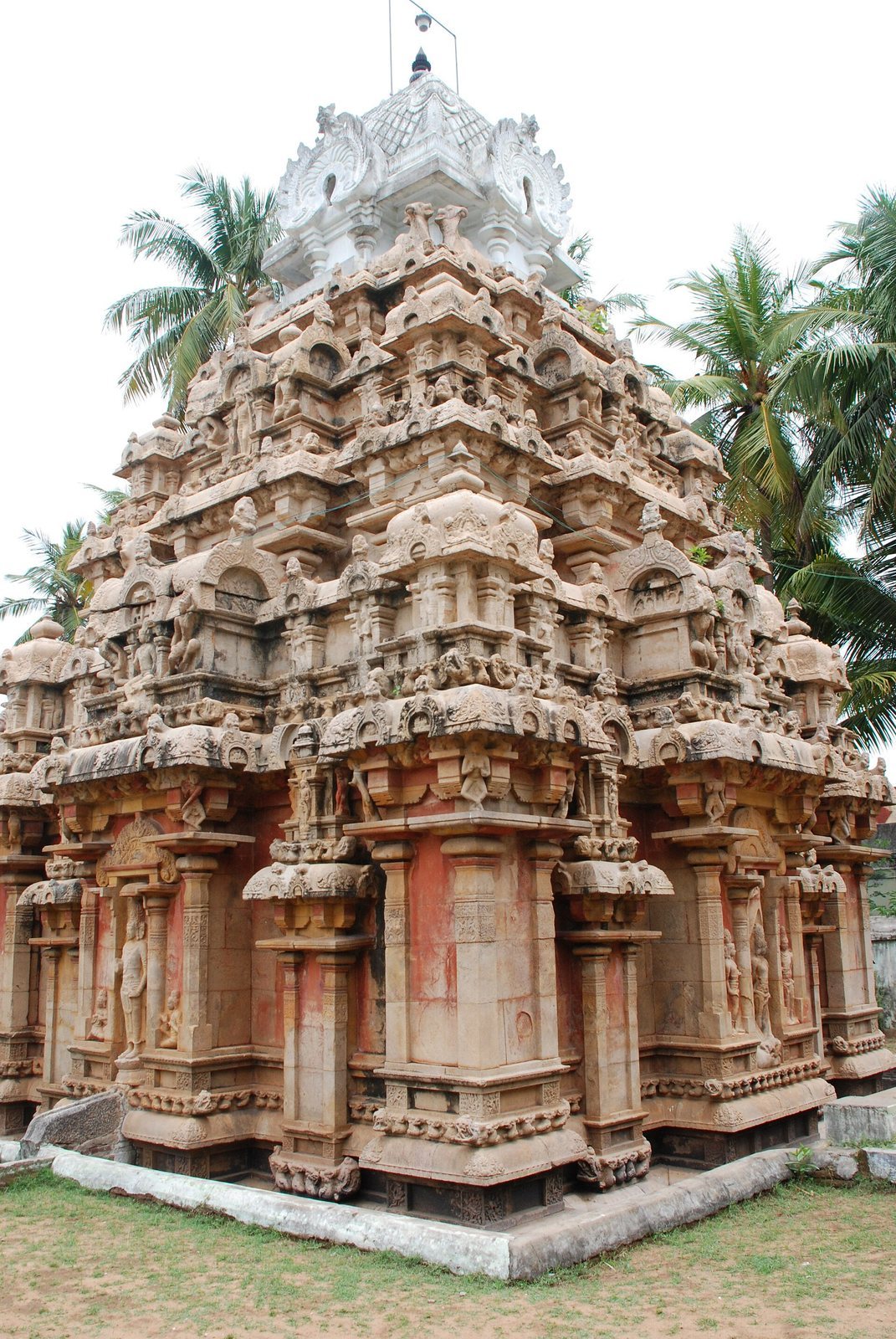
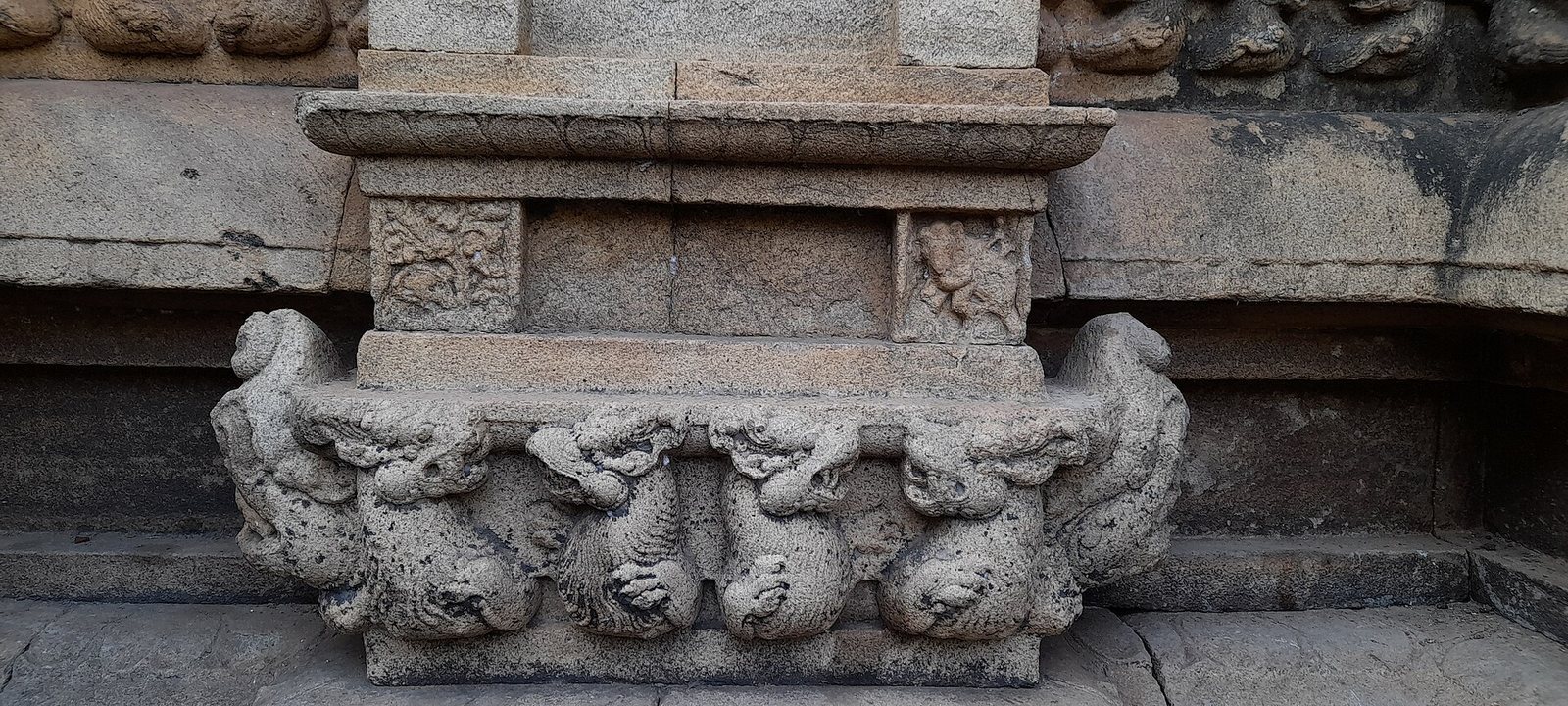
The sanctum has a lower section built of black stone and an upper section of stucco. The ardhamandapa, the hall or porch attached to the sanctum, shares its below-ground position. Together, these structures form the early core of the temple.
Eastern entrance and later additions
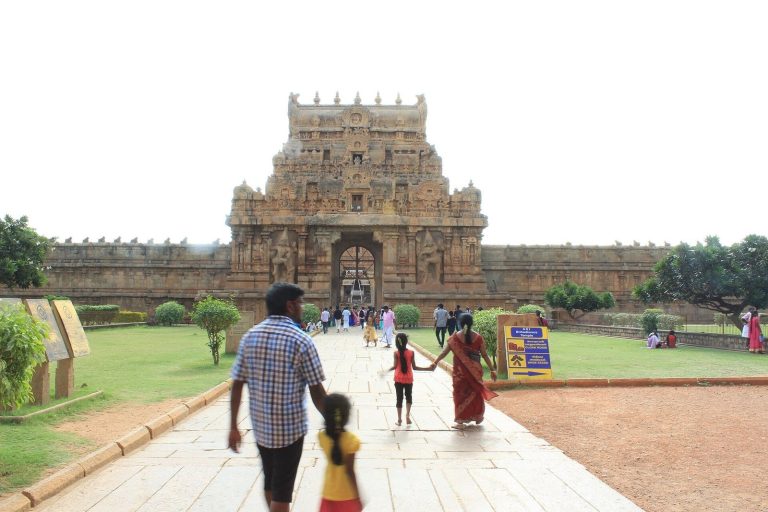
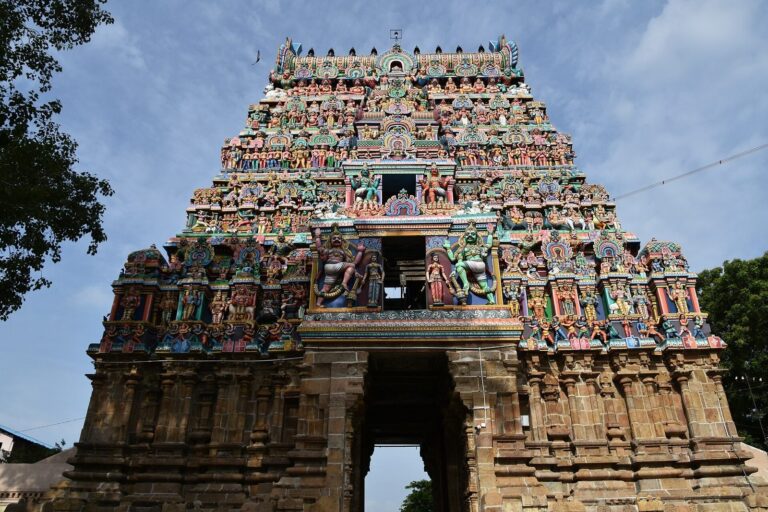
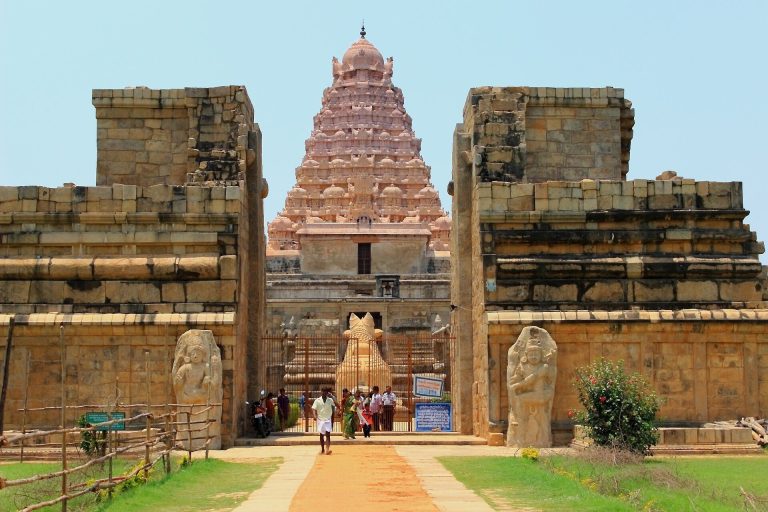
Entry is through a small gopuram, or entrance tower, in the eastern enclosing wall, with a hall directly in front. The entrance tower and hall, buildings on either side of the tower, and the goddess shrine north of the hall are later additions. Newer shrines are also part of the complex.
Images and carved details
Deities around the sanctum
Niches in the shrine contain images of Dakshinamurthy, Shiva as teacher; Lingodbhava, Shiva as a limitless pillar of light; Brahma; and Durga. The vimana, the structure above the sanctum, bears images of Vishnu, the deity associated with preservation; Narasimha, his man-lion avatar; and Tripurantaka, Shiva as destroyer of the three cities.
Narrative carvings and Durga
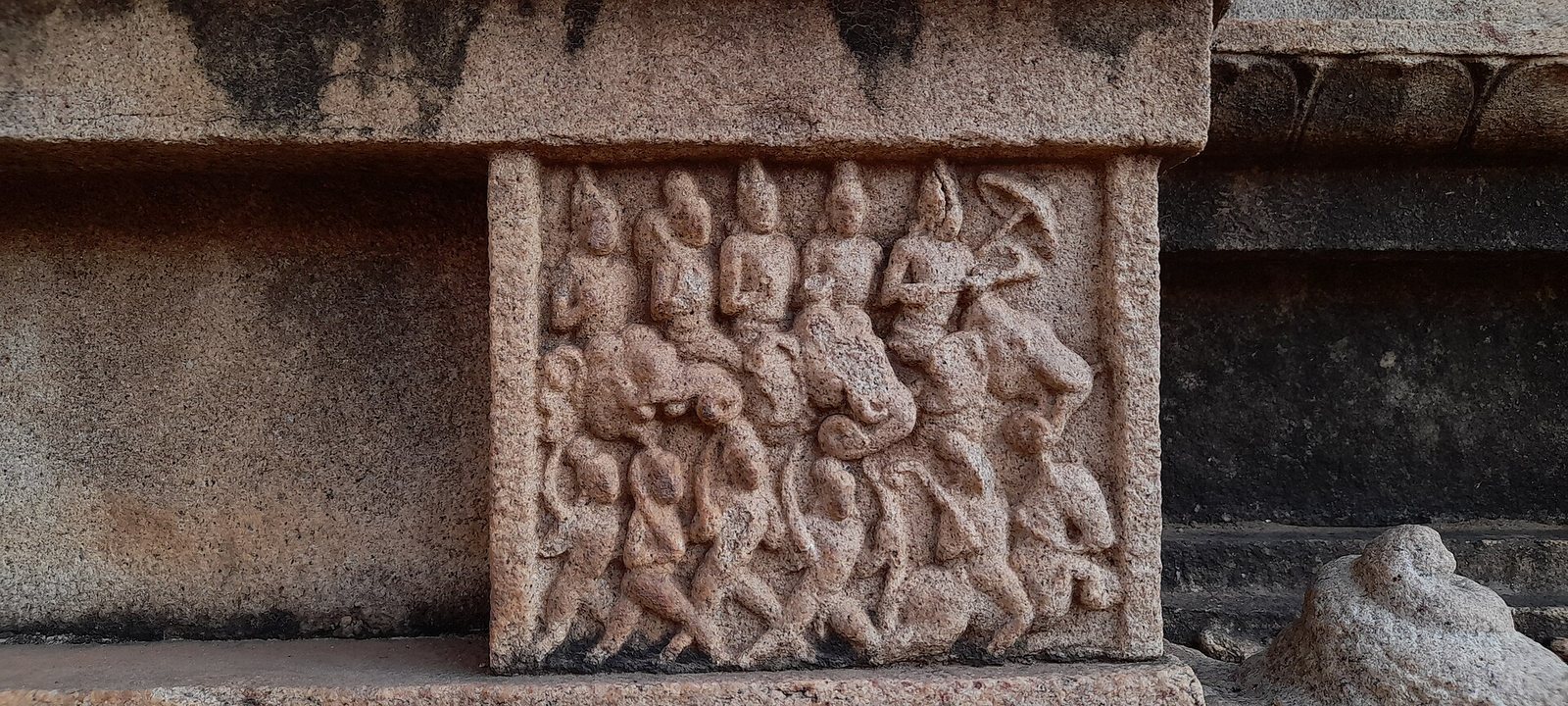
Carvings beneath the vimana depict stories from the Shiva Purana and Ramayana, as well as 108 karanas, codified units of dance movement. A series of miniature panels also shows episodes from the Ramayana. The Durga image presents Mahishasuramardini, a form of Durga associated with defeating the buffalo demon Mahishasura. She stands on a buffalo’s head beneath a black-stone canopy, with a deer and lion beside her. She carries a conch, discus, sword, bow, mace, trident, shield, and goad. Two warriors are shown cutting off a head and tearing a thigh for a blood offering. The goddess has a three-bend pose called tribhanga; one hand holds a bow, while the other makes a reassurance gesture with its ring finger bent. A quiver appears behind her. Tradition attributes this image, along with those at Tirunageswaram and Patteeswaram, to the same sculptor and regards all three as especially powerful.
Other features
An image of Nandi, Shiva’s bull and attendant, stands among the nine planetary deities. Eagle figures appear on the entrance tower. The temple also has a sacred banyan tree, a tank, and a sacred water feature. A riverside shrine associated with a banyan is suggested as the origin of the name Alandurai. A honeycomb on a temple window corresponds to imagery in a hymn by Tirugnanasambandar.