Kemnade Monastery: A Benedictine Monastery in Germany
Site at a Glance
- Rating
- 4.5
- Popularity
- Low
- Country
- Germany
- Primary era
- Medieval
- Eras represented
- Medieval, Modern
- Civilizations
- Holy Roman Empire
- Site type
- Religious
- Remains
- Church
On this page8 sections
History
Foundation and early community
Kemnade Monastery was founded around 960 at Kemnade, now a district of Bodenwerder in Germany, as a Benedictine monastery for women. Its founders were Frederuna and Irma, daughters of Count Wichmann the Younger, a member of the prominent Saxon Billung family. Frederuna became the first abbess and died in 1025. The monastery belonged to the Diocese of Hildesheim, a church district under a bishop, and followed the Benedictine tradition based on the Rule of Saint Benedict.
The sisters’ inheritance provided the monastery with extensive estates at Dölme, Grave, Hehlen, Heyen, Hohe, Linse, Halle, Lüerdissen, Rühle, Forst, Börry, Tündern, Ohr, Esperde, Latferde, Grohnde, Hajen, Pegestorf and Bodenwerder. Both the monastery and the village took their name from a kemenate, a heated room in the women’s quarters.
Noble influence and monastic change
In 1143, Count Siegfried IV of Boyneburg arranged for his brother Henry to become abbot of Corvey Abbey and his sister Judith to become abbess of Kemnade. He sought to strengthen his influence over Corvey’s possessions. Count Volkwin II of Schwalenberg also tried, without success, to secure the abbess’s position for his niece. Corvey’s high bailiffs, lay officials who protected and supervised the abbey, had come from the Northeim family. After Siegfried died in 1144, the rights attached to that office passed to Hermann II of Winzenburg.
After Kemnade’s reputation declined under Judith, Pope Eugenius III had Conrad III remove her as abbess. Conrad, the elected ruler of the Holy Roman Empire known by the title King of the Romans, granted the religious houses at Fischbeck and Kemnade to Corvey Abbey in 1147. Kemnade then became a monastery for monks until 1168, after which it stood empty for 25 years.
Dissolution and later history
Kemnade was dissolved in 1542. In 1592, the Imperial Chamber Court, a central court of the Holy Roman Empire, ruled that the monastery should return to Corvey. Its last provost, Christoph von Esleve, married and converted to Protestantism. The property passed to Friedrich Ulrich of Brunswick-Wolfenbüttel, who later pledged it to Christoph. Disputes over rights continued for a long period, while the locality remained under Brunswick overlordship.
During the Thirty Years’ War (1618–1648), a major European conflict, the church was damaged. Baron von Münchhausen was buried in the church’s family crypt.
Remains
Abbey church of St Mary
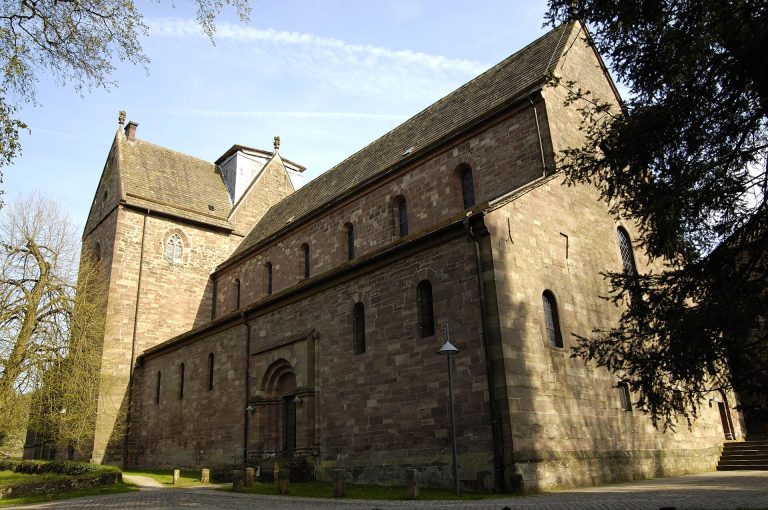
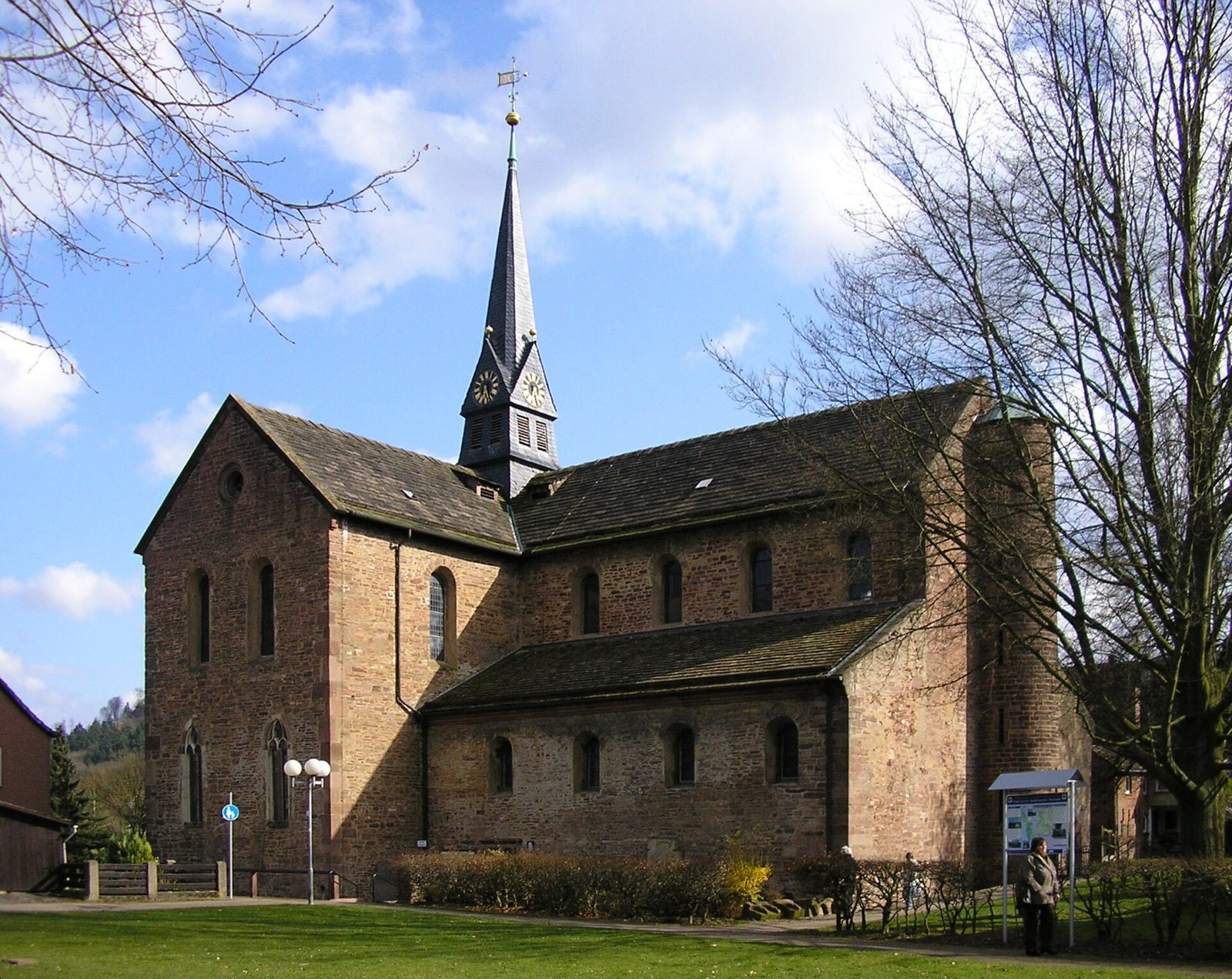
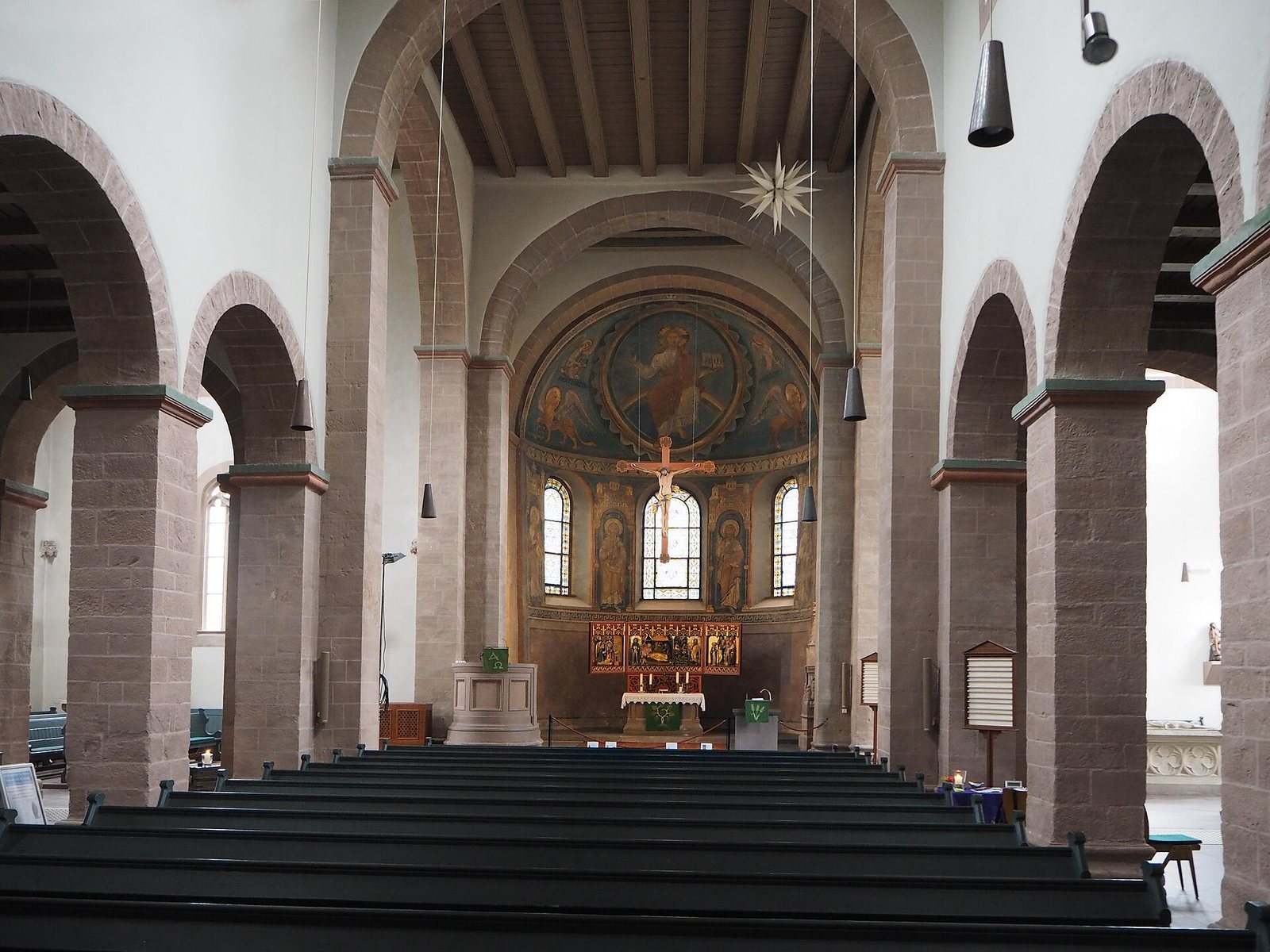
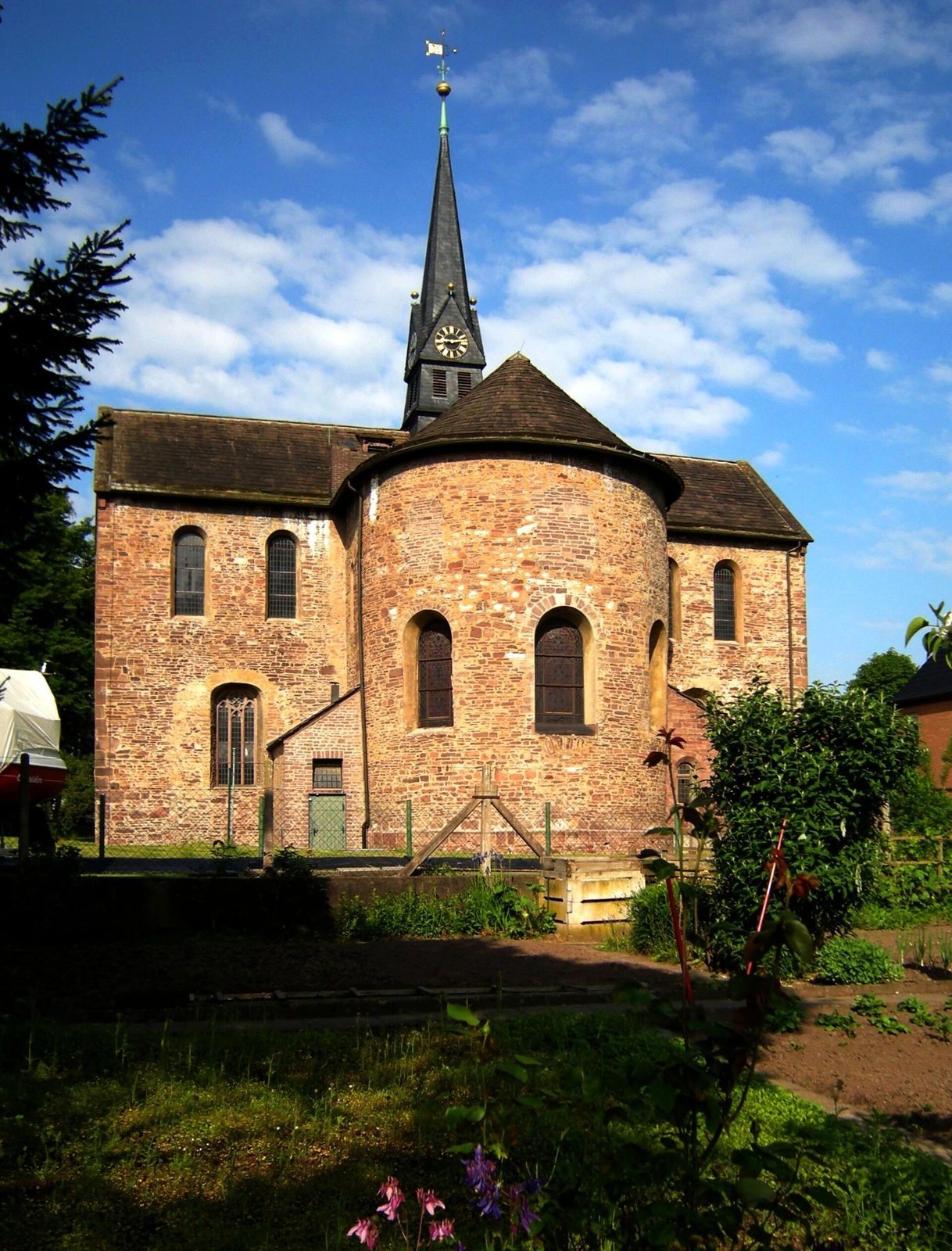
The principal surviving monastic building is the Romanesque church of St Mary, consecrated in 1046 and set among half-timbered houses. Romanesque is a medieval architectural style associated with rounded arches and massive masonry. The church is a three-aisled pillar basilica, with a central nave and two side aisles divided by pillars, built of local red sandstone and topped by a flat wooden ceiling. Its windows were later altered in the Gothic style, which is especially associated with pointed arches. Following wartime damage, the west tower was demolished and the church’s western end shortened by 20 metres. Paintings in the chancel, the area around the altar, date from the nineteenth century.
Other surviving buildings
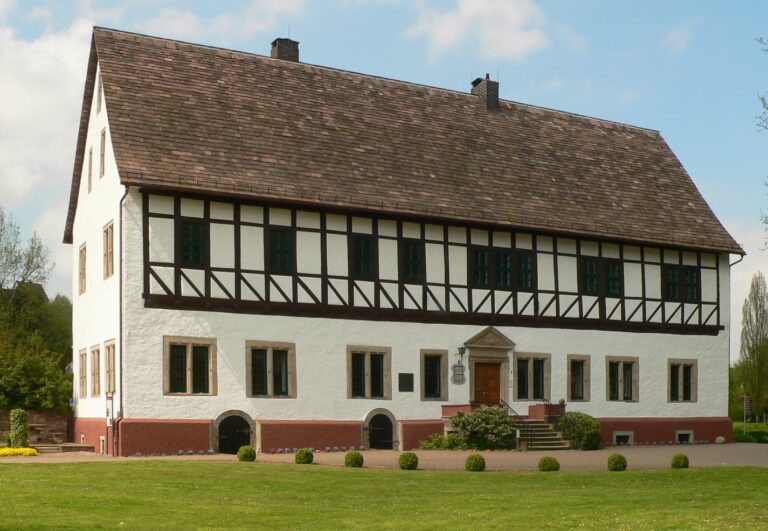
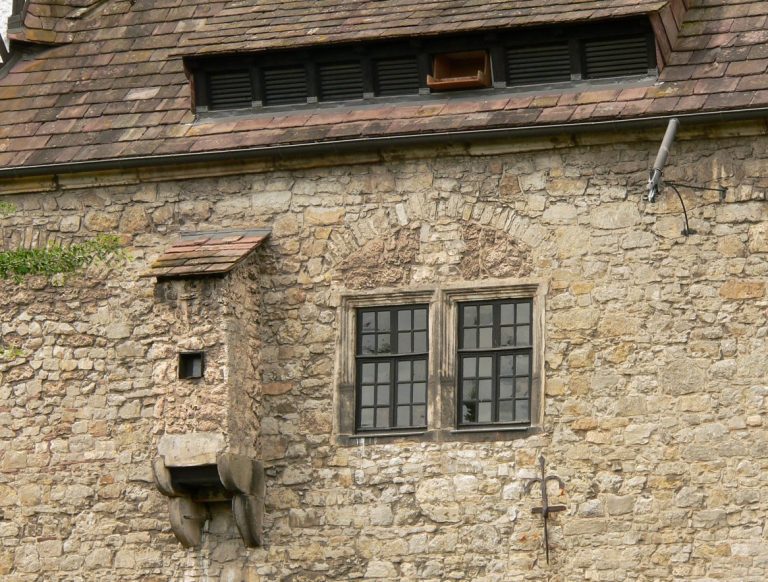
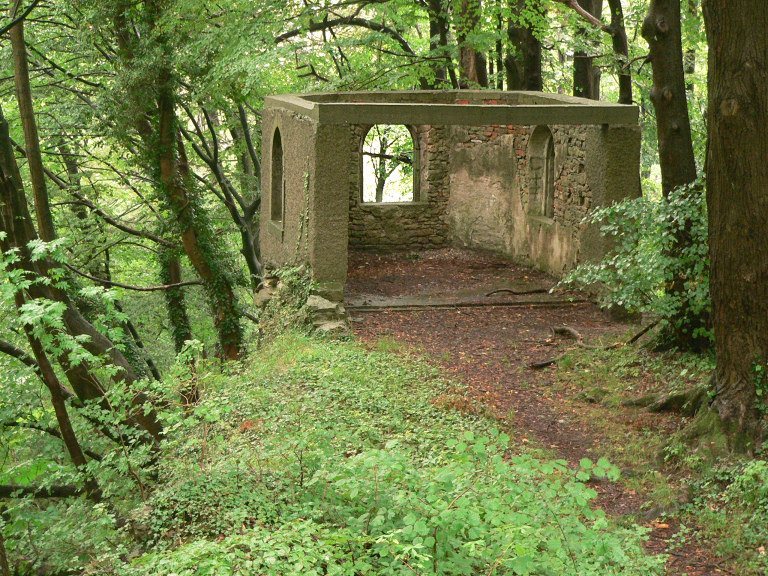
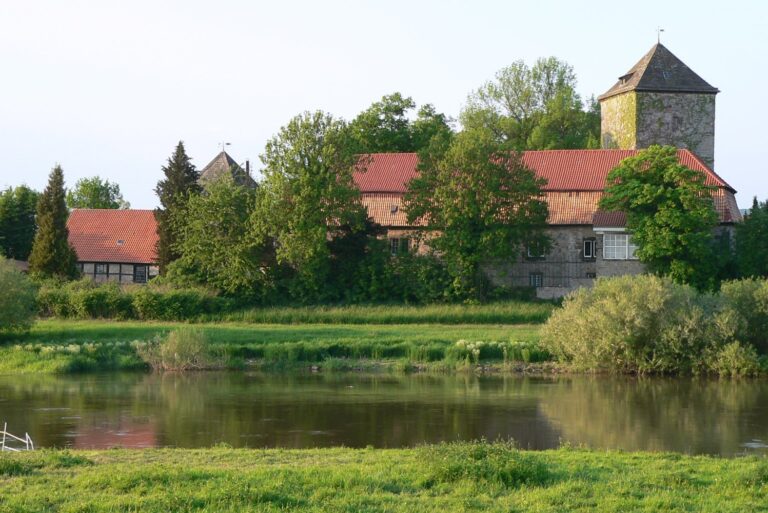
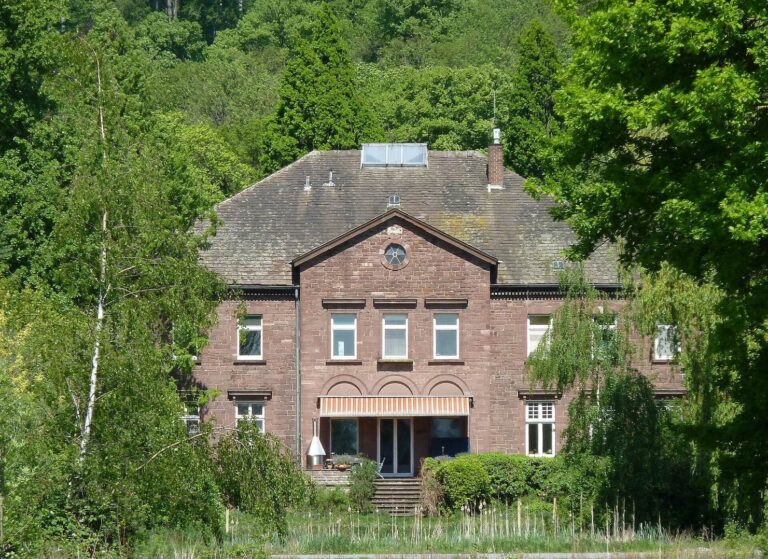
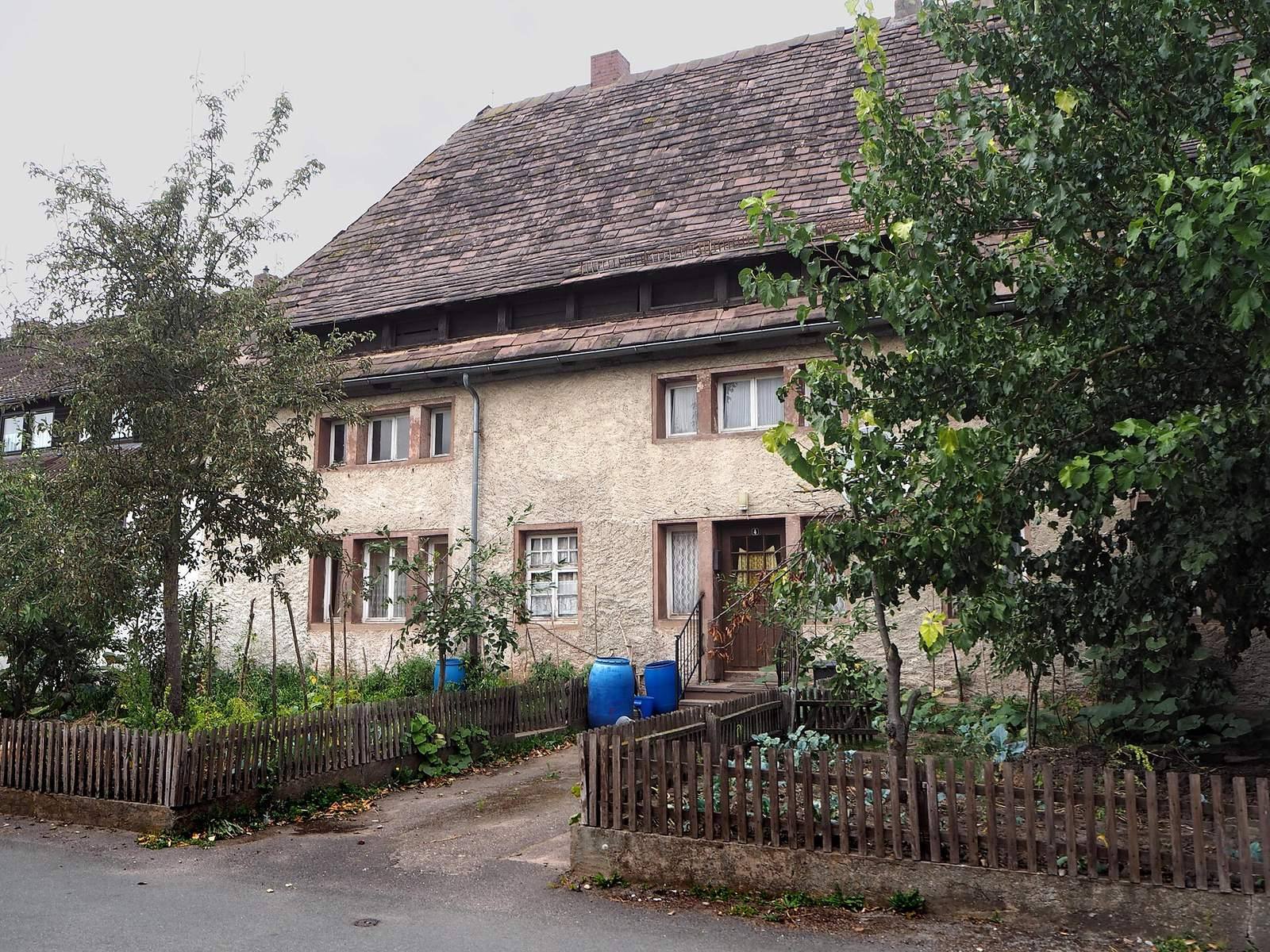
A former monastery building also survives, substantially altered and now used as a residence. North of the abbey church are remains of the village church of St Dionysius, including parts of its tower. The monastery stood beside a ford on the Weser, near the point where the Lenne flows into the river.
Burials and furnishings
The church’s family crypt contains the burial place of Baron von Münchhausen, marked by a simple gravestone. A tomb monument commemorates Count Siegfried of Homburg and his wife; Siegfried died in 1380, and his sarcophagus survives. The church also contains a fifteenth-century retable, an ornamental panel behind an altar, and older sculptures, including a fifteenth-century image of Christ seated on a stone before the Crucifixion.