San Antolín de Bedón: A Romanesque Monastery Church in Asturias
Site at a Glance
- Rating
- 3.7
- Popularity
- Medium
- Country
- Spain
- Primary era
- Medieval
- Eras represented
- Medieval
- Civilizations
- Kingdom of León
- Site type
- Religious
- Remains
- Church
On this page6 sections
History
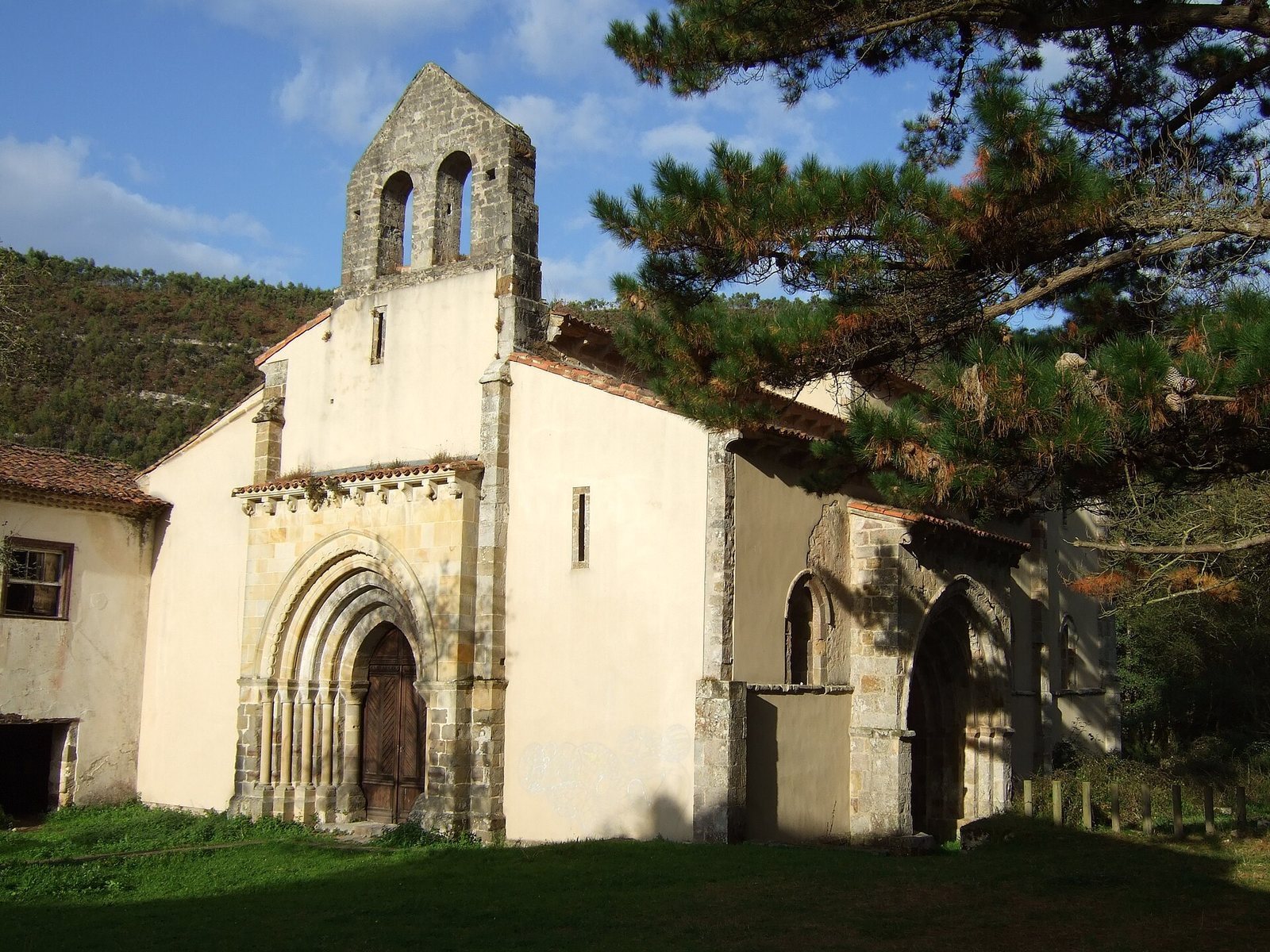
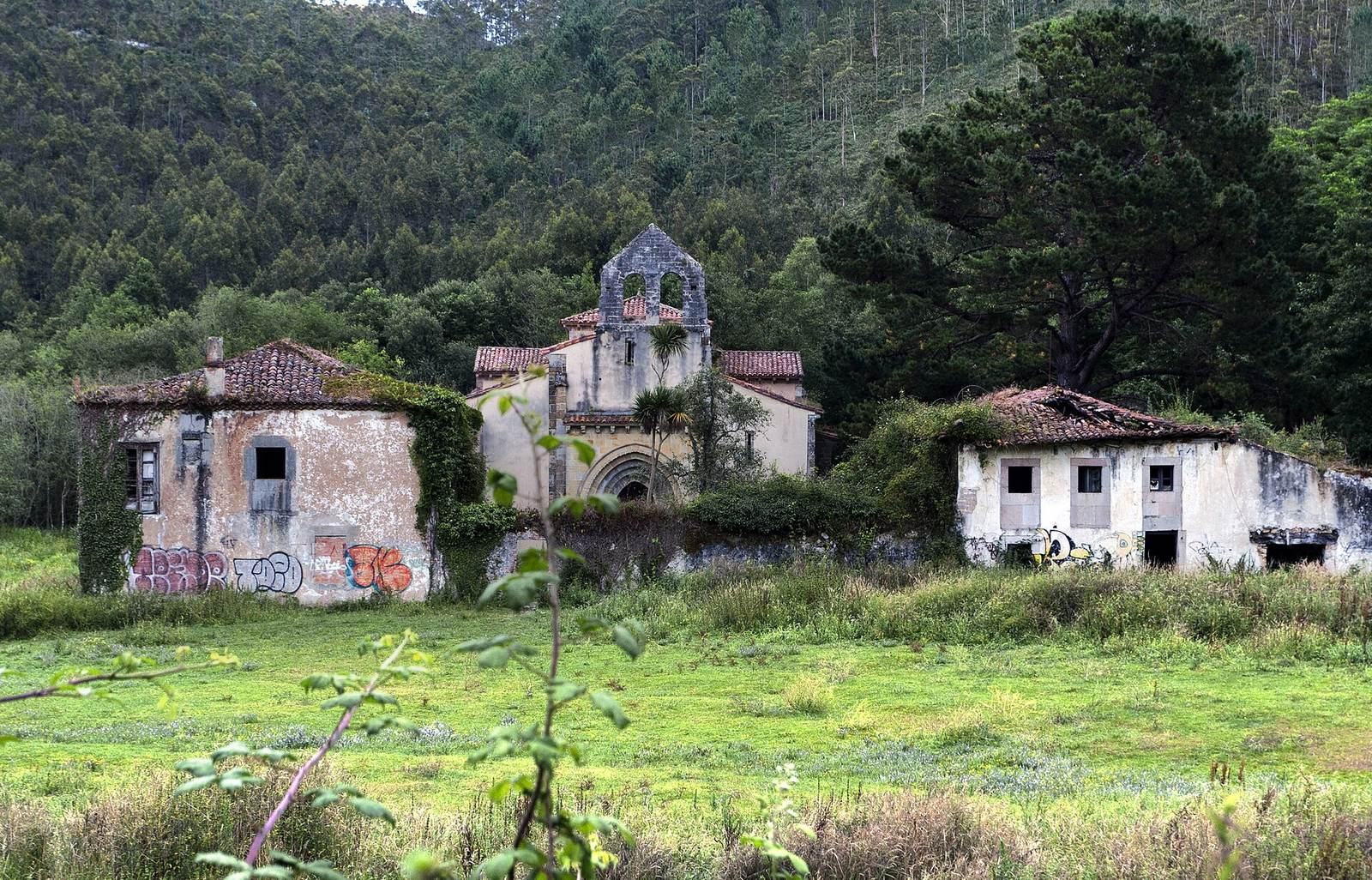
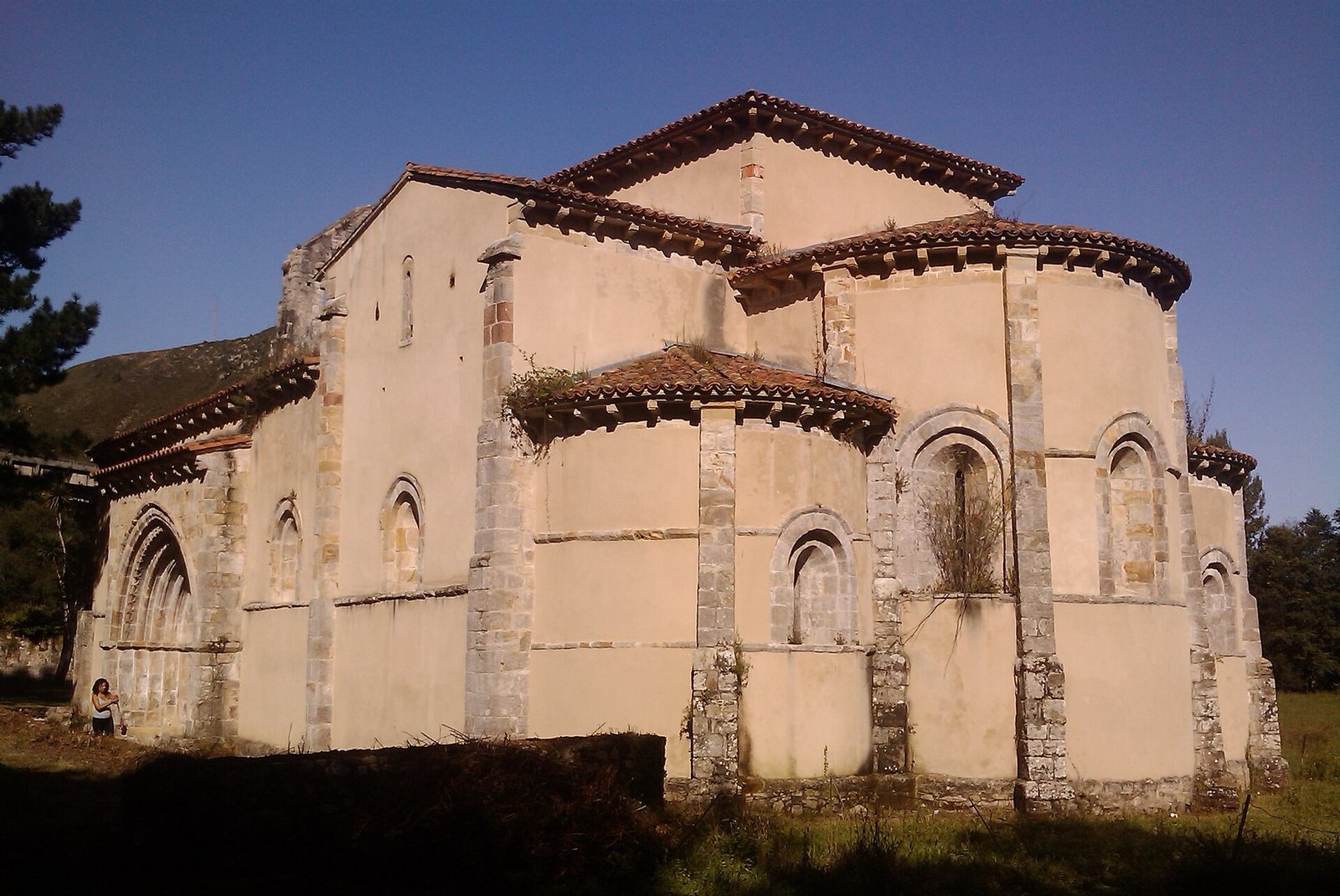
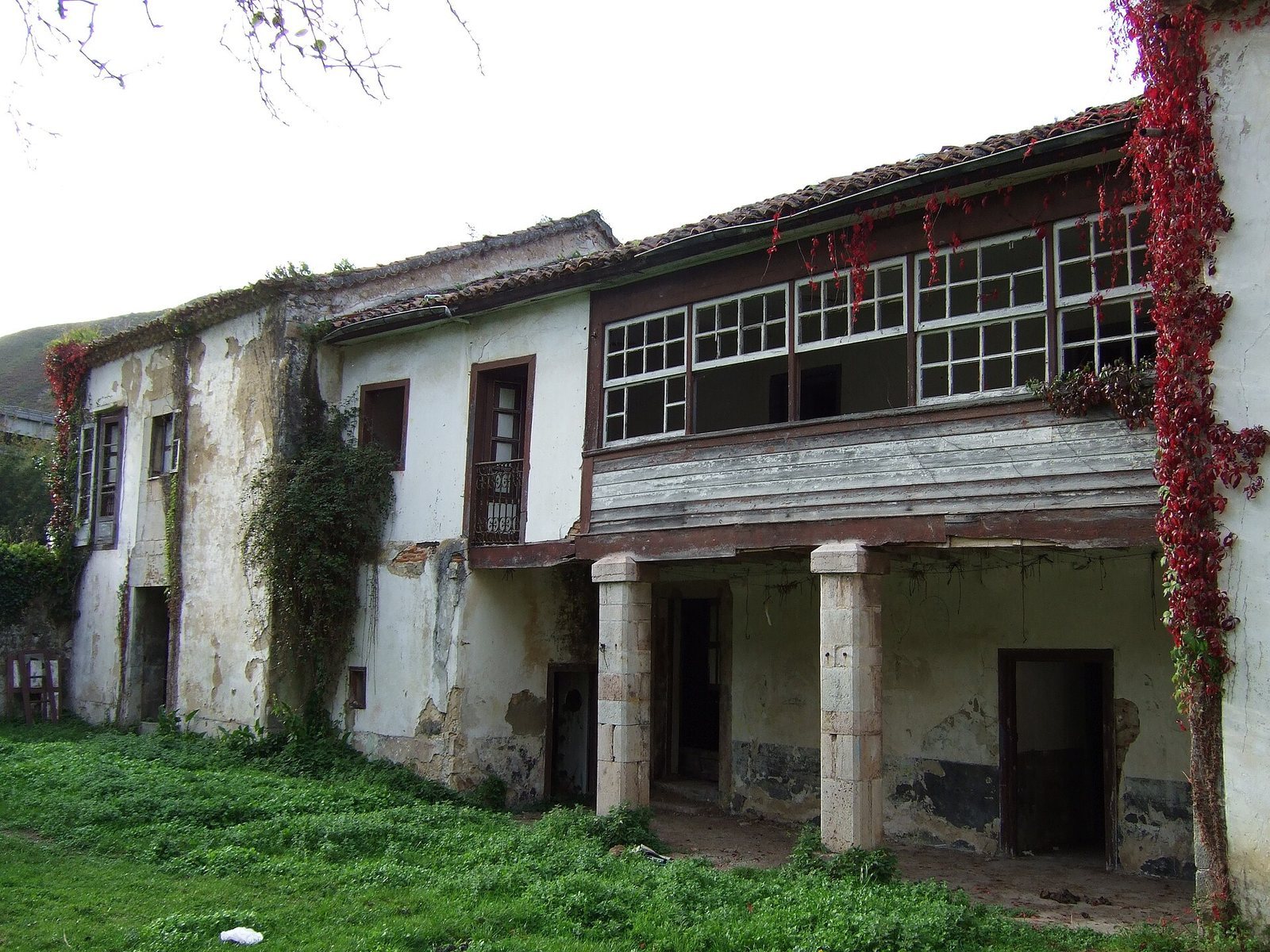
San Antolín de Bedón is a 13th-century monastery church in Llanes, Asturias, Spain, built in the Romanesque style of medieval European architecture. It is the sole surviving building of a monastery whose origins and early organization remain uncertain.
Origins and early records
A foundation legend credits a count called Don Munio or Muñazán with establishing the monastery. He has been identified with the Asturian count Munio Rodríguez Canis, who died around 1024, but the identification lacks reliable documentary support. Evidence indicates that no Benedictine monastery stood at Bedón that early. The founders, the original property grant, and the community’s organization before it was regularized are unknown; regularization had occurred before 1182.
Notices dated 1127, 1174, and 1176 survive as extracts from lost original documents. The first reliable mention is a donation dated January 26, 1186. Gonzalo Pérez and his son Martín González gave property to the monastery of San Vicente in Oviedo, and Abbot John of San Antolín confirmed the gift.
The monastery was dedicated to Saint Antolín of Apamea, a fourth-century Syrian Christian martyr, or person killed for his faith. Bishop Ponce, an adviser to Sancho Garcés III of Pamplona, helped introduce the saint’s cult into the medieval kingdoms of Spain. The saint’s relics were kept at Frédelas Abbey near Toulouse.
Benedictine life and medieval patronage
The monastery probably adopted the Rule of Saint Benedict in the early 13th century. This was a framework for communal religious life. Work on the church began in 1205. Asturian nobles supported the monastery: Pedro Díaz de Nava left it a bequest in 1289, and Rodrigo Álvarez de las Asturias provided 1,000 maravedís, a medieval Iberian currency unit, in 1331 to pay for monks to sing masses for his soul.
Royal visit and monastic decline
On September 16, 1517, Charles I and his retinue stayed at the monastery while travelling to Castile, after the pope had recognized him as king. Pedro de Posada was abbot at the time. In 1520, Charles authorized the abbot to establish a hereditary entail, a legal arrangement directing property to a chosen heir, for his son, whom the king legitimized.
In 1531, Pope Clement VII ordered the monastery to join the Congregation of Saint Benedict in Valladolid, an association of Benedictine monasteries in Spain, because of its decline and deterioration. Juan de Estella became abbot and is recorded in that position in 1532. The monastery’s difficulties continued, and in 1544, at the request of local residents and gentlemen, it became a priory, a religious house subordinate to a larger monastery, under nearby San Salvador de Celorio.
Abandonment and protection
After church property was confiscated, worship moved to Naves and the church was abandoned. In 1858, permission was granted to demolish it and reuse its materials to renovate the Chapel of Santa Ana in Naves. The Provincial Monuments Commission intervened, and the bishop withdrew the permission and approved a new parish church in Naves instead.
A decree of June 4, 1931, classified the church as a historic-artistic monument. It is now an Asset of Cultural Interest, Spain’s protected-heritage designation, and forms part of a World Heritage property. The church also belongs to the Coastal Way of St James, a pilgrimage route, and is included on the Heritage Red List.
Remains
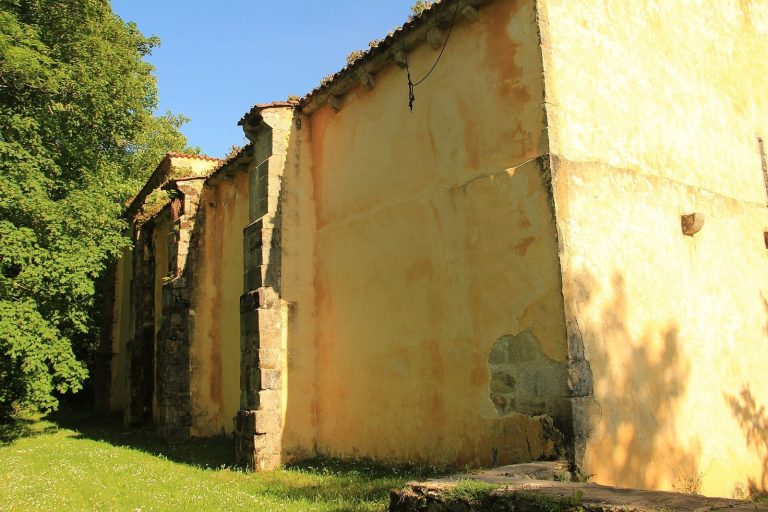
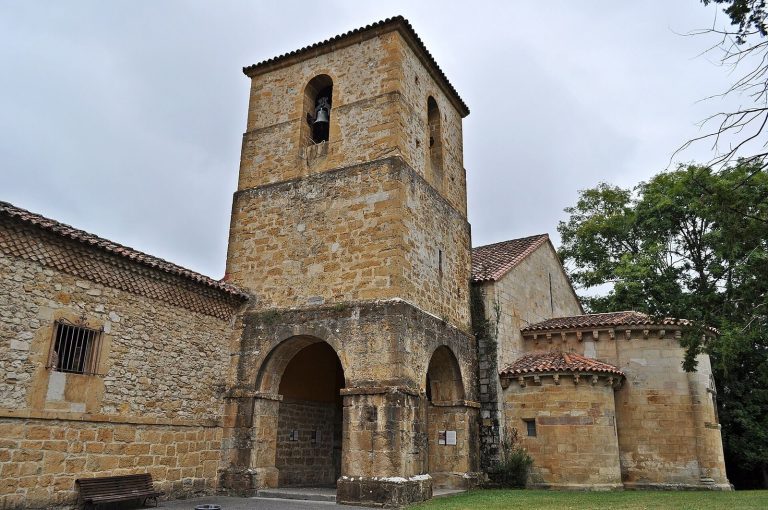
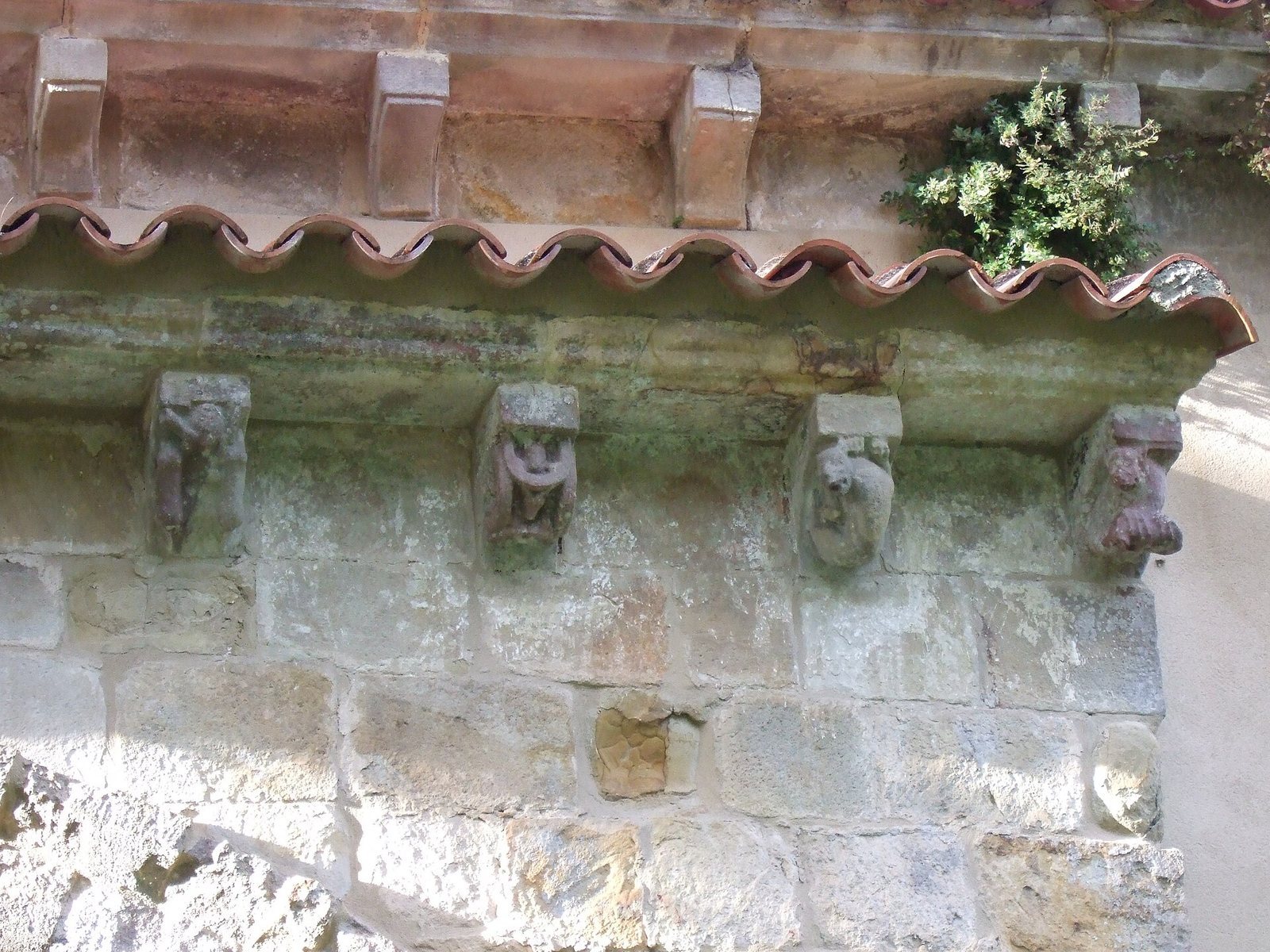
The church is the monastery’s only surviving building. It stands near San Salvador de Celorio at the mouth of the River Bedón, which divides San Antolín Beach into two sections. The 13th-century church has Cistercian construction features, associated with a monastic reform tradition that often favored architectural simplicity, and little ornamentation. Its style resembles that of Santa María de Valdediós, built a few years later.
Two inscriptions are associated with 1205. One records that Abbot Juan began construction of the church; the other is at the altar end. These inscriptions connect the surviving building with the start of its construction.
When worship moved to Naves, the church’s main altarpiece, altars, and baptismal font were transferred there. Darío de Regoyos portrayed the church in an oil painting exhibited at the Museum of Fine Arts of Asturias.