Melville House: An Early-Classical Manor House in Fife
Site at a Glance
- Popularity
- Medium
- Country
- United Kingdom
- Primary era
- Early Modern
- Eras represented
- Medieval, Early Modern, Modern
- Civilizations
- British, Kingdom of Scotland
- Site type
- Domestic
- Remains
- Manor House
On this page12 sections
History
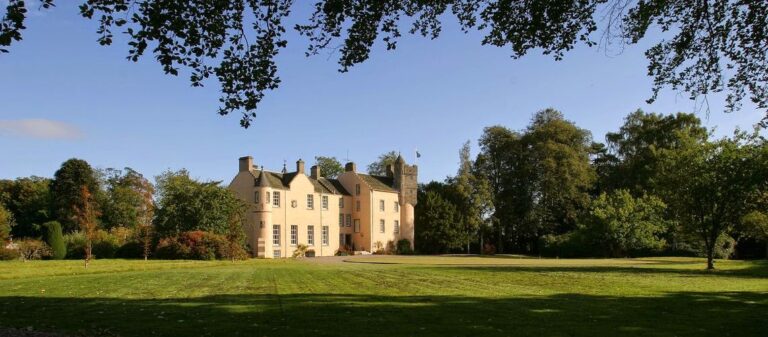
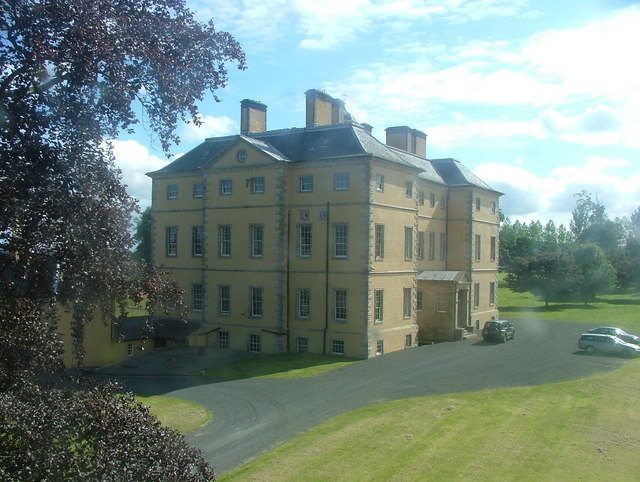
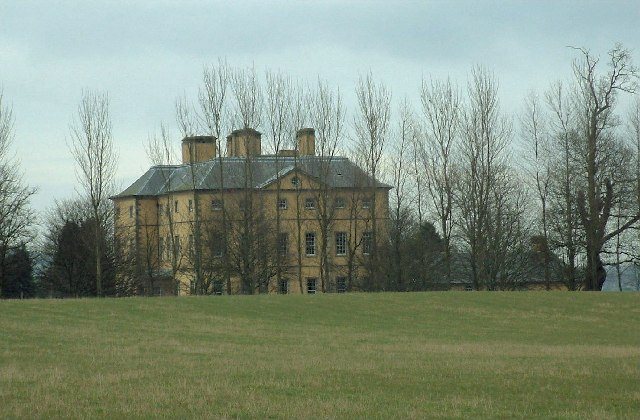
Melville House is an early-classical manor house in Fife, Scotland, United Kingdom, built for George Melville between 1697 and 1701. Its classical design drew on forms from ancient Greece and Rome, and its construction reflected George’s political influence.
Medieval estate and Melville ownership
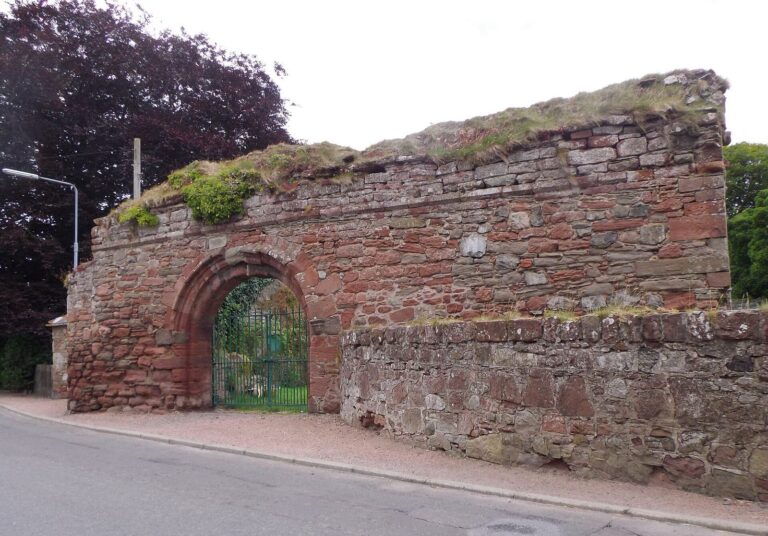
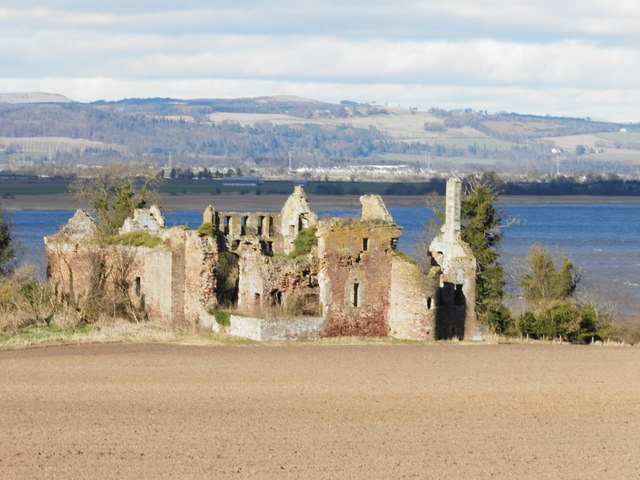
In the early fourteenth century, the Monimail estate belonged to the Bishop of St Andrews. Bishop William de Lamberton commissioned a fortified house there, and Monimail Tower was built later. The estate’s history also included the fourteenth-century Palace of Monimail.
After the Reformation, the religious movement that brought Scotland out of Roman Catholic authority and into Protestantism, James Balfour, Lord Pittendreich, acquired the estate. He repaired buildings that had fallen into disrepair, then sold Monimail in 1592 to Robert Melville, 1st Lord Melville. The Melville estate included the remains of the palace.
Political rise and the family seat
John Melville, 3rd Lord Melville, added the lands of Raith to Monimail and established a barony in 1644, a territorial feudal lordship. In 1683, his son George was accused of involvement in the Rye House Plot, a Whig conspiracy against Charles II and his brother James, Duke of York. Whigs opposed Stuart royal policies. George fled first to Hamburg and then to the Netherlands, where he joined British Protestant exiles at the court of William of Orange. His estates were confiscated, but he recovered them in 1689 and became Earl of Melville, a British noble title, in 1690.
In the early 1690s, George served as Lord High Commissioner, the monarch’s representative in the Parliament of Scotland, and Keeper of the Privy Seal, responsible for the seal used to authenticate official documents. Melville House was built as a residence suited to his public position. The surrounding estate once bordered the royal estate of Falkland Palace. Stuart monarchs, members of the royal house that ruled Scotland and later England and Ireland, hunted deer and hawked in the nearby forests; wild boar imported from France were hunted there too.
The house initially served for formal representation rather than as the family’s home. The Melvilles remained at Monimail Tower until David Melville, 3rd Earl of Leven and 2nd Earl of Melville, moved the family seat to the new house in 1710. After the 1707 Union of Scotland and England, the family’s political influence declined. David sold Raith in 1723, apparently to help pay for the upkeep of the Melville estate. Lady Mary Hamilton, daughter of Alexander Leslie, 5th Earl of Leven, was born at the house in 1736. Francis Brown Douglas, a former Lord Provost of Edinburgh, died there on 8 August 1885, and journalist Chris Baur later attended the house as a pupil.
Wartime and educational uses
Architect Reginald Fairlie extended and renovated the house in 1939. During the Second World War it served as the headquarters of the Auxiliary Units, British forces organized to resist a possible invasion, and housed Polish troops. After the 51st Highland Division surrendered at Saint-Valery-en-Caux on 12 June 1940, Polish soldiers arrived in Scotland. At Melville House they were housed and trained for guerrilla operations in case of German invasion. Scotland was considered a major target for an attack from German bases in Norway between 1940 and 1942.
Education and later ownership
After the war, Dalhousie Preparatory Boarding School bought the estate after moving from Dalhousie Castle in Lothian. It operated at Melville House from 1950 to 1971. In the 1960s, Outward Bound also rented the property during school holidays for residential outdoor-education programmes. Fife acquired the estate in 1975 and ran a special-education boarding school there until 1998. In 1980, the school replaced rugby and cricket with football and canoeing, converting cricket facilities into a canoe and boathouse for outdoor activities.
In the early 2000s, the house was refurbished for use as a private residence and later sold. Melville House is a Category A listed building, Scotland’s highest category for buildings of special architectural or historic interest. The estate is also included in Scotland’s Inventory of Gardens and Designed Landscapes, where its landscape received the highest assessment in two of the Inventory’s six categories.
Remains
The estate brings together the manor house, the remains of the Palace of Monimail within its grounds, and nearby Monimail Tower. The house stands near Collessie and south of the palace remains. The grounds also include buildings adapted for the estate’s later school use.
House and earlier remains
Manor house
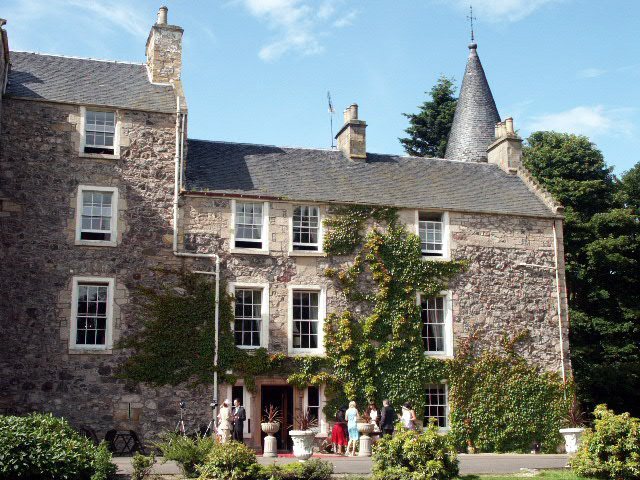
The executed design is attributed to James Smith and probably adapted a revised design by William Bruce, an early proponent of classicism in Scotland. Smith was associated with Palladianism, a classical style that emphasizes symmetry and proportion. Designs by both architects survive, including proposals that were not carried out. The Melville State Bed, an elaborate four-poster made for the Earl of Melville in 1700, was given to the Victoria and Albert Museum in London in 1949.
Palace and tower
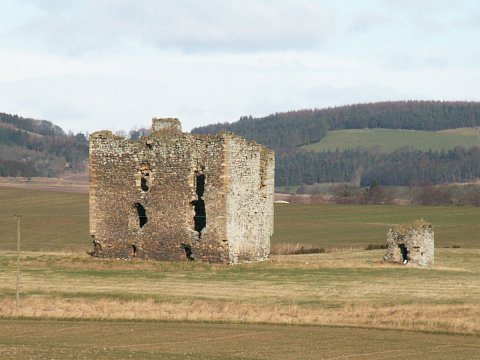
Remains of the fourteenth-century Palace of Monimail were incorporated into the grounds as a folly, an ornamental ruin intended mainly for visual effect. Monimail Tower, a later fortified residence built in tower form, is nearby.
Former school buildings
Core building
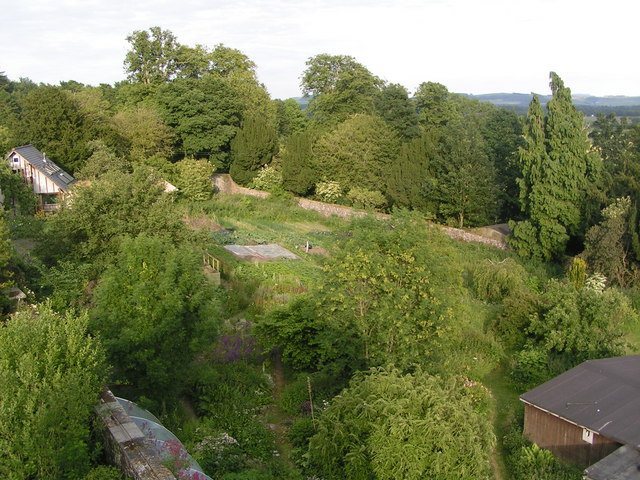
A modular, single-storey building was erected on the site of a former walled orchard. Its facilities included an indoor football area, gymnasium, administrative rooms, showers, changing rooms, a library, and a small number of permanent classrooms for science, mathematics, and computing.
Former stables
By 1984, the former stables had been converted into a history classroom, with living quarters above for a senior housemaster and his family.