St Mary the Virgin’s Church, Bottesford: A Gothic Anglican Parish Church
Site at a Glance
- Rating
- 4.9
- Popularity
- Medium
- Country
- United Kingdom
- Primary era
- Medieval
- Eras represented
- Medieval, Early Modern, Modern
- Civilizations
- British, English
- Site type
- Religious
- Remains
- Church
On this page8 sections
History
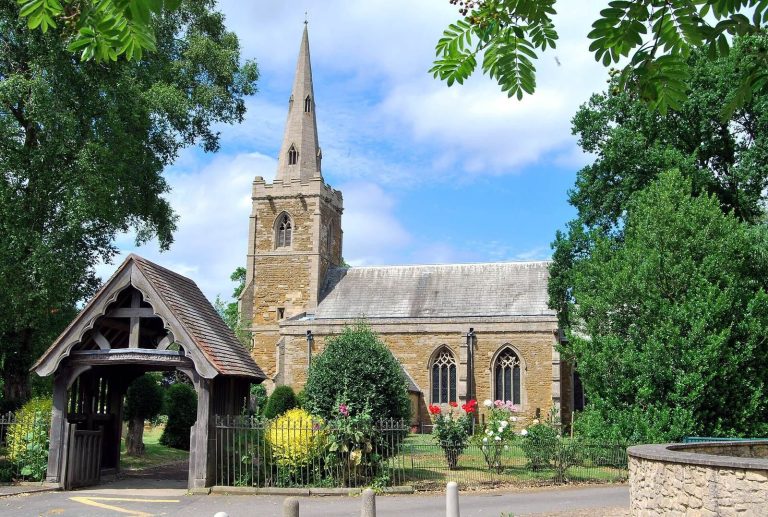
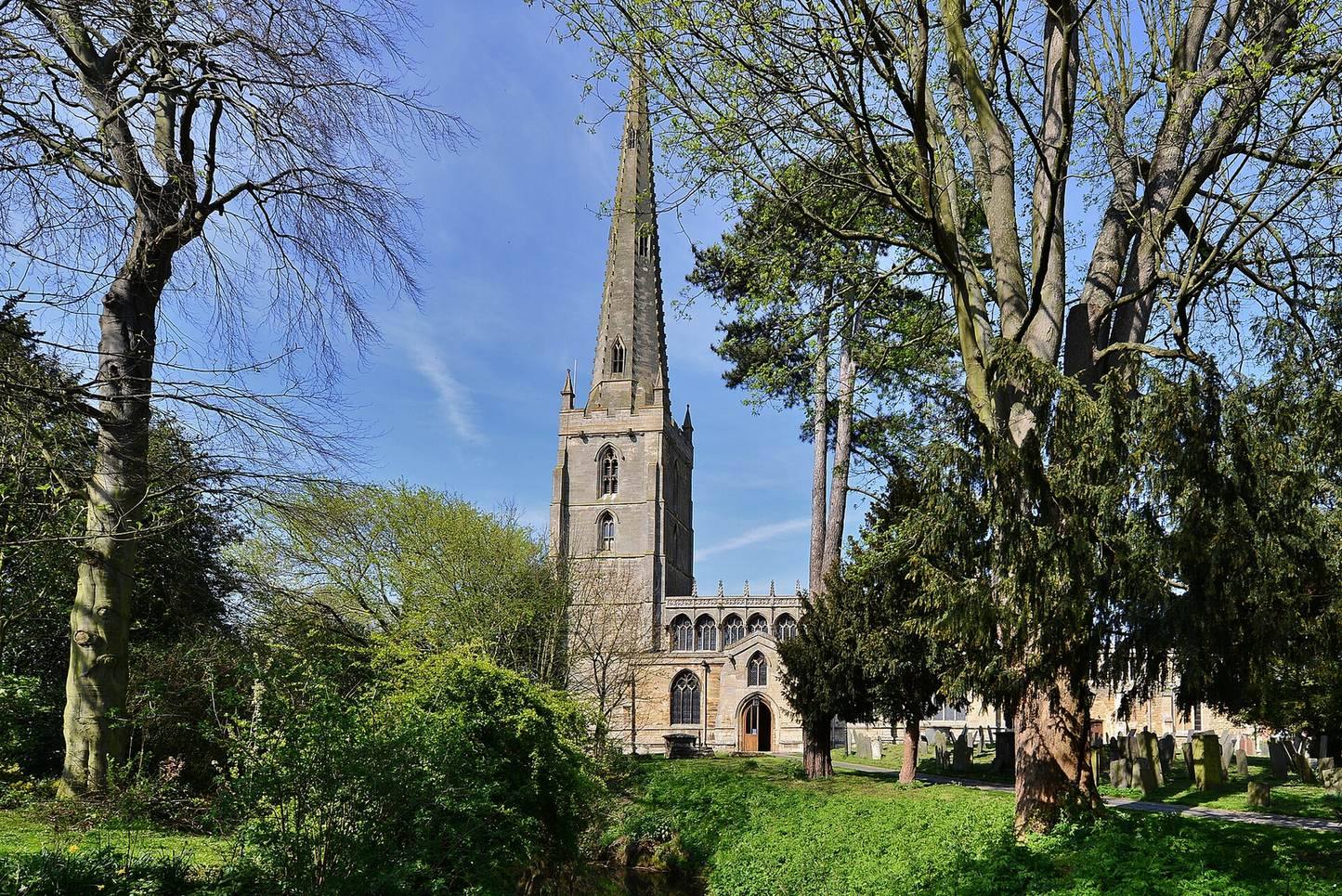
St Mary the Virgin’s Church, Bottesford, is an active Anglican parish church in the United Kingdom, dedicated to Saint Mary the Virgin, the Christian title for Mary, the mother of Jesus. Anglicanism is the Christian tradition historically associated with the Church of England. The church is sometimes called the Lady of the Vale. It belongs to the Framland deanery and the Leicester archdeaconry and diocese, and its benefice, an ecclesiastical unit serving one or more parishes, is combined with those of eight local parishes.
Medieval foundation and expansion
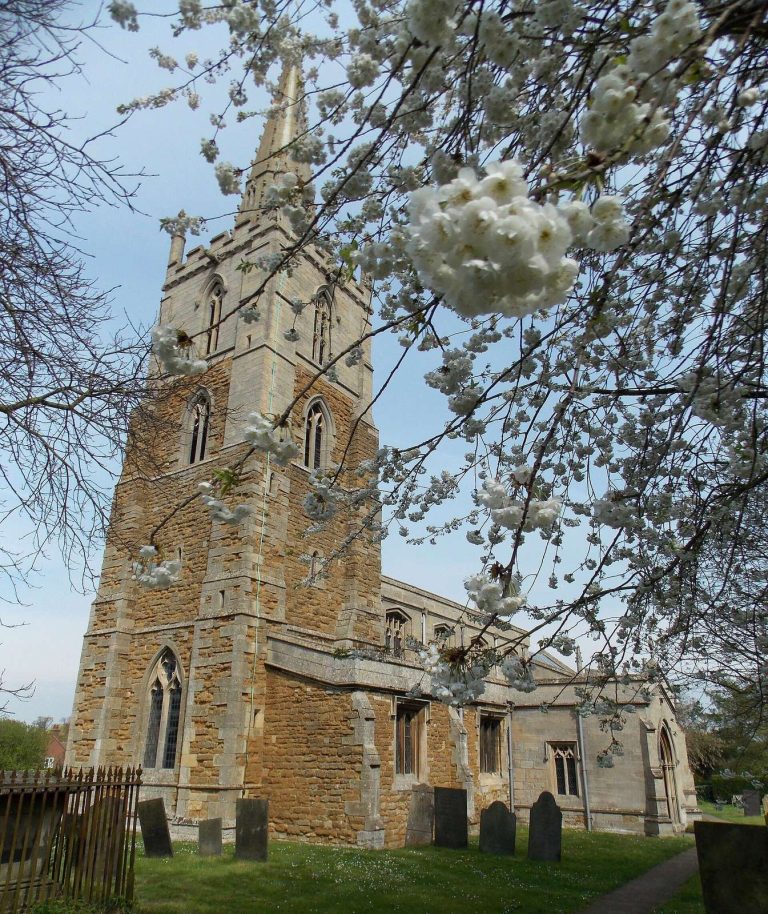
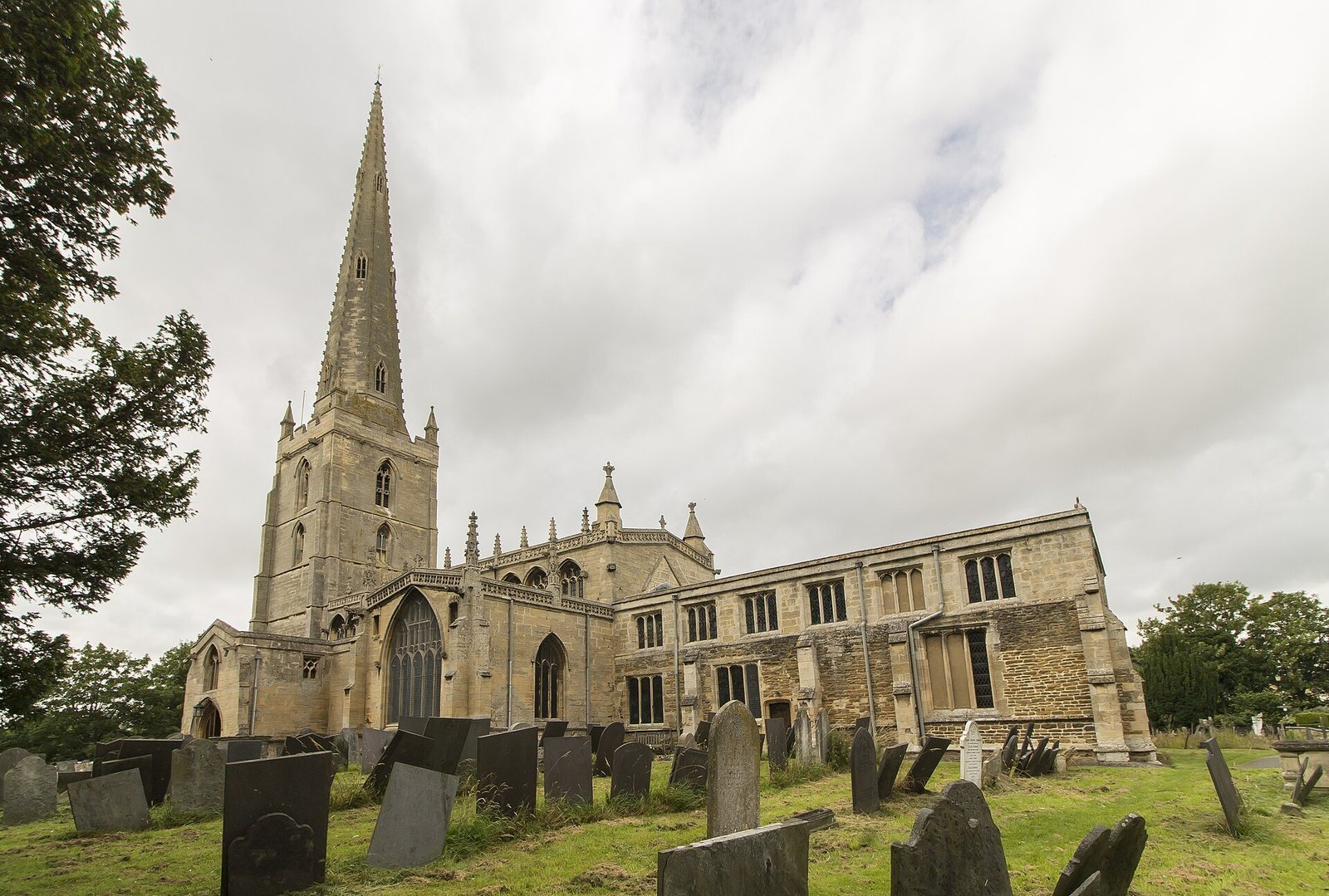
The oldest part of the church dates to the 12th century. Building work and alterations continued through the next three centuries, with the nave, the church’s main body, and the spire added in the 15th century. The building is Gothic, a medieval style associated with pointed arches and vertical emphasis.
The Manners family and the chancel
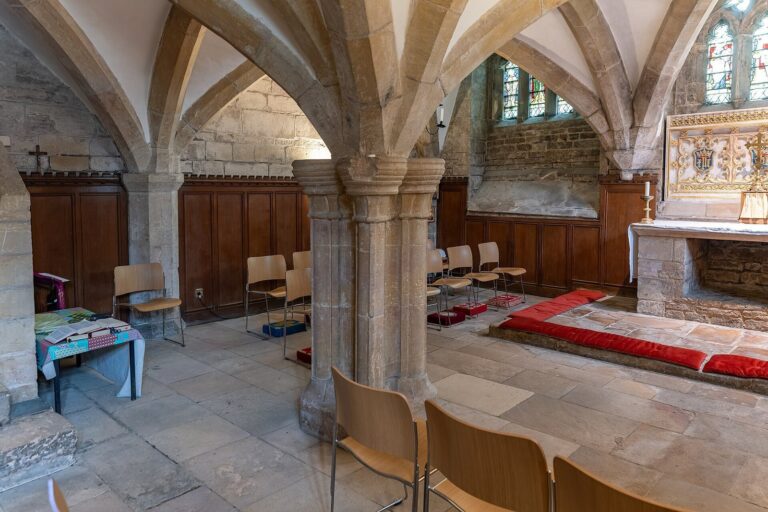
In the 17th century, the chancel, the area around the altar, was rebuilt to make room for monuments to the Manners family. Members of the family held the earldom of Rutland and later its dukedom, a higher rank in the British peerage. Those buried at the church include Thomas Manners, 1st Earl of Rutland, and Eleanor Paston, Countess of Rutland; Henry Manners, 2nd Earl, and his wife Margaret Neville, who died on 13 October 1559; Edward Manners, 3rd Earl, and his wife Isabel Holcroft; John Manners, 4th Earl, and his wife Elizabeth Charlton, daughter of Francis Charlton of Apley Castle; Roger Manners, 5th Earl, and his wife Elizabeth Sidney, daughter of Sir Philip Sidney; Francis Manners, 6th Earl; George Manners, 7th Earl; John Manners, 8th Earl, and his wife, Lady Frances Montagu Manners; and Elizabeth Manners, Duchess of Rutland, in the family vault. An inscription on one of the tombs attributes two family deaths to witchcraft by the Witches of Belvoir, a historical label for people accused of witchcraft in the area.
Restoration and continuing use
Sharpe and Paley, an architectural partnership based in Lancaster, carried out a restoration in 1847–48, and further restorations took place during the 19th century. A pipe organ by Forster and Andrews opened on 11 October 1859, with the organist and composer Henry Farmer performing. Wadsworth modified it in 1892. In 1995, Norman Hall and Sons installed a second-hand T. C. Lewis organ from St Hugh’s Church in Southwark.
The churchyard contains the war graves of 15 Commonwealth service personnel, five from the First World War and ten from the Second World War. Most had served in the Royal Air Force. The church was designated a Grade I listed building in 1968. In England, Grade I is the highest listed-building category and identifies buildings of exceptional interest.
Remains
Church building
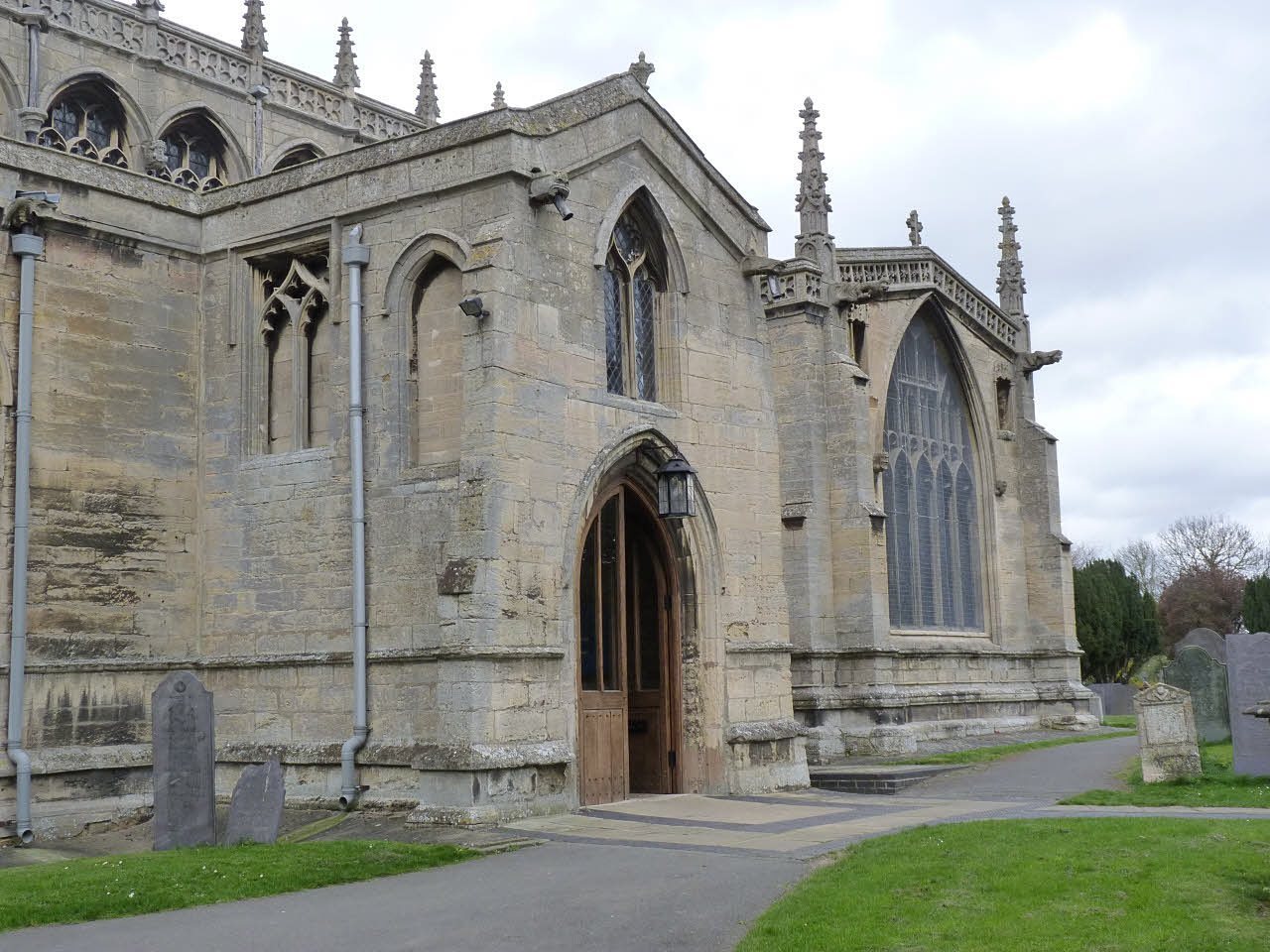
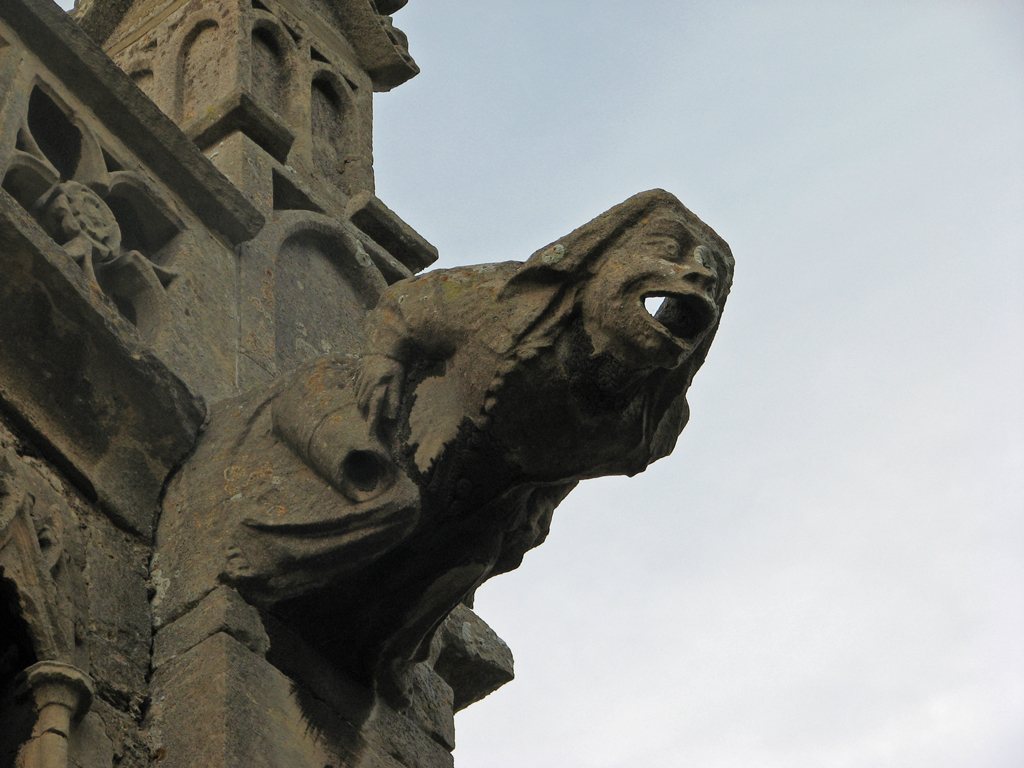
The large Gothic church has a 212-foot spire and a plan including a nave, aisles, the side spaces alongside it, transepts, the cross arms, and a chancel. Two gargoyles, carved projections that carry rainwater away from a building, sit on the south transept. The 1847–48 restoration altered the nave, aisles, and transepts: it replaced the seating, aisle roofs, and windows, removed the gallery, added a tower screen separating the tower area from the church interior, installed new pinnacles, and refloored the building.
Manners monuments
The chancel contains the Manners family monuments, including work by the sculptors Caius Gabriel Cibber and Gerard Johnson the elder. One tomb bears the inscription associating two family deaths with the Witches of Belvoir.
Churchyard features and organ
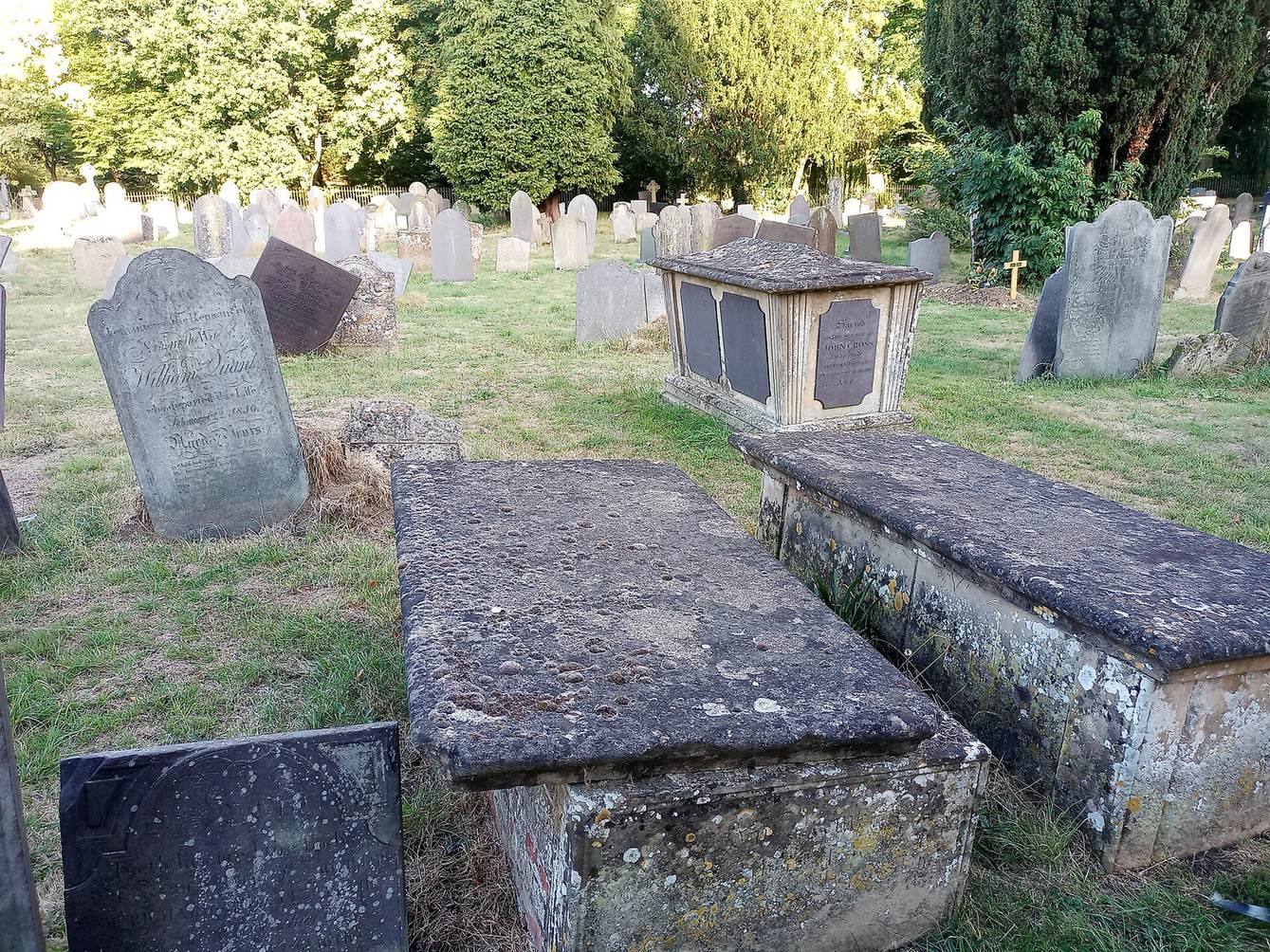
Churchyard features include a headstone to Thomas Parker, a separate table tomb, meaning a raised, table-like grave monument, and gate piers and gates on the north side. The second-hand T. C. Lewis organ has two manuals, or keyboards, pedals operated by the feet, and 15 speaking stops, which control groups of sound-producing pipes.