Shahbaz Garhi: An Ancient Buddhist City and Site of Ashokan Rock Edicts
Site at a Glance
- Popularity
- High
- Country
- Pakistan
- Primary era
- Classical
- Eras represented
- Classical
- Civilizations
- Mauryan
- Site type
- Civic
- Remains
- Monument
On this page5 sections
History
Ancient city and Ashokan inscriptions
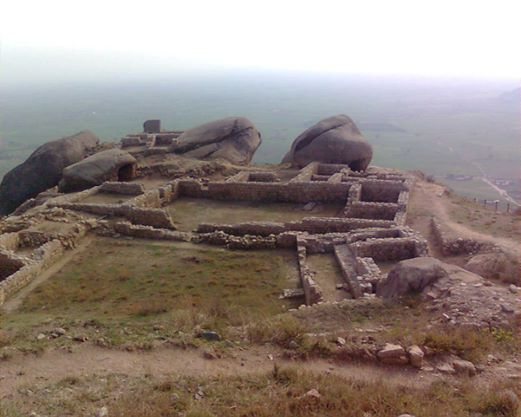
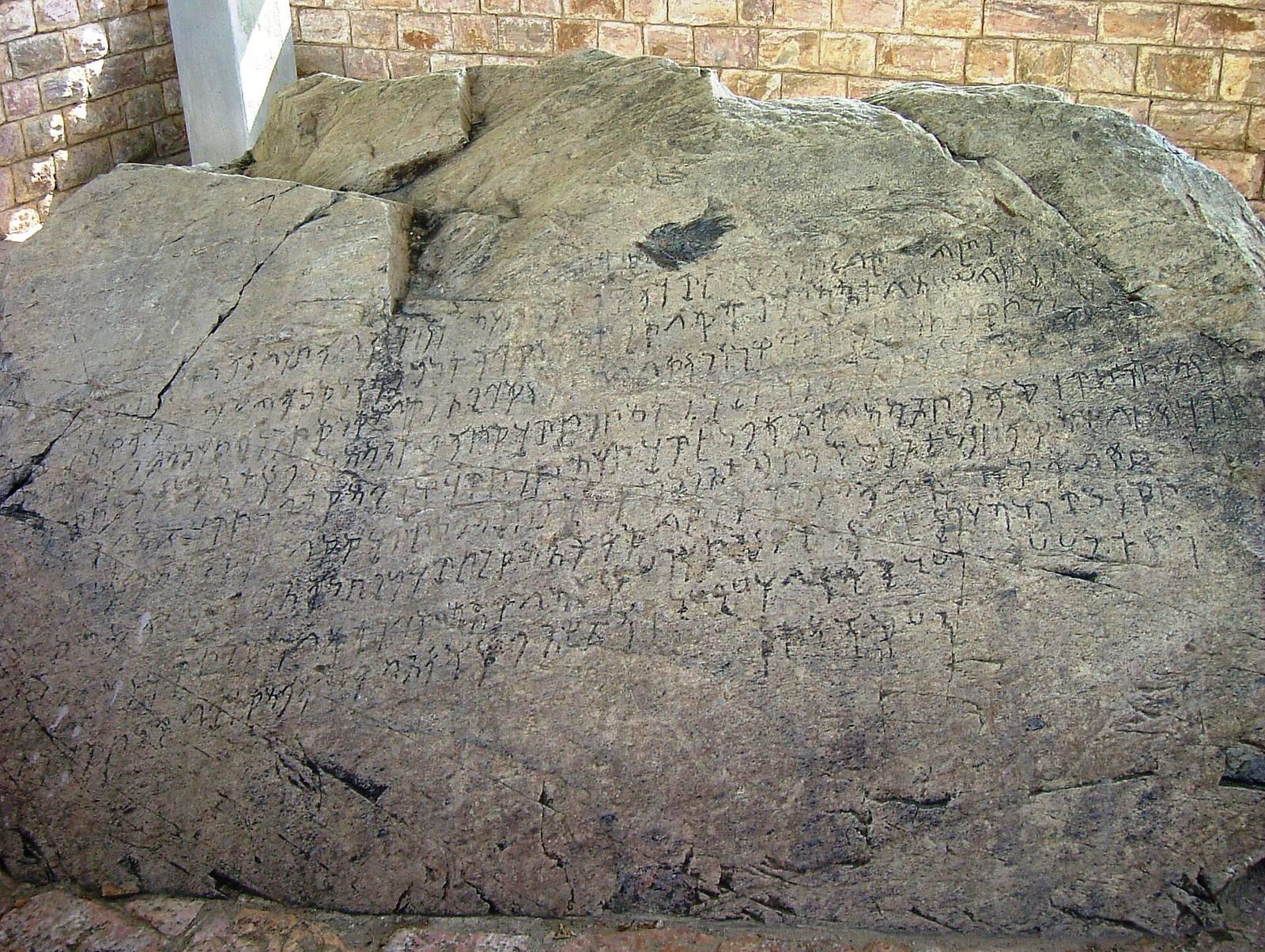
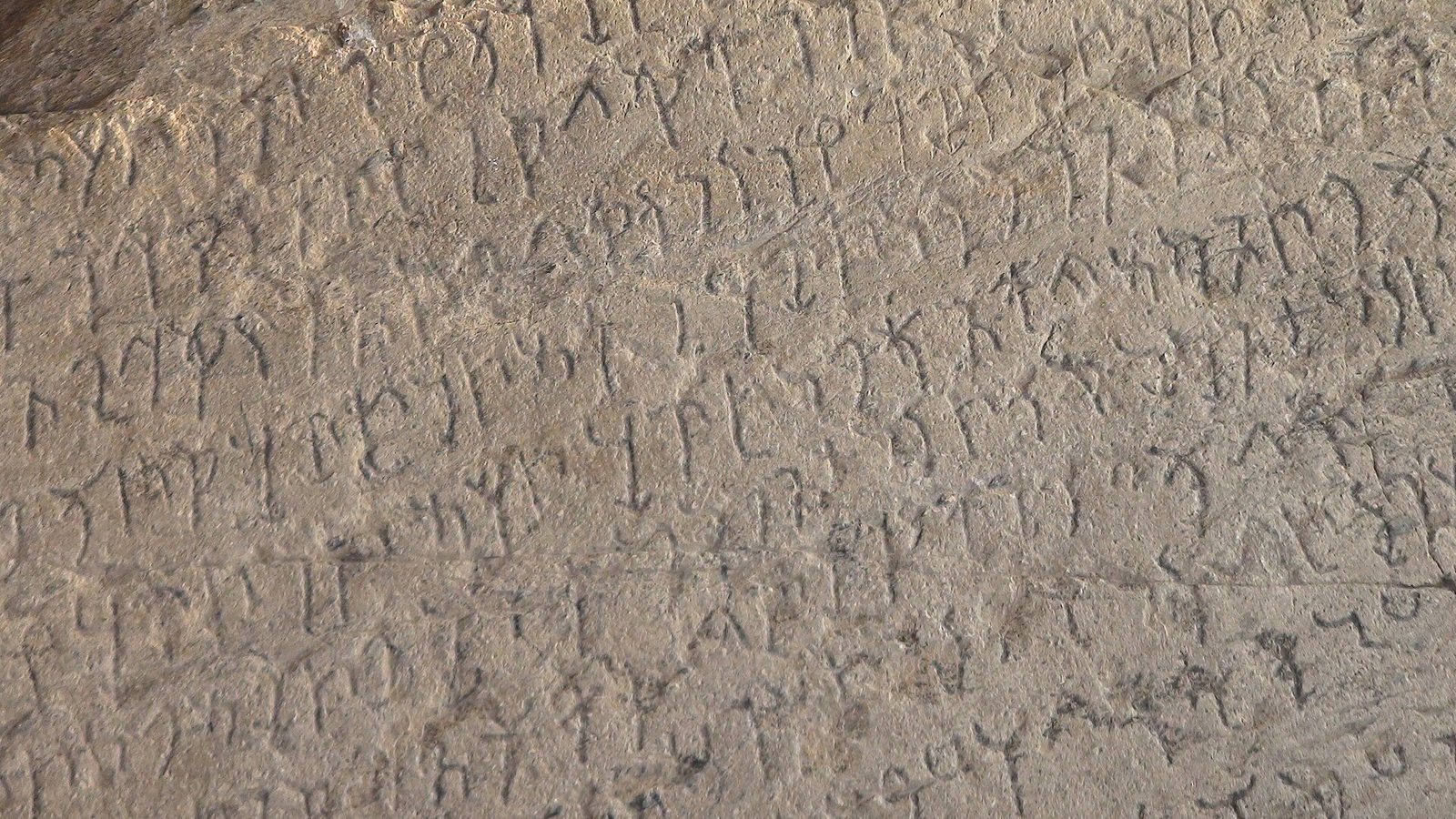
Shahbaz Garhi is a historic village and archaeological site in Mardan District, Khyber Pakhtunkhwa, Pakistan. In the third century BCE (272–231 BCE), Mauryan emperor Ashoka commissioned rock edicts there, proclamations engraved on stone. These inscriptions appear to be the earliest examples of writing in the subcontinent.
In antiquity, Shahbaz Garhi was a thriving Buddhist city surrounded by monasteries, shrines and stupas, Buddhist monuments commonly built as mounds and associated with worship and relics. Three routes met in the area: one linking Kabul and Pushkalavati, now Charsadda; another passing through Swat and Buner; and a route between Taxila and Hund beside the Indus River. Soldiers and travelers stopped for several days to plan their onward journeys.
Modern recognition
On 30 January 2004, Shahbaz Garhi’s inscriptions were added to UNESCO’s World Heritage Tentative List. This list identifies places considered for possible nomination to the World Heritage List, but does not confer World Heritage Site status.
Remains
Rock inscriptions
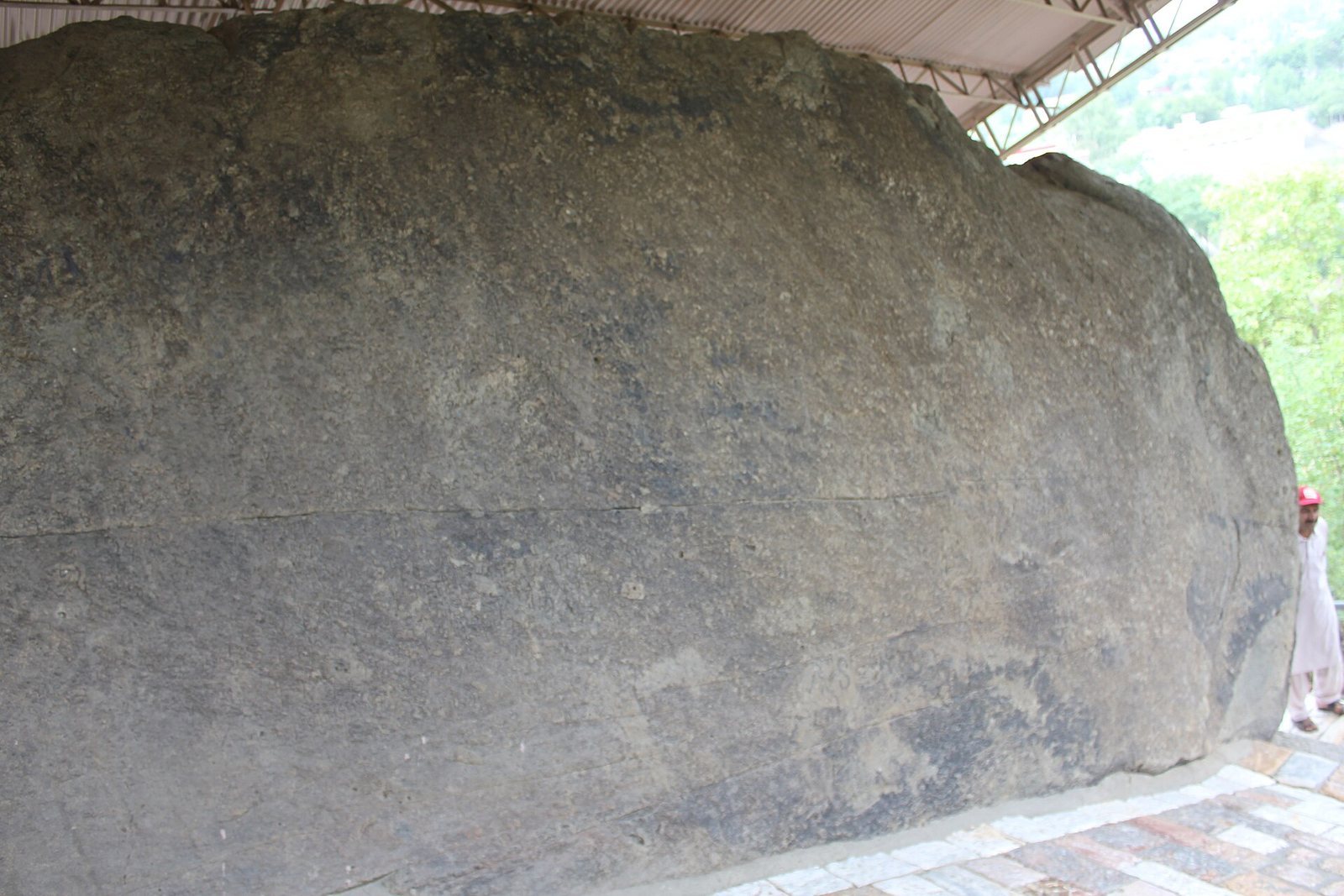
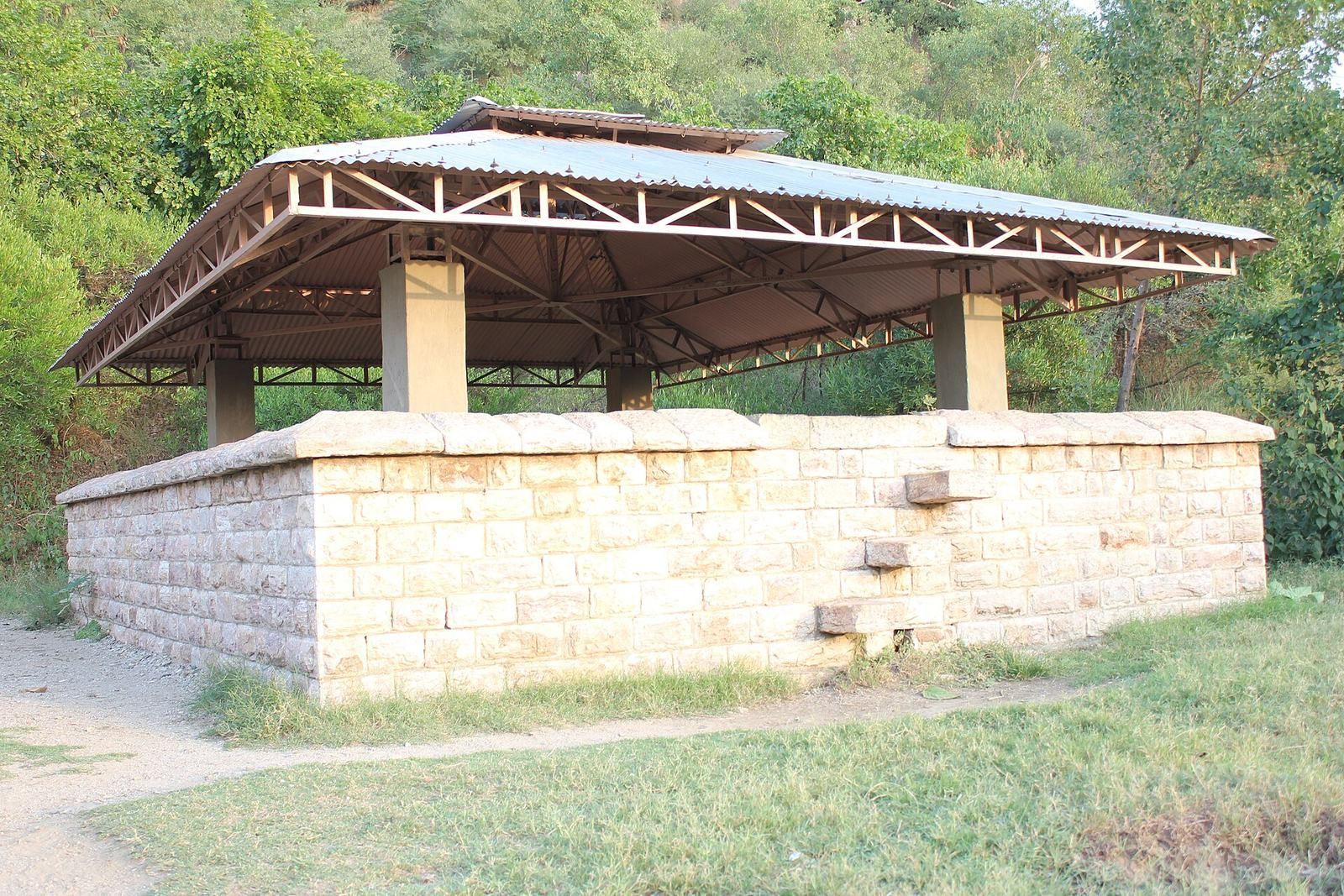
The principal remains are inscriptions carved into two large rock boulders, known locally as Hkule Gutt. The text is in Kharosthi, an ancient script used in northwestern South Asia. The first edict on the first inscription includes the term “Dhrama-Dipi,” referring to an edict concerning Dharma, or moral law. Both inscriptions have been cleaned. A nearby board carries a translation, and a protective roof is also associated with the site.