St Mary’s Church, Wirksworth: A Church of England Parish Church
Site at a Glance
- Rating
- 4.7
- Popularity
- Medium
- Country
- United Kingdom
- Primary era
- Medieval
- Eras represented
- Medieval, Early Modern
- Civilizations
- Anglo-Saxon, English
- Site type
- Religious
- Remains
- Church
On this page14 sections
History
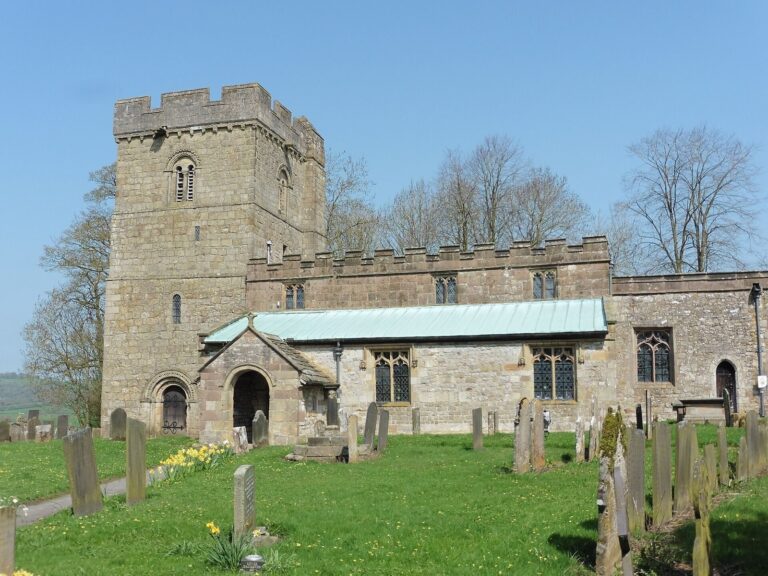
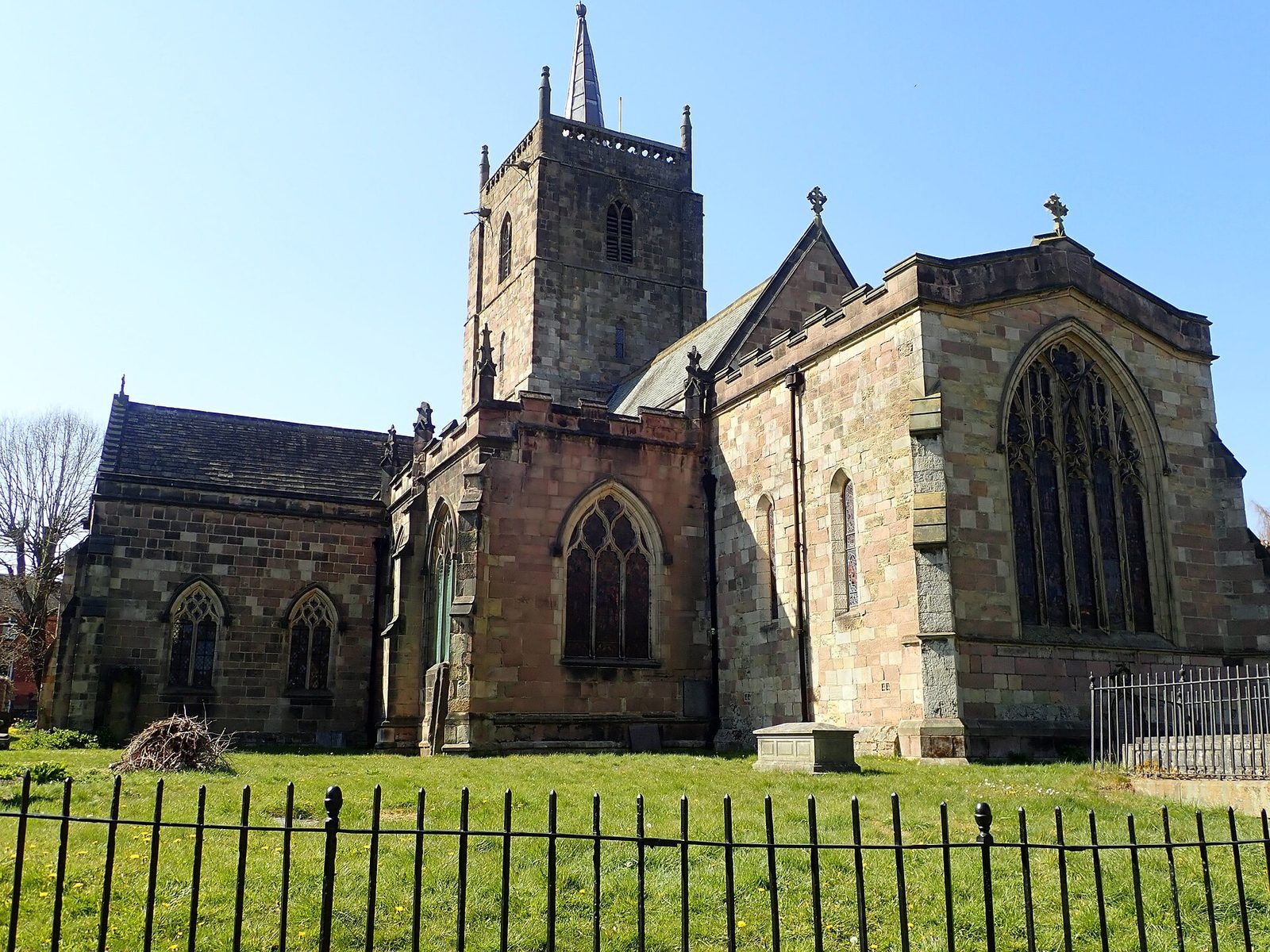
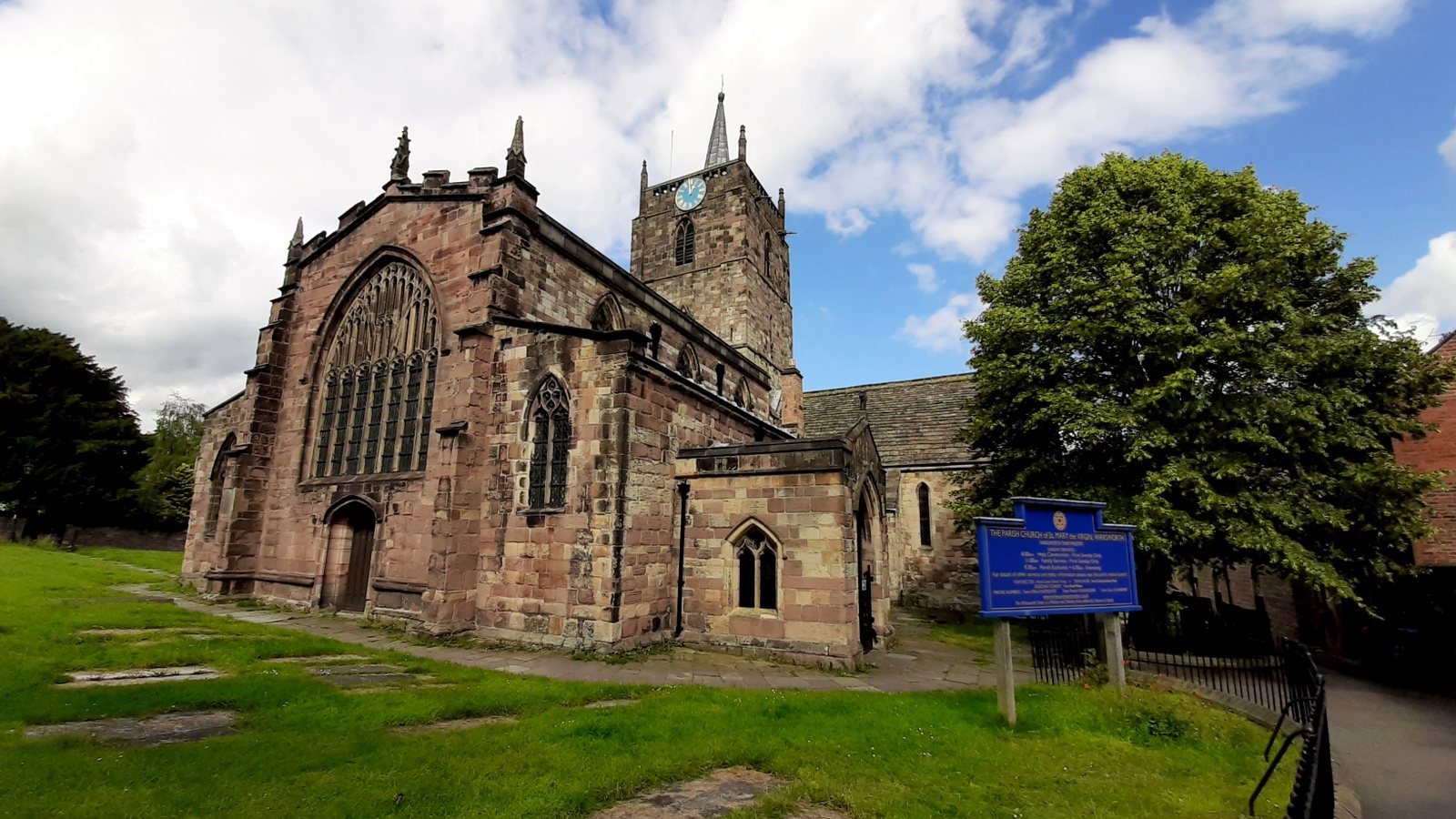
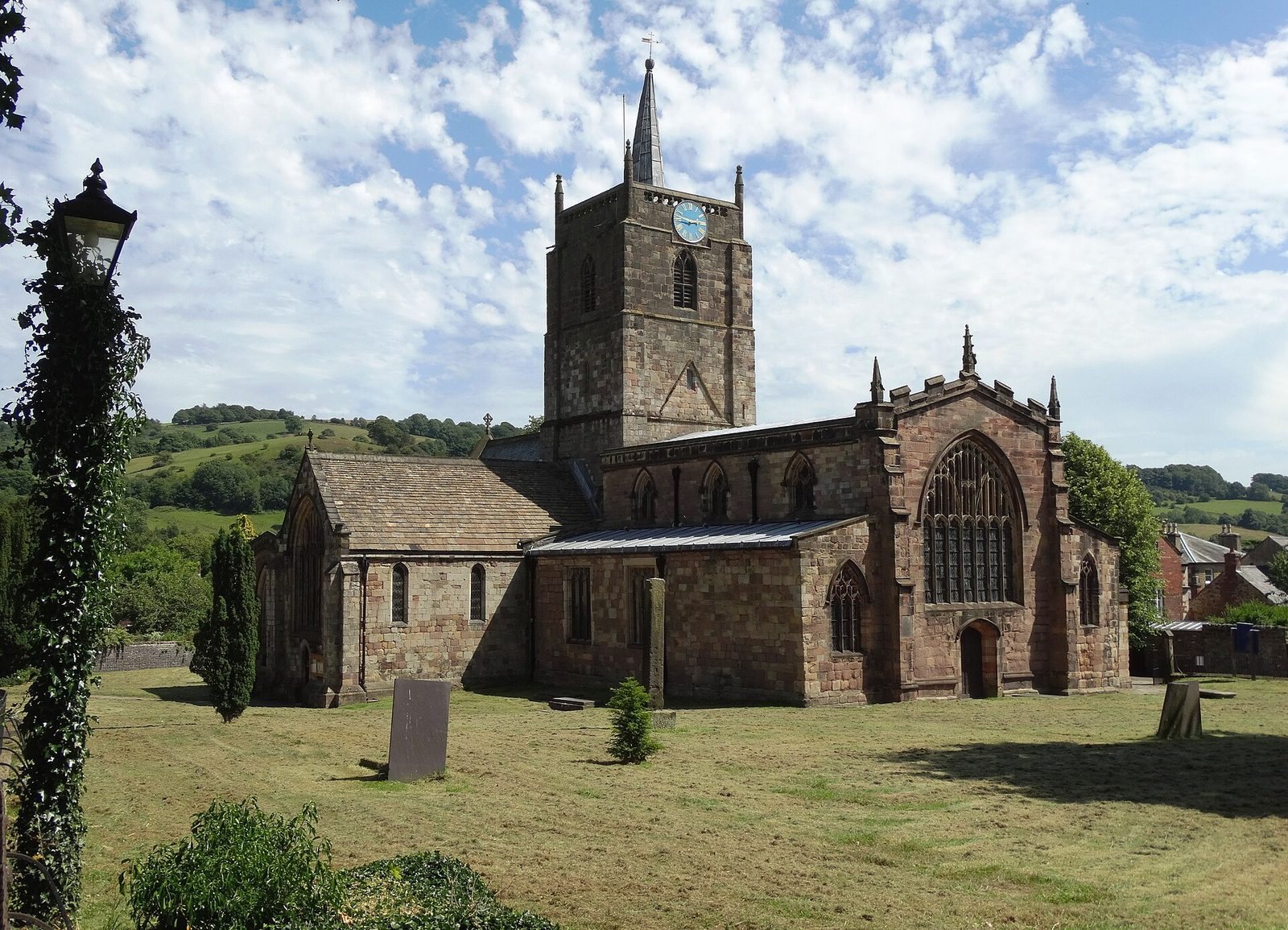
St Mary’s Church, Wirksworth, is a Church of England parish church in the United Kingdom, dedicated to St Mary the Virgin, a title for Mary, the mother of Jesus, reflecting the belief in her virginity. Anglo-Saxon remains, from England’s early medieval period, show that a church stood here by at least the eighth century. Most of the present building dates from the thirteenth to fifteenth centuries and is in Perpendicular Gothic, a late medieval English style marked by strong vertical lines. A carving of a lead miner associated with the church has been described as the oldest representation of a miner anywhere in the world.
Restoration and continuing parish life
The church was restored in 1820. During that work, a large Anglo-Saxon coffin lid was found beneath the floor near the sanctuary. A further restoration took place in 1870 under Sir Gilbert Scott, an English architect associated with the Gothic Revival. On 24 October 1950, the building was designated Grade I, England’s highest listed-building category, reserved for buildings of exceptional interest.
St Mary’s belongs to the Diocese of Derby and the Province of Canterbury, and its Broad Church tradition allows a relatively wide range of theological views. It continues the custom of clipping the church, a ceremony in which participants form a ring around it, often holding hands. The event takes place on the first Sunday after 8 September, following the Feast of the Nativity of the Blessed Virgin Mary, which commemorates her birth on 8 September. St Mary’s shares a joint parish with All Saints’ churches at Alderwasley, Bradbourne, Ballidon and Elton; St James’ churches at Bonsall, Brassington and Idridgehay; St Margaret’s Church at Carsington; and Holy Trinity churches at Kirk Ireton and Middleton-by-Wirksworth.
Remains
Building and carved stonework
Church plan
The church measures 142 feet long by 102 feet wide. Its layout includes a nave, the main body of the church; transepts, crosswise sections; a north aisle; and a chancel, the area around the altar. The nave roof was replaced in 2020 after leaks threatened the interior.
Anglo-Saxon coffin lid
The large carved coffin lid, thought to date from the second half of the seventh century, is mounted on the north wall of the nave. Its present position is separate from the place beneath the chancel floor where it was found in 1820.
Carved fragments
Carvings from the early medieval and medieval periods are arranged on the transept walls. Many are fragments of larger works. They include parts of early medieval stone crosses, medieval grave slabs, figures of a wise man and a shepherd, and the face of a bearded man.
T’owd Man
The stone carving known as T’owd Man depicts a lead miner. It was moved from Bonsall church to St Mary’s in 1863 for safekeeping and remains here. Parishioners at Bonsall had a replica made for their church.
Tombs and memorials
Gell family tombs
The Gell family tombs are in the north aisle. Sir Anthony Gell’s tomb includes a statue of him. Beside it is the simpler tomb of his father, Sir Ralph Gell. Sir Anthony Gell was a sixteenth-century Derbyshire landowner and benefactor.
Sir Anthony Lowe’s tomb
The chancel contains the tomb of Sir Anthony Lowe, who died in 1555. He was a Gentleman of the Bedchamber, an officer who attended the monarch, serving Henry VII, Henry VIII, Edward VI and Mary I, successive English monarchs of the Tudor period.
Other memorials
A church memorial commemorates Abraham Bennet, inventor of a gold-leaf electroscope, a device for detecting electrical charge, and developer of an improved magnetometer, an instrument for measuring magnetic fields. In the churchyard is the tomb of Matthew Peat of Alderwasley, who died on 11 December 1751. The age attributed to him, 109 years and 10 months, is given as an allegation.
Organ
Successive instruments
Thomas Elliot installed an organ in 1826. It had two keyboards and cost £400, paid for by subscriptions. First placed in the tower, it was moved to the nave in 1853. In 1899, Brindley & Foster installed a pipe organ in the north transept with three keyboards and 26 speaking stops, each controlling a set of sounding pipes. Its tubular pneumatic action transmitted key movements using air pressure. Kingsgate Davidson rebuilt it with electric action in 1955. A three-keyboard Makin electronic digital organ, with 48 speaking stops, replaced it in 1987.