John Knox House: A Historic House on Edinburgh’s High Street
Site at a Glance
- Rating
- 4.3
- Popularity
- Medium
- Country
- United Kingdom
- Primary era
- Medieval
- Eras represented
- Medieval, Early Modern
- Civilizations
- Kingdom of Scotland
- Site type
- Domestic
- Remains
- House
On this page7 sections
History
Fifteenth-century origins and the Mosman family
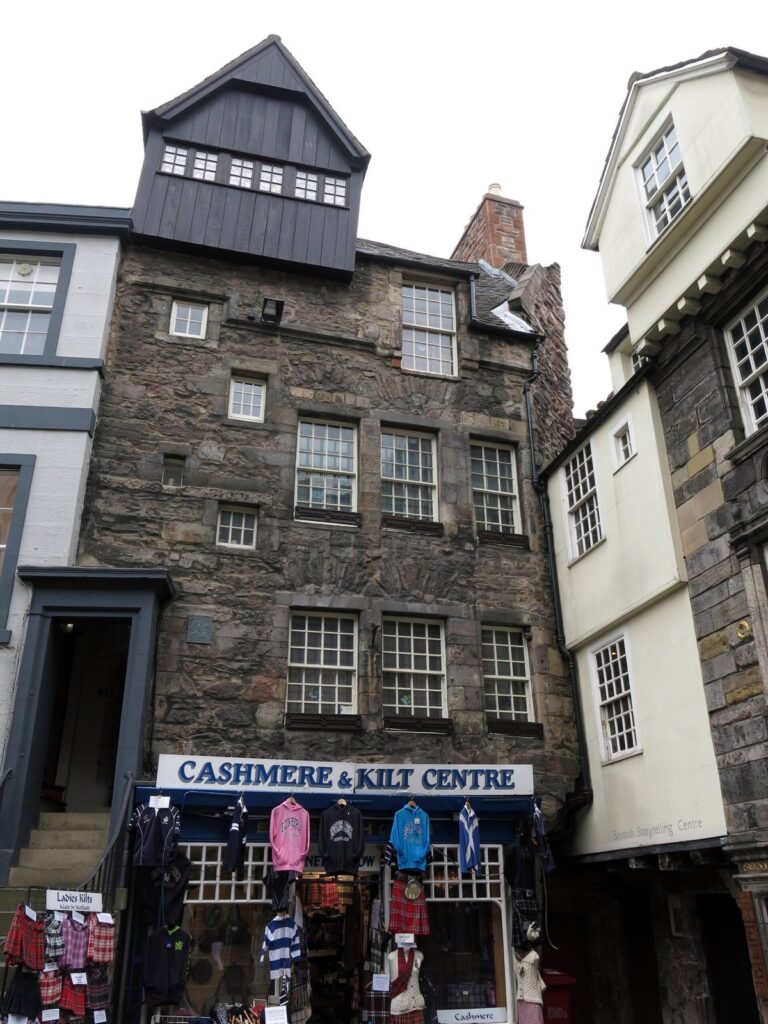
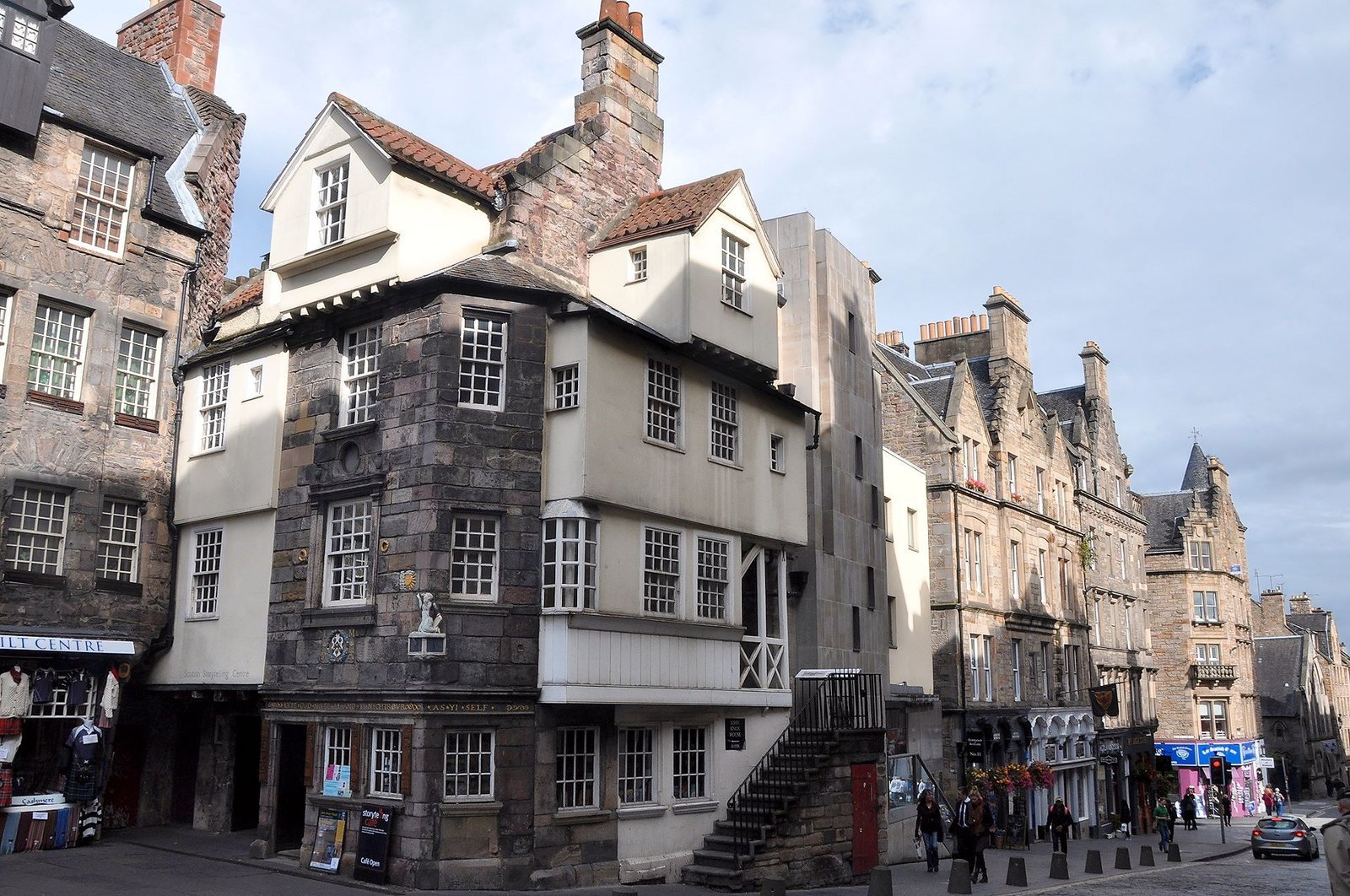
John Knox House is a late-medieval house on Edinburgh’s High Street in the United Kingdom, built during the second half of the 15th century. Its history is closely associated with goldsmith James Mosman, while the later claim that John Knox lived there remains unverified.
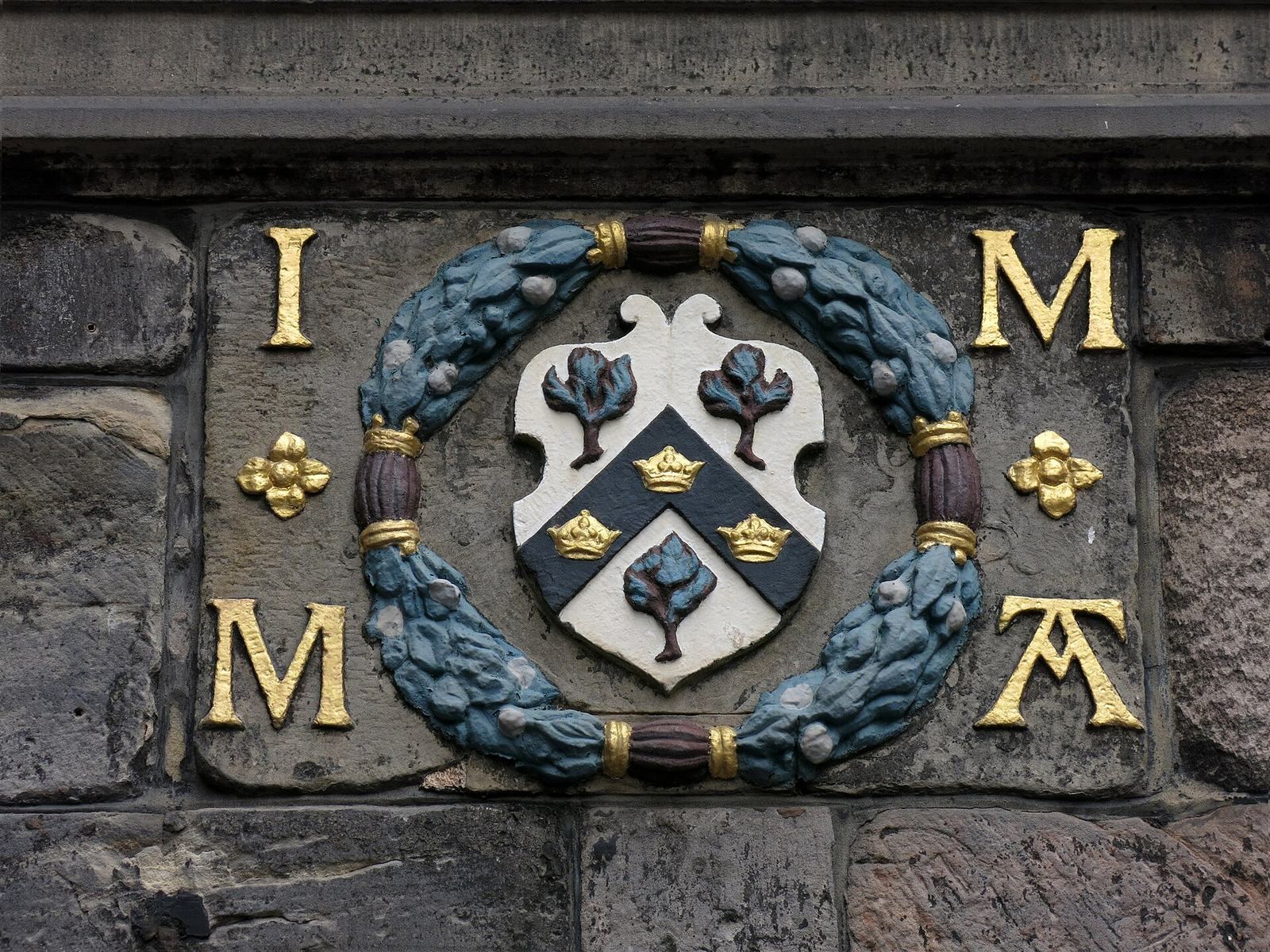
The house belonged to Walter Reidpath. His grandson, John Arres, inherited it and left it to his daughter Mariota in 1556. Mariota married James Mosman. John Mosman, a goldsmith identified as James Mosman’s father-in-law, had refashioned the Crown of Scotland for James V.
Mary, Queen of Scots, and the Lang Siege
In 1567, while Mary, Queen of Scots, Scotland’s Catholic monarch, was imprisoned at Lochleven Castle, Mosman worked on one of her jewels. He remained loyal to Mary during her exile in England.
During the Lang Siege, the prolonged siege of Edinburgh Castle amid the conflict over Mary, Mosman and fellow goldsmith James Cockie made coins for her supporters, who held the castle. They also valued the jewels of Mary kept there so they could be used as security for loans. After the castle surrendered in August 1573, Mosman was charged with counterfeiting and executed by hanging, quartering, and beheading. The house was forfeited for treason and granted in the name of James VI, king of Scotland and later James I of England, to James Carmichael the younger.
The Knox tradition and preservation
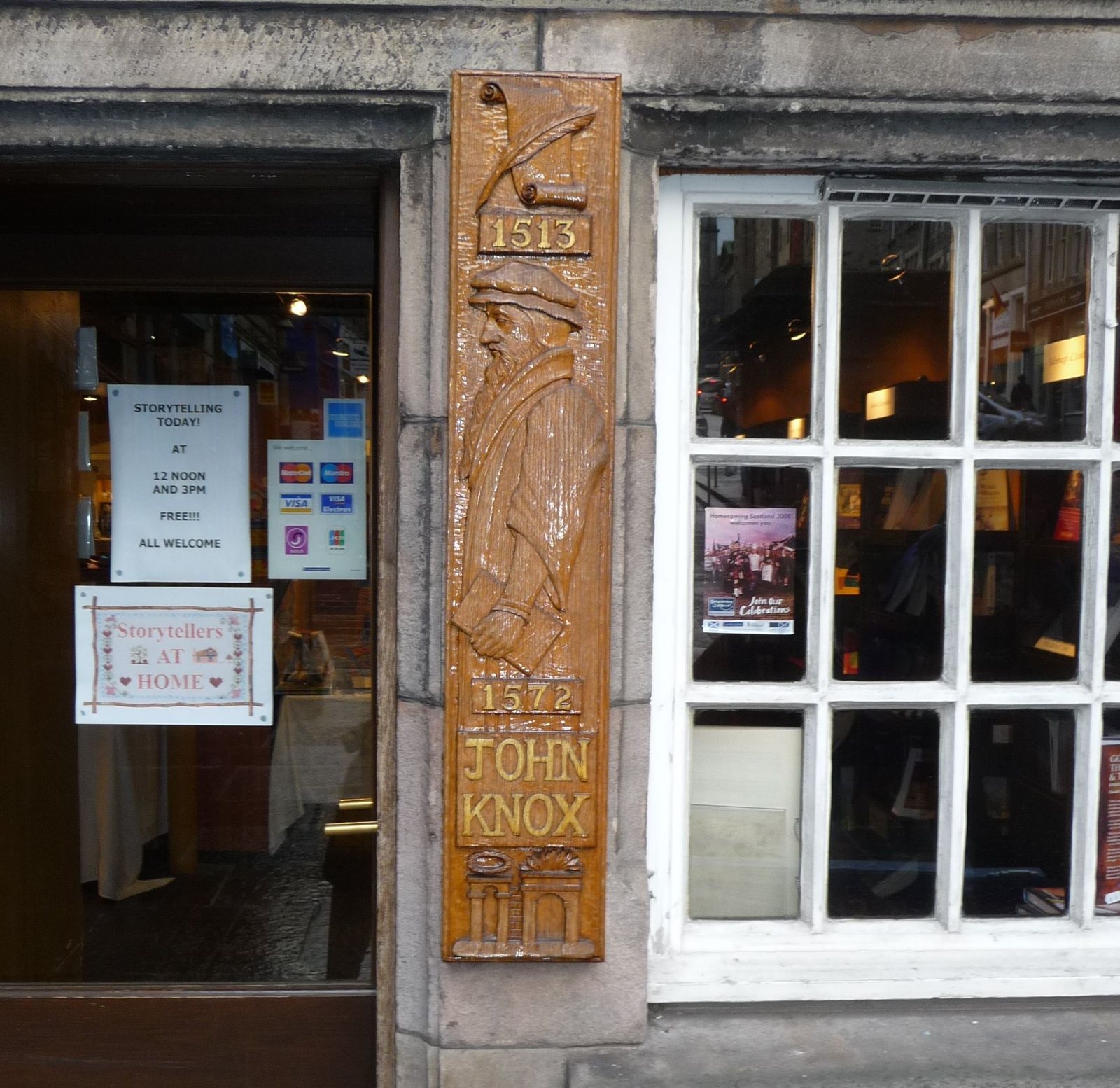
A tradition connecting the house with John Knox, a leading Scottish Protestant reformer of the 16th century, says that he stayed there for a few months during the siege and was believed to have died in the house. The association was recorded around 1800 and became more widely accepted from the mid-19th century, after writers Robert Chambers and Sir Daniel Wilson repeated it. Knox appears to have lodged for longer at Warriston Close in the 1560s; a plaque marks the approximate site. Moubray House, adjoining John Knox House on the west, belonged to Robert Moubray, who also owned the house at Warriston Close. John Knox House’s age and prominence made it a plausible candidate, but do not establish that Knox lived there.
After the 1843 Disruption, a major split in the Church of Scotland that led to the formation of the Free Church, the new church acquired the house. This may have strengthened its association with Knox. The Town Council condemned the building for demolition in 1849, but Henry Cockburn, Lord Cockburn, helped save it. The house became a Category A listed building in 1970, Scotland’s highest listed-building category for buildings of national or international importance. It is now owned by the Church of Scotland, administered as part of the adjacent Scottish Storytelling Centre, and houses a small museum of Scottish Protestantism.
Remains
The house
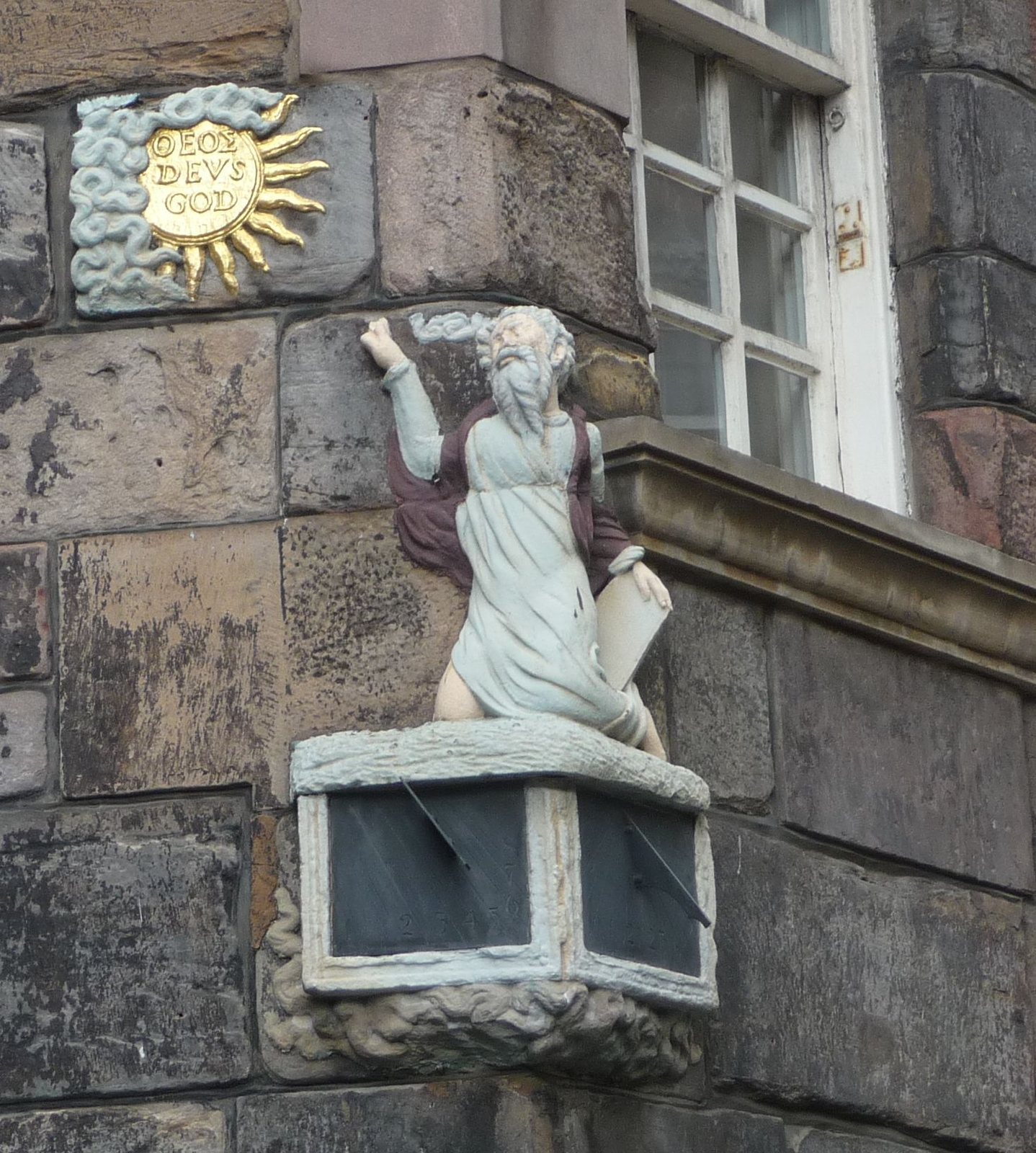
The late-15th-century house stands on Edinburgh’s High Street. Its features include a wooden gallery and hand-painted ceilings in the Scottish Renaissance style, a group of Renaissance-era architectural and decorative forms in Scotland. Stone carvings commissioned by James Mosman and Mariota Arres decorate the street-facing façades. They depict Moses, the biblical prophet and lawgiver, on Mount Sinai and bear the motto, “Love God above all and your neighbour as yourself.” Other decorations and paintings were added over the following centuries. The street-front carvings were uncovered behind woodwork in 1849 and restored in 1850 by Scottish sculptor Alexander Handyside Ritchie.
Fountain Well
Fountain Well, also known as Netherbow or Canmore, is a street well immediately outside the house. Built in 1675, it supplied drinking water to local residents and is one of the last surviving public cisterns. Scottish architect Sir William Bruce designed it, and the King’s Master Mason, Robert Mylne, built it. The well has been rebuilt several times, most recently in 1997.