Stow Minster: A Historic Parish Church in the United Kingdom
Site at a Glance
- Rating
- 4.8
- Popularity
- Medium
- Country
- United Kingdom
- Primary era
- Medieval
- Eras represented
- Medieval, Modern
- Civilizations
- Anglo-Saxon, British, English, Norman
- Site type
- Religious
- Remains
- Cathedral
On this page13 sections
History
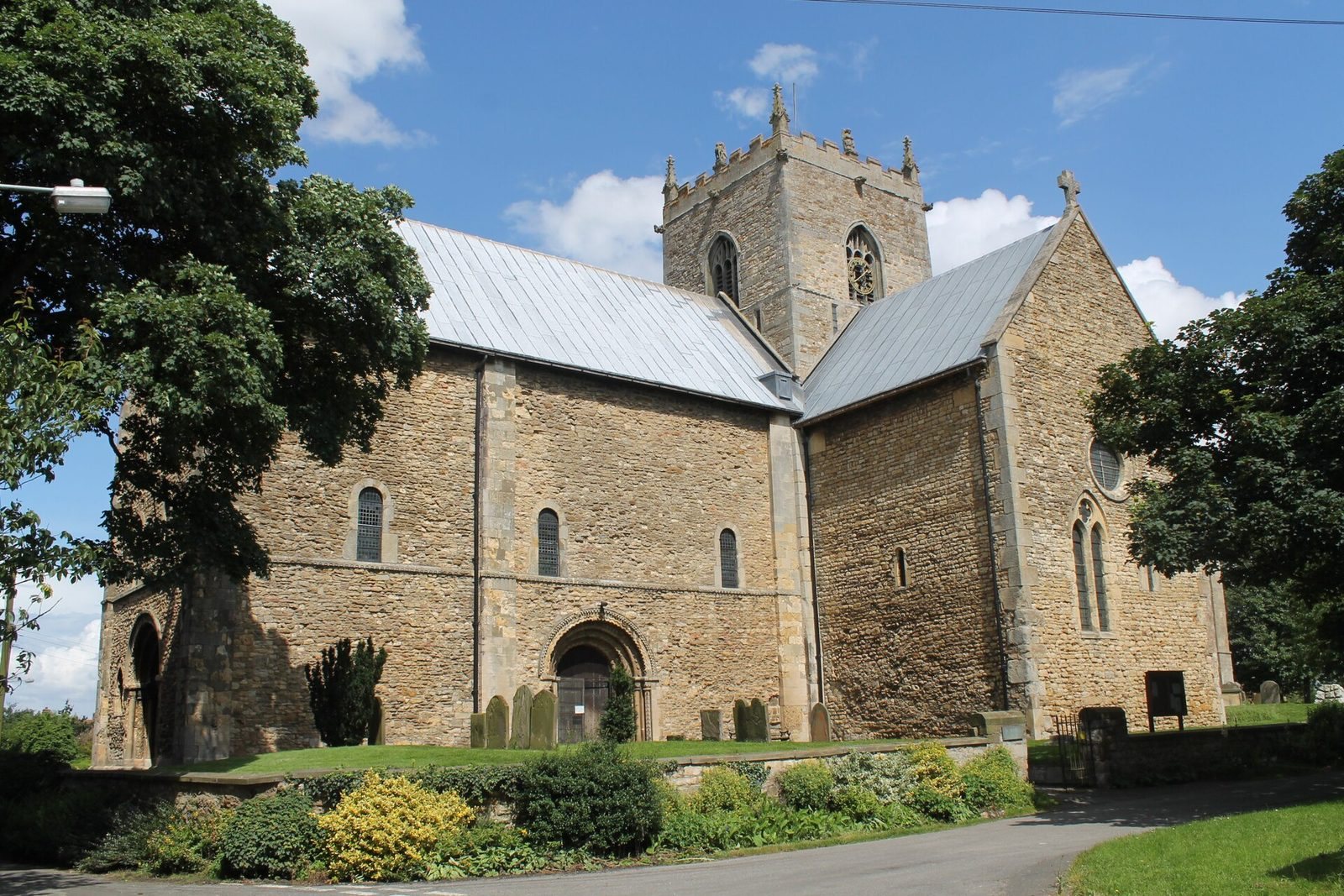
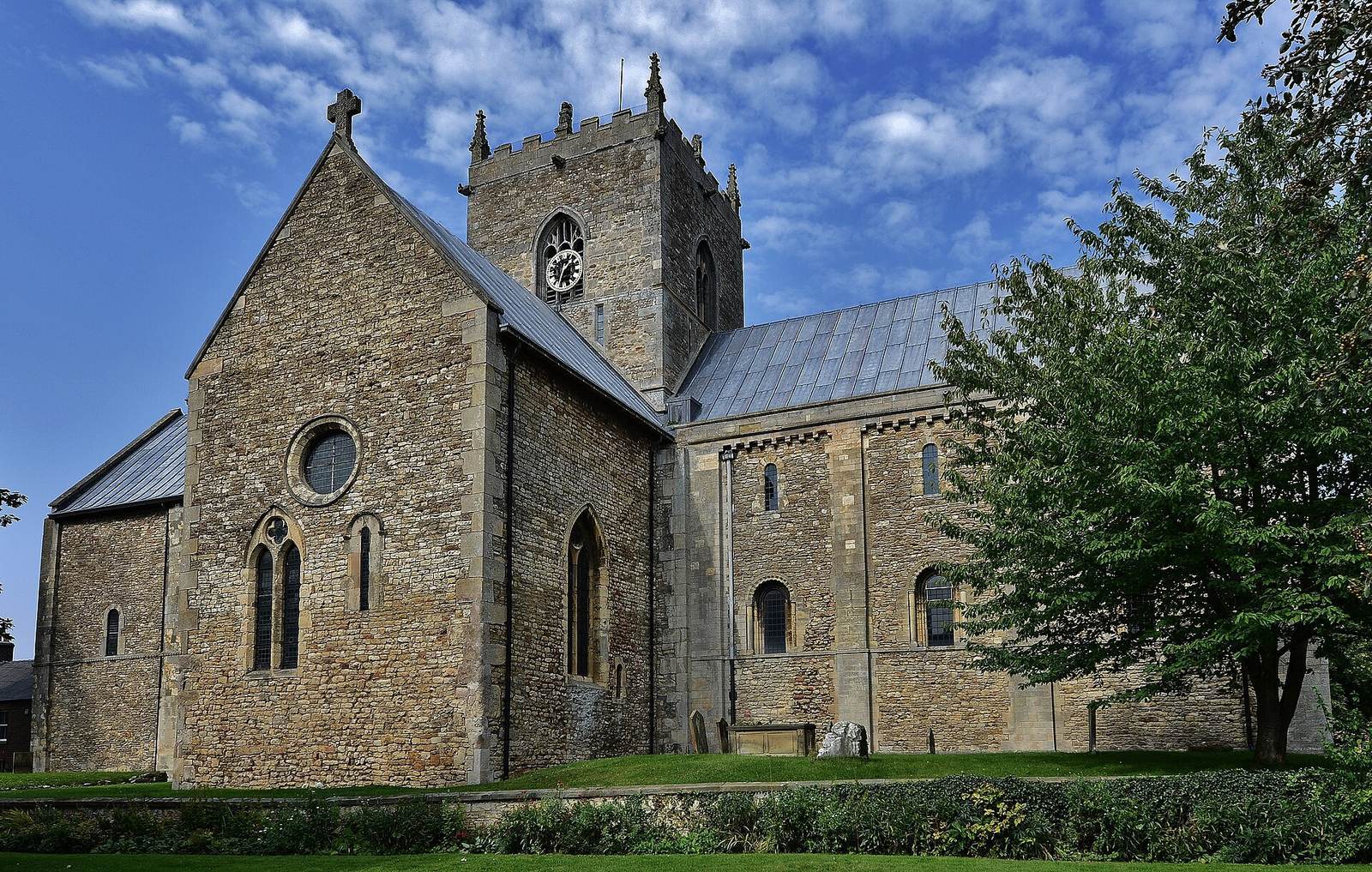
Stow Minster is a parish church in the United Kingdom, with surviving fabric from the Anglo-Saxon and Norman periods. A church stood at Stow before 870, when Danes burned it. Its history reflects successive attempts to establish the church as a religious centre, and it is among England’s earliest and largest parish church buildings.
Early church and the Diocese of Lindsey
The early history is uncertain. The chronicler Ralph de Diceto credited the founding of a minster, a church serving a wider religious district, to Elnothus Lincolniensis, almost certainly Aelfnoth, Bishop of Dorchester around 975. The minster may have stood on the site of an earlier wooden Anglo-Saxon church. Another tradition holds that the church remained ruined after the Danish attack until an abbey was established in 1040, reportedly by Bishop Eadnoth II.
Stow has been identified as the original cathedral church of the Diocese of Lindsey, the bishop’s district within an Anglo-Saxon kingdom and historic region. It is described as a second cathedral because some of the bishop’s priests lived there and administered that part of the diocese; those clergy later joined the chapter, or body of clergy, at Lincoln Cathedral. The tradition that Stow was the “Mother Church of Lincolnshire” is linked to this period.
The location of Sidnacester, the bishop’s official seat also known as Syddensis, is unresolved. Caistor, Louth, Horncastle, Stow and Lincoln have all been proposed, with Stow often favoured.
Collegiate minster and abbey
Around 1054, Earl Leofric and his wife Godiva refounded and endowed the church at the urging of Bishop Wulfwig of Dorchester. It became a collegiate minster, served by a body of secular canons, clergy who did not belong to a monastic order, under the bishop.
In 1091, Remigius of Fécamp refounded the institution as a Benedictine abbey, a monastery governed by an abbot and following the Benedictine religious rule. He brought monks from Eynsham Abbey to Stow. The church was then described as long deserted and ruined. Within five years, Remigius’s successor had sent the monks back to Eynsham, and St Mary’s became a parish church.
Parish church and later status
The church was formerly Roman Catholic and is now Anglican, within the Diocese of Lincoln and the Stow Group of Churches. It is Grade I listed, a category for buildings of exceptional architectural or historic interest in England. The archaeological site is a scheduled monument, a nationally protected archaeological site, although the church building is excluded from that designation. In 2006, the World Monuments Fund, an international heritage-preservation nonprofit, included the church among the world’s 100 most endangered sites. It is also on Historic England’s Heritage at Risk Register, which identifies heritage assets considered at risk.
Remains
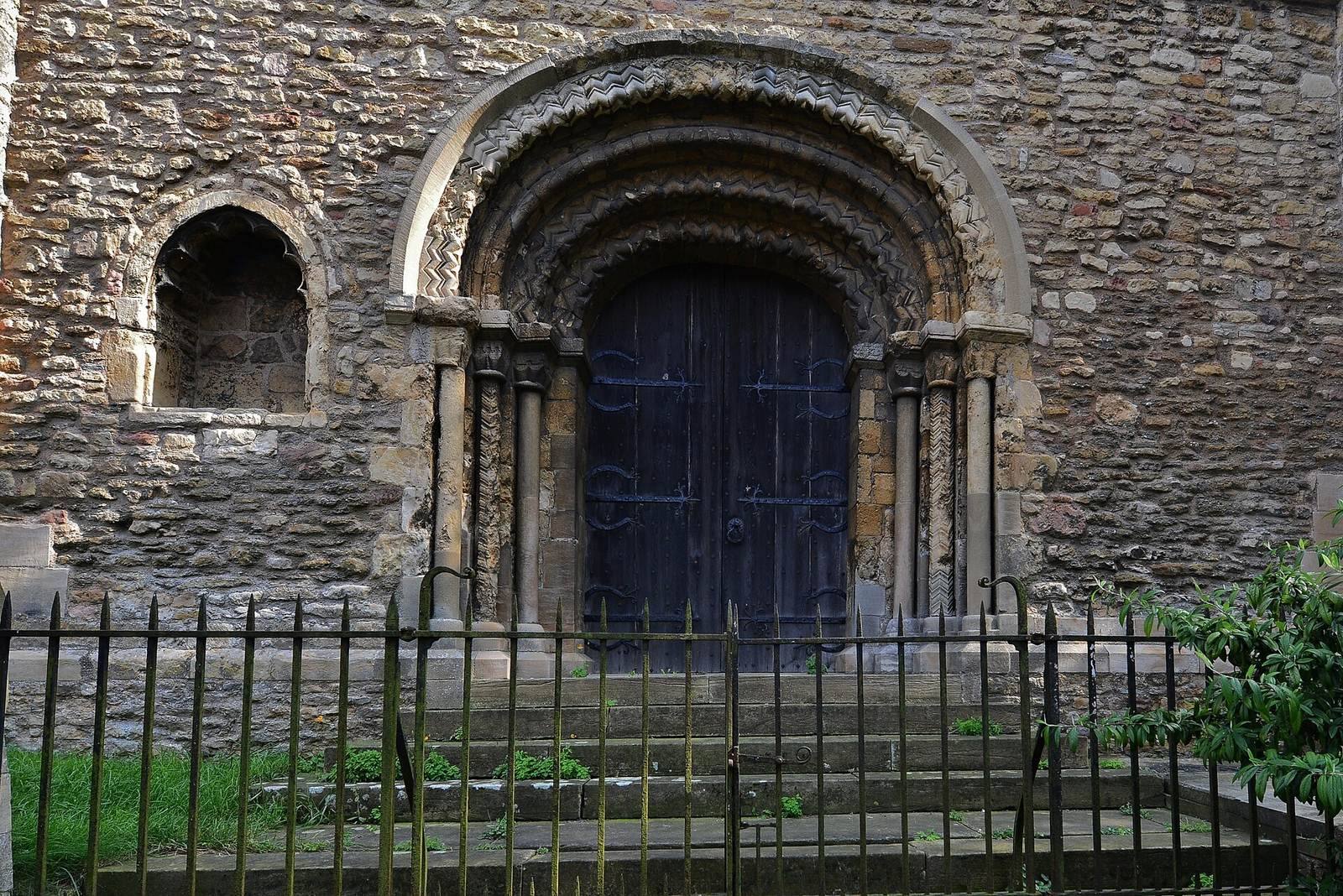
The surviving remains include the church, whose fabric belongs partly to the Anglo-Saxon and Norman periods, and the earthworks of a medieval bishops’ palace about a mile west of the village. The church contains notable arches, a carved ship image, a font and an early wall painting.
The church building
Anglo-Saxon fabric and arches
Stow Minster is among England’s earliest and largest parish church buildings. Its Anglo-Saxon arches are described as higher than any others of their period in Britain.
Viking ship carving
A rough scratched image of an oared Viking sailing ship, probably from the tenth century, is regarded as England’s earliest known Viking graffito.
Baptismal font
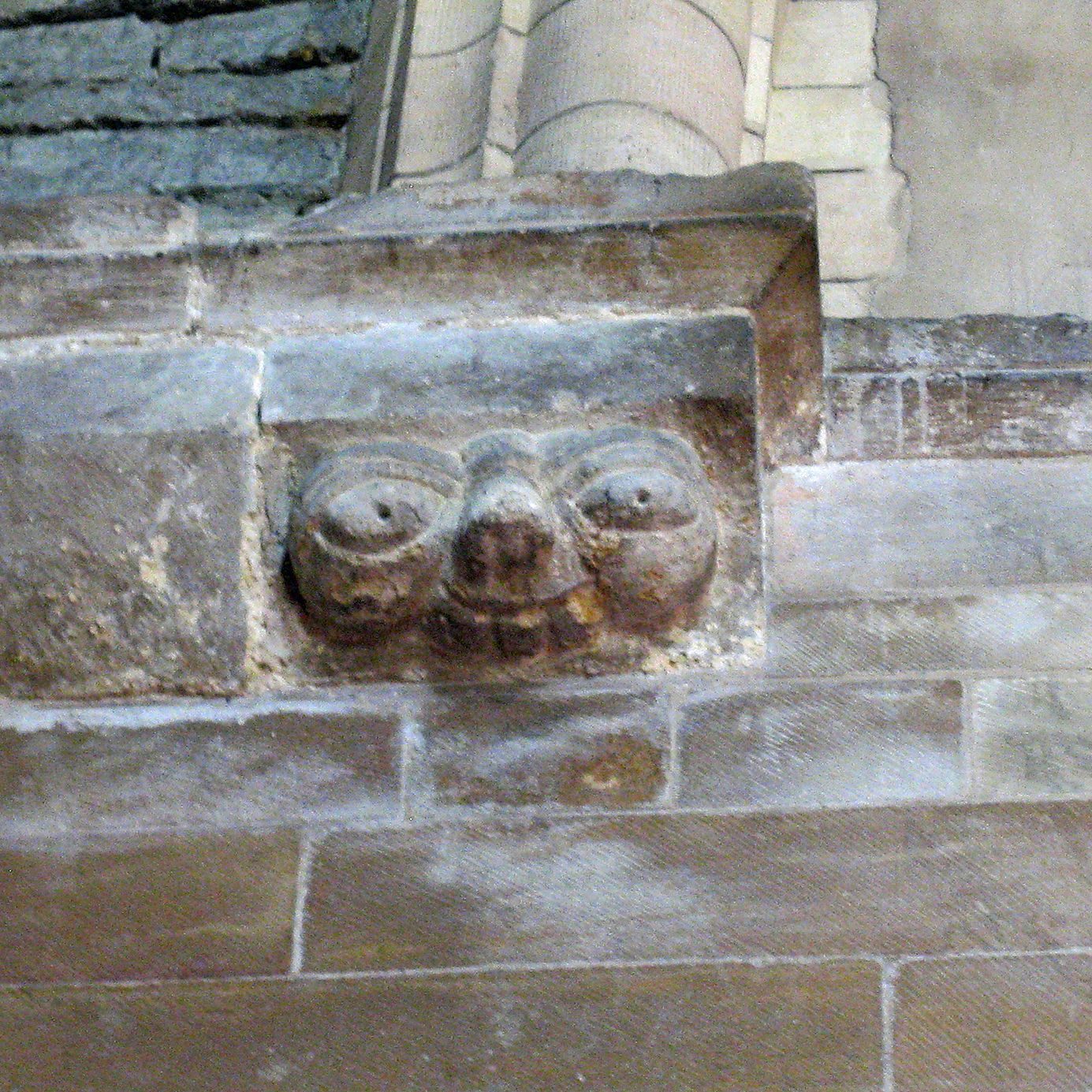
The Early English Gothic font, from an early phase of English Gothic architecture, rests on nine supports. Pagan symbols around its base include a Green Man, a face or figure associated with foliage.
Wall painting of Thomas Becket
An early wall painting dedicated to Thomas Becket depicts his murder. Becket was Archbishop of Canterbury and was killed in 1170.
Victorian alterations
In 1865, an exterior stair turret was built to replace a staircase inside the church, in the nave beside the north side of the tower arch. Some windows were altered and the church was re-roofed at the same time.
Vestry discoveries
A new vestry added in the early 1990s led to the discovery of skeletons and a broken limestone cross dating to the thirteenth century.
The bishops’ palace
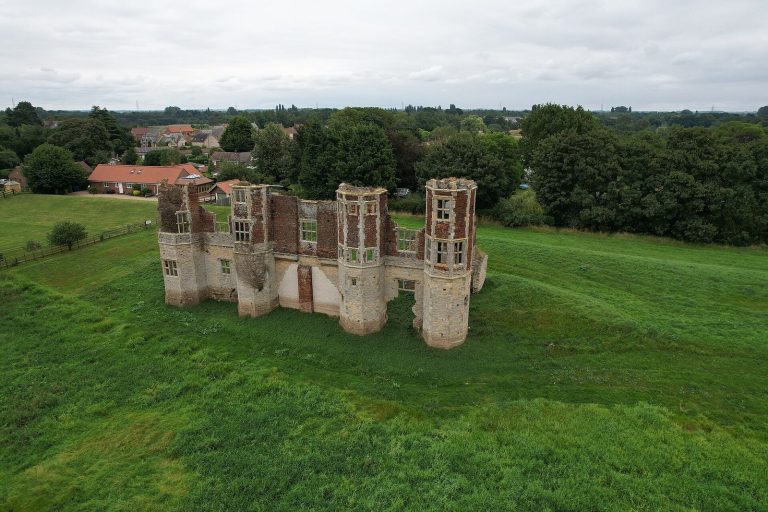
The medieval palace of the bishops of Lincoln was built in 1336 about a mile west of the village, just south of Tillbridge Lane, the Roman road from Lincoln to York. Its visible remains include the moat earthworks and the ground traces of associated medieval fishponds to the north and east of the palace site.