Browsholme Hall: A Tudor House in Lancashire
Site at a Glance
- Rating
- 4.8
- Popularity
- Medium
- Country
- United Kingdom
- Primary era
- Early Modern
- Eras represented
- Medieval, Early Modern, Modern
- Civilizations
- British, English
- Site type
- Domestic
- Remains
- Manor House
On this page11 sections
History
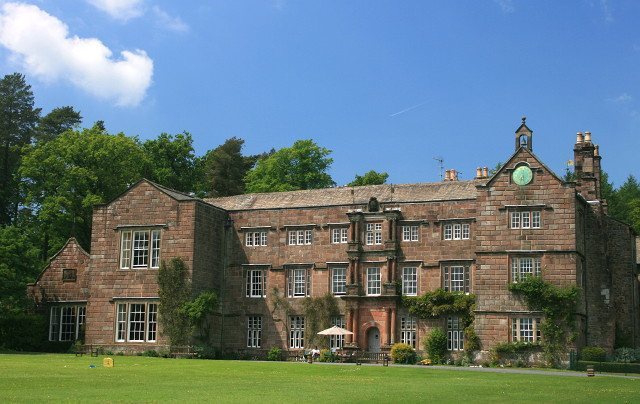
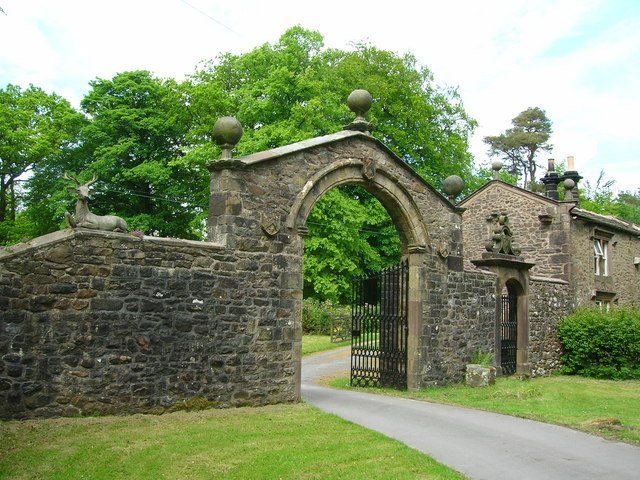
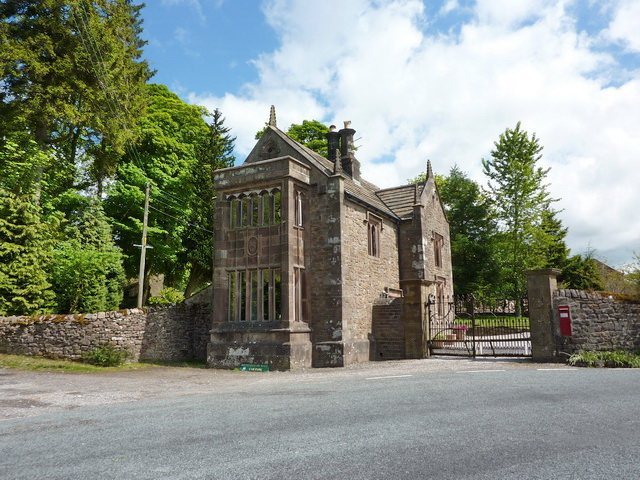
Browsholme Hall is a privately owned Tudor house in the parish of Bowland Forest Low, Lancashire, United Kingdom. The present house was begun in 1507, and the estate is claimed to be Lancashire’s oldest surviving family home.
Medieval beginnings
In the fourteenth century, Edmund Parker was keeper of Radholme Laund, one of the Forest of Bowland’s two major deer parks, west of Browsholme. His sons Richard and John leased the medieval cattle farm at Browsholme from 1380 and were deputy park-keepers by 1393, serving under the park’s authority. Richard probably built the first house on the present site around this time.
Tudor and Stuart development
In 1507, Henry VII removed Bowland from the legal status of a royal forest. That year, an Edmund Parker obtained copyhold of Nether Browsholme, a form of land tenure held under a manor, and began building the present house. Thomas Parker bought the property’s freehold from the Crown in 1603, gaining a more complete form of ownership, and improved the house, which his father had enlarged. Thomas’s grandson, also named Thomas, is believed to have added a formal garden in 1674.
From the Restoration of the English monarchy in 1660, the Parker family held the Forest of Bowland’s Bowbearer office. A Bowbearer was a forest officer associated with overseeing the forest and its game. The office fell into abeyance in the late nineteenth century.
Eighteenth-century inheritance
John Parker (1695–1754) inherited Browsholme and its estates in 1728, when they were valued at £500 a year. He moved to the hall with his wife, Elizabeth Southouse, and their daughter, also named Elizabeth. After her mother died young, the daughter managed the household from the 1740s and recorded aspects of her life. Her brother Edward later inherited the estate and passed it to his son John Parker, a Member of Parliament.
Later ownership and preservation
When John Parker died in 1797, his son Thomas Lister Parker succeeded him. Thomas altered the hall and invested heavily in its grounds, but eventually became bankrupt and transferred the estate to a cousin. The hall has been a Grade I listed building since 1954.
Robert Goulbourne Parker, son of John William Robinson Parker, repaired the hall in 1958. In 2010, the 16th Lord of Bowland, holder of the historic lordship associated with the Forest of Bowland, reasserted his right to appoint a Bowbearer and named Robert Redmayne Parker. It was the first appointment of a Parker to the office in more than 150 years.
Remains
The estate includes the Tudor hall, a formal garden, landscaped grounds and an associated seventeenth-century tithe barn. Together, these features reflect successive changes to the house and its surrounding estate.
Buildings, grounds and collections
The hall
Thomas Lister Parker rebuilt the hall’s west wing in 1804–05 and later commissioned further additions under the supervision of architect Sir Jeffry Wyatville. These works altered the Tudor house during the early nineteenth century.
Garden and landscaped grounds
The formal garden is believed to have been added in 1674. Thomas Lister Parker also undertook extensive landscaping between 1797 and 1810. The grounds today include formal and landscaped areas.
Tithe barn
The associated tithe barn dates to the seventeenth century. Its restoration in 2010 adapted it for use as an event space.
Collection displayed in the hall
Thomas Lister Parker displayed antiquities and pictures at the house. His collection included drawings and prints acquired during a continental tour in 1800–01, with material from Moscow, Venice and Paris. It also contained drawings of castles and manor houses by John Chessell Buckler, Parker’s own drawings, paintings from the Flemish school, and works by James Northcote and Thomas Gainsborough.