Tivoli City Park: Ljubljana’s Historic Urban Park
Site at a Glance
- Rating
- 4.7
- Popularity
- Very High
- Country
- Slovenia
- Primary era
- Modern
- Eras represented
- Early Modern, Modern
- Civilizations
- Austria-Hungary, Austrian Empire, French, Habsburg, Habsburg Austria, Holy Roman Empire, Italian
- Site type
- Civic
- Remains
- Park
On this page19 sections
History
Founding and nineteenth-century development
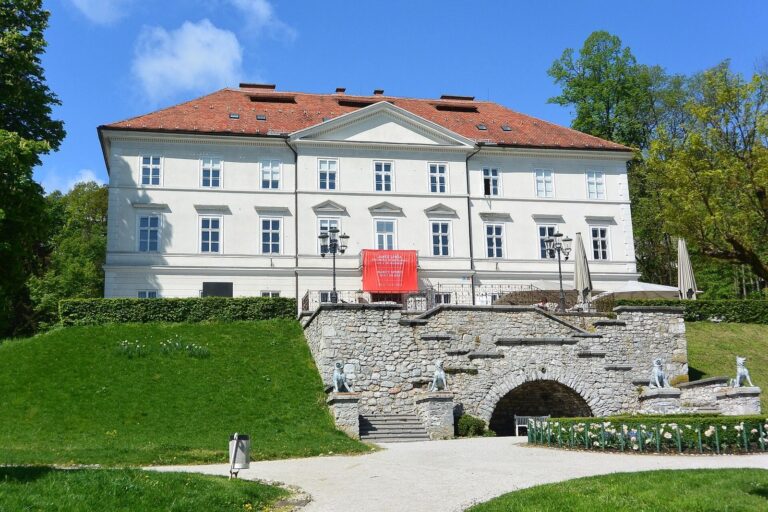
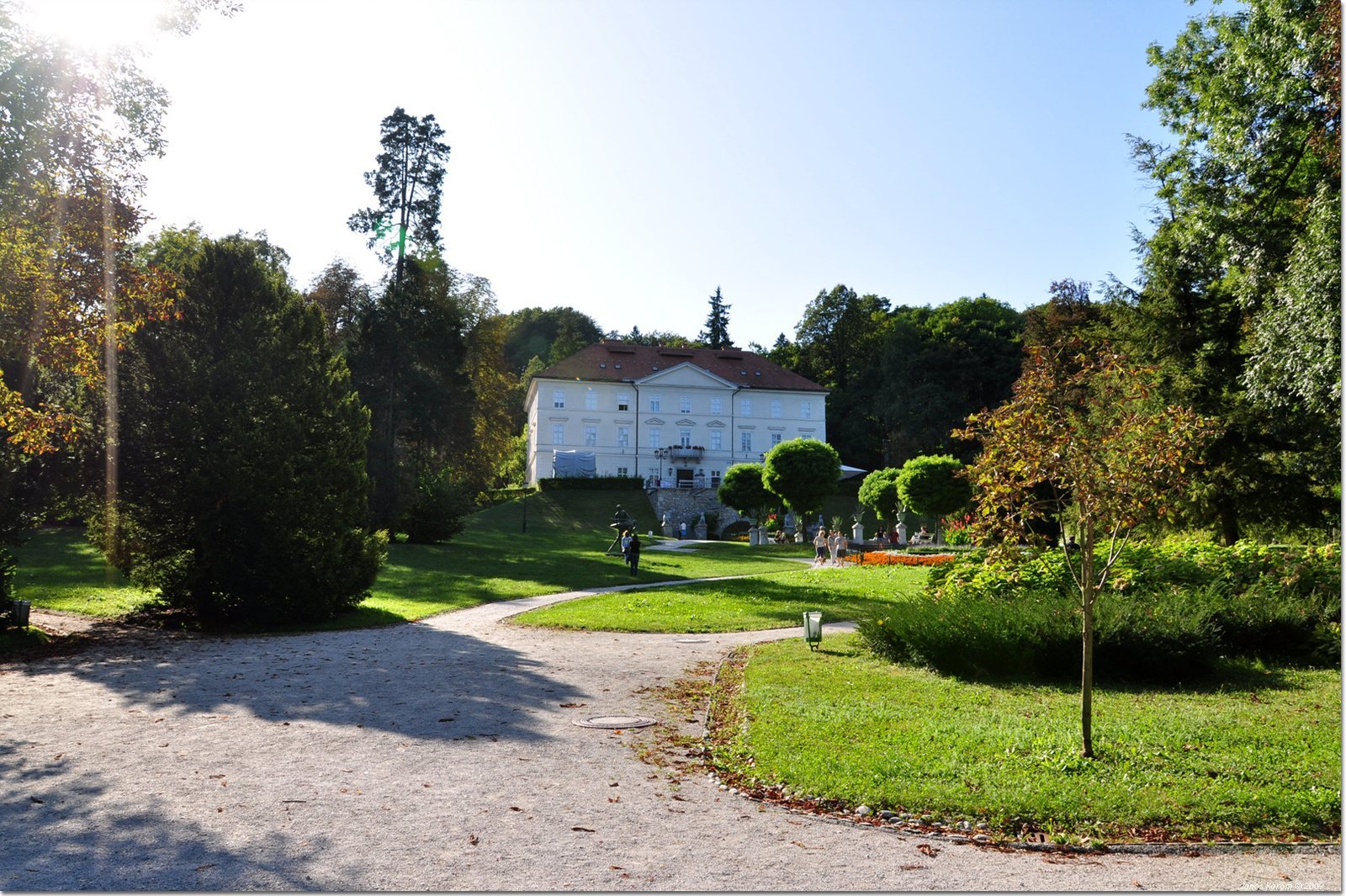
Tivoli City Park is an urban park in Ljubljana, Slovenia, laid out in 1813 by French engineer Jean Blanchard, when the city was the capital of the French-ruled Illyrian Provinces. Blanchard’s plan joined existing parks around Tivoli Castle and Cekin Mansion and connected them with the city center. The castle was then known as Podturn Manor.
Tivoli Castle had been built in the seventeenth century over the remains of an earlier Renaissance-period castle and initially belonged to the Jesuits, a Catholic religious order. Austrian field marshal Joseph Radetzky renovated it in the mid-nineteenth century, giving it its present appearance. The park acquired its Tivoli name in the second half of that century, from the Casino Society’s summer residence, which opened beside Podturn Manor in 1835. The grounds included an amusement park, a pub, and a café.
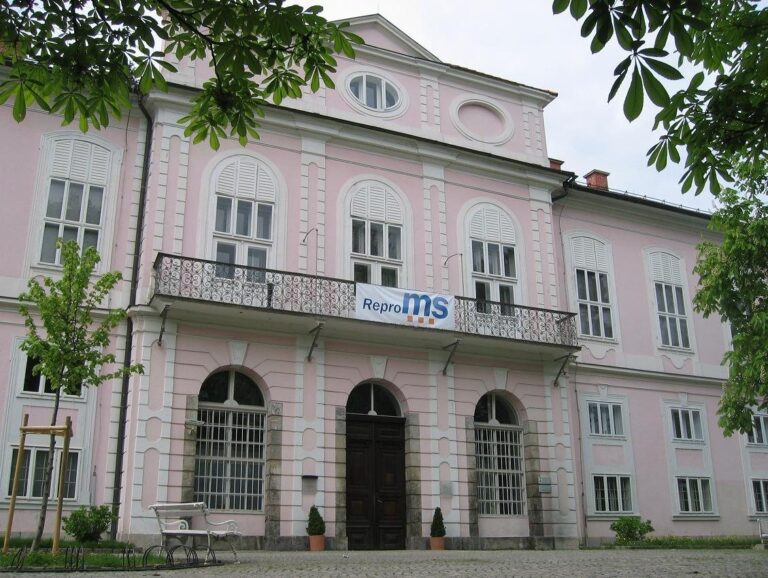
Cekin Mansion was commissioned by Leopold Lamberg and built in 1720 to plans by Viennese Baroque architect Fischer von Erlach. Since 1951, it has housed the Museum of Contemporary History of Slovenia. In 1894, the city municipality established a tree nursery in the park. Its manager, Czech gardener Vaclav Hejnic, was Tivoli’s first professional gardener and arranged parts of the grounds during the 1920s.
Redesign and wartime changes
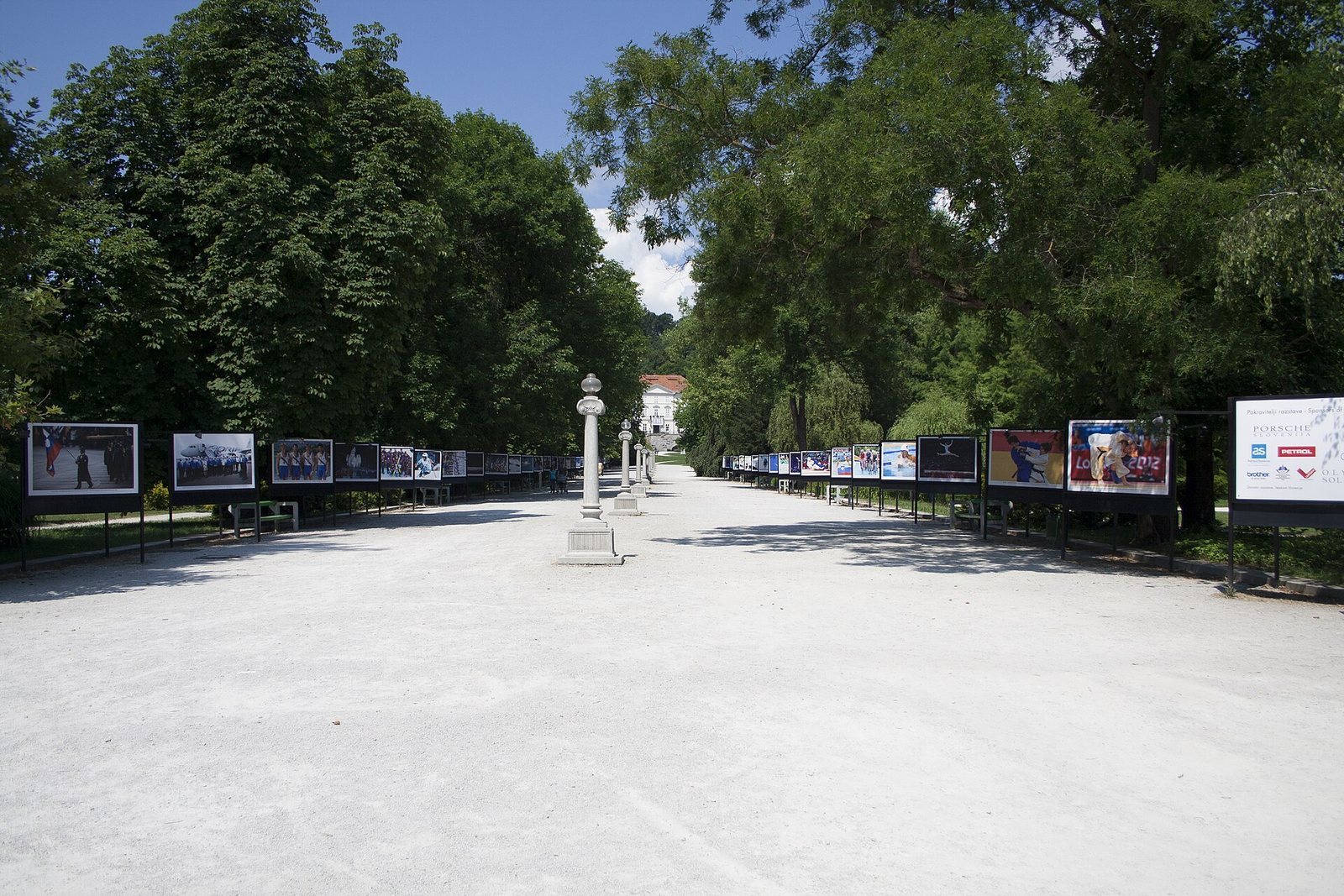
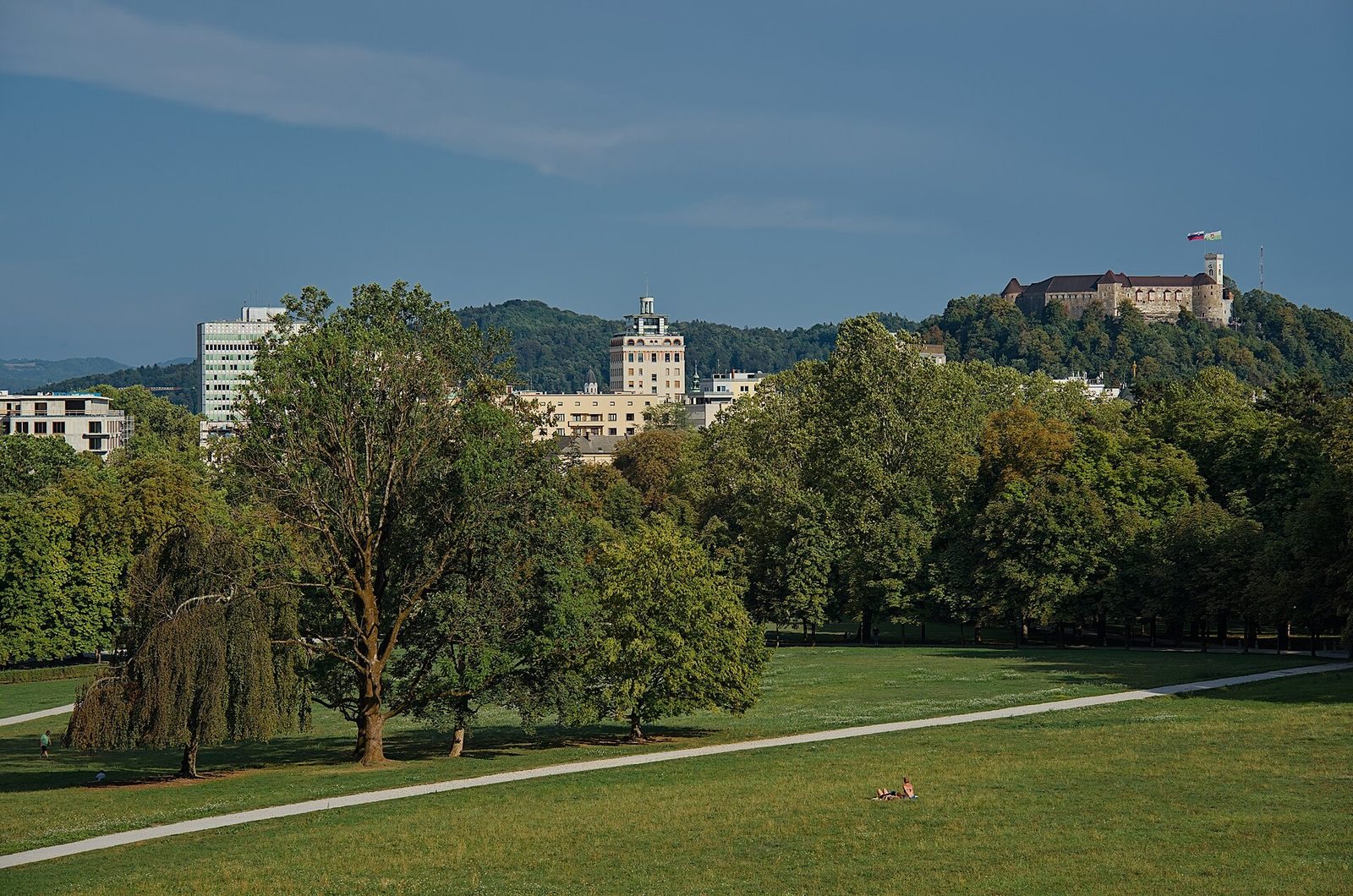
During the 1920s, Slovenian architect Jože Plečnik renovated the park and designed the Jakopič Promenade. The promenade formed part of a visual axis running from Tivoli Castle through Cankar Street and Čop Street to Prešeren Square, crossing the Triple Bridge and ending at Ljubljana Castle.
From February 1941 to July 1943, while Ljubljana was annexed to Italy, architect Boris Kobe’s plans guided changes to the area near the pond. The work included Children’s Paradise, a playground completed with financial assistance from Emilio Grazioli, the first High Commissioner of the Province of Ljubljana. It opened on 11 July 1943 at a ceremony attended by Ljubljana residents, Mayor Leon Rupnik, High Commissioner Giuseppe Lombrassa, and Ljubljana Archbishop Gregorij Rožman, who blessed the playground.
The opening took place during the cultural silence, a boycott of cultural activities associated with the annexation and ordered by the Slovene Liberation Front, a resistance movement. Vladimir Krivic, a Communist Party secretary and official of the Ljubljana Liberation Front, called the event a scandal for the movement.
Later uses and public art
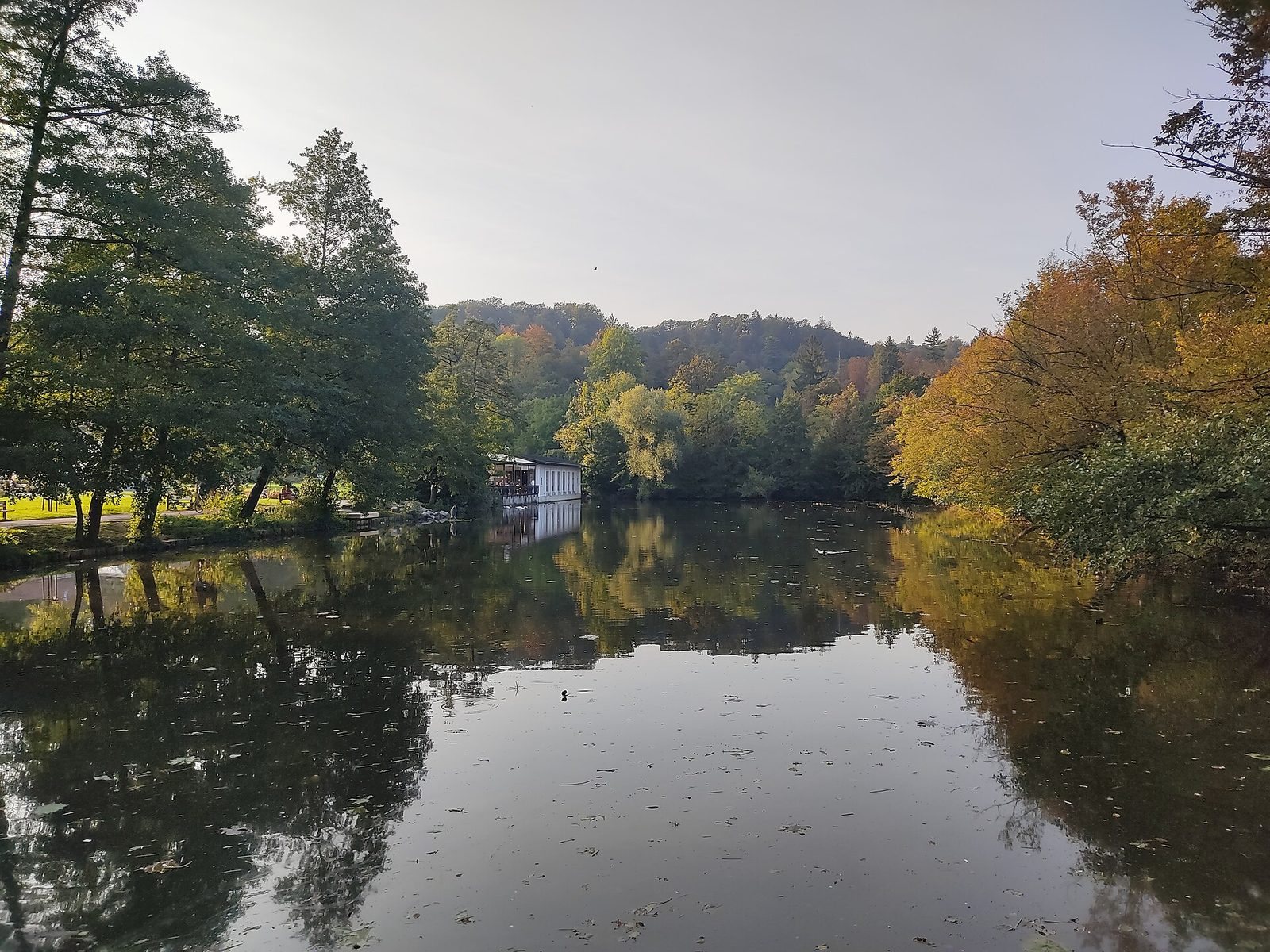
Tivoli Pond was excavated in 1880 and later used for boating, ice skating, and fishing. After a thorough renovation in 2011, it continued to serve recreation and fishing, as well as flood control. Tivoli Hall, a pair of indoor sports arenas beside Cekin Mansion, opened in 1965. The smaller arena hosted the professional basketball team KK Union Olimpija until 2011; the larger is home to professional ice hockey club HDD Olimpija Ljubljana.
A bronze statue of a marching boy with a whistle, made by Zdenko Kalin in 1942, was installed in 1946 and is regarded as a high point of Slovene figurative art. In 2000, Bosnian sculptor Slobodan Pejić transformed a storm-felled oak, then 300 years old, into Sožitje (Coexistence), proposing a sculpture garden for the park. A seated statue of poet, writer, and translator Edvard Kocbek was unveiled in September 2004, the centenary of his birth. Since 1984, the park has been protected as part of Tivoli–Rožnik Hill–Šiška Hill Nature Park.
Remains
Park layout, pond, and gardens
Ljubljana’s largest park lies on the western edge of the Center District and extends into the Šiška, Vič, and Rožnik districts. Its grounds combine paths, water, gardens, buildings, and open recreational areas, and contain a variety of bird species.
Jakopič Promenade
The promenade runs through the park and forms the first stretch of the visual axis linking Tivoli Castle with Ljubljana Castle. It is the park’s principal designed route described in the wider city plan.
Tivoli Pond
The small, shallow pond, with limited water volume, lies at the southeastern end of the park. A stone sculpture in the water depicts two upright fish. Sculptor France Kralj made it in 1935, and it was installed in 1994.
Greenhouse and rose garden
A greenhouse operated by the Ljubljana Botanical Gardens stands near the pond’s northwestern end and contains tropical plants. Beside it, the rose garden was created in 1993–94 and renovated in 2007. More than 160 varieties were added in 2010, including the first Slovenian rose cultivar, ‘Prešeren’; plaques identify the roses.
Children’s Paradise
The 1940s playground was arranged in a circle linked to the pond, which served as its central landscape feature.
Buildings and sports facilities
Tivoli Castle
The castle is a mansion at the terminus of the Jakopič Promenade. Four cast-iron dogs stand in front of it. Austrian sculptors made the dogs at a Moravian foundry in 1864. Older books attributed them to Austrian sculptor Anton Dominik Fernkorn, although that attribution is uncertain. Their lack of tongues gave rise to a false story that Fernkorn killed himself over the supposed mistake.
Švicarija
Behind Tivoli Castle stands Švicarija, an Alpine-style building formerly known as Hotel Tivoli. It has been restored and converted into a cultural center. The Jesenko nature trail passes beside it.
Cekin Mansion
The mansion stands at the park’s northern edge and continues to house the Museum of Contemporary History of Slovenia.
Tivoli Hall
The complex beside Cekin Mansion consists of two multipurpose indoor arenas. The larger, used for ice hockey, seats 7,000 people or 6,000 in a basketball configuration. The smaller basketball hall seats 4,500.
Sculptures
Marching boy
Kalin’s bronze figure stands near the pond’s northern end, at the top of the steps leading toward Tivoli Castle. It depicts a full-length boy marching with a whistle and is also known as ‘Boy with a Whistle.’
Sožitje
The four-metre-high sculpture combines the oak with bronze. Moss and lichen now cover parts of the wood, which surrounds an inner bronze element called ‘Pure Heart.’
Edvard Kocbek
The poet’s bronze statue stands beside the pond on its southern side. The seated figure looks toward a 30-centimetre-high double of himself placed on a handrail at the bank.