Church of Saint Salvator in Vienna: A Gothic Chapel and Old Catholic Church
Site at a Glance
- Rating
- 4.7
- Popularity
- Low
- Country
- Austria
- Primary era
- Medieval
- Eras represented
- Medieval, Early Modern, Modern
- Civilizations
- Duchy of Austria, Habsburg, Habsburg Austria, Holy Roman Empire
- Site type
- Religious
- Remains
- Chapel
On this page7 sections
History
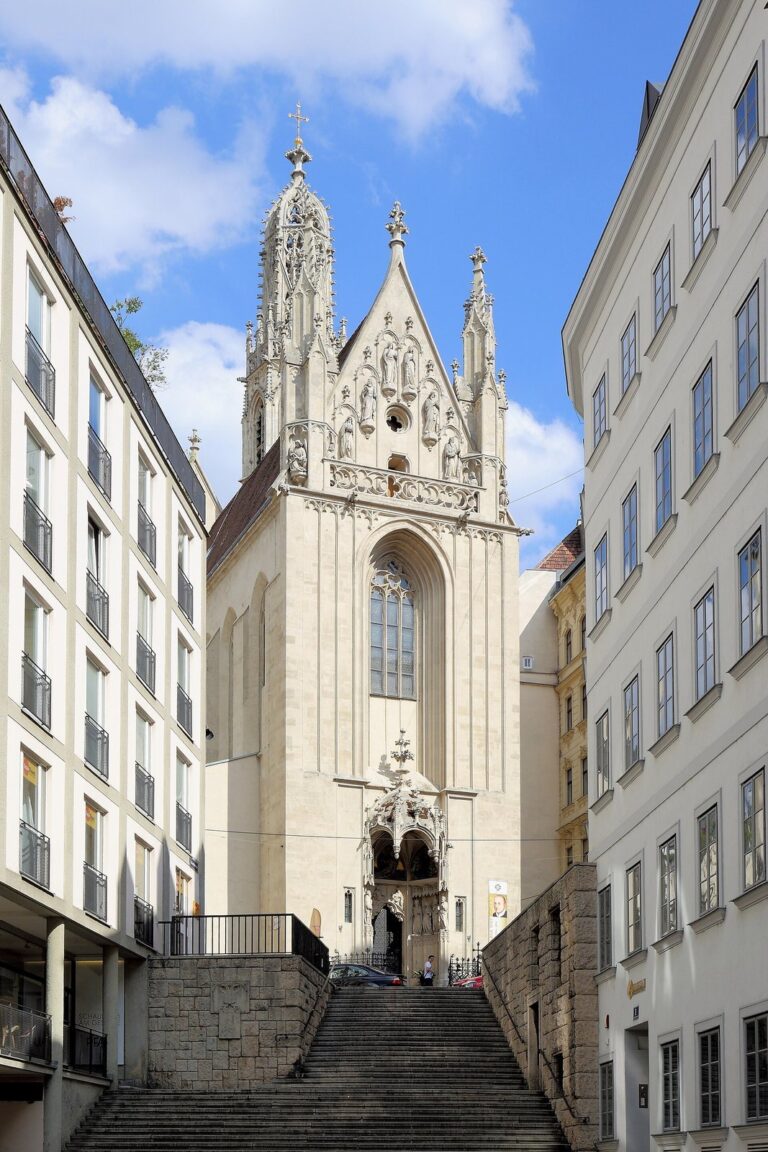
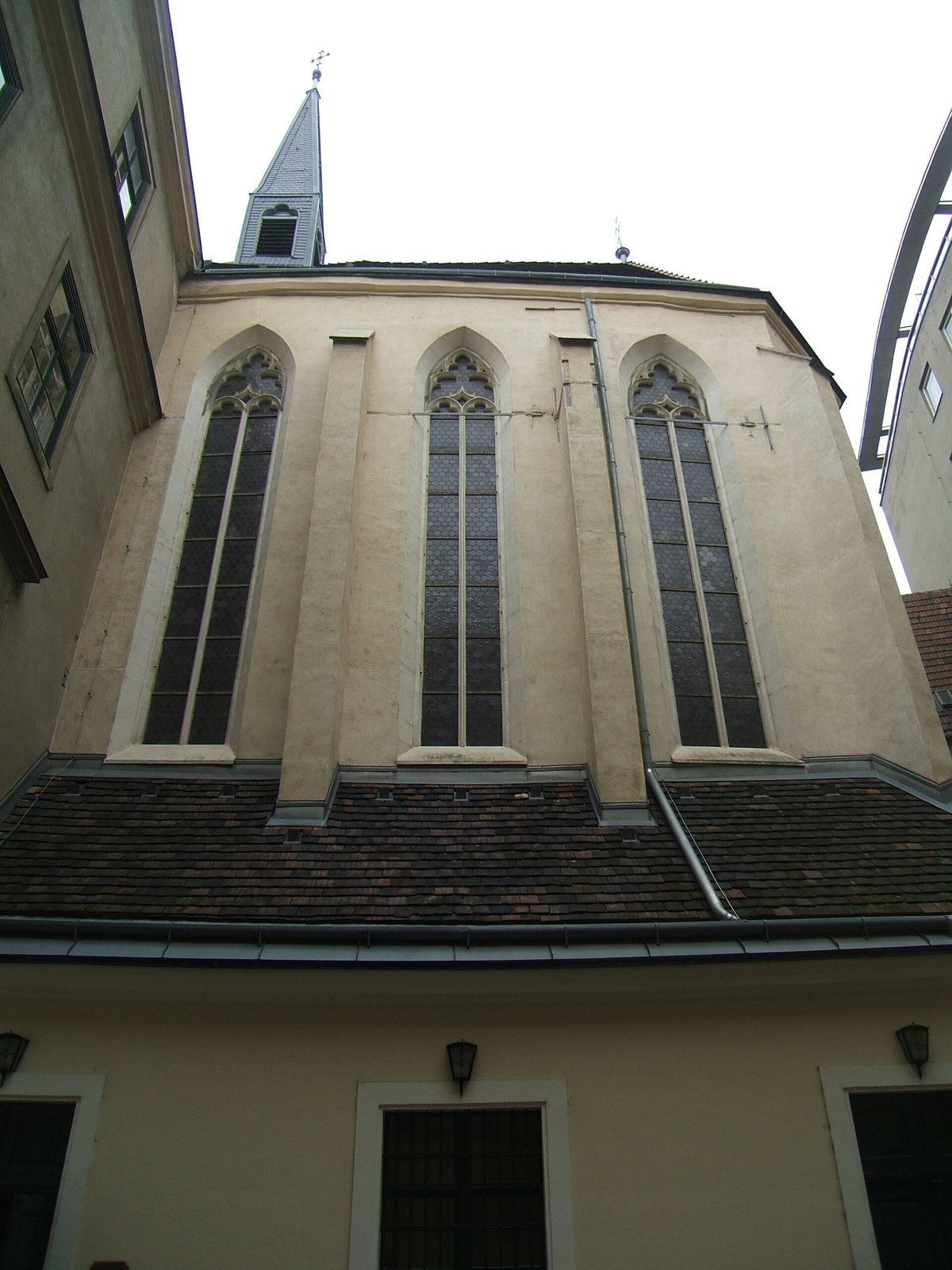
The Church of Saint Salvator is a chapel in Vienna, Austria, built in the late 13th century in the Gothic style, a medieval architectural tradition commonly associated with pointed arches and ribbed vaults. Otto II and his brother Haimo III of the Haimonen family founded it as the house chapel of a city palace. The chapel is first mentioned in 1298.
From palace chapel to town hall chapel
After Otto took part in a conspiracy against Habsburg rule in 1308, Frederick the Fair, a Habsburg ruler in Austria, confiscated the palace and chapel the following year. The city of Vienna received both in 1316. In 1360–61, the chapel was enlarged around a passage at ground level, and it was formally dedicated in 1361. In 1373, an extension into a purchased house to the north added a second nave, the main lengthwise space of a church.
The chapel served as the town hall’s house chapel until its transfer to the Old Catholic Church in 1871. This Western Christian tradition is distinct from the Roman Catholic Church. The parish was founded on 15 October 1871 and received state recognition in 1877. Since then, Saint Salvator has served as the bishop’s church and principal church of the Old Catholic Church of Austria.
Old Catholic worship and modern history
From 1879, German replaced Latin in the liturgy, and Communion was offered with both bread and wine. An interdict, a religious sanction restricting participation in church services or sacraments, imposed on Saint Salvator in 1871 was lifted by Cardinal Franz König in November 1969. In 1998, Bishop Bernhard Heitz ordained a woman to the priesthood at the church for the first time.
The chapel underwent several alterations and was completely wrecked during World War II. A comprehensive interior renovation followed in 1971–72.
Remains
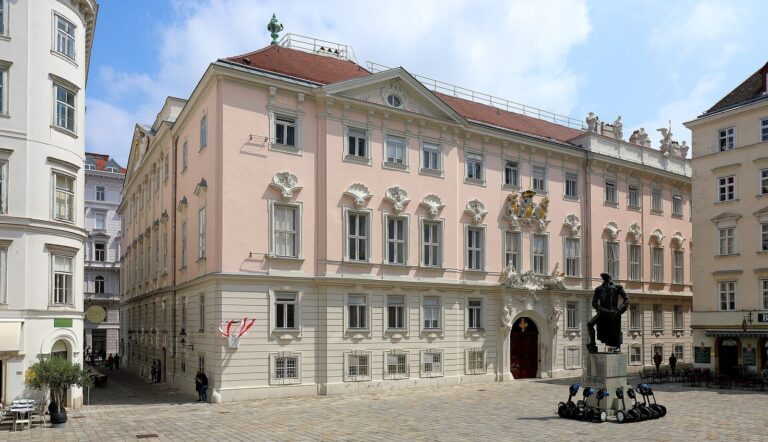
The brick-built chapel forms part of Vienna’s Old Town Hall complex. Its core occupies the upper floor of a city palace, and its layout includes two naves. A passage runs beneath the chapel at ground level.
Medieval structure and entrance
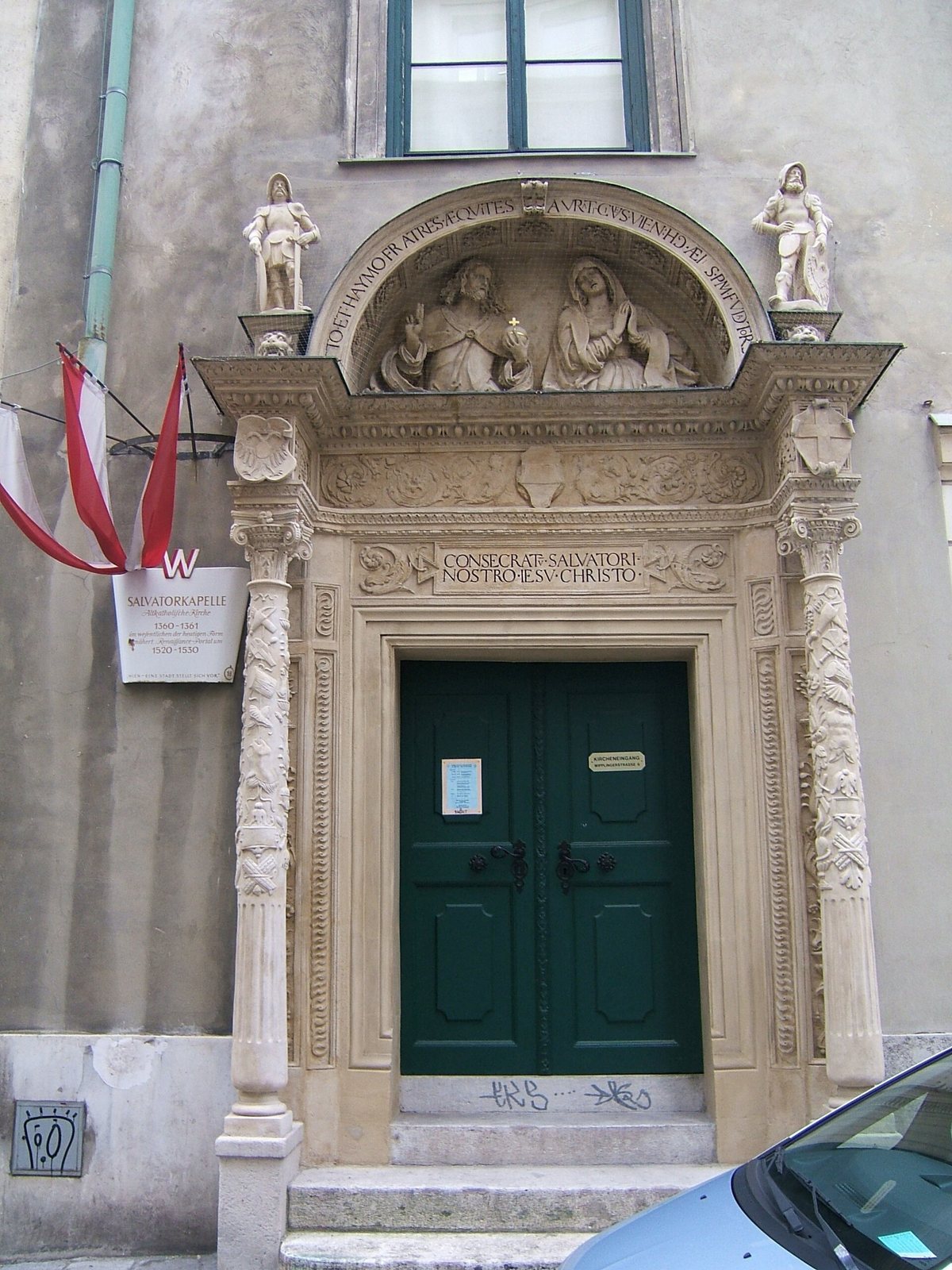
The roof timbers date to 1296–99, and the surviving roof structure is considered the oldest preserved in Vienna. The entrance from Salvatorgasse has a Renaissance portal, whose design reflects the period’s revival of classical forms. It is one of the few Renaissance portals remaining in the city.
Interior and furnishings
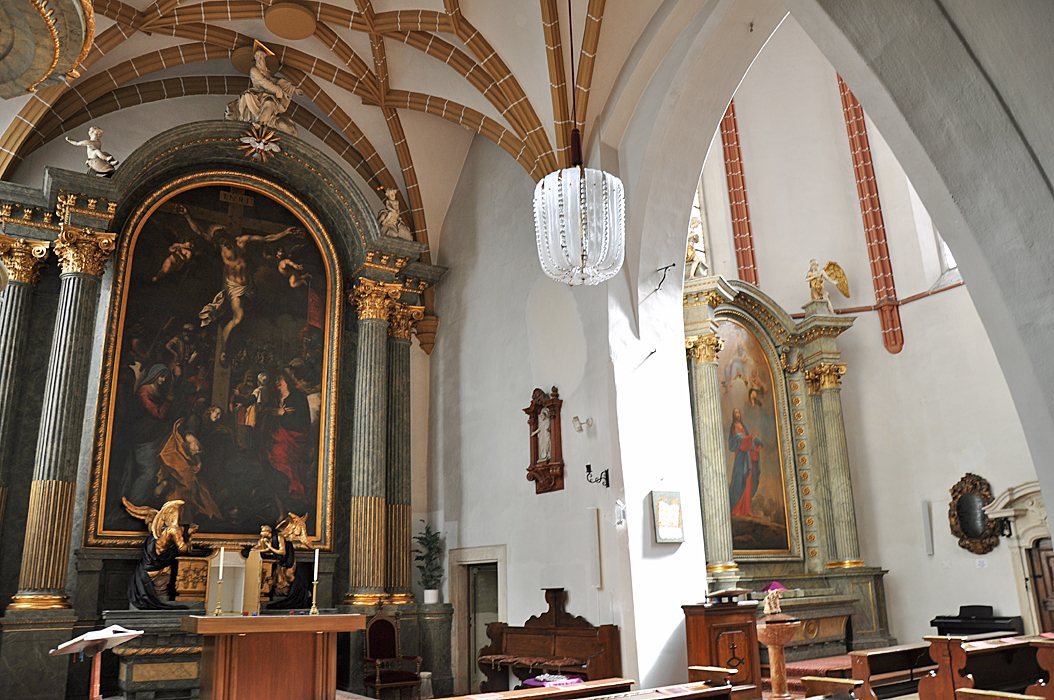
A pulpit funded by donations from the faithful dates to 1765. During the 1971–72 interior renovation, the high altar was moved back and a people’s altar was installed for worship facing the congregation.
Organ
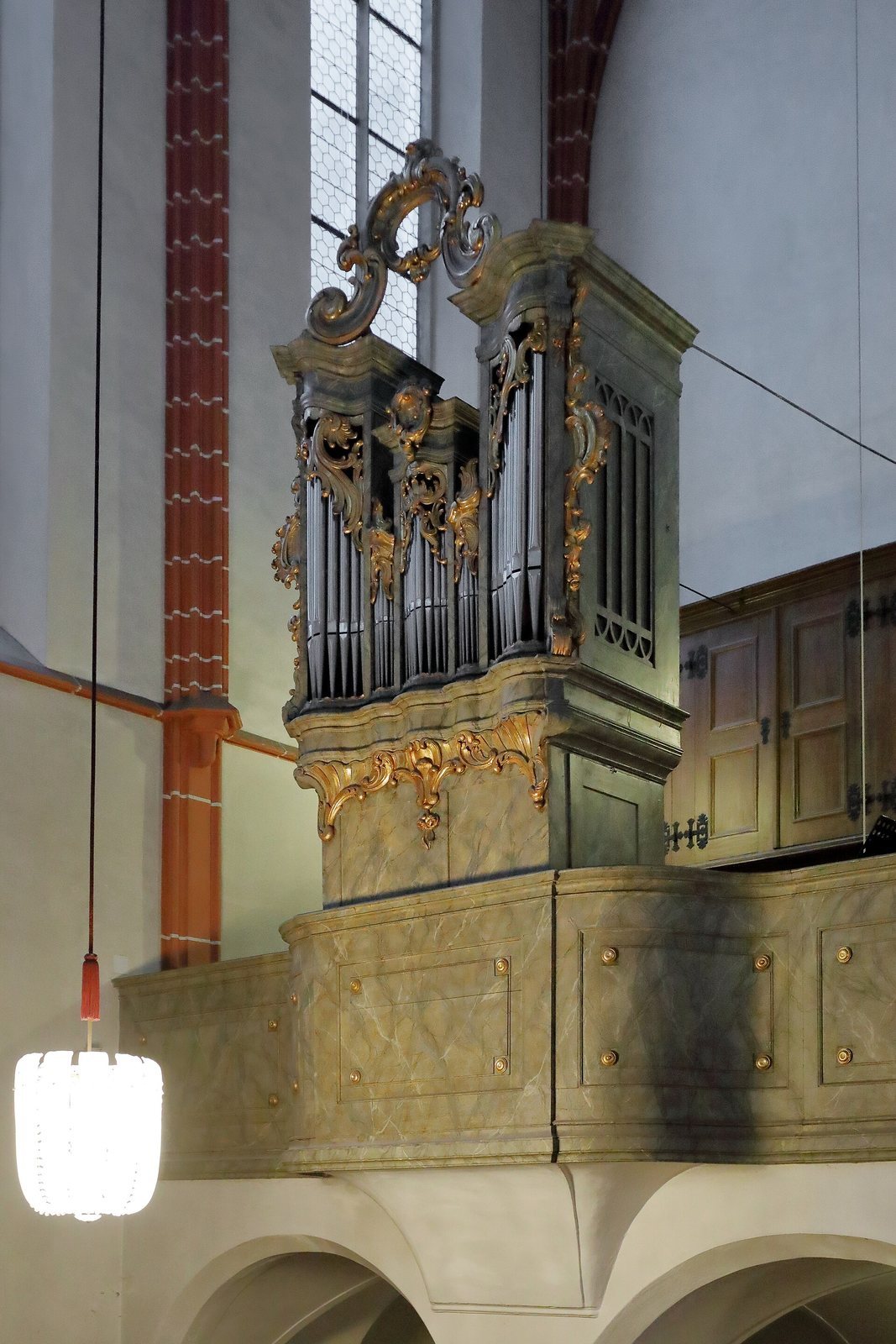
The organ dates to 1750 and was probably made by Gottfried Sonnholz. It has seven stops, which select sets of pipes, on a single manual, or hand-played keyboard. Its keys and stops operate through mechanical linkages. Organ builder and restorer Herbert Gollini restored it in 1987, returning it to its original condition.