Shimousamurai Kofun: A Kofun-Period Burial Mound in Japan
Site at a Glance
- Rating
- 4
- Popularity
- Medium
- Country
- Japan
- Primary era
- Classical
- Eras represented
- Classical
- Civilizations
- Yamato
- Site type
- Burial
- Remains
- Burial Mound
On this page9 sections
History
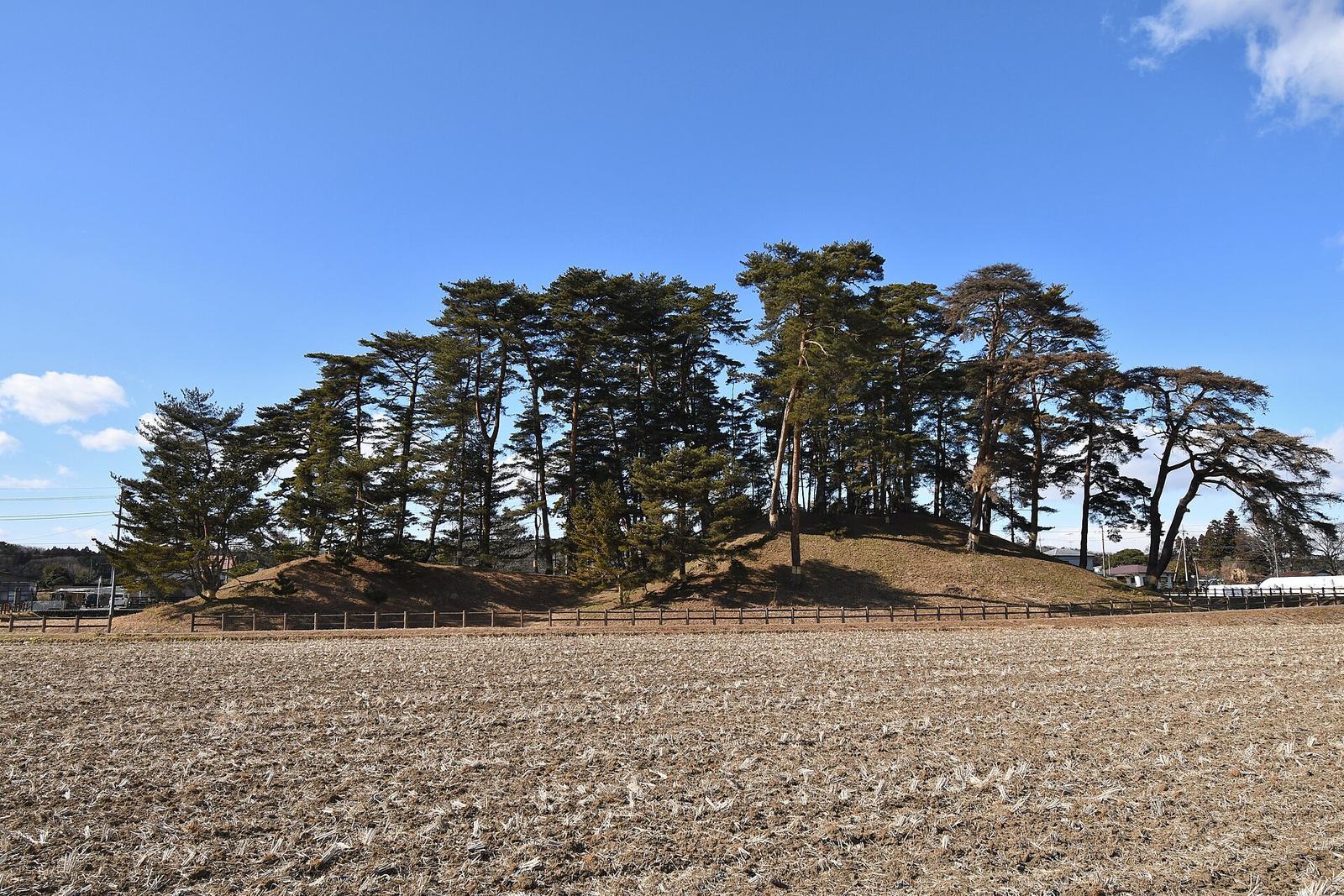
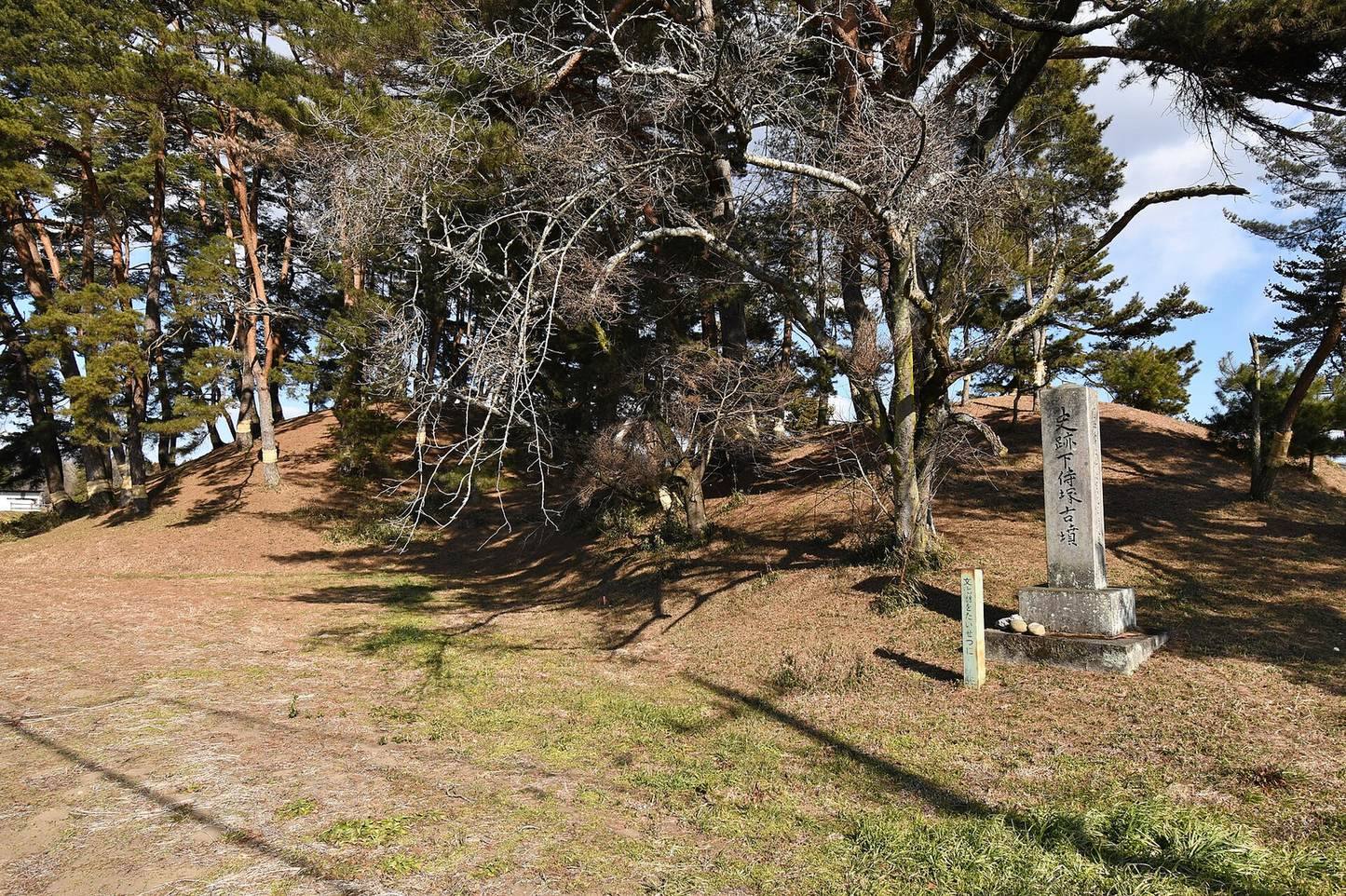
Shimousamurai Kofun is a burial mound at Yuzukami in Otawara, Tochigi Prefecture, Japan. It was probably built near the end of the fourth century, at the beginning of the middle Kofun period, an ancient Japanese era named for its monumental burial mounds. Its adjoining square front and rear sections make it one of the representative mounds of the Nasu region. Among six mounds of this type, it is second in size only to Upper Samurai-zuka Kofun.
The 1692 investigation
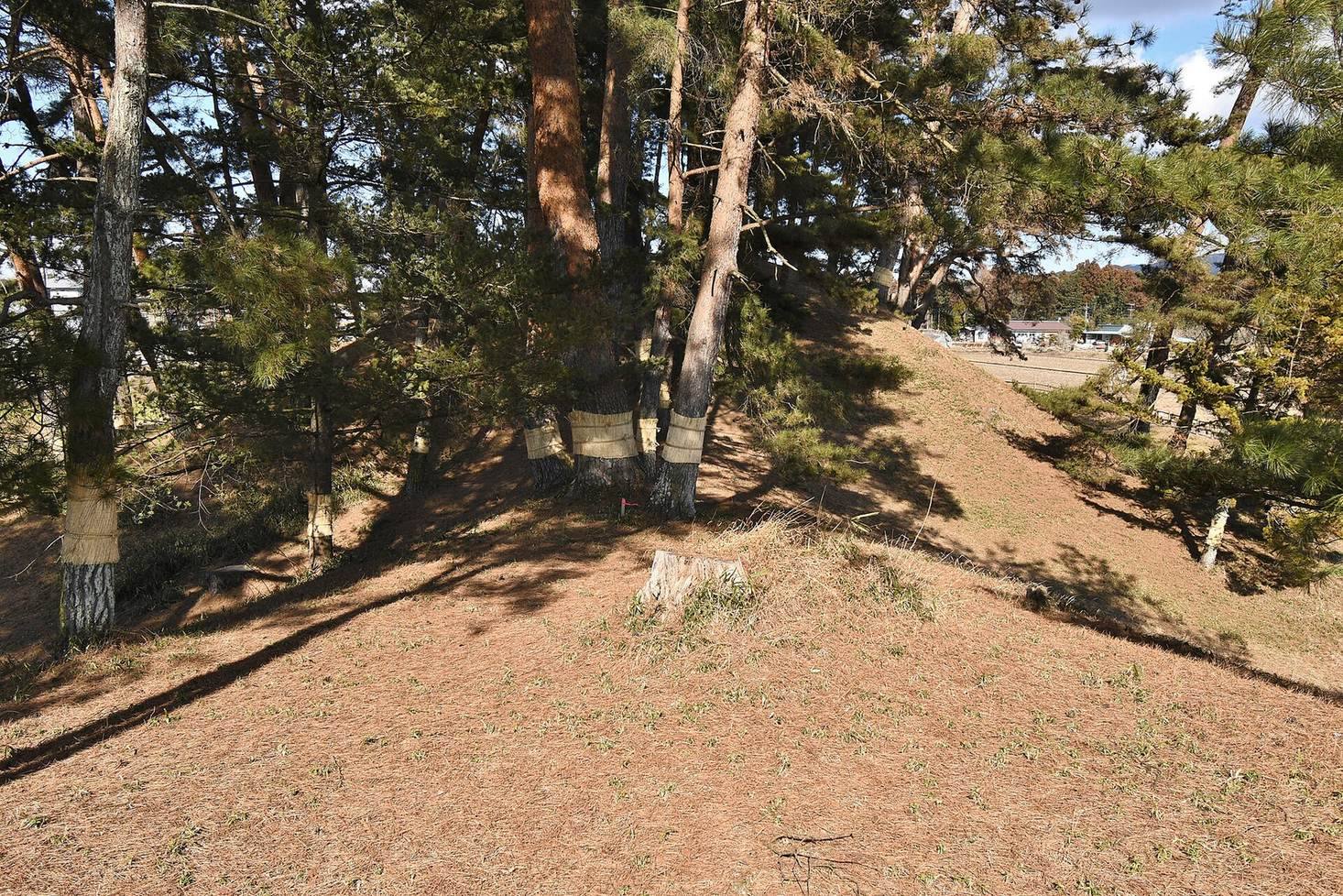
In 1692, Tokugawa Mitsukuni, a daimyo (regional lord) from the Mito branch of the Tokugawa family, ordered an excavation. Work at Shimousamurai Kofun and Upper Samurai-zuka Kofun together is regarded as Japan’s earliest scholarly archaeological excavation. The findings were described in a document titled Repairs to the Mound at Yuzukami Village. Afterward, the grave goods were placed in a pine-board box and reburied. Pine trees were later planted on both mounds to help preserve them.
Designation and later study
On June 9, 1951, Shimousamurai Kofun and Upper Samurai-zuka Kofun were included in the national Historic Site designation named Samurai-zuka Kofun. A separate group of burial mounds lies to the northwest. It once contained about ten mounds, but postwar land development, including the creation of paddy fields, led to the loss of some. The eight surviving mounds were individually designated Otawara City historic sites in 1966, and partial excavations took place at mounds 5 and 8.
A 1975 archaeological survey examined the extent of Shimousamurai Kofun’s surrounding moat. A preliminary report on the survey appeared in 1976.
Remains
The main mound
Shape, setting, and dimensions
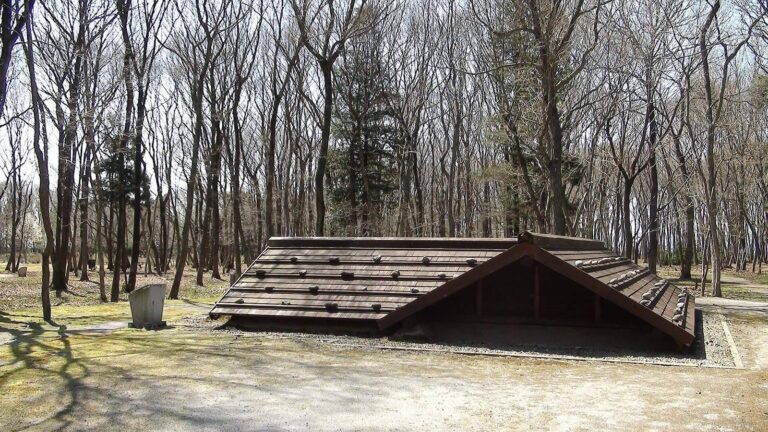
The mound stands on a terrace on the right bank of the Naka River. Its square front section faces south and adjoins a square rear section. The mound measures 84 metres overall. The rear section is 48 metres long and wide and 9.4 metres high; the front section measures 36 metres long and wide and rises 5 metres. Stone coverings remain on the exterior, and a moat runs around the mound.
Burial chamber and grave goods
A clay-lined chamber held a wooden coffin buried directly at the summit of the rear section, with lumps of clay placed at either end. The recovered grave goods comprised a bronze mirror decorated with two deities and two beasts, 15 sword fragments, fragments of armor, a long-sword hilt fitting, an iron spearhead, four pedestal dishes, and a possible jar.
Pottery from the moat
A separate find from within the moat was a Haji ware jar, a type of ancient Japanese earthenware. It has a pierced base and a red-painted rim with a stepped profile.
The northwestern mound group
The separate group northwest of Shimousamurai Kofun comprises eight numbered mounds. It includes one keyhole-shaped mound, six circular mounds, and one square mound.