Harvard House: A Tudor House in Stratford-upon-Avon
Site at a Glance
- Rating
- 4.4
- Popularity
- Low
- Country
- United Kingdom
- Primary era
- Early Modern
- Eras represented
- Early Modern
- Civilizations
- English
- Site type
- Domestic
- Remains
- House
On this page7 sections
History
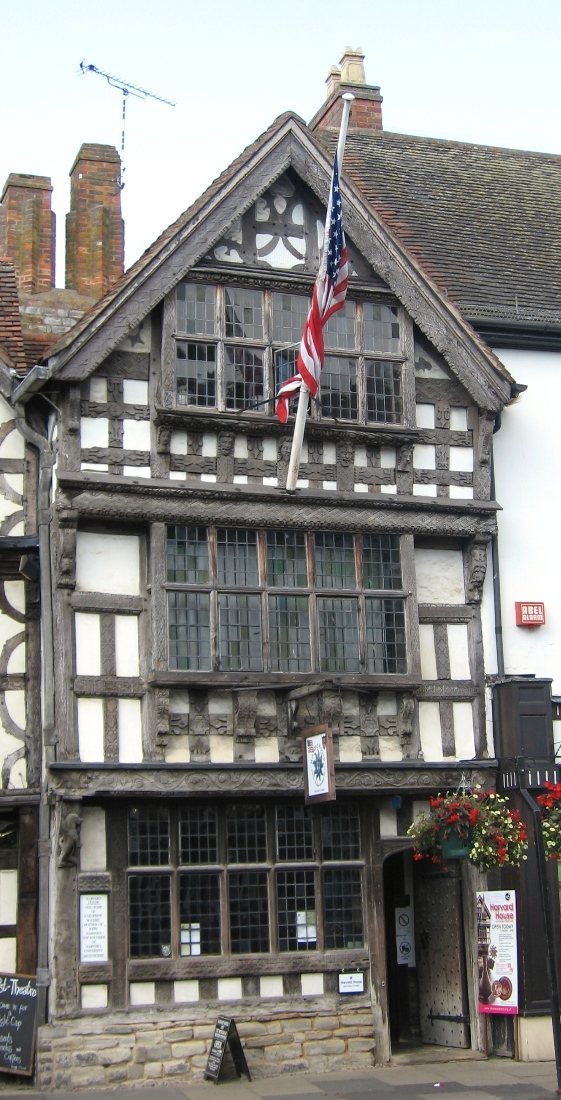
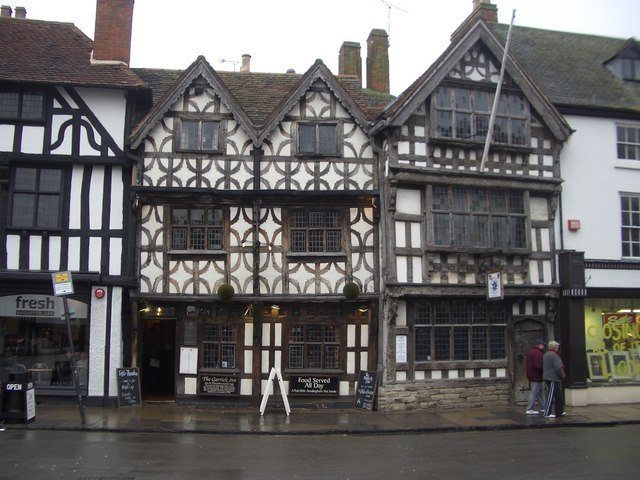
Harvard House is a Tudor-style, half-timbered house in Stratford-upon-Avon, United Kingdom, built in 1596 by Thomas Rogers. Tudor architecture belongs to England’s 1485–1603 Tudor period, while half-timbering leaves the timber frame visible, with infill between its timbers. The house is linked through Rogers’s family to John Harvard, whose bequest helped establish the institution that became Harvard University.
Thomas Rogers and His Family
Rogers built the house after fires in 1594 and 1595 destroyed much of Stratford’s town centre. About 60 at the time, he was a successful butcher and a merchant dealing in corn and cattle. He also served as an alderman, a senior member of the town’s governing body, alongside John Shakespeare, the father of playwright William Shakespeare.
When Rogers died in 1611, the property passed to his eldest surviving son from his second marriage, also named Thomas. The younger Thomas produced malt for brewing beer. After his death in 1639, his son Edward, a bookbinder, inherited the house. In the mid-seventeenth century Edward sold it to blacksmith John Capp, whose family worked there until about 1725.
Rogers’s daughter Katherine married Robert Harvard in Stratford-upon-Avon in 1605. Robert was a butcher and tavern owner, and served as a parish warden at St Saviour’s Church, now Southwark Cathedral. The house later became the home of Katherine, the mother of their son John, born in November 1607.
John Harvard and the College
An epidemic left John’s immediate family comprising his mother and his brother Thomas. Katherine, by then a landowner, was able to send John to St Saviour’s Grammar School and Emmanuel College at Cambridge. He became an English Protestant clergyman and was ordained. Katherine died in 1635, and John’s brother Thomas died in 1637.
John married Ann Sadler in 1636 and emigrated to Massachusetts the following year, where he served as a preacher and teaching elder. He died of tuberculosis on 14 September 1638, less than a year after arriving. The Massachusetts Bay Colony had established a college at Newtown in 1636. The settlement was soon renamed Cambridge, after the English university town attended by many colonists. John left the college £750 and his library from the inheritance he had received from his family. In recognition of his gift, the college took his name.
Changing Occupants and Restoration
After the Capp family’s time as blacksmiths, booksellers occupied the house in the early 1730s and again in the 1760s. A plumber worked there from 1734 to 1747, followed by ironmongers from 1782 to 1801. Tailors Thomas and Harvey Williams remained until 1871, when the building became an estate agent’s office.
In 1909, after the novelist Marie Corelli proposed and strongly supported its purchase, Chicago businessman Edward Morris bought the house. Following extensive restoration, he gave it to Harvard University, and it became known as Harvard House. The building has held Grade I listed status since 1951, England’s highest listed-building category for structures of exceptional interest. The Shakespeare Birthplace Trust has cared for the house on the university’s behalf since 1990.
Remains
The House
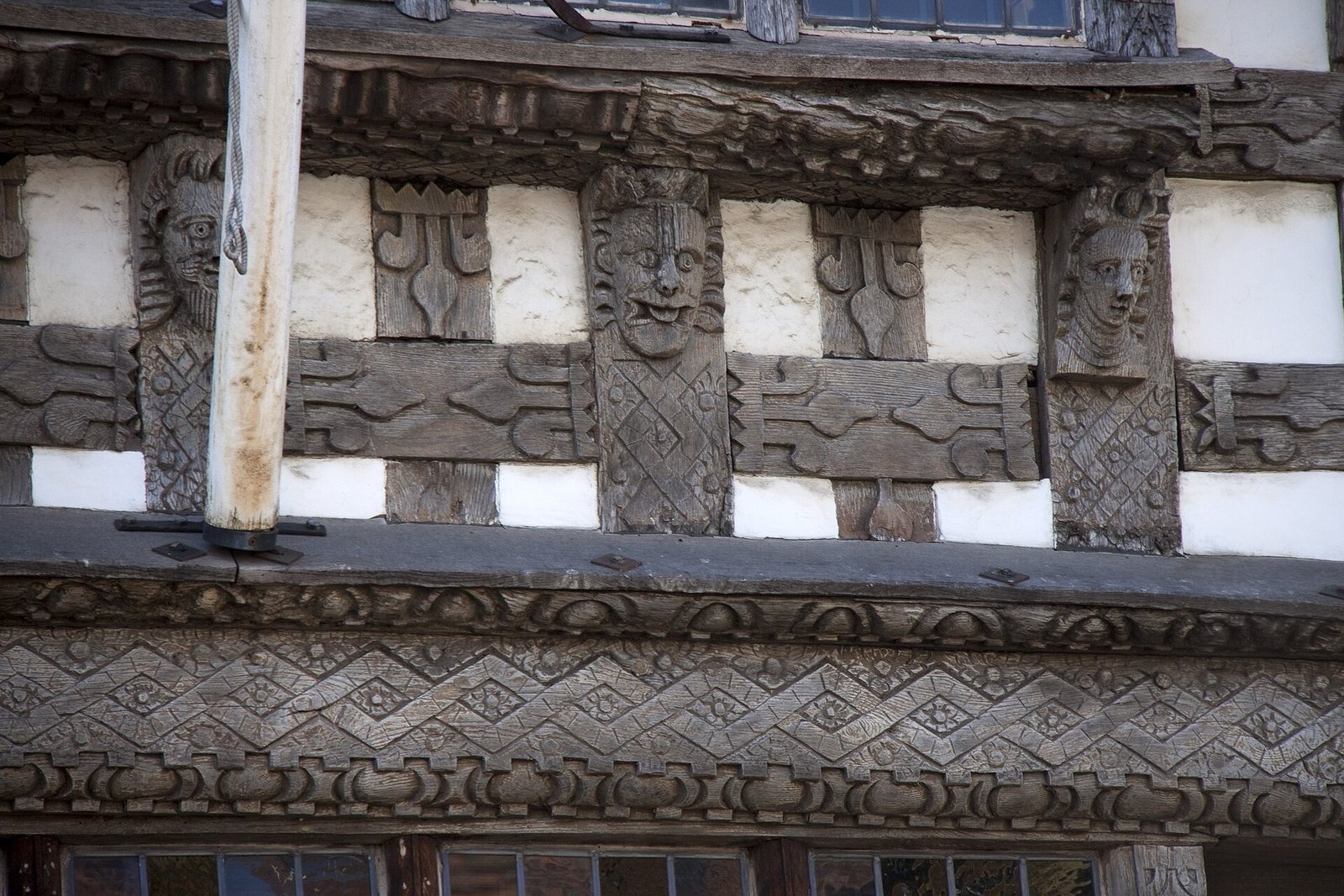
At 26 High Street, Harvard House is a half-timbered building with a carved front. The initials of Thomas Rogers and his second wife, Alice, appear there with the date 1596. Its carved decoration reflects Rogers’s wealth. The house was built separately from its neighbours, although Rogers also owned the adjoining properties now numbered 27 and 28 High Street.
The Neish Collection
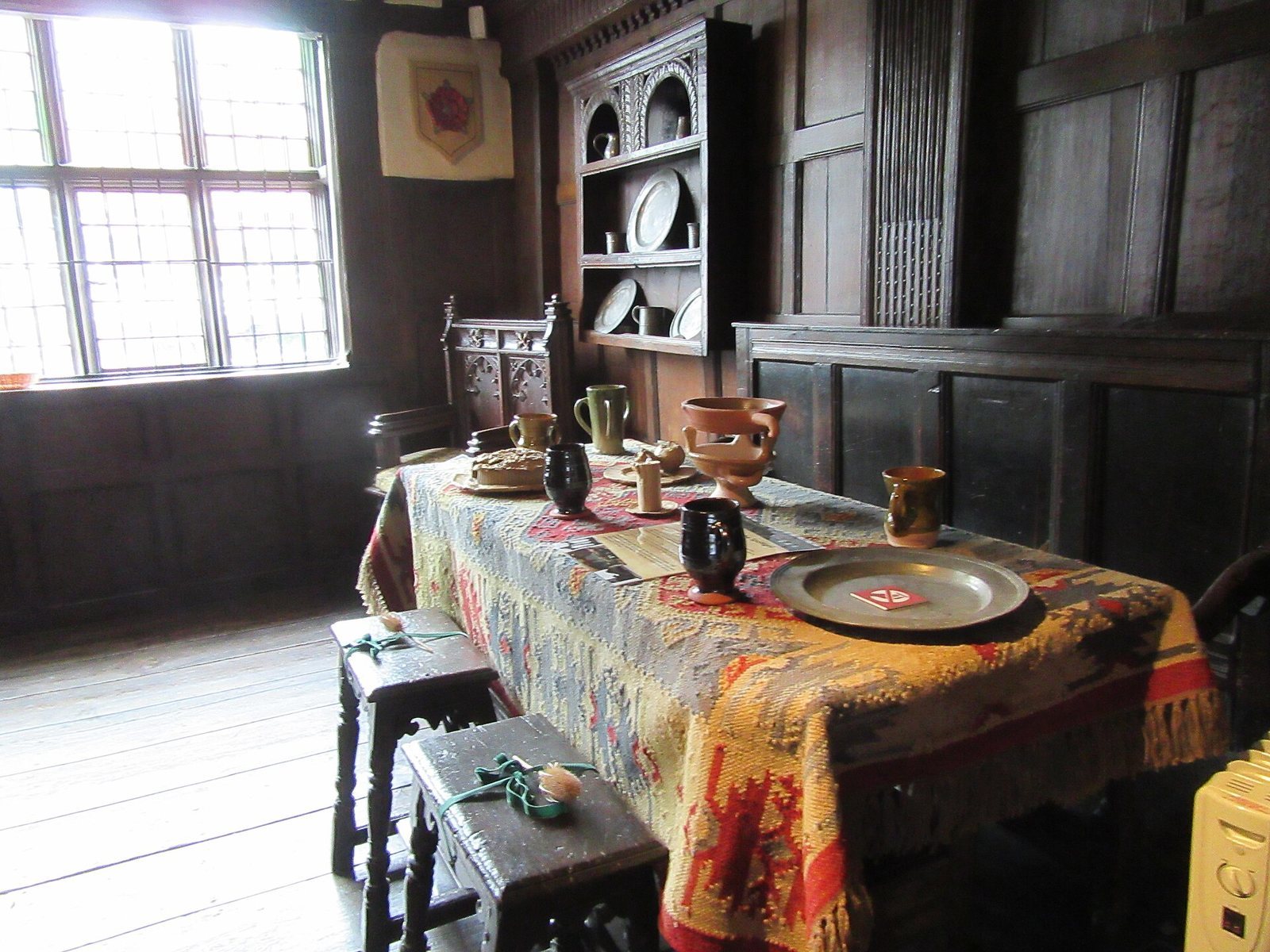
Since 1995, the house has served as a pewter museum, displaying the Neish Collection. Pewter is a tin-based alloy used for household and decorative objects. The collection ranges from the Roman period to the 1930s, with a substantial group of objects dating from the sixteenth and seventeenth centuries.