Tetovo Fortress: A Historic Fortified Settlement in North Macedonia
Site at a Glance
- Rating
- 4.1
- Popularity
- Medium
- Country
- North Macedonia
- Primary era
- Early Modern
- Eras represented
- Classical, Medieval, Early Modern, Modern
- Civilizations
- Ottoman
- Site type
- Military
- Remains
- Fort
On this page17 sections
History
Tetovo Fortress is a fortified settlement above the Pena River near Tetovo in North Macedonia. Traces of activity date to the fourth–third centuries BCE, and the site later served as a medieval stronghold before major Ottoman construction began in 1796.
Ancient and medieval settlement
Archaeological finds indicate activity during the Hellenistic period, which followed Alexander the Great’s conquests and saw Greek-influenced culture spread, as well as through Late Antiquity, the transition from the Roman world to the early medieval period. Activity continued into the early Byzantine period, the first centuries of the Byzantine Empire, the eastern continuation of Rome, and into the Middle Ages.
The fortress settlement has been tentatively identified with Oeneus, a city of the Penestae, an ancient people of the western Balkans. The Roman historian Livy describes the Macedonian king Perseus’s campaign against the Penestae in 169 BCE. After taking Uscana, Perseus captured Oeneus’s fortress. In the Middle Ages, the defenses were restored and a church dedicated to Saint Athanasius was built within the complex.
Ottoman construction and destruction
Under Ottoman rule, Recep Pasha began building the fortress in 1796. His son, Abdurrahman Rasim Pasha, continued the work and substantially rebuilt or developed the complex around 1820. Abdurrahman lived in its palace from 1831 to 1843.
The fortress’s strength seems to have alarmed the Ottoman sultan, the empire’s ruler. Abdurrahman and his brothers, including Havzi Pasha of Skopje and Hasan Pasha of Kyustendil, were recalled. Summoned to Constantinople in 1843 on suspicion of treason, Abdurrahman left the fortress. It was then plundered and largely demolished, and its buildings were later robbed or dismantled.
Conflict, heritage status, and archaeological work
Tetovo Fortress was designated cultural heritage of Macedonia in 1953, with the decision supplemented in 1990. During the 2001 armed conflict in Macedonia, the Albanian National Liberation Army, an insurgent organization, entered the fortress on March 21. Macedonian forces retook it on March 26, after which the site had sustained major damage. Damaged sections were later repaired and protected.
After clearance work to check for mortar shells and other explosive remnants in February and March 2008, systematic archaeological investigation began in April. Excavation and restoration continued through 2012.
Remains
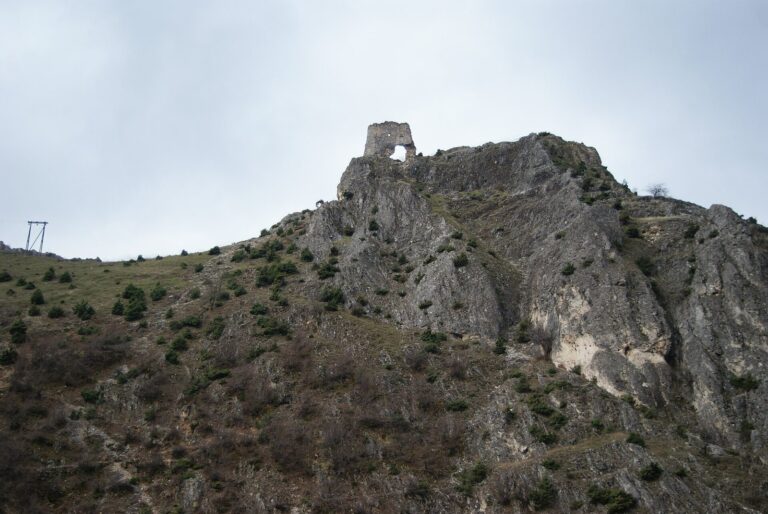
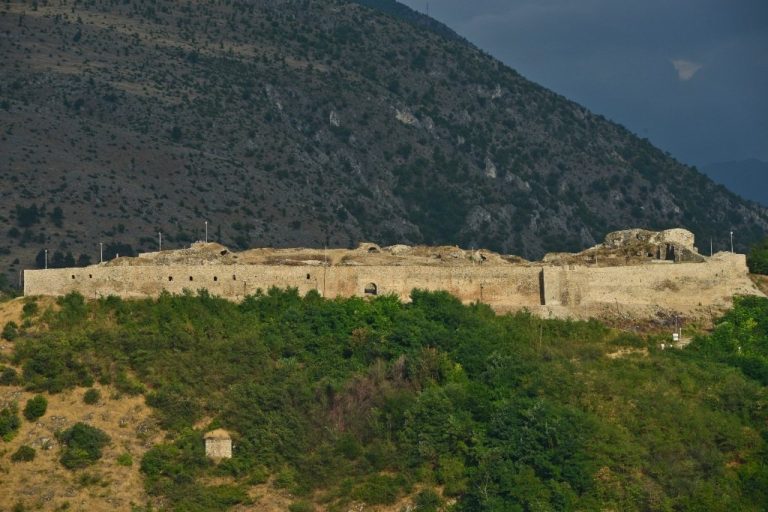
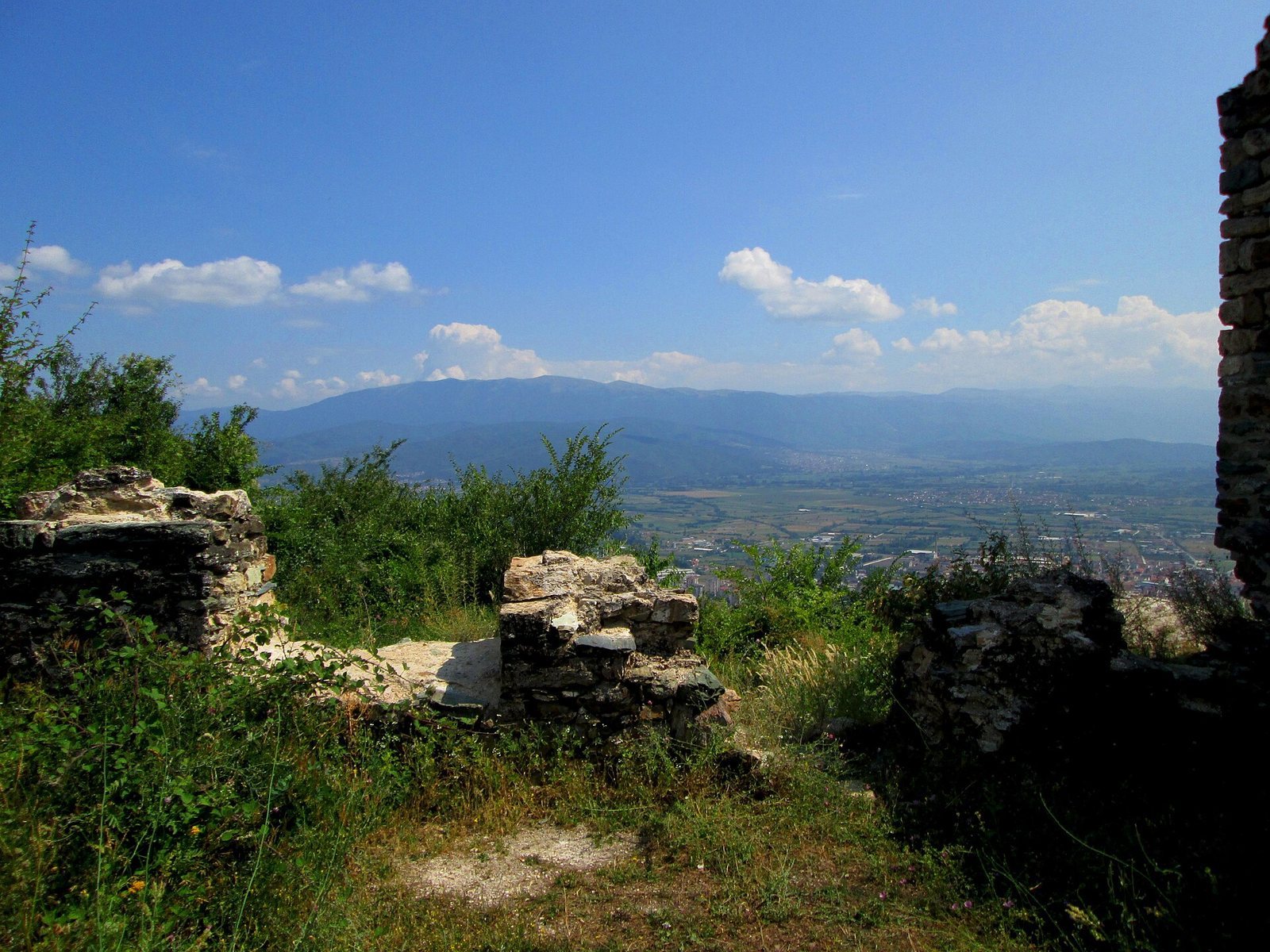
The fortress occupies a rocky rise called Baltepe, about 2 km northwest of Tetovo’s center, on the right bank of the Pena River. Its steep-sided summit forms a roughly triangular plateau that slopes south. The plateau measures about 180 by 130 m and covers approximately one hectare.
Early defenses and archaeological finds
Plateau and defensive walls
Traces of a defensive wall encircle the plateau. The oldest identified wall remains consist of large, carefully dressed tufa blocks, a porous calcareous stone, dated to the fourth–third centuries BCE. Later, late antique defenses were built of rubble stone and mortar over earlier wall foundations.
Finds at the southern end
Finds from the southern end include numerous Hellenistic and late antique pottery fragments, among them storage jars and roof tiles. Large stone blocks and early Byzantine coins were also found there.
Ottoman architecture
Gates, towers, and guardhouses
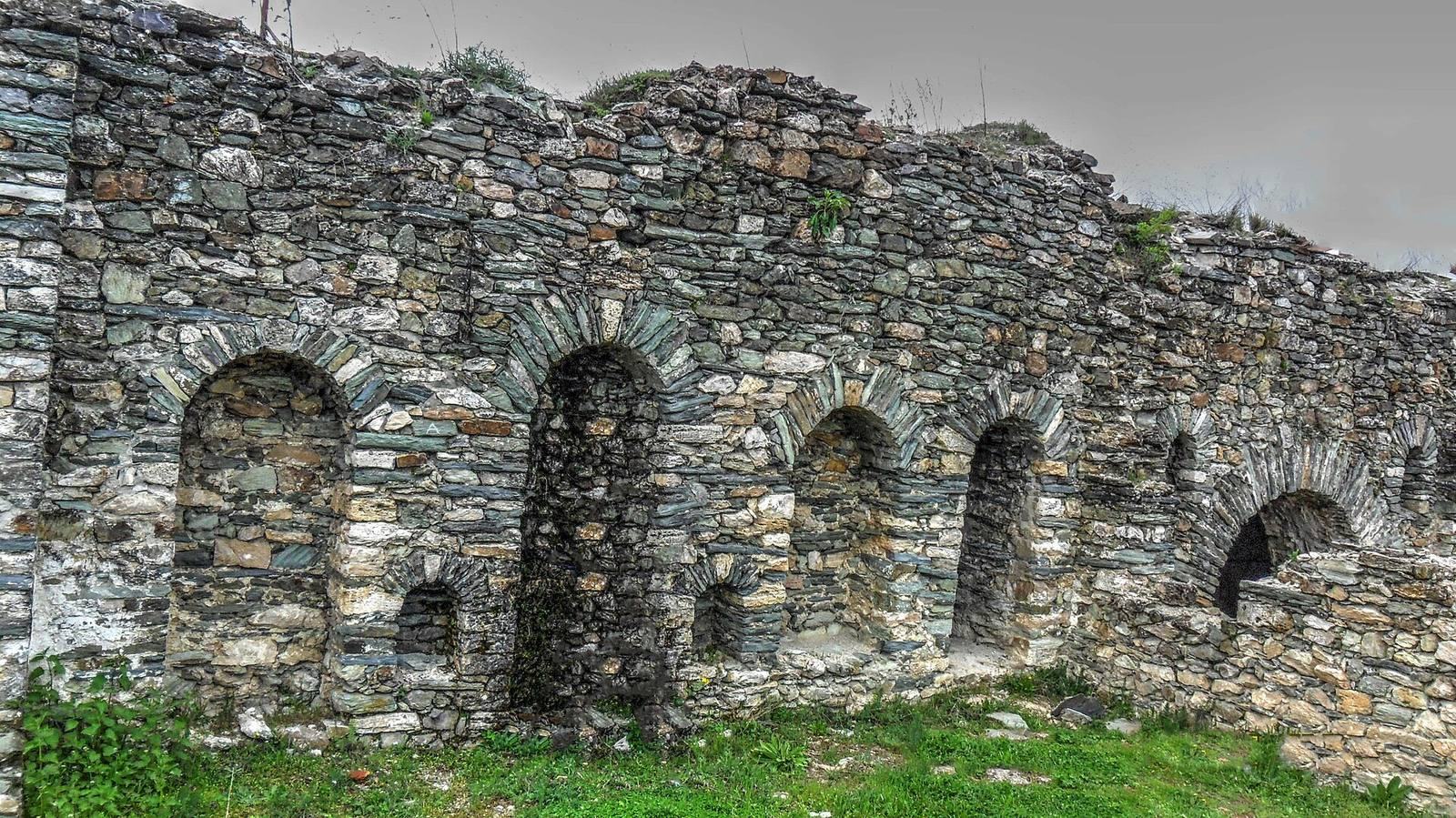
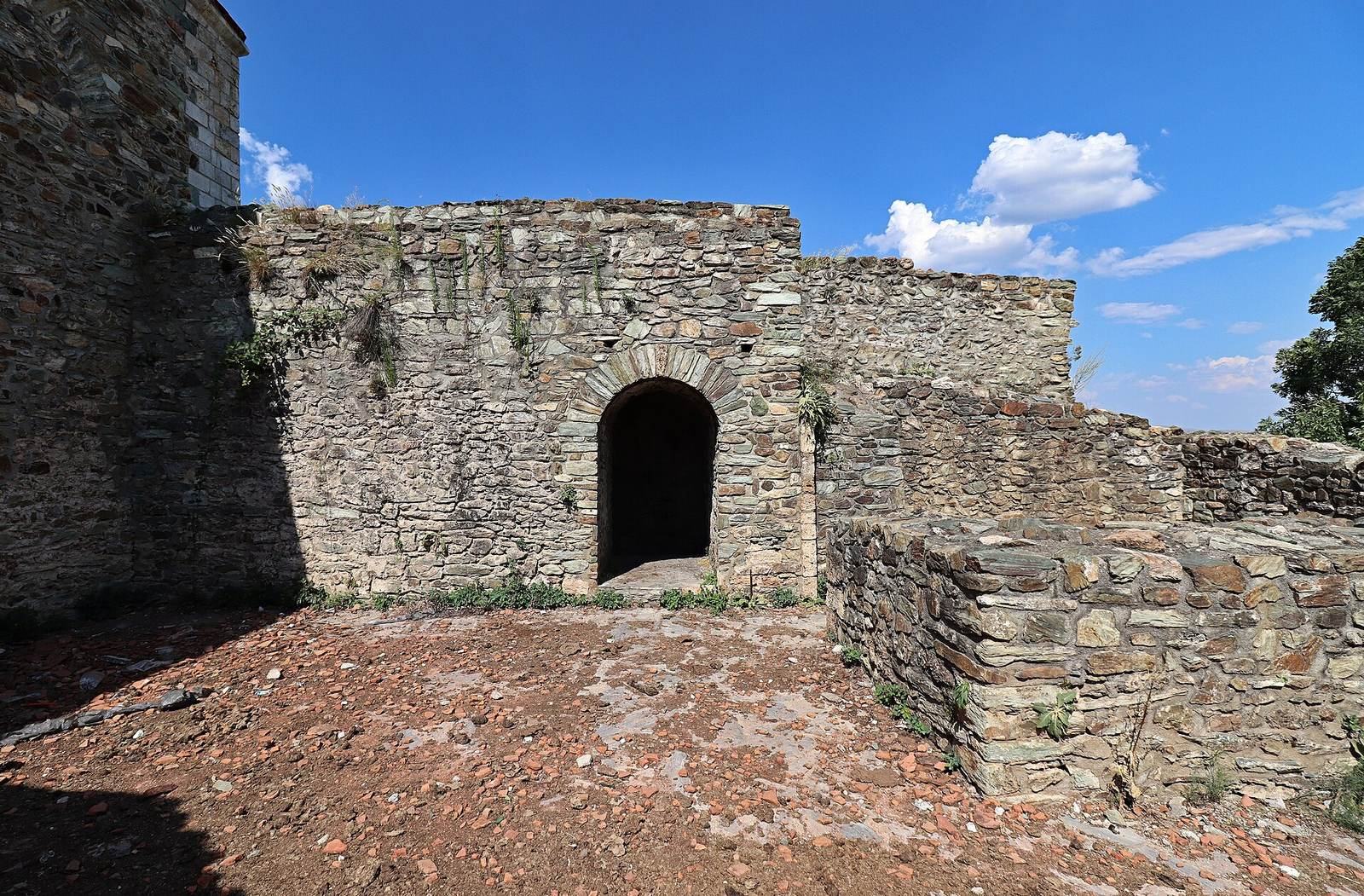
The Ottoman complex included nine towers and two monumental gates. The Tetovo Gate has been demolished; the other was called the Lavchanska Gate. Openings used to secure doors are visible at the main gate and in guardhouses. Entrances and windows were generally arched, though some smaller rectangular windows were made of tufa.
Rooms and service buildings
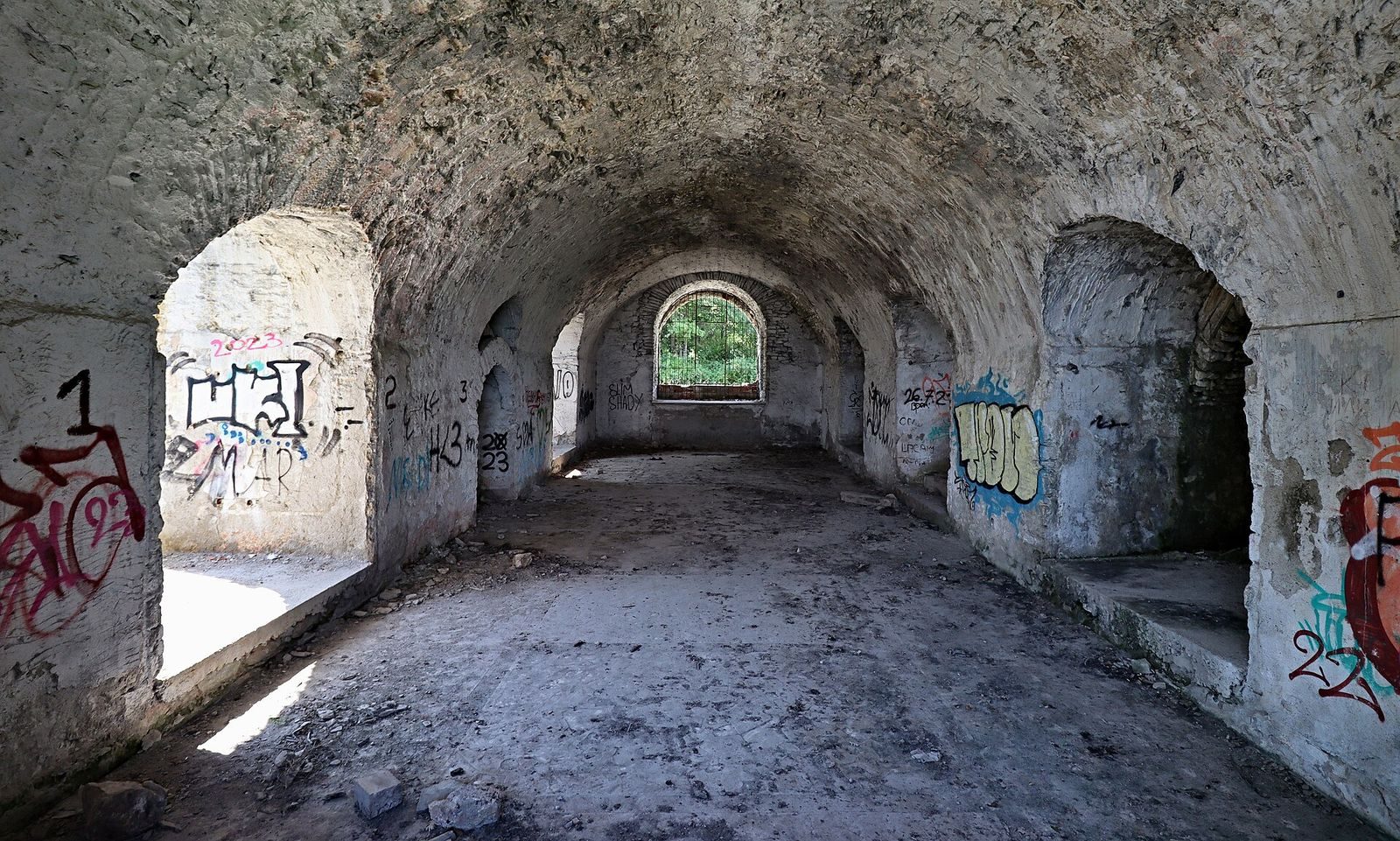
The complex contained the pasha’s residence, a large dining hall, a kitchen with several hearths, a dungeon, and a well. It also included a guest house and a fountain. One rectangular space had a double vault, an arched ceiling, and adjoined another vaulted room where fireplace remains have been found.
Escape tunnels
Three escape tunnels are believed to have led from the fortress: one toward Tetovo’s center, another toward the upper part of the city, and a third toward the village of Lavce.
Church and surviving buildings
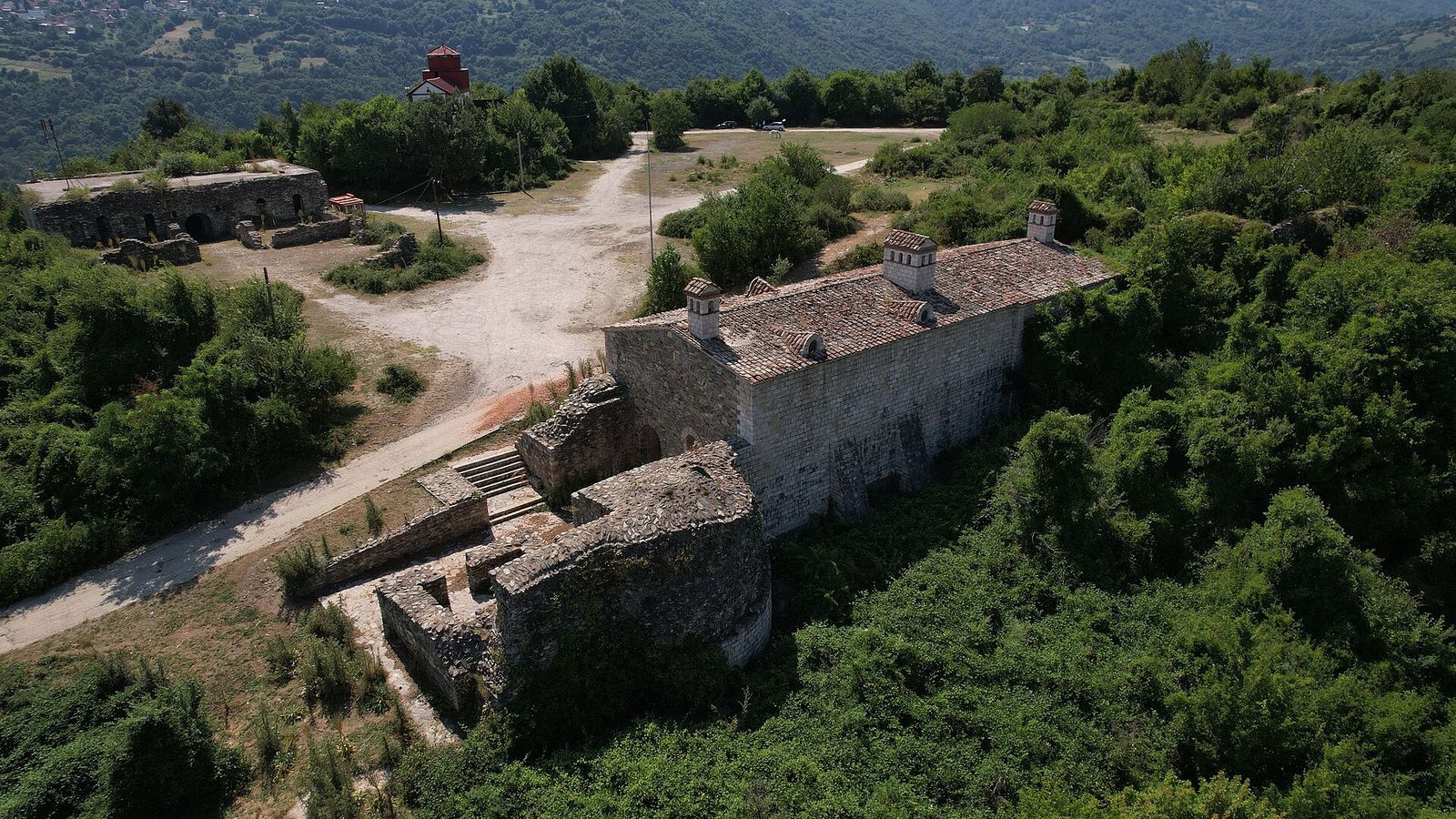
Church of Saint Athanasius
A medieval church dedicated to Saint Athanasius stood within the fortress. A new church was built on the medieval foundations in 1922, and the building was reconstructed between 2008 and 2012.
Fortress buildings and ramparts
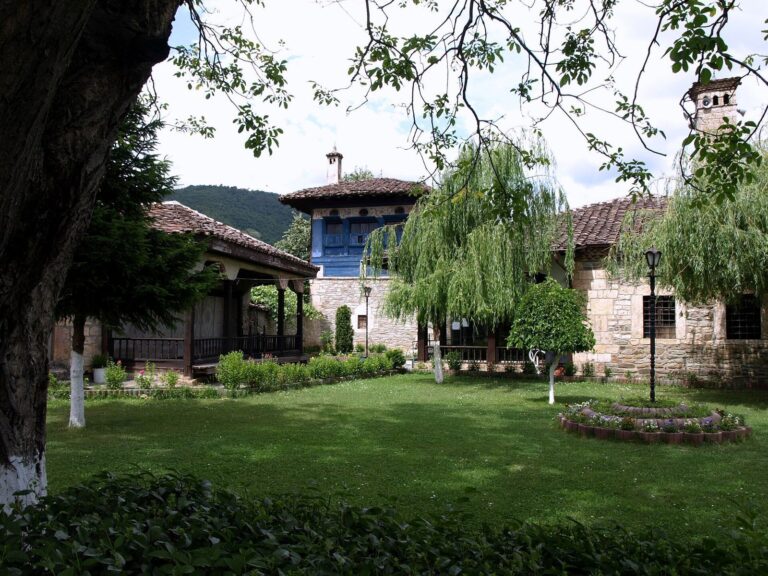
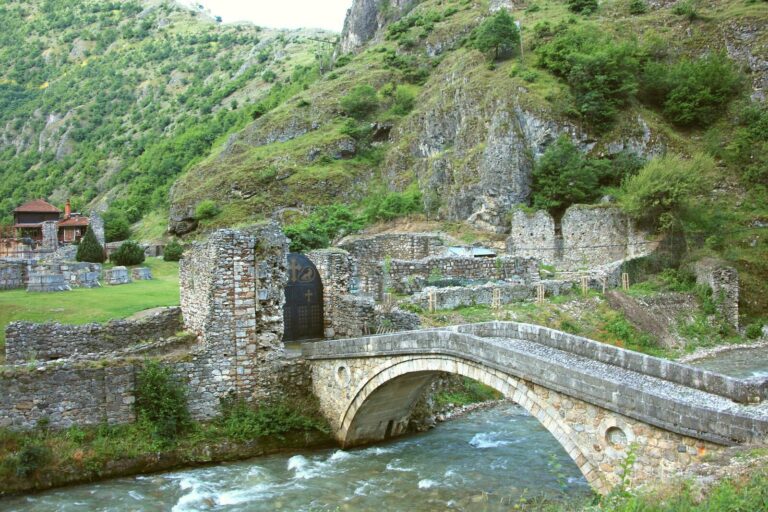
Two of the fortress’s many buildings survive, and one was restored during the 2010s. Only portions of the substantial ramparts remain; most of the buildings collapsed or were buried under earth.
Materials reused elsewhere
Carved furnishings, ceiling elements, and other valuable objects from the fortress were reportedly taken into houses in Tetovo. Fortress stone and marble were reused in the Church of Saints Cyril and Methodius and in private homes near the site.
Memorial below the fortress
Architect Bogdan Bogdanović designed a monument below the fortress commemorating Yugoslav partisan resistance against Axis occupation during World War II. It was destroyed a few days after it was erected.