Bakr Awa: An Ancient Settlement Mound in Iraq
Site at a Glance
- Popularity
- Medium
- Country
- Iraq
- Primary era
- Bronze Age
- Eras represented
- Bronze Age, Iron Age, Medieval, Early Modern
- Civilizations
- Abbasid, Akkadian, Assyrian, Babylonian, Ottoman
- Site type
- Settlement
On this page9 sections
History
Bakr Awa is an ancient settlement mound near Halabja in Iraqi Kurdistan, Iraq, occupied by successive communities from at least the third millennium BC. Its excavated layers reveal a long history of settlement, from early Mesopotamian periods through Islamic rule, and the site remains inhabited today.
Early settlement and the Bronze Age
The area’s earliest use has been tentatively linked to the Lullubi, an ancient people of the Zagros region. Pottery from the Uruk period points to activity in the late fourth millennium BC. The earliest excavated layers belong to the Jemdet Nasr and Early Dynastic periods, early phases of Mesopotamian history. A small temple dates to the Akkadian period, in the late third millennium BC.
During the Early Dynastic period, the economy was based largely on mobile sheep and goat herding. Sheep and goats accounted for 74.1 percent of the animals associated with this economy and were mainly slaughtered for meat; cattle and smaller numbers of equids were also present. In the Akkadian period, pastoralism became more settled, with pig and poultry breeding as well as hunting wild animals.
Occupation continued through the second millennium BC and into the late Bronze Age. Excavators assigned the citadel’s layers XVI–XVIII to the late-third-millennium Akkadian and Ur III periods. Layers XI–XV belong to Old Babylonian and Isin-Larsa phases in the first half of the second millennium, while layers VIII–X reflect Hurrian occupation in the middle to late second millennium. Layers I–VII are Islamic. In the Lower Town, layers IV–VIII date to the second millennium BC, layer III to about 800 BC, and layers I–II to Islamic periods.
Iron Age and later occupation
Iron Age occupation belongs to the Neo-Assyrian period, when the area formed part of Zamua, an Assyrian province. The Neo-Assyrian Empire was a Mesopotamian empire that ruled from the ninth to the seventh centuries BC. Bakr Awa was also occupied during the Achaemenid and Sassanian periods, Persian dynasties that ruled in later centuries.
Islamic-period settlement extended from the Abbasid era into Ottoman rule. These were successive Islamic dynasties, and occupation of the site continues in the present.
Recognition and archaeological investigation
James Felix Jones first described Bakr Awa in 1844. In 1927, Ephraim Speiser proposed identifying it with Atlila, a settlement later known as Dur-Assur. Iraq’s Directorate-General of Antiquities excavated the site in 1960–1961, extending a trench that George Martin Lees had dug about 40 years earlier.
A survey in 2009 preceded renewed excavations from 2010. A University of Heidelberg team led by Peter A. Miglus continued work through at least 2017. By the start of this renewed work, the mound had suffered extensive looting. Researchers also conducted genetic analysis on 18 skeletal samples from Bronze Age and Iron Age contexts.
Remains
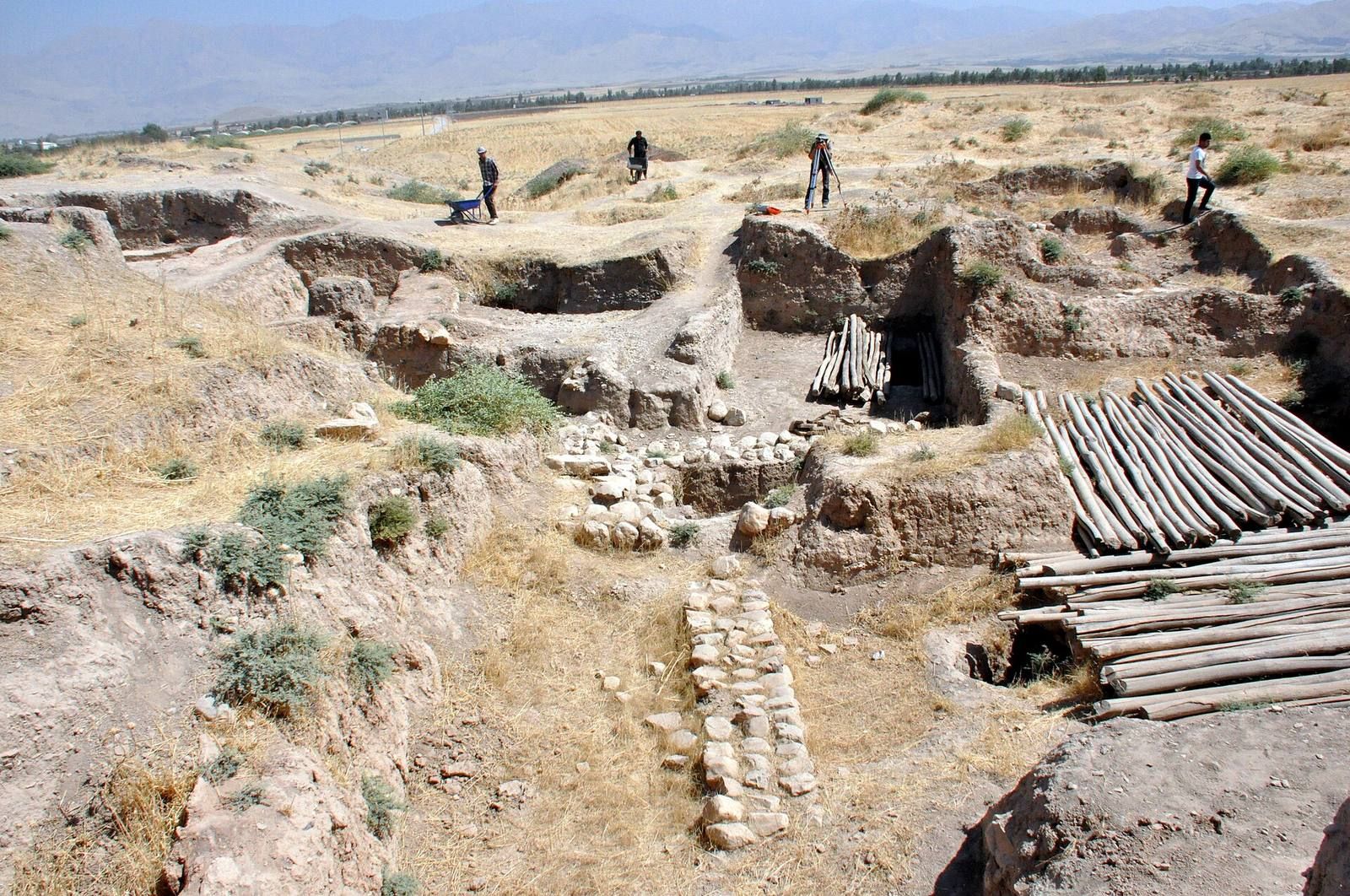
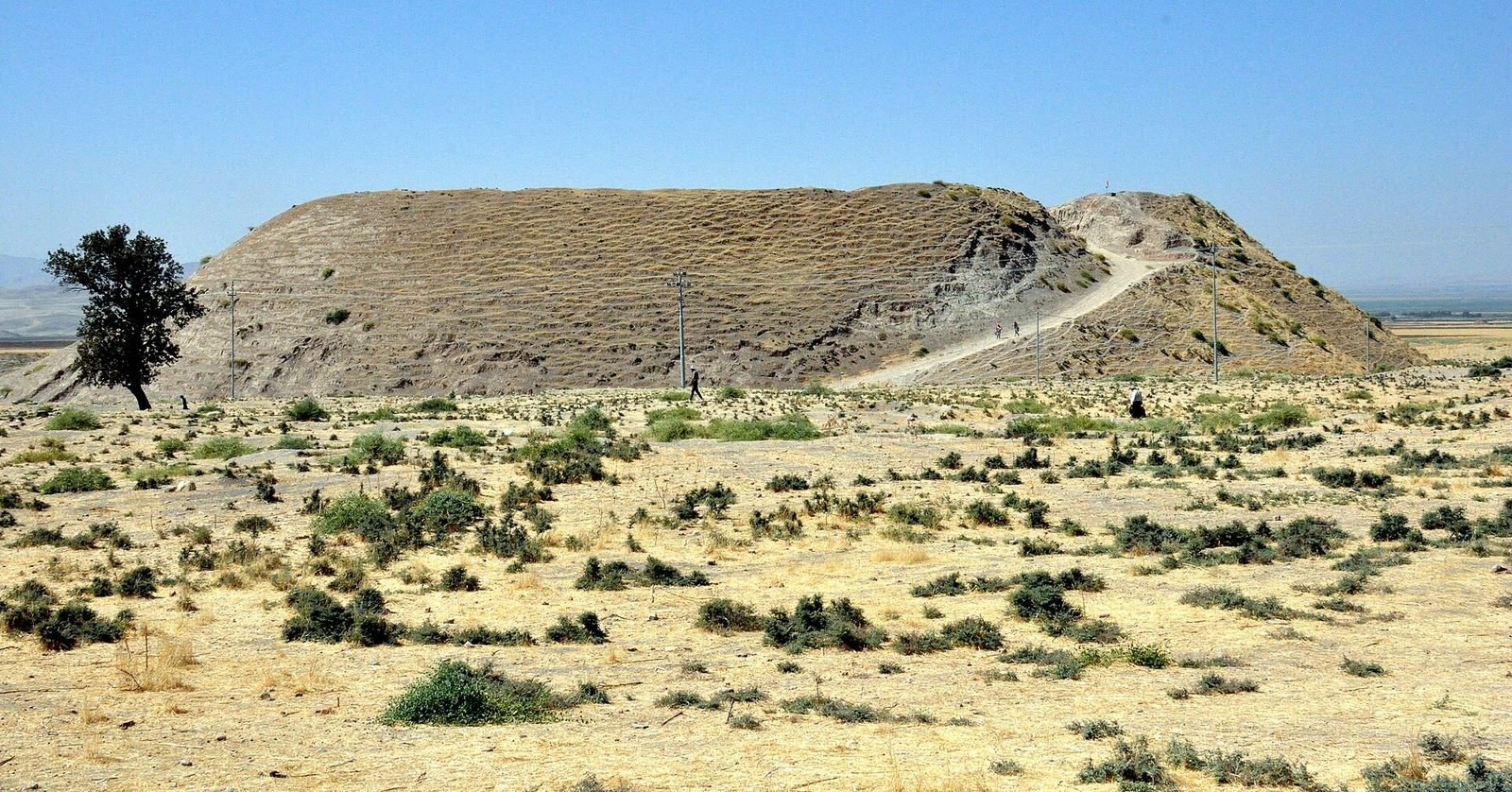
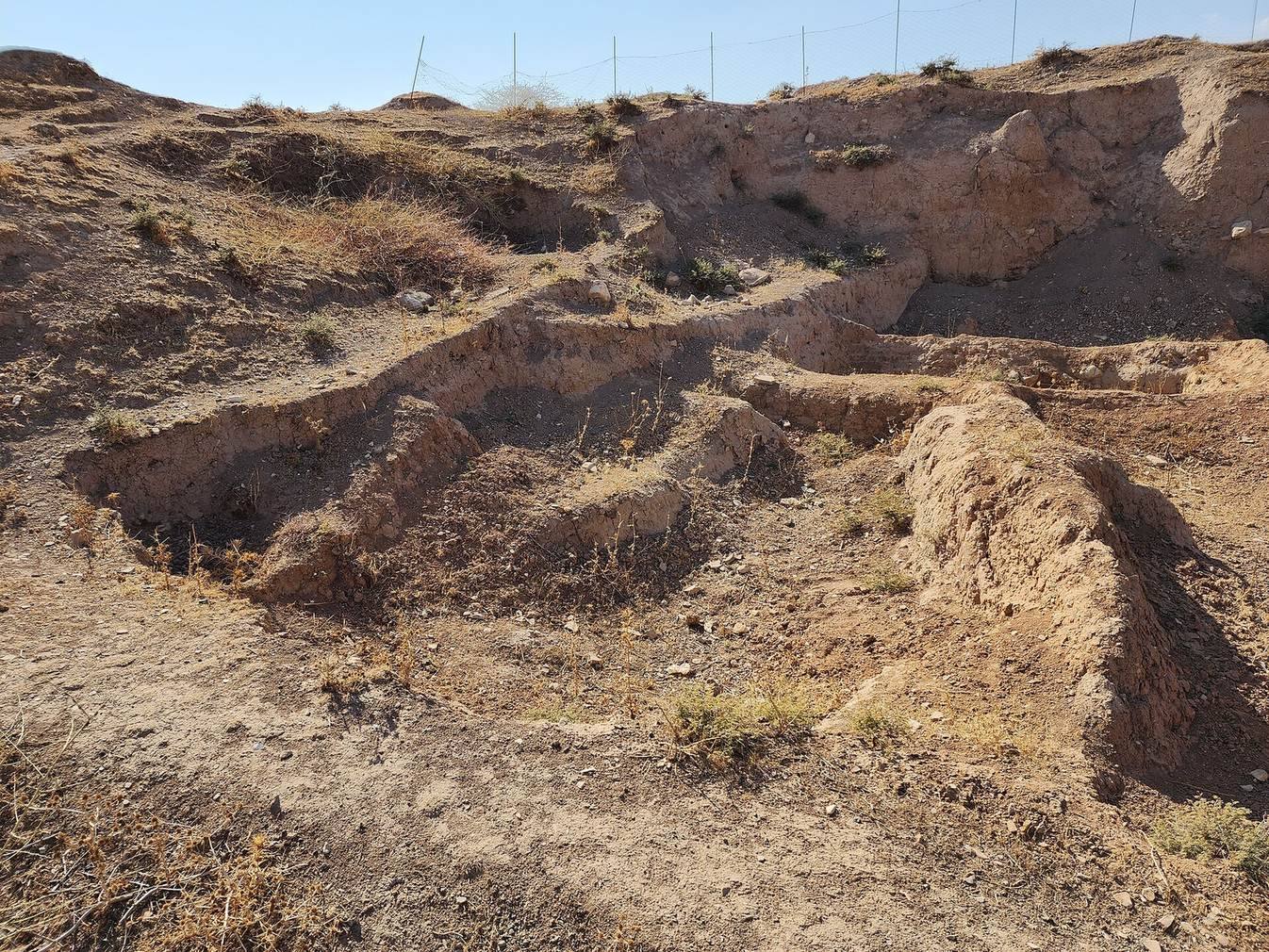
Bakr Awa is a tell, a mound formed by successive layers of settlement and building. It stands on the Shahrizor Plain in the foothills of the Zagros Mountains, near the headwaters of the Diyala River. The mound rises 40 metres; its central area measures 277 by 216 metres and is encircled by a lower town about 800 by 600 metres in extent. In 2022, numerous looters’ pits were noted in areas in front of the mound and around an earlier excavation trench. The mound’s upper surface was also documented.
Buildings and archaeological finds
Middle Bronze Age residence
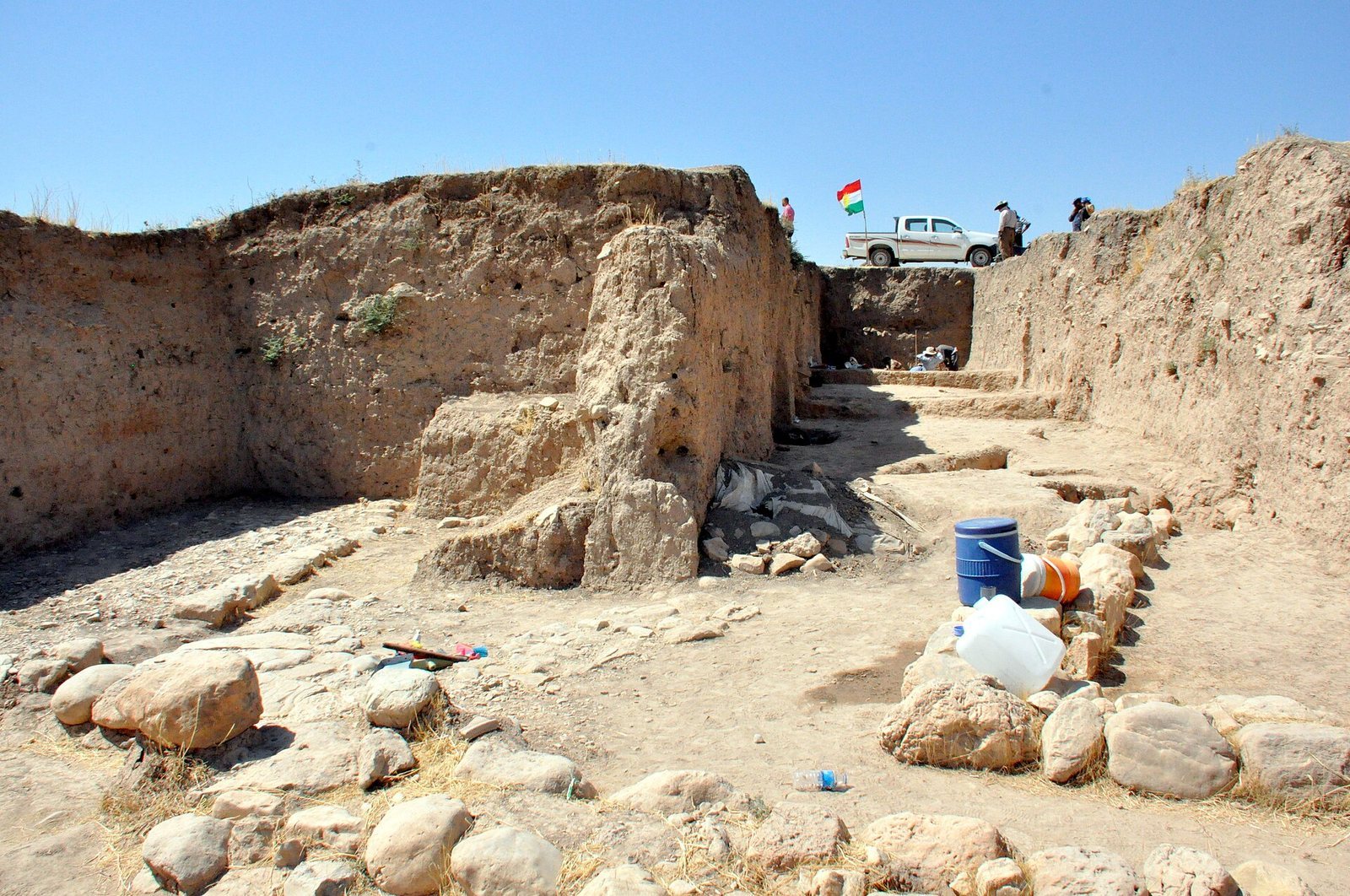
On the mound’s eastern side, excavators uncovered a mudbrick building measuring 30 by 22 metres beside a pebble-paved courtyard measuring 11 by 10.5 metres. The complex dates to about 2000 BC, in the Middle Bronze Age. Iraqi excavators first interpreted the building as a temple; later work identified it as a residence. A feature initially thought to be an altar was instead understood as a domestic shrine.
Houses and burials
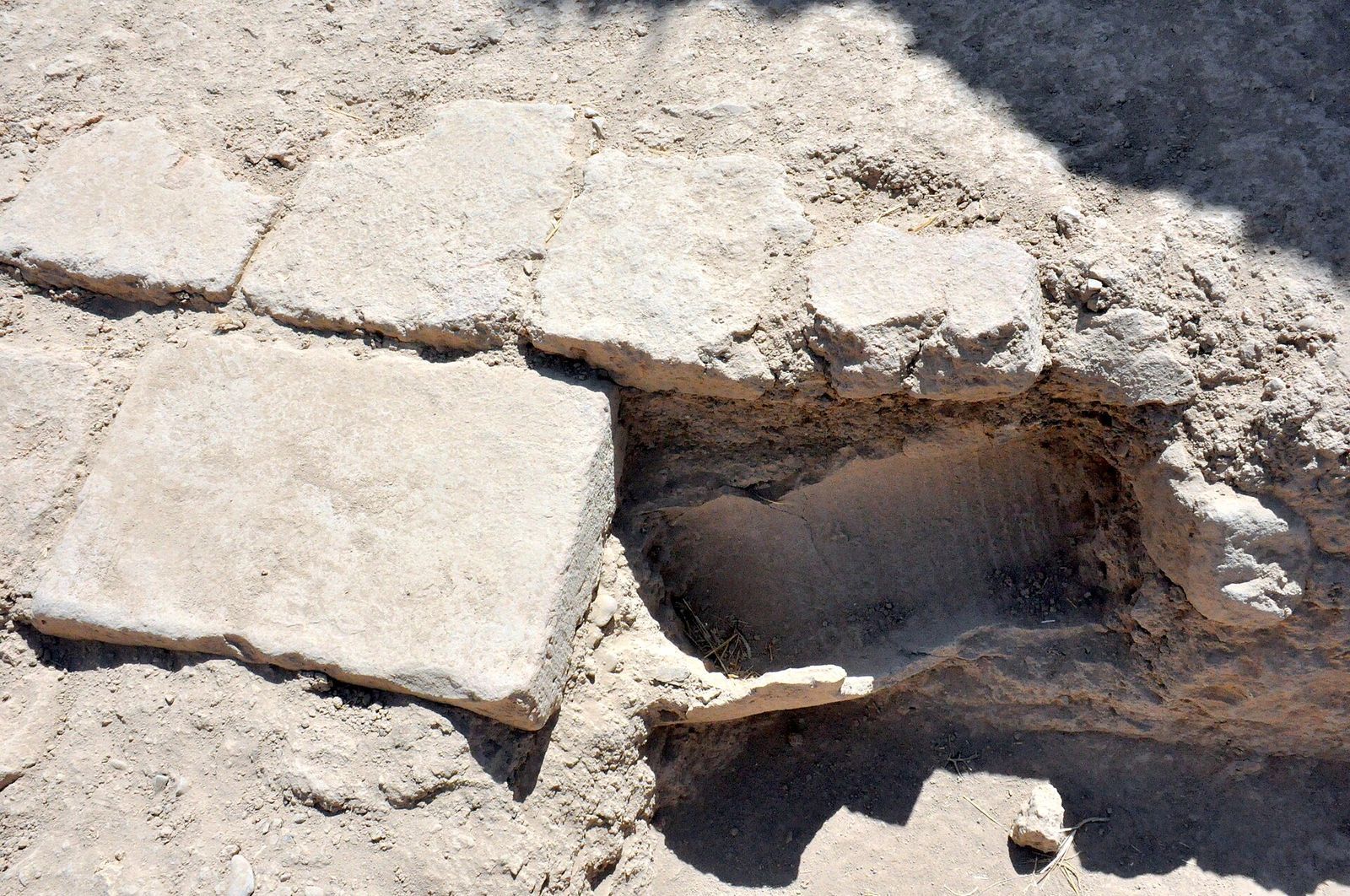
Numerous houses and graves belong to the second millennium BC. Burials also span the Akkadian, Middle or Late Bronze Age, Iron Age, and Islamic periods. One grave dating to the first millennium BC has been tentatively associated with the Neo-Assyrian period.
Cuneiform texts
Iraqi excavations recovered 24 cuneiform tablets and fragments. Belgian excavators found 17 more in 2013–2014, including three small tablets from Lees’s earlier trench. Cuneiform is a writing system formed from wedge-shaped signs pressed into clay. The inscribed finds came from debris left by Islamic-period construction, rather than from their original locations. They may have belonged to a single archive and have been tentatively dated to the fifteenth century BC using the forms of the writing and radiocarbon dating.
The texts include administrative records, clay bullae used to seal or authenticate documents and containers, a witness list probably belonging to a legal document, and a letter. Other pieces contain prayers, divination texts based on animal entrails, a hemerology (a guide to days’ ritual or divinatory meanings), and part of the Weidner God-list, a Mesopotamian list of deities. A few fragments contain Hurrian writing.